 by FIDA
Building an Inclusive Democracy: FIDA Nigeria’s CLE Session Advances Women’s Representation in Governance
What does it take to build a democracy where women don’t just vote—but help shape the decisions that govern everyone?
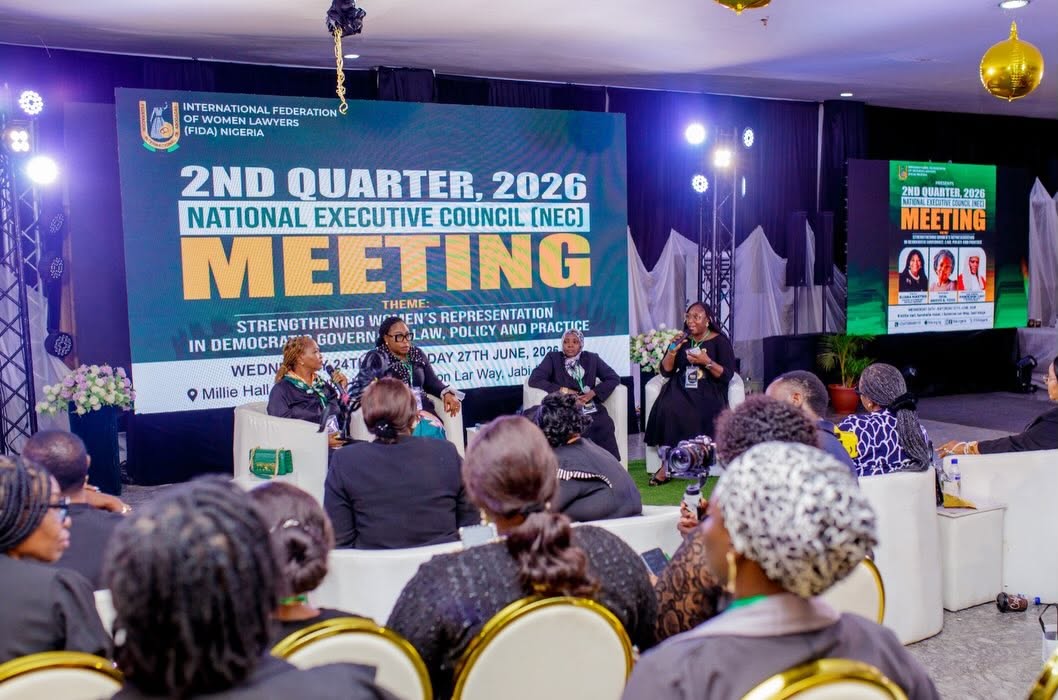
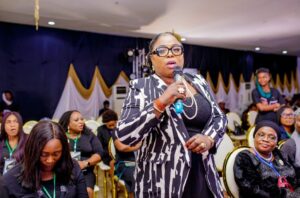
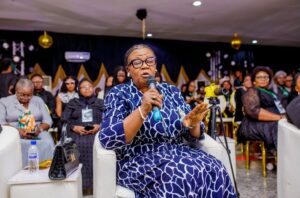
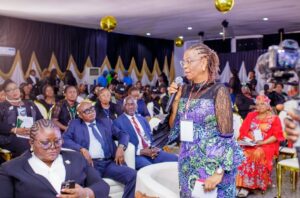
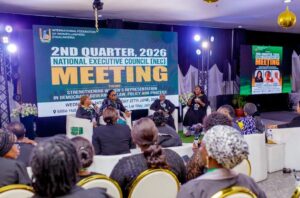
That question was at the heart of the Continuing Legal Education (CLE) Session at FIDA Nigeria’s 2nd Quarter NEC Meeting 2026, which focused on “Strengthening Women’s Representation in Democratic Governance: Law, Policy and Practice.”
Moderated by Dr. Ozioma Izuora, the session brought together Dr. Boma Tonye Miebai, Zainab Bello Aliyu, and Oluwakemi Omeiza-Usman for a candid conversation on breaking systemic barriers, strengthening legal and policy frameworks, and creating real pathways for more women to participate in leadership and governance.
The message was unmistakable: meaningful representation doesn’t happen by chance. It requires deliberate laws, bold policy reforms, sustained advocacy, and collective action.
Because when women help shape decisions, democracy becomes more inclusive, more responsive, and stronger for everyone.
What practical steps do you believe Nigeria must take to ensure more women lead where it matters most?
#FIDANigeria #NECMeeting2026





 by FIDA
FIDA Nigeria Opens Q2 2026 NEC Meeting with Call to Strengthen Women’s Representation in Democratic Governance
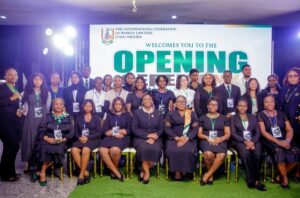
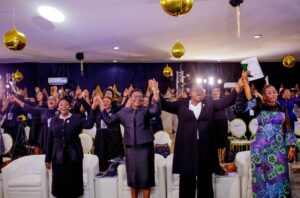
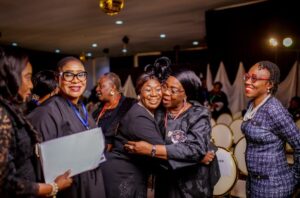
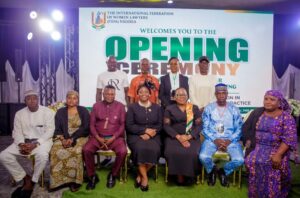
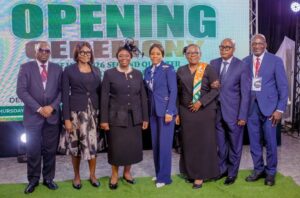
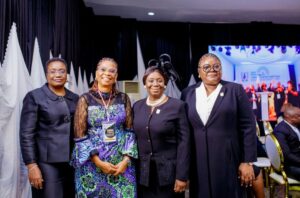
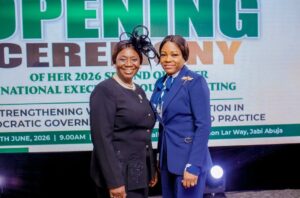
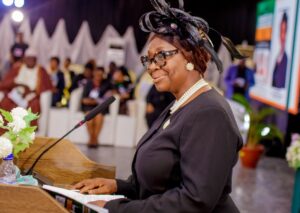
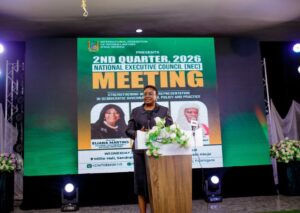
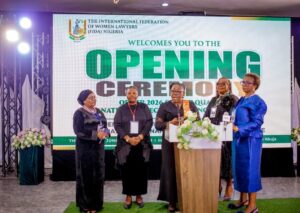
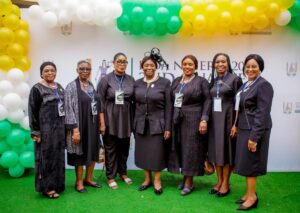
The Opening Ceremony of the FIDA Nigeria Second Quarter 2026 National Executive Council (NEC) Meeting opened an important conversation about the place of women in Nigeria’s democratic process—and what it will take to ensure they are fully represented where decisions are made.
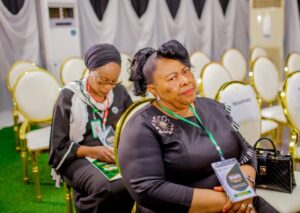
Held under the theme, “Strengthening Women’s Representation in Democratic Governance: Law, Policy and Practice,” the ceremony brought together members of the judiciary, legal practitioners, development partners and other stakeholders committed to advancing reforms that strengthen women’s participation in governance.
In her welcome address, FIDA Nigeria’s Country Vice President/National President, Mrs. Eliana Martins, reaffirmed the Association’s commitment to promoting legal, institutional and policy reforms that expand opportunities for women to participate in leadership and public decision-making.
Delivering the keynote address, Hon. Amb. Nkoyo Esu Toyo called for sustained legislative reforms, stronger institutions and coordinated action to address the barriers that continue to limit women’s political participation in Nigeria.
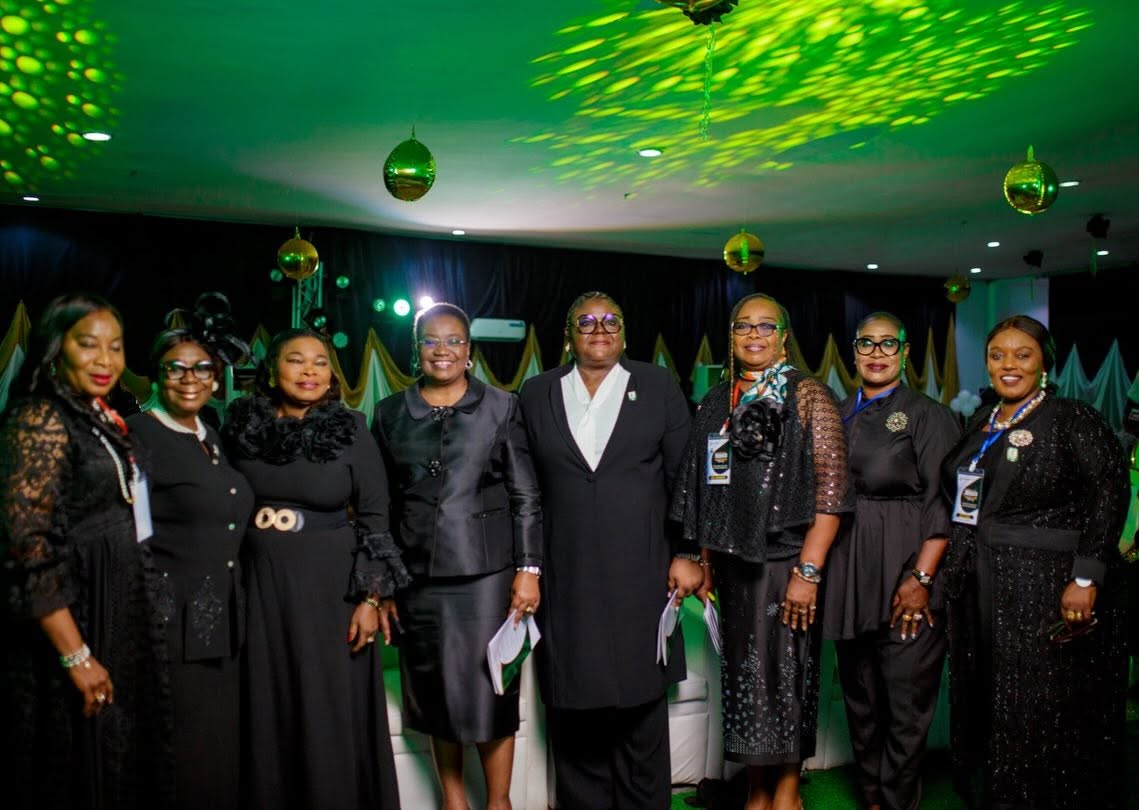
The ceremony was graced by the Chairman, Hon. Justice Husseini Baba Yusuf, Chief Judge of the High Court of the Federal Capital Territory; Her Excellency, Hon. Justice Suzette Eberechi Nyesom Wike, JCA, Matron of FIDA Abuja Branch; Mrs. Ezinwa Okoroafor, FIDA International President; Mr. Jibrin Samuel Okutepa, SAN, Patron of FIDA Abuja Branch; Ms. Ebere Ifendu, President of the Women in Politics Forum; CP Ahmed Muhammed Sanusi, PhD, Commissioner of Police, FCT Command; alongside other distinguished guests whose presence underscored the importance of advancing inclusive governance.
Women’s representation is not simply about increasing numbers. It is about ensuring that the policies and decisions shaping Nigeria reflect the experiences, perspectives and aspirations of all its people.
#FIDANigeria








 by FIDA
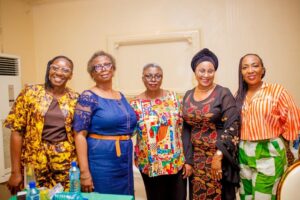
FIDA Nigeria Kicks Off Q2 2026 NEC Meeting with Welcome Cocktail in Abuja
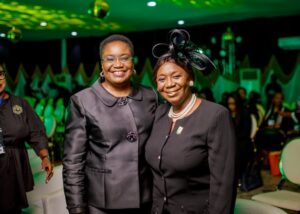
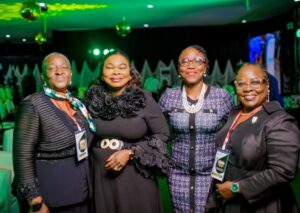
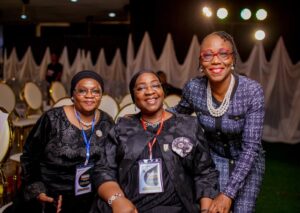
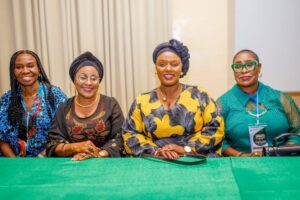
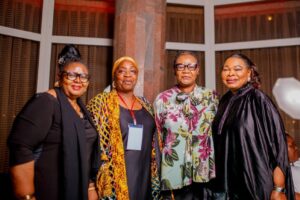
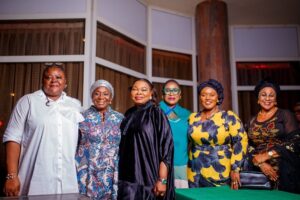
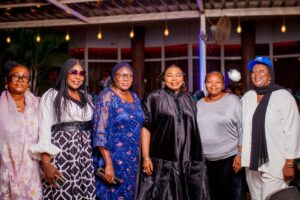
The FIDA Nigeria Q2 2026 NEC Welcome Cocktail in Abuja brought members together for an evening of fellowship, reconnection, and renewed commitment ahead of the important conversations to come.
The Chairperson of the Local Organising Committee, Chioma Onyenucheya-Uko, welcomed members and guests, setting the tone for an evening of connection and fellowship. The Country Vice President, Eliana Martins, encouraged members to reconnect, strengthen the bonds of sisterhood, and commended their unwavering dedication to advancing the rights of women, children, and vulnerable persons across Nigeria.
The evening was graced by FIDA Nigeria President, Mrs. Ezinwa Okoroafor, SAN, and Chief Mrs. Victoria Awomolo, SAN, whose presence added to the significance of the gathering.
Old friends reunited, new connections were made, and members from across the country came together with one purpose—to begin the NEC meeting as one family, ready for the conversations and decisions ahead.
Abuja set the stage. The work begins







 by FIDA
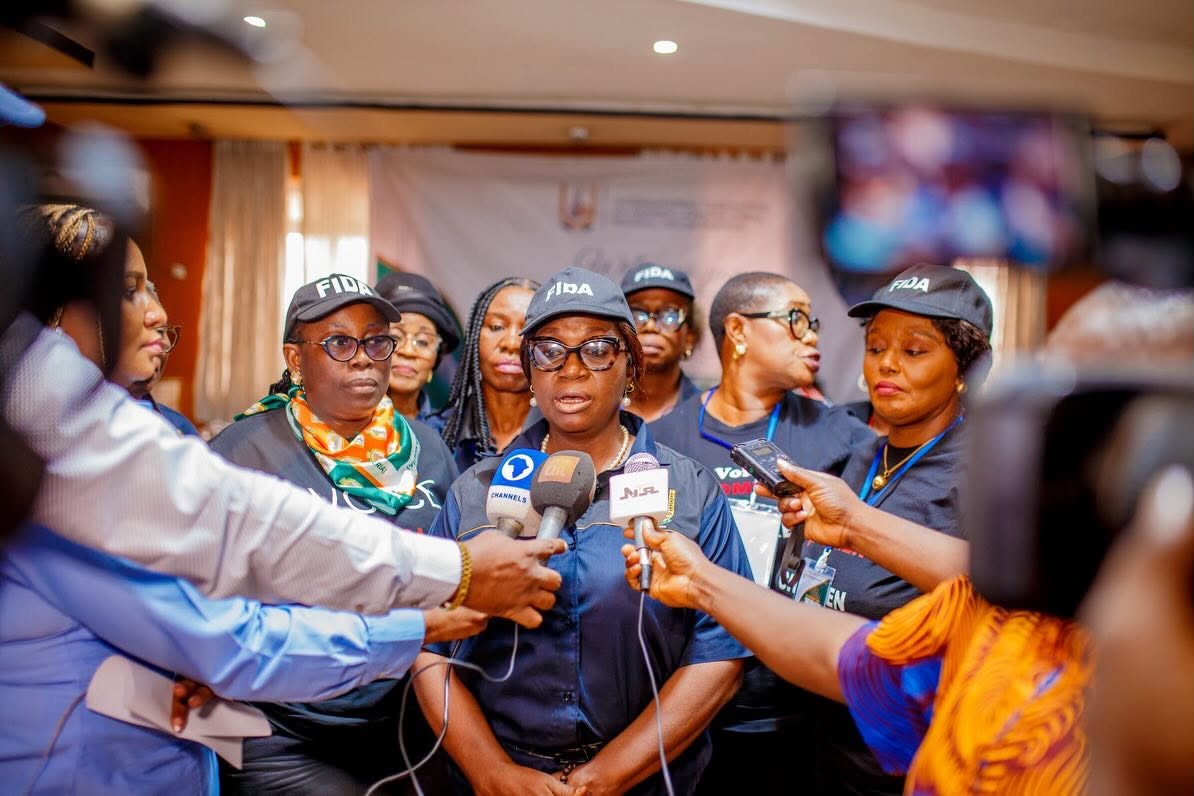
FIDA Nigeria Calls for Urgent Action to Protect Women and Children
The rising threats facing women and children demand more than concern. They demand action!
At the press conference marking the opening of FIDA Nigeria’s Second Quarter National Executive Council (NEC) Meeting, Country Vice President Eliana Martins highlighted growing concerns over insecurity, gender-based violence, child abuse, trafficking and the economic pressures exposing vulnerable populations to exploitation.
FIDA Nigeria called for stronger protection systems, safer learning environments, enhanced access to justice and targeted social support to safeguard the rights, dignity and well-being of women and children across Nigeria.
#FIDANigeria #Q2NECMeeting











 by FIDA
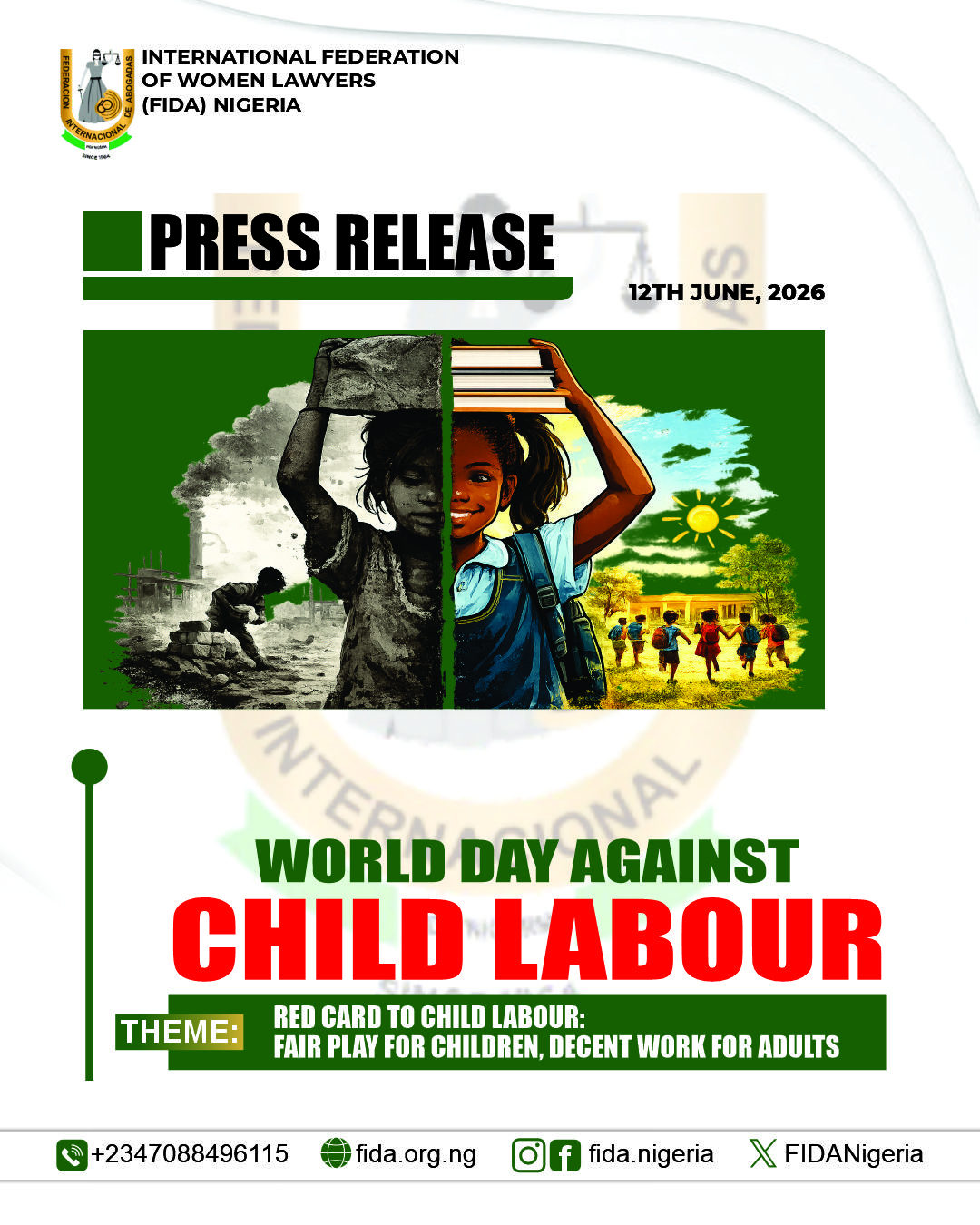
World Day Against Child Labour 2026 Theme: “Red Card to Child Labour: Fair Play for Children, Decent Work for Adults”
Every child carrying bricks instead of books is evidence of a promise broken.
Across Nigeria today, millions of children are trapped in labour when they should be learning, playing, and preparing for the future. Behind every statistic is a child whose dreams are being delayed, diminished, or denied altogether. A child selling goods under the scorching sun, working long hours in farms, markets, workshops, mines, or on the streets is not demonstrating resilience; that child is being failed by systems that were designed to protect them.
As the world marks the 2026 World Day Against Child Labour, the International Federation of Women Lawyers (FIDA) Nigeria joins the global call to show a red card to child labour and demand a society where every child enjoys the right to education, protection, dignity, and opportunity.
The reality before us is deeply troubling. According to the Nigeria Child Labour Survey 2022 conducted by the National Bureau of Statistics in collaboration with the International Labour Organization (ILO) and the Federal Ministry of Labour and Employment, approximately 24.7 million Nigerian children between the ages of 5 and 17 are engaged in child labour, while about 14.4 million are involved in hazardous work that threatens their health, safety, education, and overall development. These figures underscore the scale of the challenge and the urgency of sustained action to protect every child’s right to a safe, healthy, and productive childhood.
Child labour remains one of the most visible manifestations of poverty, inequality, weak social protection systems, and inadequate enforcement of child protection laws. Many families facing severe economic hardship are forced into impossible choices, while children bear the consequences. Yet poverty can never be accepted as justification for exposing children to exploitation, hazardous work, abuse, or conditions that rob them of their childhood and future.
Nigeria has already made clear legal and policy commitments. The Child Rights Act 2003 guarantees the protection, survival, development, and best interests of every child. The Labour Act establishes safeguards regarding the employment of children and young persons. Nigeria has also ratified the International Labour Organization Convention No. 138 on Minimum Age for Employment and Convention No. 182 on the Worst Forms of Child Labour, affirming its commitment to eliminating child labour in all its forms.
The challenge before us is no longer the absence of laws. It is the gap between commitment and implementation. It is the persistent gap between commitment and implementation, between promises made and protections delivered.
Far too many children remain exposed to hazardous labour, trafficking, exploitation, and other violations despite these protections. This demands stronger coordination and enforcement by relevant institutions, including the Federal Ministry of Labour and Employment, the Federal Ministry of Women Affairs, the National Agency for the Prohibition of Trafficking in Persons (NAPTIP), state governments, law enforcement agencies, and child protection authorities across the country.
FIDA Nigeria therefore calls for urgent and measurable action:
• The Federal Government must strengthen implementation of national child labour elimination strategies, expand social protection programmes for vulnerable families, and increase resources for labour inspections and child protection systems.
• State Governments must fully domesticate and effectively implement the Child Rights Act where gaps remain, while ensuring functional child protection mechanisms at state and local government levels.
• Employers and the Private Sector must conduct due diligence across their supply chains and adopt zero-tolerance policies against child labour in all forms.
• Communities, traditional institutions, religious leaders, and parents must actively report cases of child labour, trafficking, and exploitation and prioritize children’s education and wellbeing.
• Law enforcement and regulatory agencies must ensure that violators face swift investigation, prosecution, and appropriate sanctions.
A nation cannot build sustainable development on the backs of children whose rights are being denied. Every child withdrawn from school to work represents not only an individual tragedy but also a collective loss for Nigeria’s future.
On this World Day Against Child Labour, FIDA Nigeria reaffirms its unwavering commitment to protecting the rights of every child and advancing a Nigeria where no child’s future is sacrificed to poverty, exploitation, or neglect.
The choice before us is clear: either we protect children now, or we pay the price of failed potential for generations to come.
Children belong in classrooms, not worksites. Their hands should hold books, not burdens.
Signed
Country Vice President/National President
FIDA Nigeria
 by FIDA
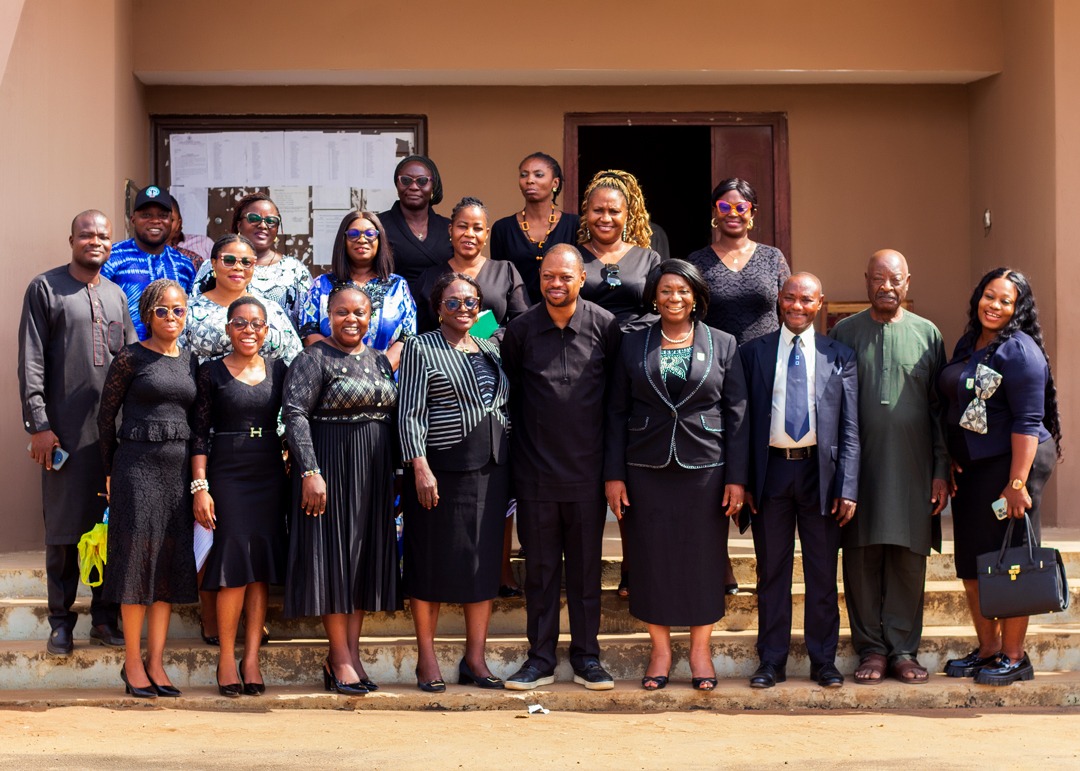
FIDA NIGERIA DRIVES CONVERSATIONS ON WOMEN’S INCLUSION AND JUDICIAL REFORM IN BENUE STATE
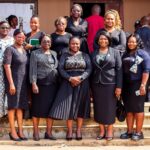
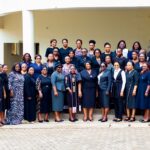
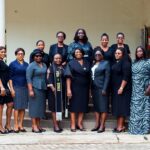
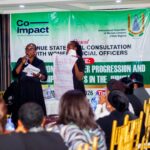
In Benue State, FIDA Nigeria engaged judicial stakeholders and women judicial officers in critical conversations on leadership, career growth, workplace realities, and the barriers limiting women’s advancement in the judiciary.
Under the project “Strengthening Women Inclusion and Advancement in Nigeria Judiciary through Institutional Reforms” in partnership with Co-Impact, the engagement reinforced the urgent need for inclusive reforms and stronger institutional support for women in the justice sector.
#FIDANigeria #WomenInJudiciary #JudicialReform








 by FIDA
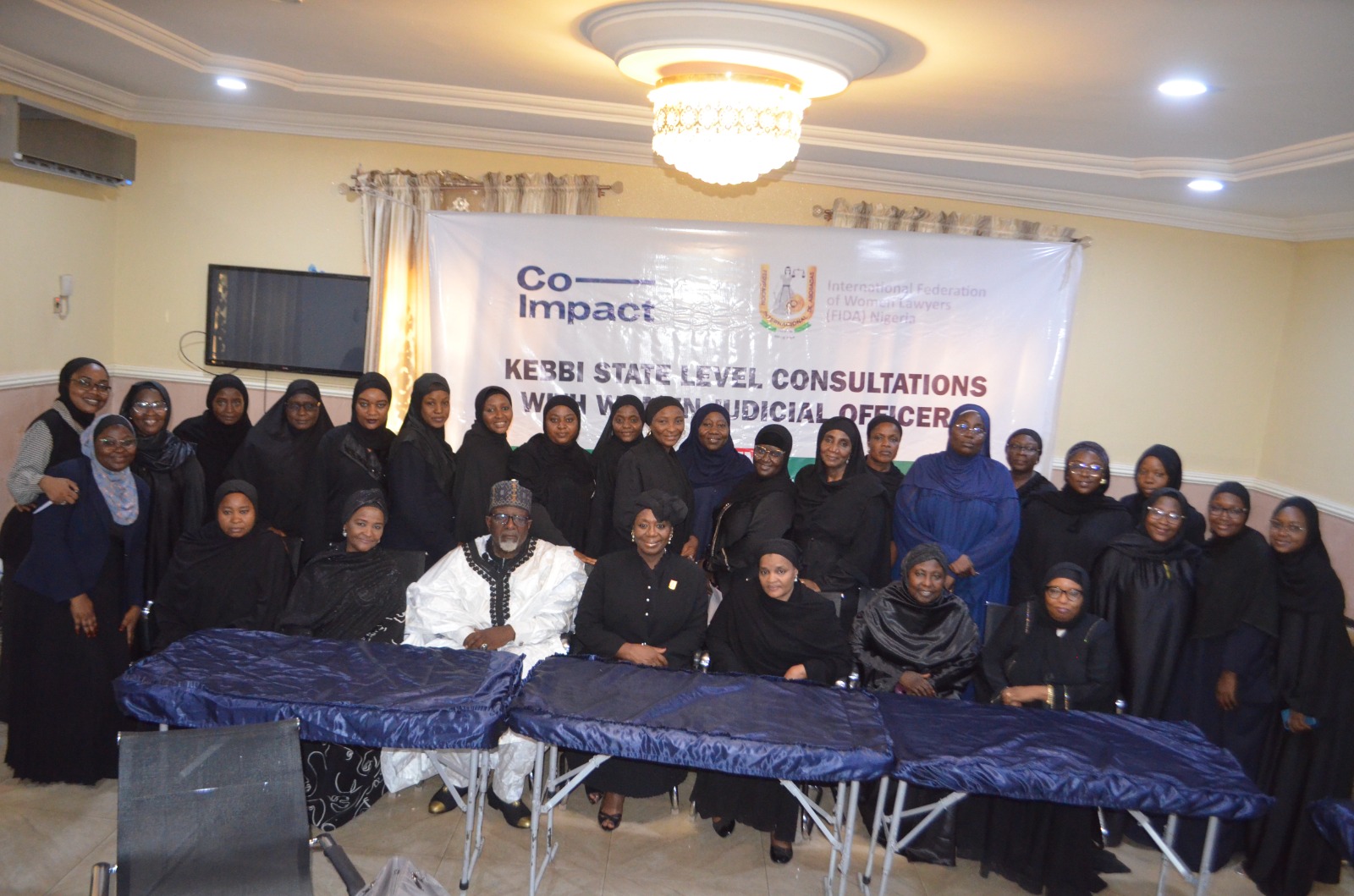
PROGRESS WITHIN THE JUDICIARY GROWS STRONGER WHEN WOMEN’S EXPERIENCES AND LEADERSHIP JOURNEYS ARE PART OF THE CONVERSATION.
FIDA Nigeria recently concluded a two-day consultative engagement in Kebbi State focused on advancing women’s inclusion in the judiciary through institutional reforms.
The engagement brought together the Judicial Service Commission, Ministry of Justice, and female judicial officers to discuss barriers, institutional gaps, and opportunities to strengthen gender equity and increase women’s representation in judicial leadership.
The conversations also created space for collaboration and reforms toward a more inclusive judiciary.
#FIDANigeria #WomenInJudiciary #JudicialReform











 by FIDA
WHAT DOES IT TRULY TAKE FOR WOMEN TO GROW, LEAD, AND THRIVE WITHIN NIGERIA’S JUDICIARY?
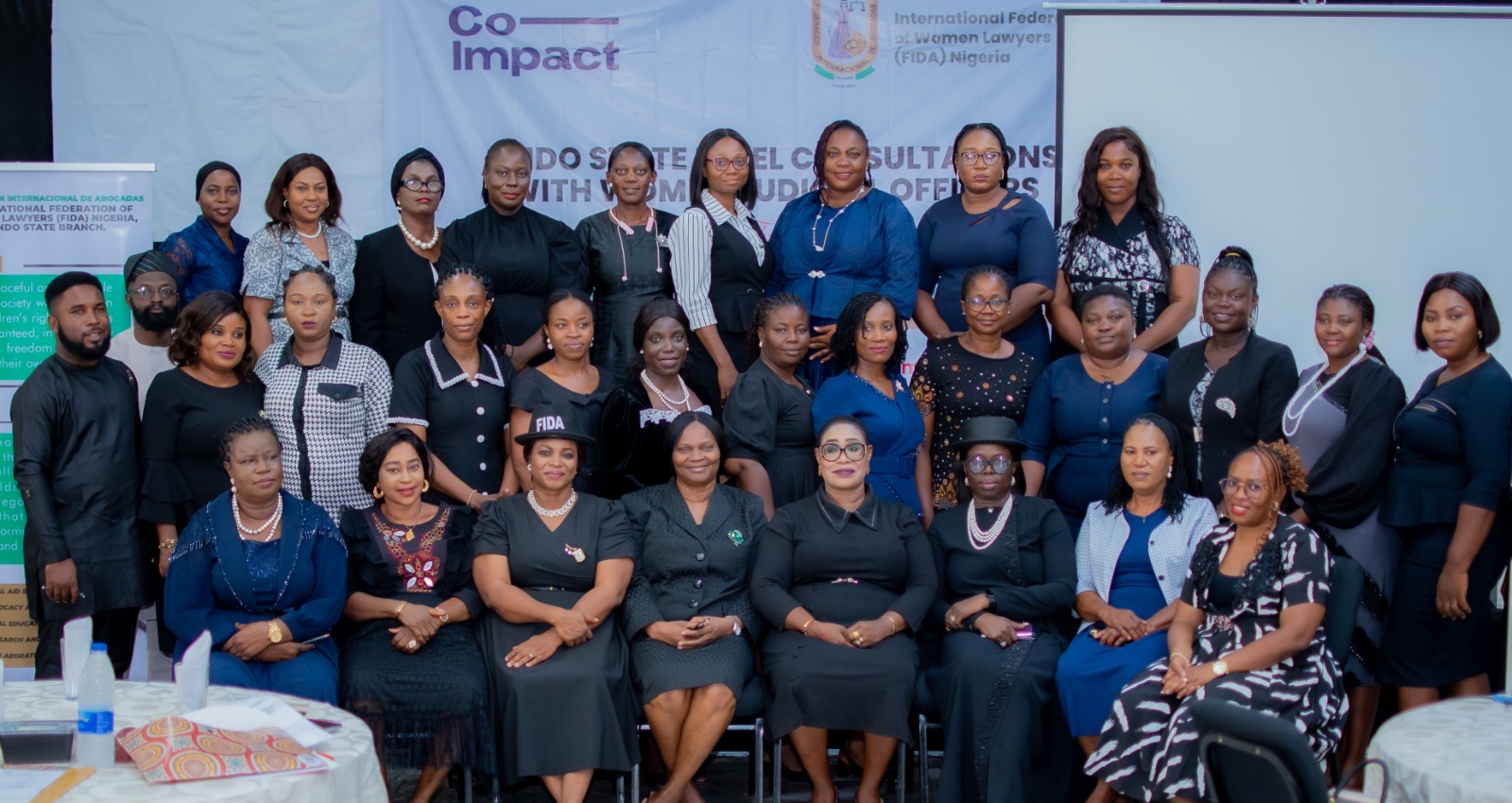
FIDA Nigeria and the FIDA Ondo State Branch convened judicial stakeholders and women judicial officers for frank conversations on leadership, career progression, workplace realities, and the systemic barriers that continue to affect women’s inclusion and advancement.
Through consultative engagements and shared personal experiences, participants raised critical questions, exchanged perspectives, and reflected on the reforms needed to build a more inclusive and supportive judicial system for women at every stage of their careers.
Implemented under the project “Strengthening Women Inclusion and Advancement in Nigeria Judiciary through Institutional Reforms” in partnership with Co-Impact, the engagement reaffirmed the importance of creating spaces where experiences are valued, voices are heard, and meaningful institutional change can take root.
#FIDANigeria #WomenInJudiciary #JudicialReform












 by FIDA
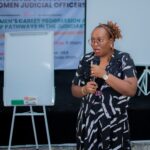
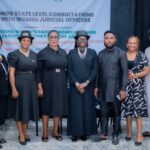
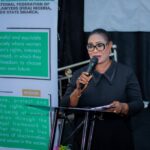
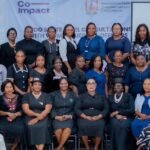
Beyond the Bench: Conversations on Growth, Leadership and Women’s Experiences in the Judiciary
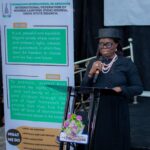
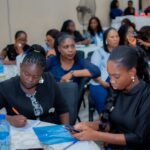
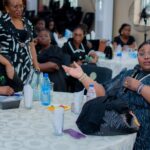
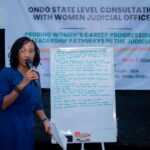
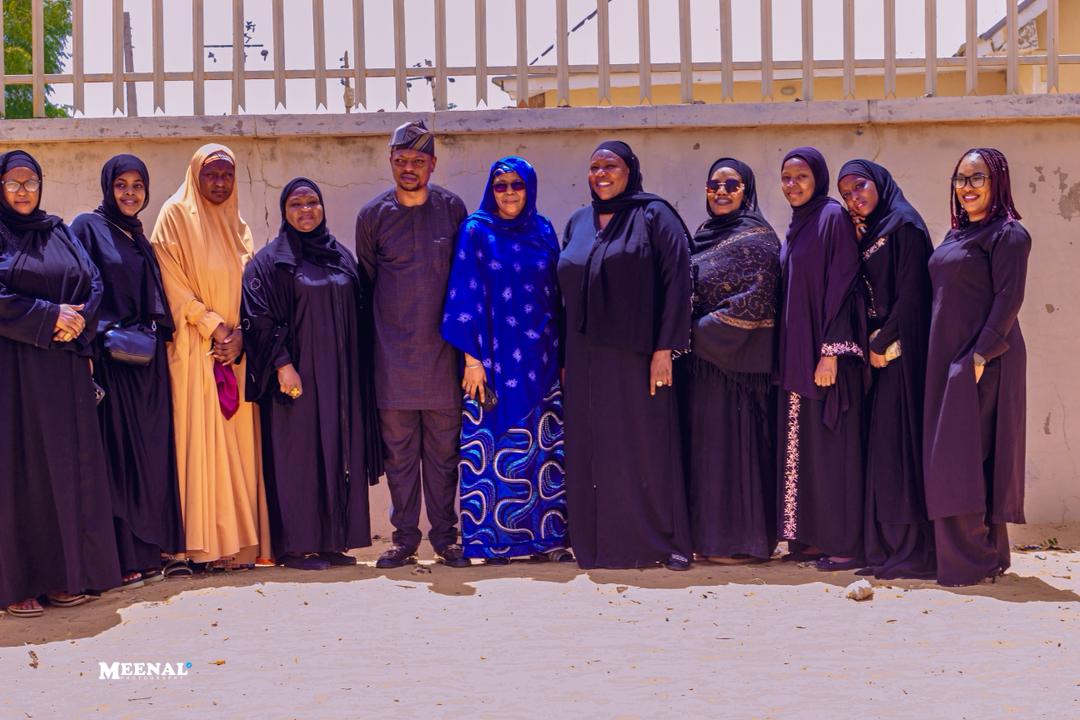
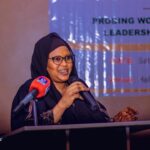
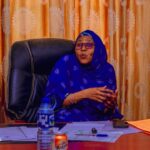
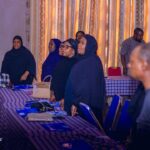
Last weekend in Damaturu, FIDA Nigeria and the Yobe State Branch spent time with judicial stakeholders and women judicial officers discussing growth, leadership and career progression within the judiciary.
The engagement started on Friday with consultative visits to the Yobe State Judicial Service Commission and the Magistrate Association of Nigeria, Yobe State Branch, where conversations focused on the factors shaping growth and advancement within the system.
On Saturday, the discussions continued with women judicial officers sharing their experiences across different stages of their careers.
There were conversations around workplace expectations, recruitment processes, indigenization concerns, career progression, and the realities of balancing professional responsibilities with societal expectations.
Participants spoke openly, shared perspectives, asked difficult questions and reflected on the experiences that continue to shape opportunities within the judiciary.
Facilitated by Abubakar Lamba, retired Chief Magistrate, the session formed part of the project “Strengthening Women Inclusion and Advancement in Nigeria Judiciary through Institutional Reforms,” implemented by FIDA Nigeria in partnership with Co-Impact.
Across both days, one thing was clear — there is value in creating spaces where people can speak freely about their experiences and contribute to conversations around strengthening the system.







 by FIDA
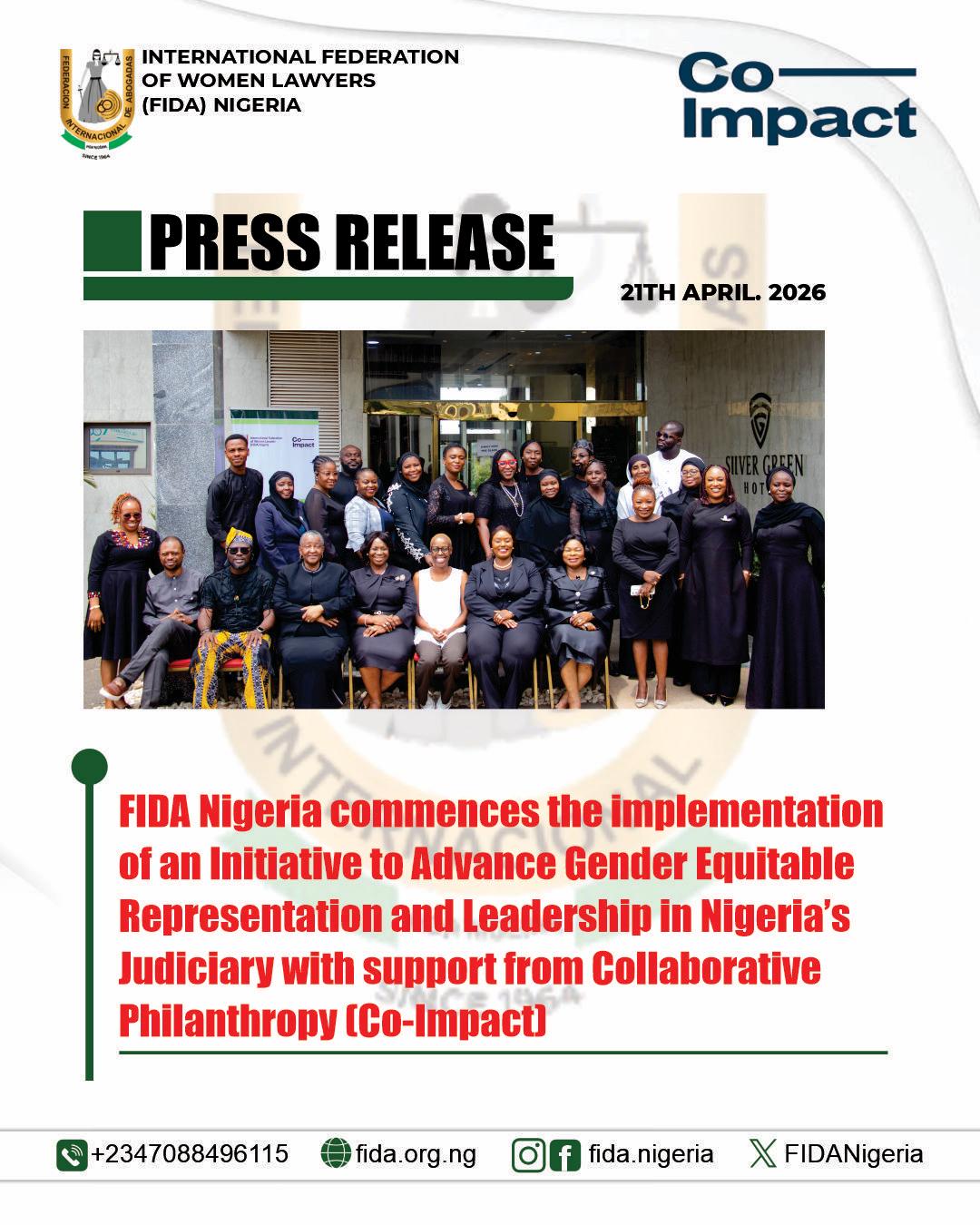
FIDA Nigeria commences the implementation of an Initiative to Advance Gender Equitable Representation and Leadership in Nigeria’s Judiciary with support from Collaborative Philanthropy (Co-Impact)
The international Federation of Women Lawyers (FIDA) Nigeria is set to commence the implementation of a five (5) years project with specific focus on “Strengthening Women Inclusion and Advancement in Nigeria Judiciary through Institutional Reforms. This initiative is conceptualized due to the narrative that women account for less than 30 percent of judges in Nigeria’s superior courts of record as of 2024, with significantly lower representation in Sharia and Customary Courts.
This initiative aims at reforming institutional processes that influence judicial appointments, career progression, and leadership selection of judicial officers at the federal level and across ten states at the sub-national level including Ondo, Ekiti (South West) Ebonyi, Anambra (South East), Sokoto, Kebbi (North West), Yobe (North East), Benue, Kogi & Plateau (North Central) while advancing inclusion, equity and diversity processes to aid effective representation and leadership within the judiciary by working closely with the Federal & State Judicial Service commission.
This initiative will commence with an initial ten months design phase heralding a period to collectively propel a deeper understanding of the Judiciary mandates in the recruitment, appointment, workplace culture, promotion, accountability and discipline of Judicial officers, while co-creating strategies at addressing systemic barriers to gender progression and ensuring a more gender-responsive system with the Judiciary leadership.
This initiative will further institutionalize gender-sensitive governance reforms in appointments and promotions, routine gender audits, mentorship/career development, and safe workplace standards for women judicial officers in the Judiciary.
God bless the Federal Republic of Nigeria.
Eliana Martins (Mrs.)
Country Vice /National President

