 by FIDA
PROTECTING THE GIRL, PROTECTING HER FUTURE: NIGERIA MUST END CHILD MARRIAGE AND INVEST IN GIRLS’ RIGHTS
A girl should have a say in who she becomes, what she wants to achieve and the life she wants to build. Her childhood should not be used to decide her future for her. No child should be betrothed, promised or told whom she must marry before she is old enough to make that decision for herself.
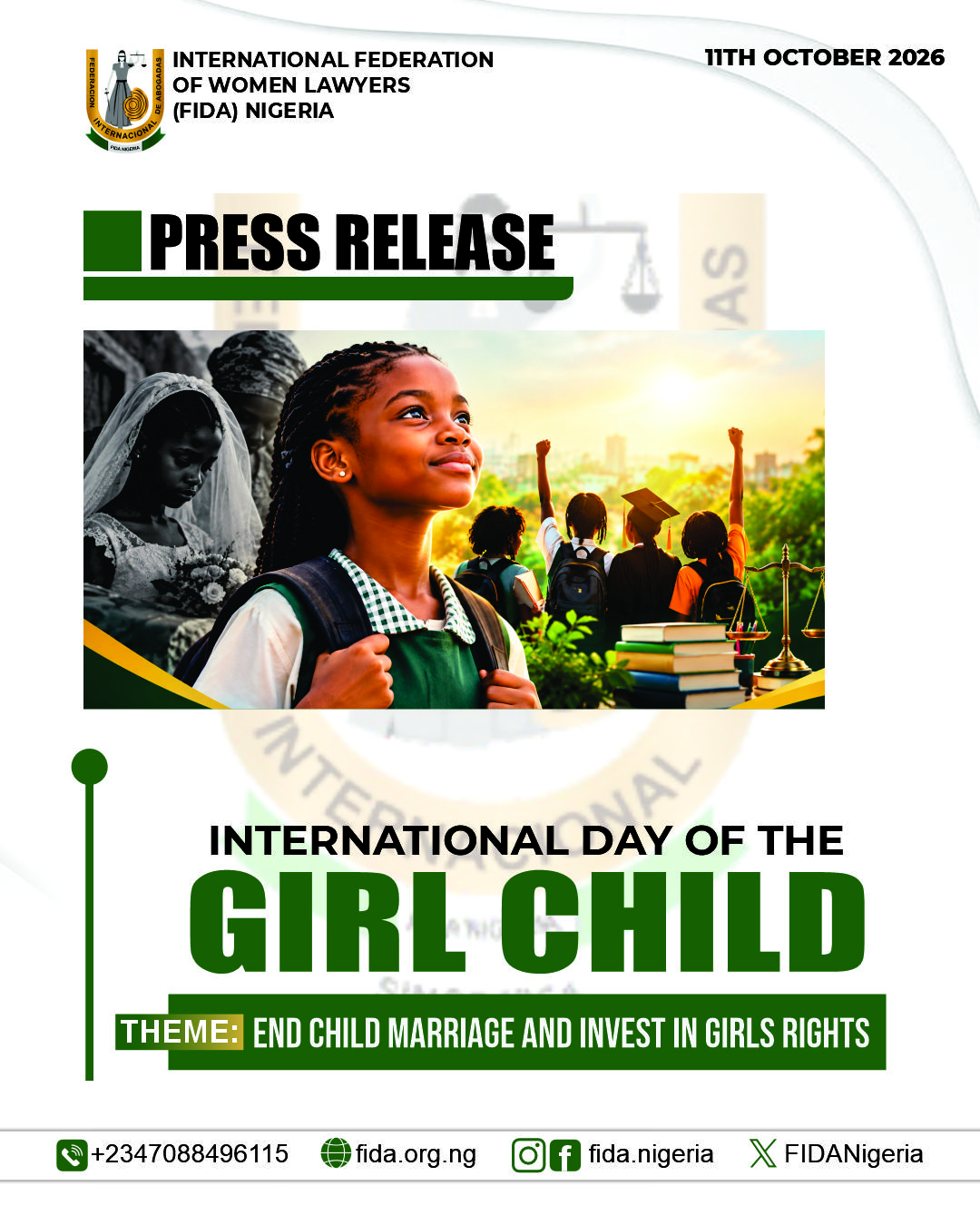
As the world marks the 2026 International Day of the Girl Child under the theme “End child marriage and invest in girls’ rights,” the International Federation of Women Lawyers (FIDA) Nigeria calls on government, institutions, communities and families to take urgent and concrete action to end child marriage and ensure that girls can exercise their rights in practice.
The latest available data shows that 33.4 per cent of young women in Nigeria were married before the age of 18. UNICEF also reports that 7.6 million Nigerian girls are out of school, with half of them in the North. Behind these figures are girls whose education, opportunities, autonomy and ability to shape their futures are being constrained.
Child marriage is not simply about the age at which a girl marries. It can disrupt her education, affect her health and economic prospects, limit her autonomy and increase her vulnerability to violence and coercion. Poverty, harmful social norms, discrimination and weak protection systems can further narrow the choices available to girls.
A girl does not become less entitled to her childhood because her family is poor, because a harmful practice is accepted in her community, or because the law is weakly enforced. Her rights remain hers.
THE LAW MUST PROTECT GIRLS IN PRACTICE
Nigeria has legal frameworks designed to protect children, including the Child Rights Act 2003, alongside applicable State child-protection legislation. But the existence of a law is not enough. A girl facing child marriage must be able to reach an institution, be heard without fear and receive protection and a remedy that can change her circumstances.
FIDA Nigeria therefore calls on the Federal and State Governments to:
- Strengthen the implementation and enforcement of existing child-protection laws and address gaps that leave girls vulnerable.
- Fund child-friendly justice and protection mechanisms so girls can report violations safely and receive timely support.
- Expand legal aid and protection services, particularly for girls in poor, rural, remote and underserved communities.
- Hold accountable those who facilitate, compel or perpetrate violations against children.
- Protect girls and survivors from retaliation, stigma and further harm when they seek justice.
- Measure progress by the number of girls actually protected, supported and able to remain in or return to school.
Government and education authorities must also keep girls in school and create genuine pathways for those who have dropped out, including married, pregnant and adolescent mothers, to return to education.
INVESTING IN GIRLS MEANS INVESTING IN THEIR FUTURES
Education gives girls knowledge, skills, confidence and greater choices about their futures. As Nigerian girls’ education advocate Toyin Chukwudozie has noted, completing 12 years of education can significantly reduce a girl’s vulnerability to child marriage.
Investment in girls must also include access to healthcare, social protection, legal assistance and safe spaces where they can speak and participate in decisions affecting their lives.
A girl’s future should not depend on where she lives, her family’s income, or whether she faces additional barriers because of disability, displacement or other forms of discrimination.
Every girl deserves the opportunity to choose her future.
On this International Day of the Girl Child, FIDA Nigeria urges Nigeria to measure progress not only by policies and laws, but by what girls experience in their daily lives. Can a girl facing child marriage find someone who will intervene? Can a girl who has dropped out return to school? Can a girl living in poverty obtain legal assistance? Can she speak about a decision affecting her life and know that someone with the power to act will listen?
These are the questions that should determine whether Nigeria is protecting its girls.
Ending child marriage means protecting a girl’s childhood, education, health, dignity, safety and ability to decide who she becomes. A girl’s future should not be decided for her before she is old enough to choose it.
FIDA Nigeria will continue to use the law, public advocacy and its work with communities to challenge practices that deny girls their rights and to press for responses that protect them in practice. Nigeria must make a clear choice: protect girls in practice, invest in their rights and give them the freedom to determine their own futures.
Signed
Eliana Martins
Country Vice President
FIDA Nigeria
 by FIDA
WHEN CUSTODY BECOMES A DEATH SENTENCE, THE STATE MUST ANSWER
FIDA Nigeria Demands Answers Over the Deaths of 37 People in NSCDC Custody in Minna, Including Children
There is a point at which a security operation stops being about enforcement and becomes a question of life, dignity and State responsibility.
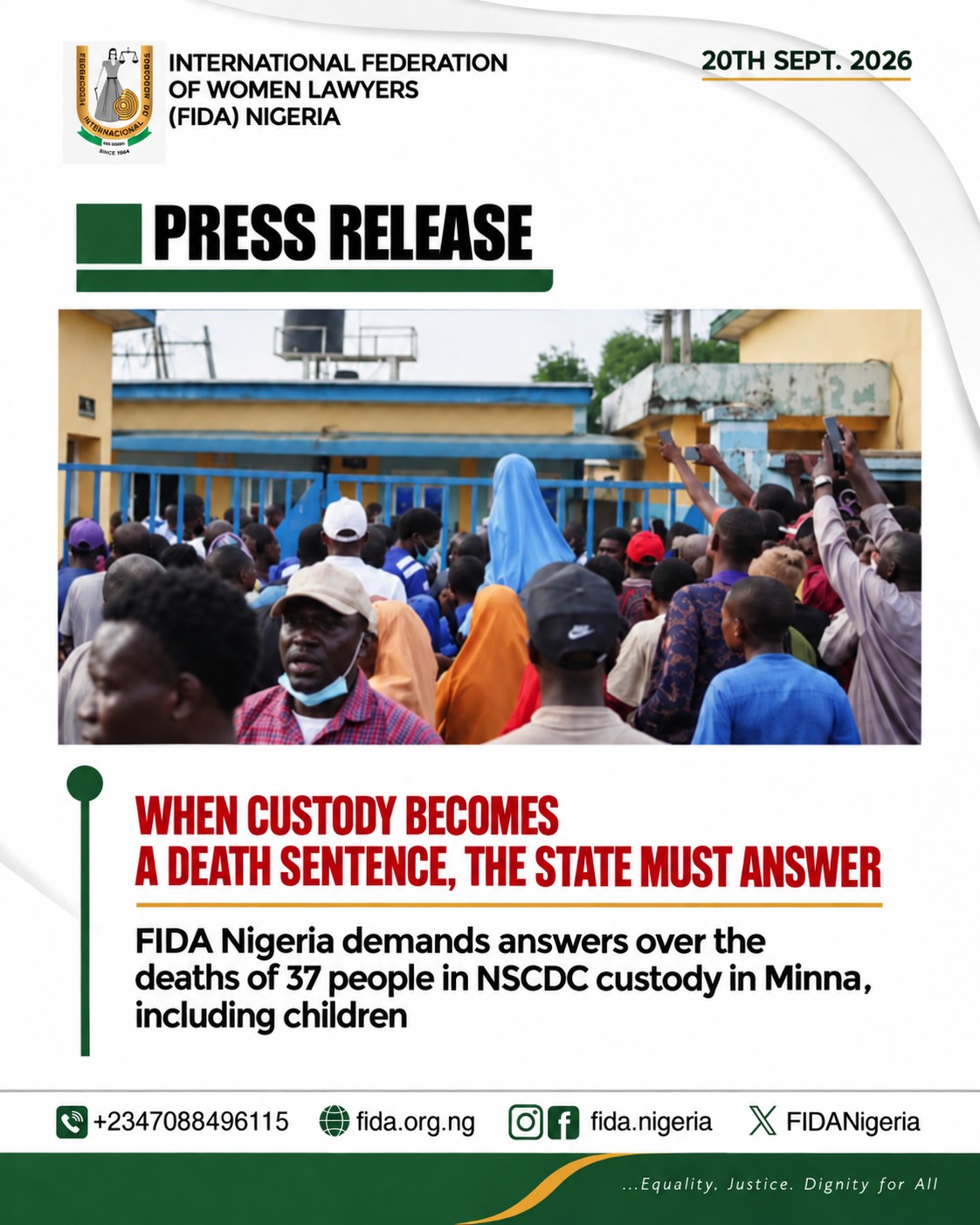
The deaths of 37 people while in the custody of the Nigeria Security and Civil Defence Corps (NSCDC) in Minna, Niger State, have brought Nigeria to that point.
Among those detained were reportedly children, with reports identifying minors among those who died. One report has identified a seven-year-old among the victims. Survivors have described severe overcrowding, intense heat and inadequate ventilation inside the detention facility, with detainees struggling to breathe and calling for help. The precise circumstances and causes of death remain subject to investigation.
How did children end up in such conditions? Why did 37 people die while in State custody? And who will answer for what happened inside that facility?
FIDA Nigeria believes these questions require more than expressions of sympathy. They require answers, evidence and accountability.
This is why this tragedy is deeply connected to FIDA Nigeria’s mandate.
FIDA Nigeria exists to protect, promote and preserve the rights, interests and wellbeing of women and children through the law. Our work is rooted in the belief that vulnerability must never become a reason for a person’s rights to be ignored.
A person does not lose their right to dignity because they have been arrested. A child does not lose their rights because the child, parent or guardian is suspected of an offence.
Custody places a heightened duty of care on the State. It does not suspend human rights.
The reported presence of children among those detained is particularly troubling. FIDA Nigeria has previously spoken out against the prolonged detention and inappropriate treatment of children arrested during the #EndBadGovernance protests, stressing that children must receive the protections guaranteed under Nigeria’s child justice framework. FIDA called for detained minors to be released or transferred to the appropriate child justice pathway and for their immediate medical care, nourishment and legal protection.
That position is not negotiable.
Children deprived of their liberty are entitled to special protection. International child-justice standards require detention of children to be used only as a measure of last resort and for the shortest appropriate period. Where detention is unavoidable, children should not be held with adults and must be kept in conditions that meet appropriate standards for health, safety and dignity.
The circumstances now emerging from Minna demand that these principles be tested against what actually happened.
The Federal Government has constituted an independent committee to investigate the deaths and suspended officers connected to the incident. The committee has been given two weeks to complete its work.
FIDA Nigeria welcomes the decision to investigate, but an investigation is only meaningful if it is independent, transparent, evidence-led and capable of producing consequences.
We therefore call for:
- A full and independent investigation into every death.
The investigation must establish how the detainees were arrested, the basis and circumstances of their detention, the number and conditions of those held, the availability of medical assistance, when distress was noticed, the response provided, and what occurred in the critical hours before the deaths.
- Immediate preservation of all evidence.
All detention and arrest records, CCTV footage, medical records, duty rosters, communication records, photographs, videos and other relevant evidence must be secured and preserved. Available forensic and medical evidence must be independently examined, and the circumstances and causes of death established through credible evidence.
- Accountability where wrongdoing or negligence is established.
Suspension of officers is not accountability. Anyone found to have acted unlawfully, breached a duty of care, ignored pleas for assistance, concealed information or otherwise contributed to the deaths must face the appropriate legal consequences.
- Immediate identification and protection of every child affected.
Authorities must establish the identity and age of every child arrested or detained. Surviving children must receive immediate medical care, psychosocial support, legal assistance and protection, and must not be returned to inappropriate detention arrangements.
- Independent access to the detention facility.
Human rights institutions, lawyers and authorised independent monitors must have meaningful access to the facility and relevant records. Families must also receive timely and accurate information concerning their relatives.
- Information and support for affected families.
Families of those who died must receive timely, accurate and dignified information concerning their relatives, including identification, the circumstances of their deaths and the progress and findings of the investigation.
- A wider review of detention conditions within security agencies.
The incident should trigger an urgent review of detention facilities, with particular attention to overcrowding, ventilation, water, healthcare, emergency response, record-keeping, monitoring and safeguards for children and other vulnerable detainees.
- Stronger safeguards for children in conflict with the law.
Children must not be swept into adult detention systems during security operations. Authorities must apply appropriate child justice procedures, prioritising protection, diversion and non-custodial measures wherever permitted by law.
FIDA Nigeria is also mindful of what has happened on the streets of Minna since the deaths became known. Public anger is understandable. The protests, destruction of property, clashes with security forces and the imposition of a curfew have further deepened an already painful situation.
But anger must not produce another cycle of preventable deaths.
The answer to a failure of justice cannot be more violence. The answer must be justice.
FIDA Nigeria calls on the Federal Government, the Niger State Government, the NSCDC, the Nigeria Police Force, the National Human Rights Commission and all relevant oversight and justice institutions to ensure that the investigation is conducted without interference and that its findings are made public.
We also call on the authorities to place the affected families at the centre of the response. Families should not have to fight through bureaucracy to know how their loved ones died. They should not have to rely on social media videos for answers. And they should not have to beg the State to acknowledge the value of the lives it held in its custody.
Thirty-seven people died. Among them were reportedly children.
Whatever the circumstances of their arrest, they were entitled to remain alive.
FIDA Nigeria will continue to stand for the rights of women, children and other vulnerable persons who encounter the justice and security systems. The rule of law means more than arresting people suspected of wrongdoing. It also means ensuring that the State exercises its power lawfully, humanely and accountably.
A detention facility must never become a place where the vulnerable disappear from public view.
The families deserve the truth. The survivors deserve protection. The children deserve justice. And where the State failed in its duty, there must be accountability.
Signed
Eliana Martins
Country Vice President
FIDA Nigeria
Chineze Obianyo
National Publicity Sec.
FIDA Nigeria
 by FIDA
CHILDREN ARE NOT CONTENT: FIDA NIGERIA DEMANDS JUSTICE IN ANAMBRA CHILD SEXUAL EXPLOITATION CASE
A child is not a source of income. A child is not entertainment. A child’s body must never be used to generate clicks, followers or money.
The International Federation of Women Lawyers (FIDA) Nigeria strongly condemns the reported sexual exploitation of children in Onitsha, Anambra State, where a 36-year-old woman was arrested over allegations that she used sex toys to sexually exploit her minor daughter for TikTok monetisation. Four children, reportedly aged 2, 3, 6 and 9, were rescued during the police operation.
If established through investigation and due process, these allegations represent a profound violation of the children’s rights, dignity and bodily integrity. They demand more than public outrage. They demand a serious investigation, effective protection of the children and accountability in accordance with the law.
FIDA Nigeria commends the swift intervention of the police and calls for a prompt, thorough and coordinated investigation, alongside immediate child protection and care measures to ensure the safety and wellbeing of the children.
THE LAW MUST MEET THE ABUSE WHERE IT OCCURS
Nigeria’s legal framework provides important protections that must be brought to bear on this case, including the Child Rights Act 2003, the Violence Against Persons (Prohibition) Act and applicable Anambra State legislation, and the Cybercrimes (Prohibition, Prevention, etc.) Act 2015, as amended.
The allegations should be examined within all applicable legal provisions addressing child abuse, sexual violence, exploitation and technology-enabled offences. Sexual violence does not become less serious because the alleged perpetrator is a woman, and the sex of an alleged perpetrator does not remove criminal responsibility where the elements of an offence are established.
Where digital technology has allegedly been used to create, transmit, distribute or monetise sexual material involving children, the digital dimension must also be fully investigated. This should include relevant devices, social media accounts, online content, payment trails and any persons who may have participated in, facilitated or benefited from the alleged exploitation.
FIDA NIGERIA DEMANDS
FIDA Nigeria calls for:
1. A full, prompt and coordinated investigation into the allegations and the circumstances surrounding the children’s exposure to harm.
2. Immediate and sustained protection for the children, including safe accommodation where necessary, medical care, psychological support and appropriate social services.
3. Investigation of every person who may have participated in, facilitated, financed or benefited from the alleged exploitation, directly or through digital platforms.
4. Preservation and forensic examination of relevant digital evidence, including devices, social media accounts, online content, financial transactions, and other records capable of establishing the full chain of activity.
5. Effective coordination among the Police, prosecutors, child protection authorities and other relevant agencies, with the children’s safety and best interests remaining central throughout the process.
6. Prompt prosecution where the evidence establishes criminal liability under applicable law.
7. Strict protection of the children’s identities, privacy and dignity throughout the investigation and any subsequent proceedings.
FIDA Nigeria also urges digital platforms and service providers to cooperate fully with lawful investigations and strengthen safeguards against the sexual exploitation of children for online engagement, traffic or financial gain.
THE CHILDREN MUST NOT BE HARMED TWICE
The alleged abuse is one harm. Reproducing, sharing or publishing material that identifies the children can expose them to further harm.
FIDA Nigeria therefore strongly urges journalists, bloggers, social media users, and members of the public not to publish, share, or circulate the children’s names, photographs, videos, locations, or any other identifying information. The public has a legitimate interest in accountability; it does not have a right to consume a child’s trauma.
THIS CASE IS BIGGER THAN ONE ARREST
This case should prompt serious attention to the growing risks of technology-enabled child sexual exploitation, how such exploitation is created, monetised and circulated, how it can be detected, and whether existing child protection systems are equipped to respond quickly enough.
It should also challenge societal assumptions about sexual violence. Child sexual abuse does not have one face, one gender or one setting. The law must respond to the conduct and the harm, regardless of who is alleged to have committed it.
Children deserve to be protected from abuse before it happens, supported and given justice when abuse occurs, and treated with dignity throughout the process.
They are children. They are not content. They are not commodities. And their suffering must never become somebody else’s business model.
Signed:
Country Vice President, FIDA Nigeria
Eliana Martins
Chineze Obianyo
National Publicity Secretary
FIDA Nigeria
 by FIDA
International Day for the Elimination of Trafficking in Persons 2026
Trapped Behind the Scam: FIDA Nigeria Calls for Better Protection for Victims of Human Trafficking
The face of Human Trafficking is changing. Today, many traffickers no longer rely only on physical movement or false promises of work. Instead, they use the internet, social media, and online platforms to trap people through fake job offers, fake business opportunities, scholarship promises, romance scams, and false travel arrangements.
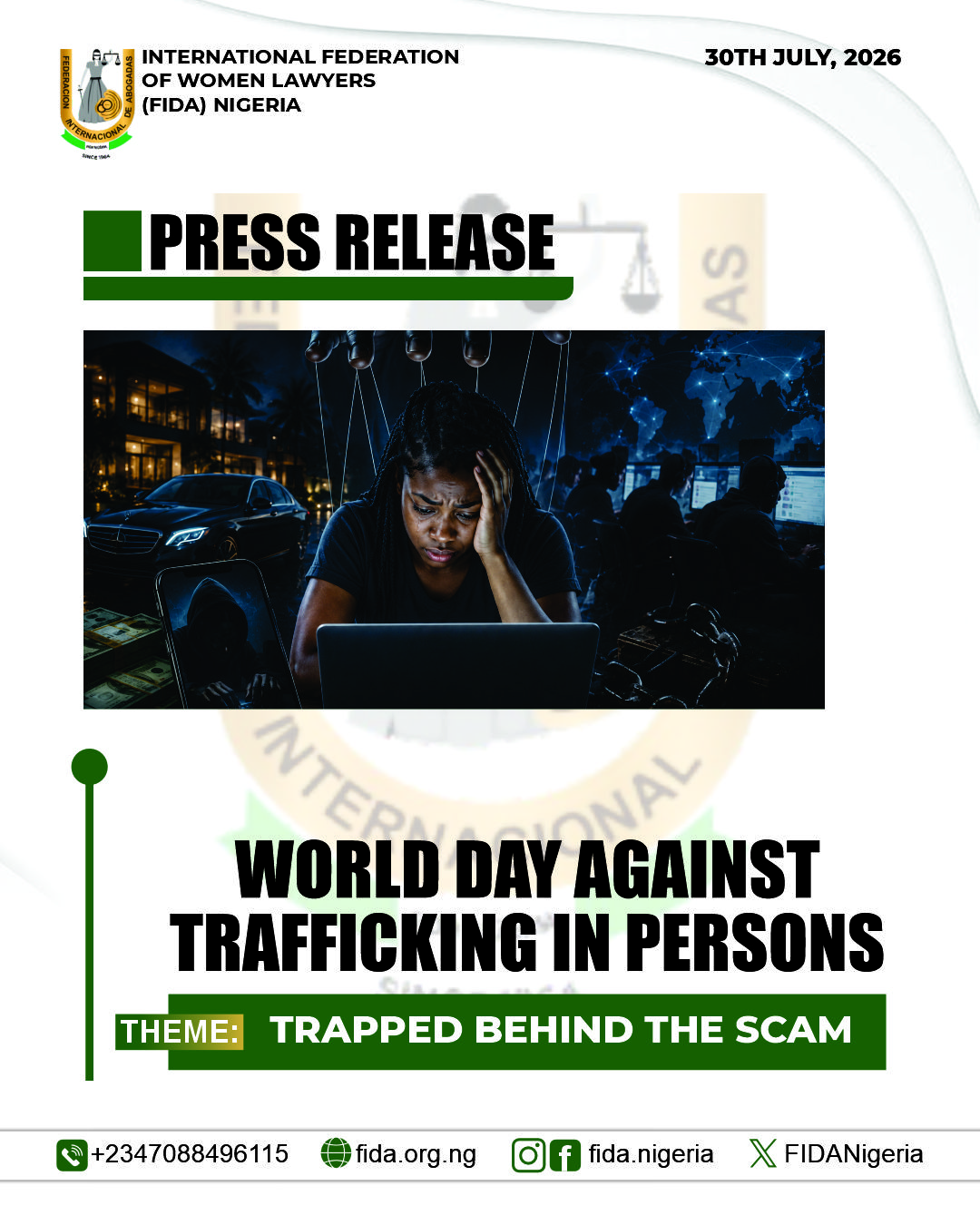
This year’s theme, “Trapped Behind the Scam,” shines a light on a growing problem. Many victims are tricked into taking part in online financial crimes against their will. From the outside, they may look like criminals, but in reality, they are victims who have been deceived, threatened, and forced into these activities.
At FIDA Nigeria, we believe this entrapment is not only a serious human rights abuse, but also a threat to justice. People who are forced into crime should be recognised as victims, while those who recruit, control, and profit from them should be held responsible.
Around the world, criminal groups are using technology to target vulnerable people. They lure victims with fake employment, investment opportunities, scholarship offers, romantic relationships, or promises of a better life abroad.
Once victims are trapped, they may be forced into money laundering, or to run online scams, move stolen money, create fake financial accounts, steal personal information, or recruit other victims. Many are threatened, abused, watched constantly, have their identity documents taken away, or are trapped by debts they can never repay.
Too often, when the authorities step in, these victims are arrested and treated like criminals instead of being identified as people who were forced into these acts.
Nigeria has laws that make human trafficking a crime and provide protection and support for victims. These laws are meant to ensure that traffickers are investigated and punished while survivors receive the help they need to recover and rebuild their lives.
FIDA Nigeria believes one principle must always guide the response: cases of people who unknowingly were forced into criminal activities because they were trafficked should be properly investigated before any form of punishment is meted out for such actions. Most victims should not be prosecuted, but rather, should be shielded and protected. Because the real criminals are the people who planned, organised, and fully benefited from the exploitation.
This form of trafficking is becoming more complex. It is closely linked to cybercrime, financial fraud, identity theft, corruption, and organised crime. Criminal groups continue to adapt by using new technologies while taking advantage of poverty, unemployment, conflict, displacement, and people’s hopes for better opportunities.
Women and girls remain especially at risk. Many are forced to operate fake online accounts, help move stolen money, take part in investment scams, or recruit other victims after being threatened with harm to themselves or their families.
Children and young people are also increasingly being targeted through social media and online platforms that appear genuine and trustworthy.
Every person deserves to be treated with dignity. Human trafficking strips people of that dignity by turning them into tools for making money through crime. Protecting victims and bringing traffickers to justice is both a legal duty and a moral responsibility.
FIDA Nigeria is calling for stronger action to ensure victims are identified early and treated with care throughout the justice process. Police officers, investigators, prosecutors, and judges need better training to recognise when someone involved in cybercrime or financial fraud may actually be a victim of trafficking.
Investigations should focus on breaking up the criminal networks behind these crimes instead of concentrating only on those who were forced to carry them out.
We also call for closer cooperation among agencies such as NAPTIP, the Nigeria Police Force, the EFCC, the Nigeria Immigration Service, the courts, prosecutors, and financial intelligence agencies. Because these crimes often cross national borders, countries must work together to share information, trace illegal money, recover stolen assets, and bring traffickers to justice.
Survivors need more than rescue. They should have access to legal support, counselling, protection, compensation, rehabilitation, and opportunities to rebuild their lives safely and with dignity.
For many years, FIDA Nigeria has worked to protect the rights of women, children, and other vulnerable people through free legal services, advocacy, public education, and law reform. We remain committed to working with government agencies, civil society organisations, the legal profession, and international partners to strengthen justice and ensure survivors receive the protection and support they deserve.
Human traffickers continue to change the way they operate. Nigeria’s response must change even faster.
People who are forced into criminal activities deserve protection—not punishment. Those who deceive, exploit, threaten, and profit from human trafficking must face the full force of the law.
FIDA Nigeria will continue to advocate for stronger laws, better partnerships, and a justice system that puts survivors first until this becomes a reality.
Signed
FIDA Nigeria
30 July 2026
 by FIDA
FIDA Nigeria Celebrates Mrs. Oyinkansola Badejo-Okusanya, SAN, as the President Elect of the Nigerian Bar Association
The International Federation of Women Lawyers (FIDA Nigeria) warmly congratulates Mrs. Oyinkansola Badejo-Okusanya, SAN, on her election as the *33rd President of the Nigerian Bar Association (NBA)**.
Your election stands as a remarkable achievement and reflects the confidence of the legal profession in your distinguished record and unwavering committment to professional excellence.
It is a defining milestone for the NBA and a powerful affirmation of the growing impact of women in leadership within the legal profession.
Your emergence as NBA President will inspire women and young lawyers across Nigeria, reinforcing that excellence, competence, and dedication remain the foundation of true leadership.
FIDA Nigeria is confident that your tenure will strengthen the NBA’s commitment to the rule of law.
We also look forward to working with your administration to advance our shared commitment to justice, equity, inclusion, and the protection of fundamental rights.
Signed
FIDA Nigeria
The International Federation of Women Lawyers (Nigeria)
 by FIDA
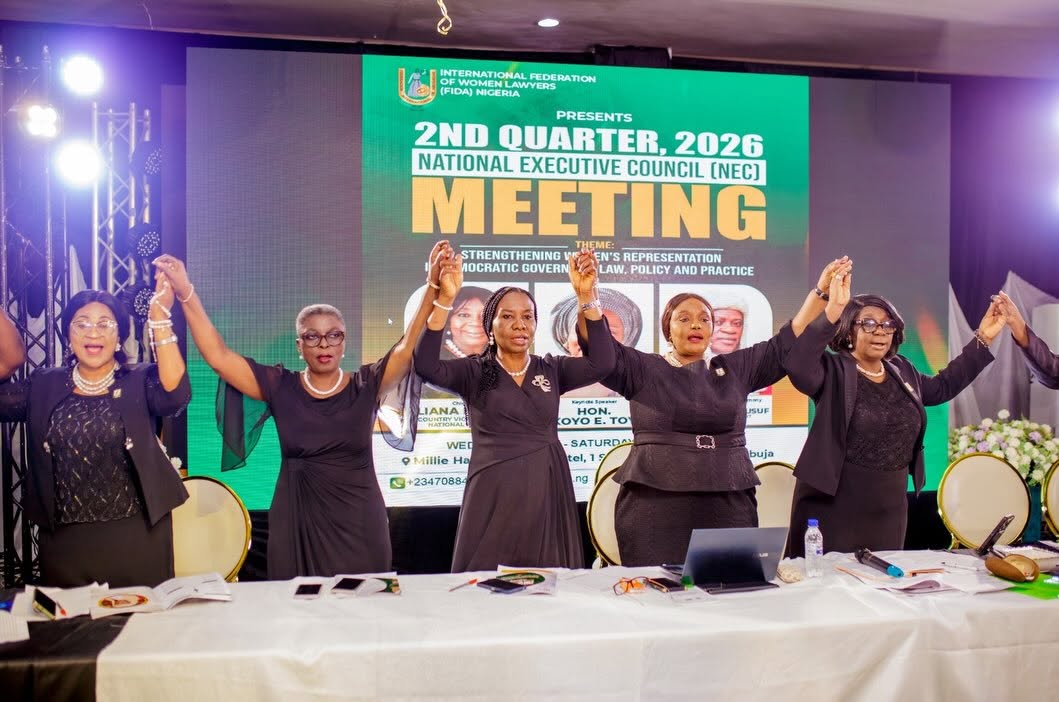
From Deliberation to Action: FIDA Nigeria Concludes Q2 2026 NEC Meeting with Renewed Commitment
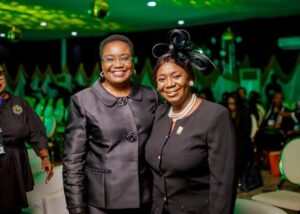
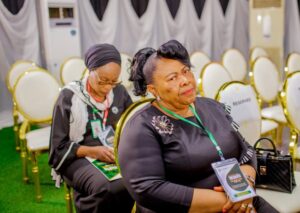
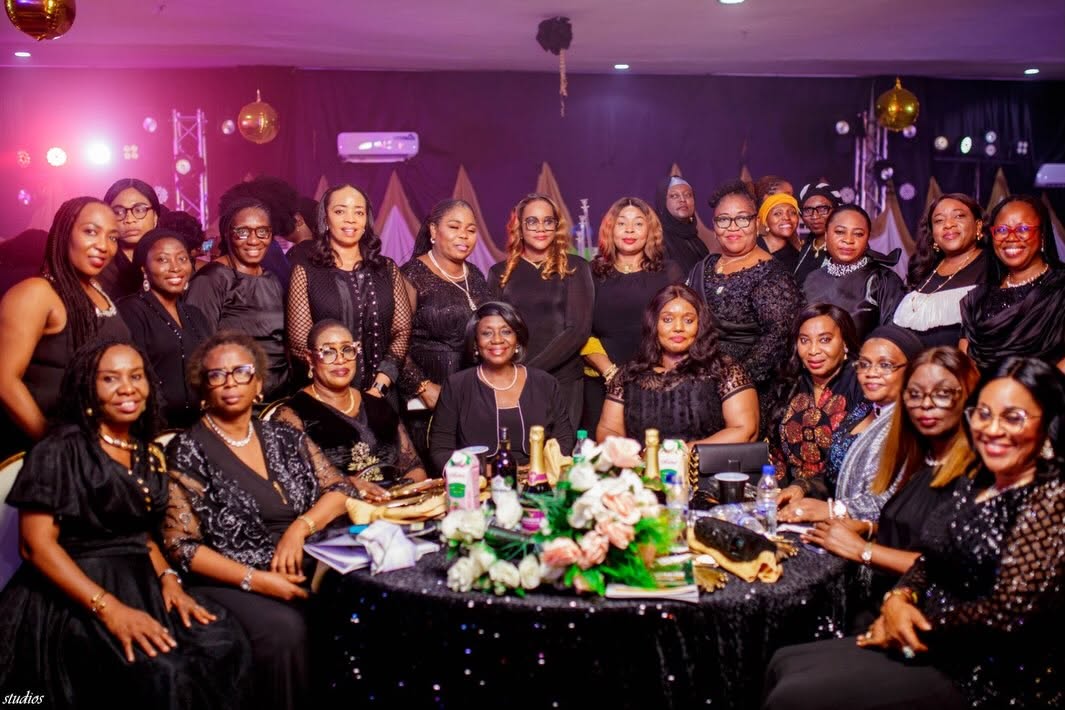
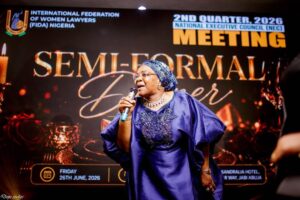
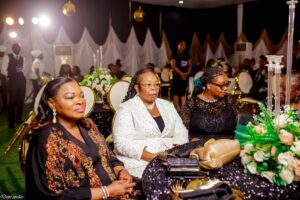
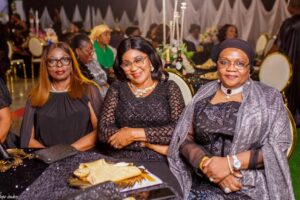
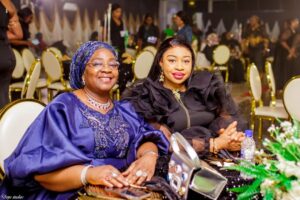
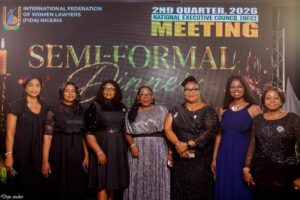
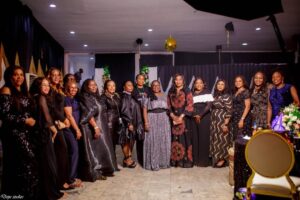
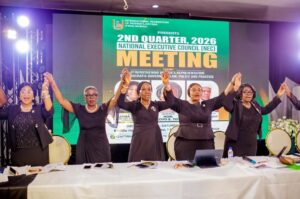
After days of National Executive Council meetings in Abuja, FIDA Nigeria members sat down for a semi-formal dinner—not to close a chapter, but to look ahead to what comes next.
Addressing members, the Country Vice President, Mrs. Eliana Martins, challenged every branch to return home renewed in purpose and united in vision. Her message was clear: the decisions made in Abuja must translate into stronger legal aid, bolder advocacy, and greater protection for the rights of women, children, and other vulnerable persons across Nigeria.
That is where the real measure of this gathering begins.
Every conversation. Every resolution. Every commitment now belongs in our communities, our courts, and every space where justice is needed.
The next quarter starts now.
#FIDANigeria #NEC2026











 by FIDA
Turning Strategy into Impact: FIDA Nigeria Reviews Progress on Its 2026–2031 Strategic Plan
Plans only matter when they change lives.
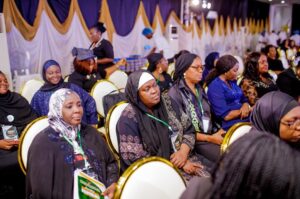
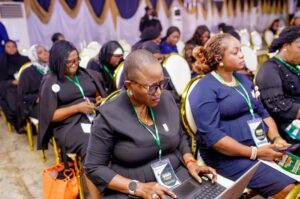
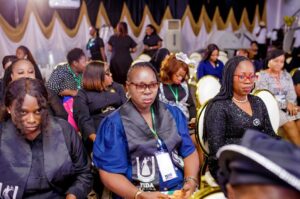
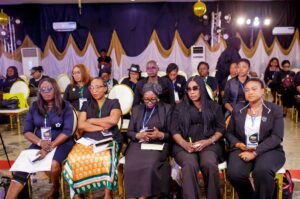
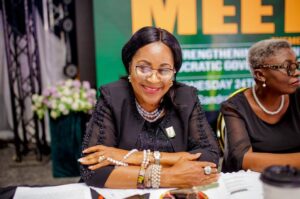
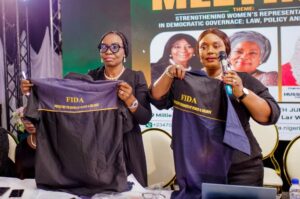
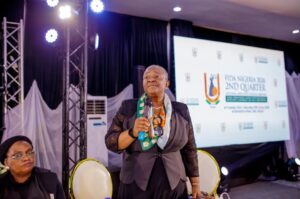
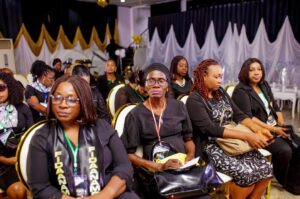
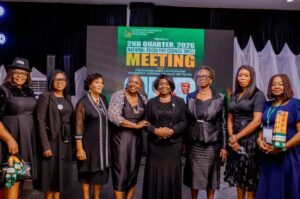
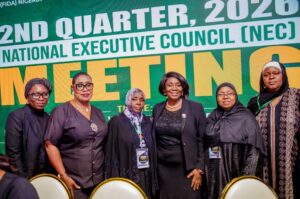
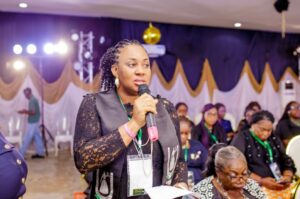
At FIDA Nigeria’s 2nd Quarter NEC Meeting 2026, members assessed the implementation of the 2026–2031 Strategic Plan and confronted a simple question: How do we reach more women and children who need justice now?
The answer includes stronger shelter services, practical support for survivors, and legal aid that doesn’t stop at the courtroom.
#FIDANigeria #NECMeeting2026




 by FIDA
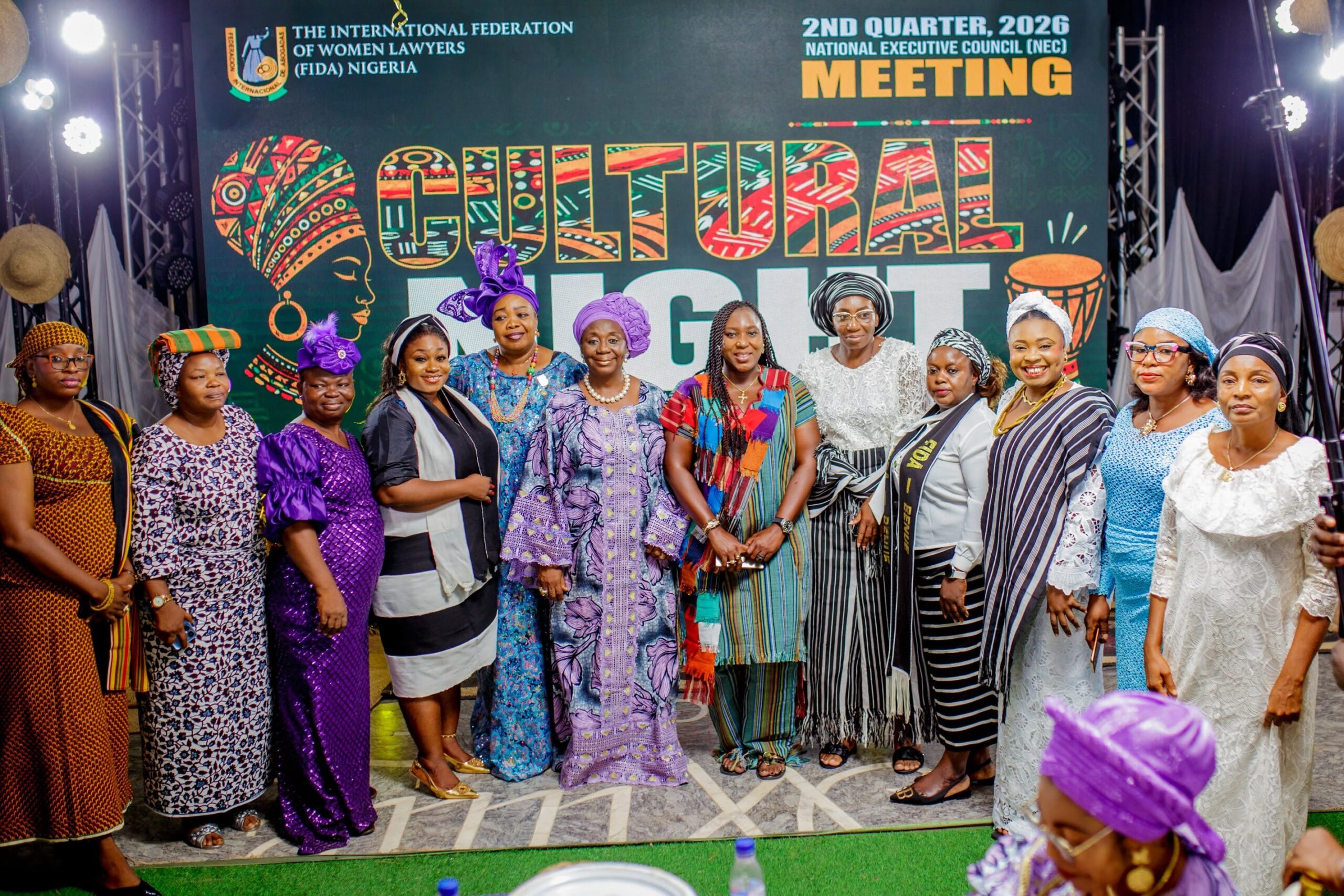
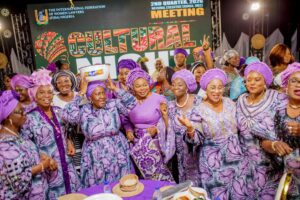
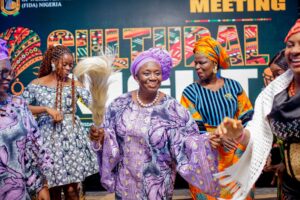
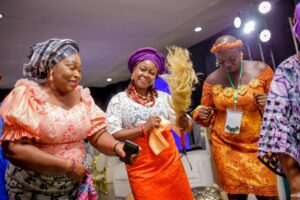
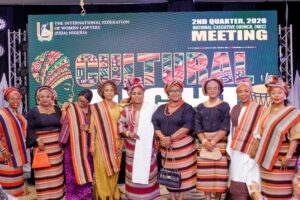
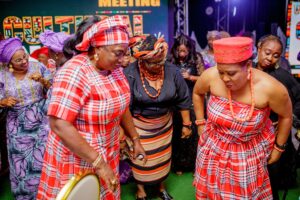
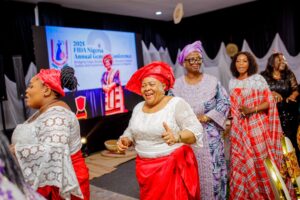
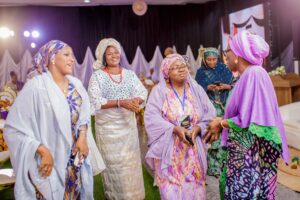
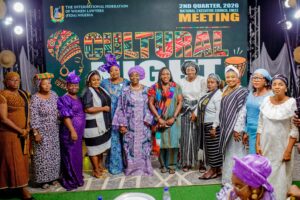
FIDA Nigeria Celebrates Unity in Diversity at Q2 2026 NEC Cultural Night
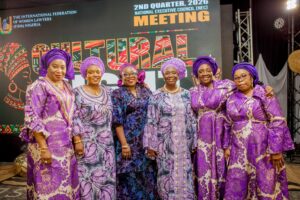
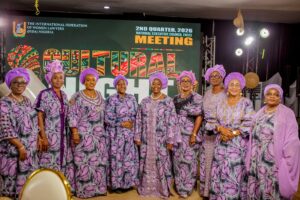
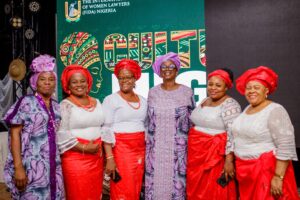
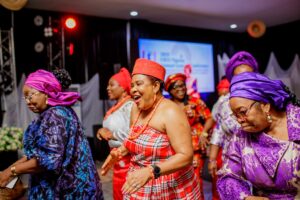
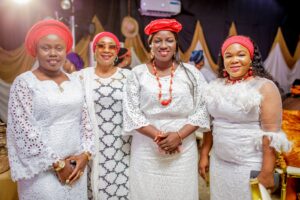
Nigeria’s diversity was on full display at the FIDA Nigeria 2026 Second Quarter NEC Cultural Night in Abuja, where members proudly celebrated the traditions and cultures that make our nation unique.
Dressed in colourful traditional attire and representing different ethnic backgrounds, members came together in a vibrant celebration of our shared heritage and common purpose.
As cultures met in celebration, so did a shared commitment to advancing the rights of women, children, and other vulnerable persons. It was a fitting reflection of an organization that draws strength from the many cultures and communities it represents.
Our differences do not divide us; they strengthen us. They bring fresh perspectives, stronger partnerships, and a shared resolve to keep building a more just and inclusive Nigeria.
#FIDANigeria #NEC2026 #CulturalNight #UnityInDiversity #WomensRights


 by FIDA
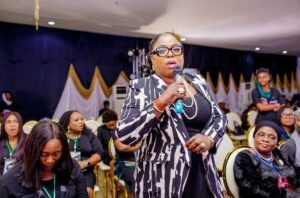
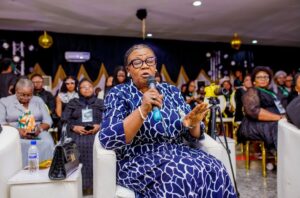
Building an Inclusive Democracy: FIDA Nigeria’s CLE Session Advances Women’s Representation in Governance
What does it take to build a democracy where women don’t just vote—but help shape the decisions that govern everyone?
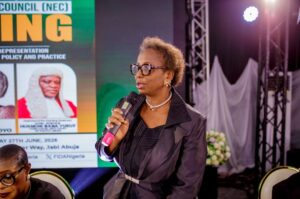
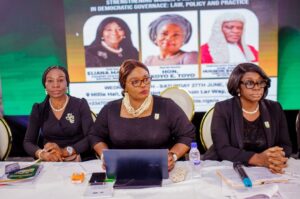
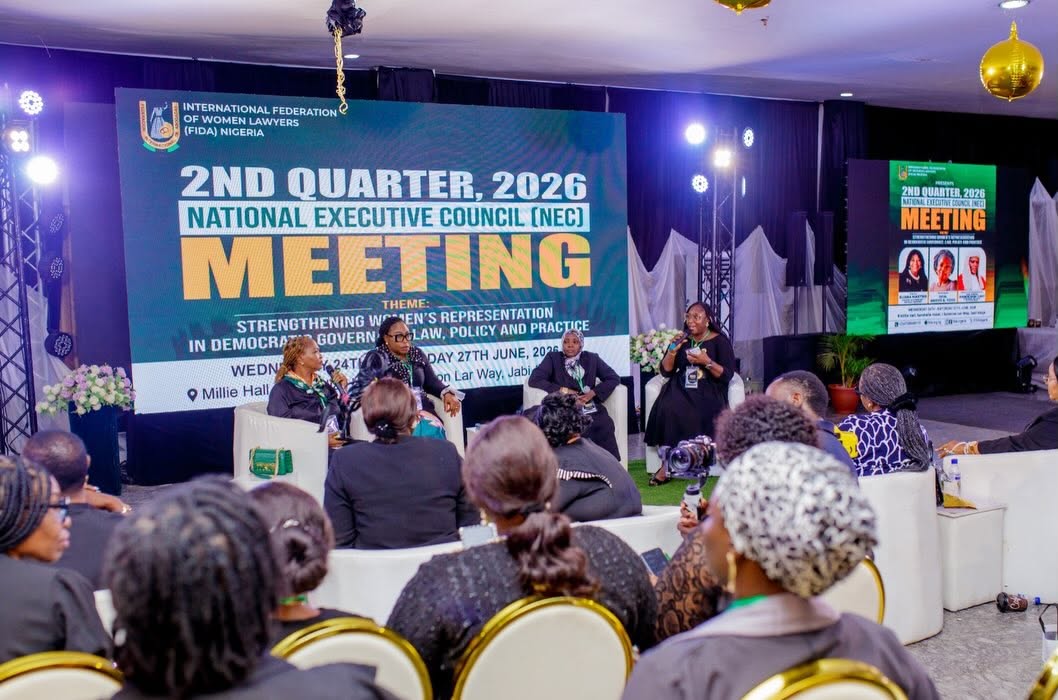
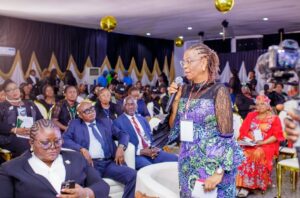
That question was at the heart of the Continuing Legal Education (CLE) Session at FIDA Nigeria’s 2nd Quarter NEC Meeting 2026, which focused on “Strengthening Women’s Representation in Democratic Governance: Law, Policy and Practice.”
Moderated by Dr. Ozioma Izuora, the session brought together Dr. Boma Tonye Miebai, Zainab Bello Aliyu, and Oluwakemi Omeiza-Usman for a candid conversation on breaking systemic barriers, strengthening legal and policy frameworks, and creating real pathways for more women to participate in leadership and governance.
The message was unmistakable: meaningful representation doesn’t happen by chance. It requires deliberate laws, bold policy reforms, sustained advocacy, and collective action.
Because when women help shape decisions, democracy becomes more inclusive, more responsive, and stronger for everyone.
What practical steps do you believe Nigeria must take to ensure more women lead where it matters most?
#FIDANigeria #NECMeeting2026









 by FIDA
FIDA Nigeria Opens Q2 2026 NEC Meeting with Call to Strengthen Women’s Representation in Democratic Governance
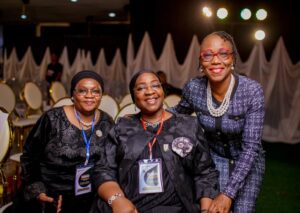
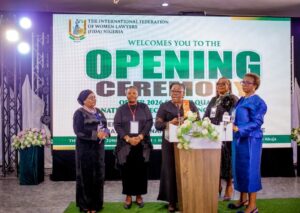
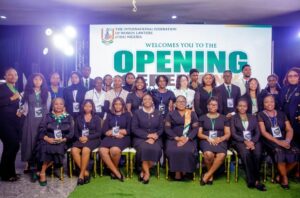
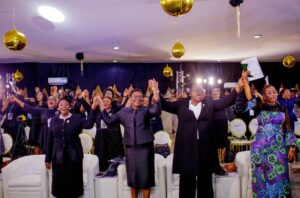
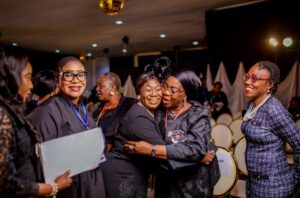
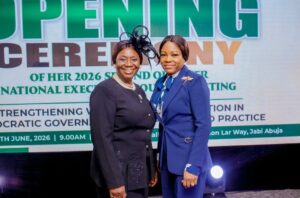
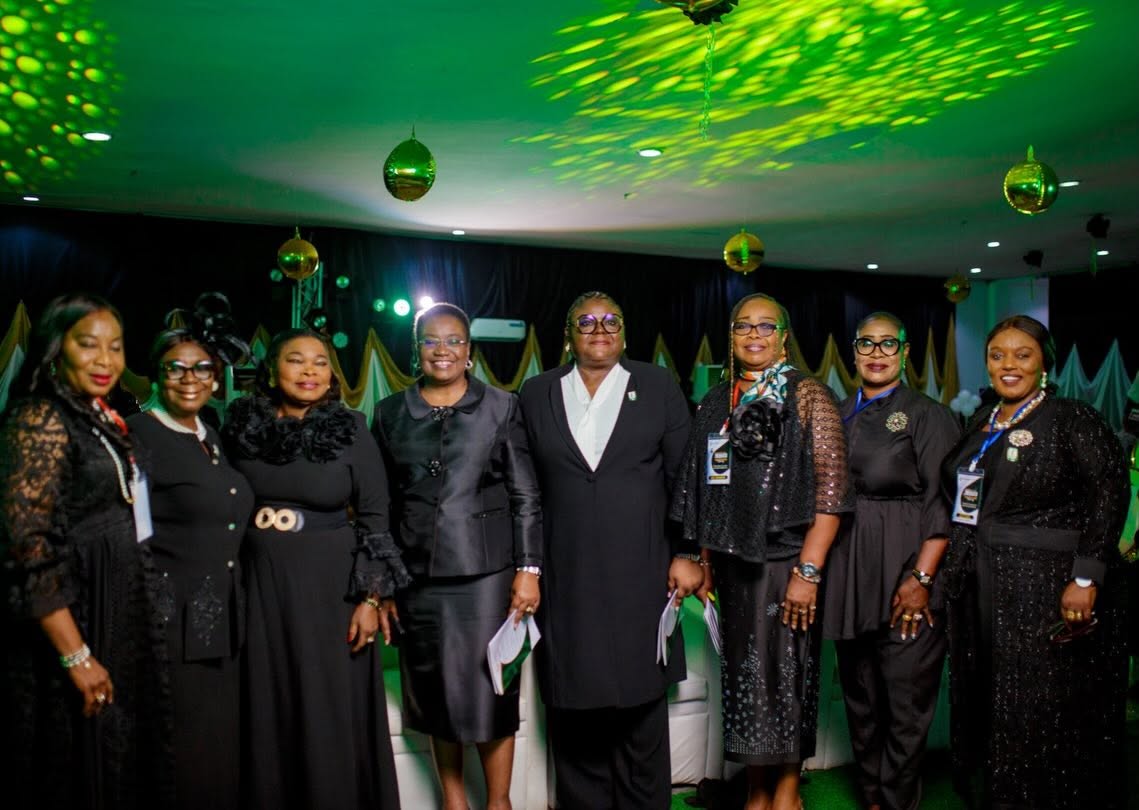
The Opening Ceremony of the FIDA Nigeria Second Quarter 2026 National Executive Council (NEC) Meeting opened an important conversation about the place of women in Nigeria’s democratic process—and what it will take to ensure they are fully represented where decisions are made.
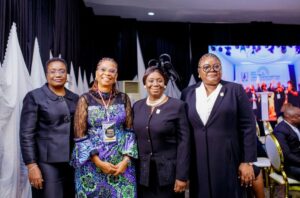
Held under the theme, “Strengthening Women’s Representation in Democratic Governance: Law, Policy and Practice,” the ceremony brought together members of the judiciary, legal practitioners, development partners and other stakeholders committed to advancing reforms that strengthen women’s participation in governance.
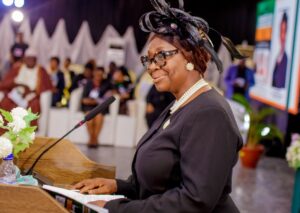
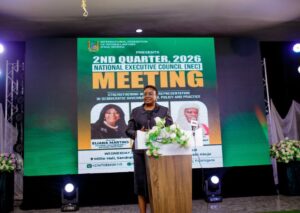
In her welcome address, FIDA Nigeria’s Country Vice President/National President, Mrs. Eliana Martins, reaffirmed the Association’s commitment to promoting legal, institutional and policy reforms that expand opportunities for women to participate in leadership and public decision-making.
Delivering the keynote address, Hon. Amb. Nkoyo Esu Toyo called for sustained legislative reforms, stronger institutions and coordinated action to address the barriers that continue to limit women’s political participation in Nigeria.
The ceremony was graced by the Chairman, Hon. Justice Husseini Baba Yusuf, Chief Judge of the High Court of the Federal Capital Territory; Her Excellency, Hon. Justice Suzette Eberechi Nyesom Wike, JCA, Matron of FIDA Abuja Branch; Mrs. Ezinwa Okoroafor, FIDA International President; Mr. Jibrin Samuel Okutepa, SAN, Patron of FIDA Abuja Branch; Ms. Ebere Ifendu, President of the Women in Politics Forum; CP Ahmed Muhammed Sanusi, PhD, Commissioner of Police, FCT Command; alongside other distinguished guests whose presence underscored the importance of advancing inclusive governance.
Women’s representation is not simply about increasing numbers. It is about ensuring that the policies and decisions shaping Nigeria reflect the experiences, perspectives and aspirations of all its people.
#FIDANigeria