
 by FIDA
VACANCY ANNOUNCEMENT: Grants Mobilization, Partnerships & External Relations Officer
The International Federation of Women Lawyers (FIDA) Nigeria is a non-governmental, non-profit and non-political organization committed to the promotion and protection of the rights of women and children through legal aid, advocacy, capacity building and institutional strengthening.
Location: National Secretariat, Abuja
The successful candidate will play a key role in supporting the organization’s resource mobilization efforts through grant writing, proposal development and partnership expansion and management, while also serving as a strategic liaison between FIDA Nigeria and key institutional stakeholders, including the Judiciary and her organs/components.
Key Responsibilities
Grant Mobilization
• Initiate the development of high-quality grant proposals, concept notes and funding applications to bilateral and multilateral donors, foundations and development partners.
• Identify and track funding opportunities aligned with FIDA Nigeria’s strategic priorities.
• Initiate proposal development processes, including technical inputs, budgeting and submission timeline
• Contribute to the development of institutional resource mobilization strategies.
• Initiate the development of organization resource mobilization framework
• Expand and strengthen organization resource mobilization policy and procedures
• Conduct donor landscape mapping to understand donors’ funding areas, themes, and future priorities
• Align fundraising efforts with the organization’s overall mission and long-term goals.
• Initiate organization fundraising diversification and funding policy
• Conduct industry mapping – to understand other organizations’ funding models, donors, areas of work, and competitive advantages
• Initiate the development of organization capacity statement
• Attend Call for Proposal and bid meetings
Partnerships & External Relations
• Manage and strengthen existing strategic partnerships with development partners, civil society organizations and institutional stakeholders.
• Initiate the development of a Partnership Policy and tools
• Conduct Partnership mapping to identify new strategic partners
• Serve as a key liaison between FIDA Nigeria and the Judiciary and relevant organs, facilitating communication, collaboration and coordination on initiatives that strengthen access to justice for women and children.
• Support the development and implementation of partnership engagement strategies to enhance institutional collaboration.
• Maintain relationships with existing donors and partners while identifying opportunities for new partnerships.
• Support the preparation of partnership briefs, reports and presentations for stakeholders and partners.
• Contribute to the development of institutional resource mobilization strategies.
• Contribute to the development of partnership strategies, action plans, and reporting mechanisms.
• Represent FIDA Nigeria in relevant stakeholder meetings, consultations and engagement platforms where required.
Qualifications and Experience
• Bachelor’s degree in Law or a related field. A postgraduate degree will be an added advantage.
• Minimum of 3-5 years of relevant professional experience in grant writing, proposal development, partnership management or resource mobilization within a non-profit, development or advocacy organization.
• Evidence of work with relevant actors in the Judiciary as an institution
• Proven experience developing successful grant proposals and managing donor relationships.
• Strong understanding of donor funding mechanisms, development programming and partnership engagement.
• An excellent demonstration of working experience with government institutions, judicial bodies or policy stakeholders is highly desirable.
• Excellent written and verbal communication skills with strong proposal and report writing abilities.
• Strong interpersonal and relationship management skills.
• High level of professionalism, discretion and organizational ability.
• Ability to work independently, manage multiple priorities and meet deadlines in a fast-paced environment.
Reporting Line
The Grants Mobilization, Partnerships and External Relations Officer will work under the direct supervision of the Senior Manager and provide support to the Programs and Partnership Department.
Application Process
Interested and qualified candidates should submit the following:
• A detailed Curriculum Vitae (CV)
• A cover letter highlighting relevant experience and suitability for the role
Applications should be sent via email to: hr@fida.org.ng with the subject line “Application – Grants & Partnerships Officer.”
Only shortlisted candidates will be contacted.
Females are strongly encouraged to apply!
 by FIDA
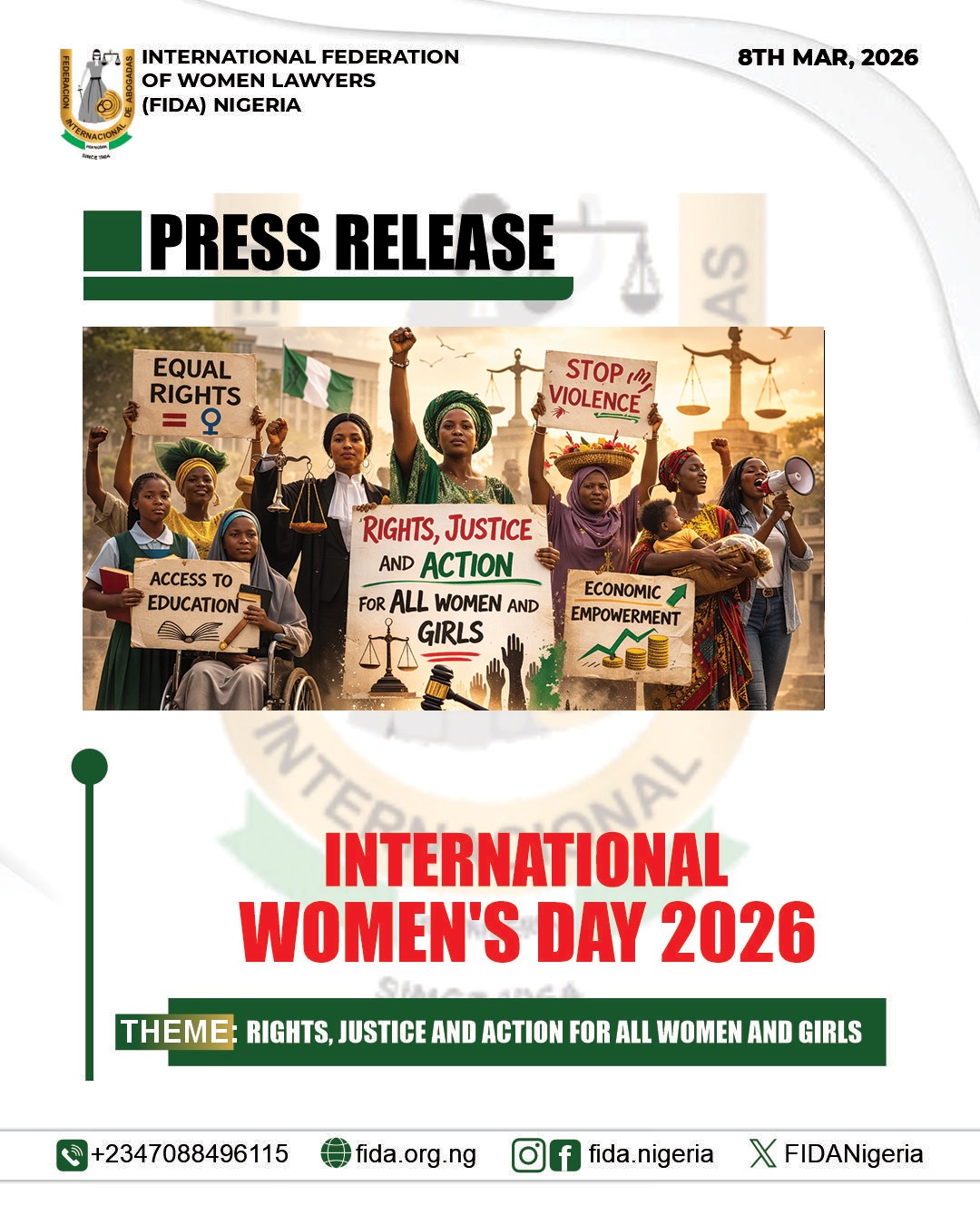
International Women’s Day 2026 Theme: Rights, Justice and Action for All Women and Girls
Every day in Nigeria, a woman seeks protection and is told to wait. A girl reports abuse and is advised to remain silent. A survivor enters a courtroom carrying both trauma and hope, uncertain which one will leave with her.
On International Women’s Day 2026, the International Federation of Women Lawyers (FIDA) Nigeria celebrates the resilience, strength, and courage of women and girls across the nation. At the same time, we renew our call for a justice system and a society that do not ask women to endure in silence while institutions move at the pace of bureaucracy.
This year’s theme, Rights, Justice and Action for All Women and Girls, is not a ceremonial declaration. It is a call for enforcement, accountability, and measurable progress.
Justice must not depend on geography, income, ethnicity, disability, or social status. It must be accessible to all without discrimination.
Survivors of gender-based violence deserve timely investigations, diligent prosecution, and enforceable judgments. When cases stall, when accountability is inconsistent, and when stigma outweighs protection, the justice system fails those it was designed to defend.
Every woman and girl is entitled to dignity, safety, equality before the law, and meaningful participation in society. These are constitutional guarantees, not privileges granted by culture or circumstance. No woman should have to negotiate for protection, and no girl should inherit discrimination as her future.
Particular attention must be given to women and girls facing intersecting vulnerabilities, including women with disabilities, those in rural and conflict-affected communities, and economically marginalized populations. Reform that does not prioritize the most vulnerable remains incomplete.
Women and girls must not only be protected; they must also be heard. Their lived experiences expose systemic gaps, strengthen reform efforts, and enrich governance. Excluding women from decision-making or silencing survivors only perpetuates injustice.
FIDA Nigeria therefore calls for strengthened enforcement of gender-protective laws, reduced procedural delays within the justice system, expanded access to free legal aid and survivor support services, gender-responsive budgeting, transparent monitoring mechanisms, and sustained public education to challenge harmful stereotypes and discriminatory norms.
Declarations without implementation weaken public trust.
Transforming outcomes requires transforming attitudes. Families, schools, faith institutions, traditional authorities, media platforms, government agencies, civil society, and the private sector all share responsibility for dismantling discrimination and safeguarding rights.
When women and girls cannot access justice, the rule of law weakens. When violence goes unpunished, public confidence erodes. When inequality persists, national development slows. A nation that cannot protect its women cannot claim institutional strength.
As the Country Vice President of FIDA Nigeria stated:
“International Women’s Day must not be reduced to celebration while many women continue to navigate broken systems. Justice must move at the speed of urgency, not bureaucracy.”
As Nigeria advances broader institutional reform efforts, including within the justice sector, FIDA Nigeria remains steadfast in expanding free legal aid, advancing strategic litigation, strengthening policy advocacy, and closing enforcement gaps nationwide.
International Women’s Day 2026 must mark visible progress.
Rights must be protected.
Justice must be delivered.
Action must be sustained.
We also call on individuals, communities, and institutions to support women and girls in practical ways — by empowering them to thrive, extending care to those in need, and investing in initiatives that advance their safety, dignity, and opportunity.
Happy International Women’s Day.
Signed:
Elina Martins
Country Vice President
FIDA Nigeria
Chineze Obianyo
National Publicity Secretary
FIDA Nigeria
 by FIDA
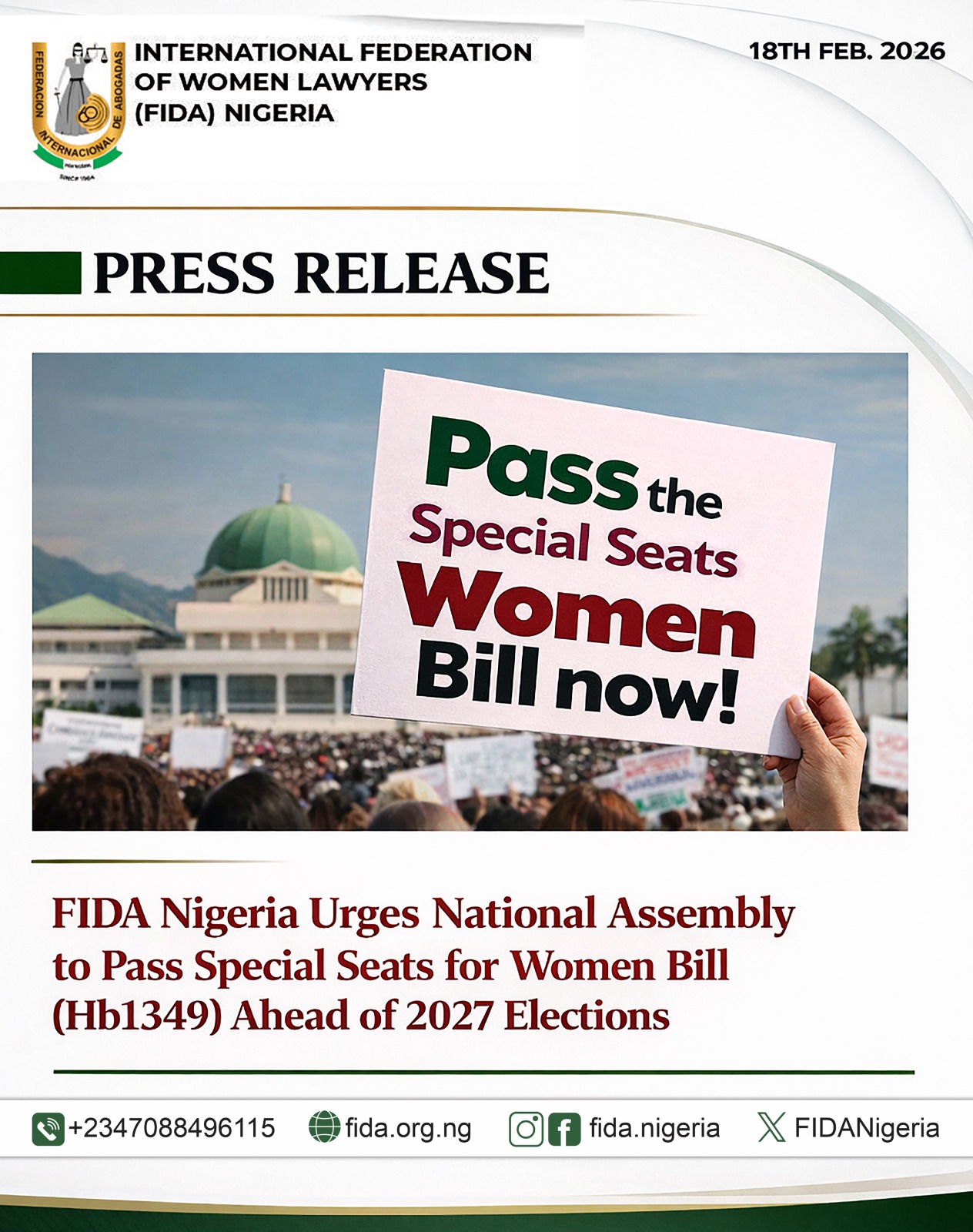
FIDA Nigeria Urges National Assembly to Pass Special Seats for Women Bill (HB1349) Ahead of 2027 Elections
FIDA Nigeria Urges National Assembly to Pass Special Seats for Women Bill (HB1349) Ahead of 2027 Elections
Abuja, Nigeria — The International Federation of Women Lawyers (FIDA) Nigeria has called on the National Assembly to urgently fix a voting date and pass the Special Seats for Women Bill (HB1349), describing the continued underrepresentation of women in Nigeria’s legislative chambers as a major democratic deficit.
FIDA Nigeria is mobilising nationwide support alongside Nigerian women, women’s groups, civil society organisations, and gender champions to build strong public pressure for the Bill, which is among the 44 Constitution Alteration Bills currently under consideration in the ongoing review of the 1999 Constitution (as amended).
Speaking on the matter, the Country Vice President/National President of FIDA Nigeria, Mrs. Eliana Martins, emphasised that inclusive governance is not a favour to women, but a constitutional and developmental necessity.
“No democracy can be called representative when women remain spectators in lawmaking. Women are not asking for favours — they are demanding fairness,” she stated.
Mrs. Martins noted that the passage of the Special Seats for Women Bill offers a practical and long-term solution to Nigeria’s persistently low number of women in legislative decision-making.
She explained that the Bill will significantly improve women’s representation by providing:
6 additional seats in the Senate,
74 additional seats at the National Assembly level, and
108 additional seats across State Houses of Assembly.
According to her, these measures will strengthen inclusive governance and ensure that national policies reflect the realities, needs, and aspirations of all Nigerians — not just a fraction of the population.
Mrs. Martins therefore urged Nigerian women, women’s rights groups, civil society, and well-meaning Nigerians to intensify advocacy and demand the immediate passage of the Bill.
She also called on lawmakers to act without delay, warning that failure to pass the Bill early could undermine timely implementation ahead of the 2027 general election.
FIDA Nigeria reaffirms that Nigeria cannot keep building democracy with one hand tied behind its back. The time for symbolic support is over — the time for legislative action is now.
God bless the Federal Republic of Nigeria.
God bless FIDA Nigeria.
Eliana Martins (Mrs.)
Country Vice President / National President
FIDA Nigeria
 by FIDA
Leading with Purpose: FIDA Nigeria Strengthens Ethical Leadership Across Five Training Hubs
Leading with Purpose: FIDA Nigeria Strengthens Ethical Leadership Across Five Training Hubs
Leadership is not only about holding a position—it is about holding a purpose.
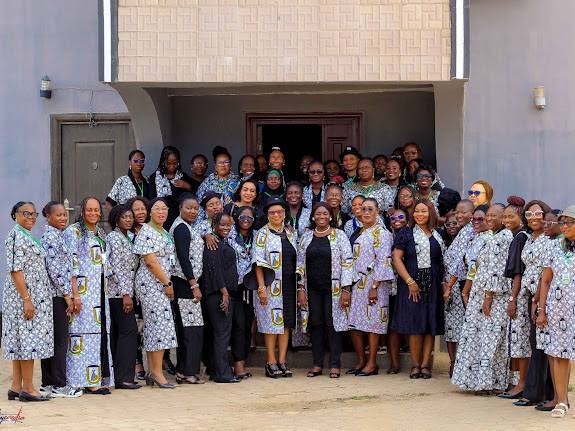
In a time when institutions are increasingly tested by shifting realities, public expectations, and evolving social challenges, FIDA Nigeria continues to demonstrate that strong organizations are built by leaders who are ethical, resilient, and intentional. It was in this spirit that the International Federation of Women Lawyers (FIDA Nigeria) successfully convened its Annual Zonal Leadership Training themed “Leading with Purpose: Building Ethical, Resilient and Influential Leaders for Sustainable Impact.”
To ensure inclusion, accessibility, and robust participation, the leadership training was conducted across five strategic locations, bringing members together within their respective zones for an intensive learning and leadership-building experience. The training locations were Owerri (Imo State), Asaba (Delta State), Oshogbo (Osun State), Yola (Adamawa State), and Kaduna (Kaduna State). The programme took place within the period of Thursday 5th to Sunday 8th February, 2026, with structured arrival and onboarding on the first day, two days of intensive training sessions, and departures on the final day.
Across all training hubs, sessions commenced with formal opening procedures including the rendition of the National Anthem, FIDA Anthem, and Women’s Anthem, followed by welcome remarks, introductions, and guidance on training expectations. A key strength of the programme was its deliberate focus on measurable outcomes. Participants completed pre-evaluation and post-evaluation assessments, reinforcing FIDA Nigeria’s commitment to continuous learning, accountability, and evidence-based capacity development.
The training was delivered through a structured blend of expert presentations, scenario-based learning, interactive discussions, and group work exercises. This approach ensured that participants not only gained knowledge but also developed the confidence and clarity required to apply leadership principles directly within branch operations. Participants were trained on managing change and strengthening organizational development as leaders, while also deepening their understanding of attaining FIDA’s objectives through legal frameworks such as litigation, mediation, advocacy, sensitization, law review, and reform.
The programme further strengthened participants’ capacity in operational effectiveness, with sessions focused on practical tools for achieving FIDA Nigeria’s mandate, including office systems, personnel management, resource coordination, digital platforms, and IT. Participants also engaged in discussions on FIDA Nigeria’s core values and financial ethics, highlighting the importance of integrity, transparency, and accountability in leadership and branch administration.
In addition, the training provided strong learning on leadership resilience, creative thinking, innovation, and the role of empathy in strengthening influence and team performance. Sessions also addressed communication as a critical leadership tool, as well as succession planning to ensure continuity, stability, and sustained impact within branches.
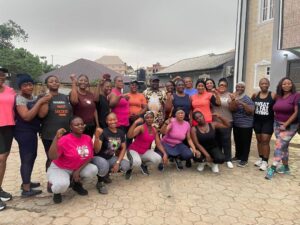
Beyond the classroom, the leadership training created room for deeper connection and collaboration. Participants across locations engaged in wellness activities such as aerobics, networking opportunities, and shared reflections, strengthening unity and reinforcing the collective commitment that drives FIDA Nigeria’s work nationwide.
FIDA Nigeria’s Annual Zonal Leadership Training 2026 stands as a reaffirmation of the organization’s commitment to building leaders who are principled, prepared, and purpose-driven. By strengthening leadership capacity across the zones, FIDA Nigeria continues to invest in the people who carry the organization’s mission forward—leaders who can uphold ethical standards, respond to challenges with resilience, and deliver sustainable impact within communities.
Because when leaders lead with purpose, impact is not only possible—it becomes inevitable.
GALLERY
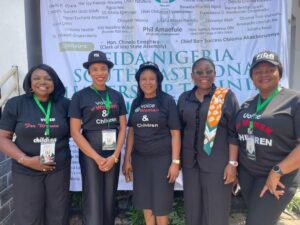
FIDA Nigeria Southwest leadership training hosted by Osun state branch.
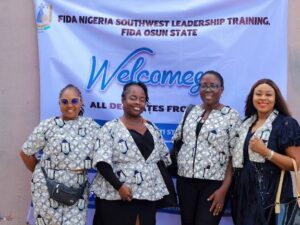
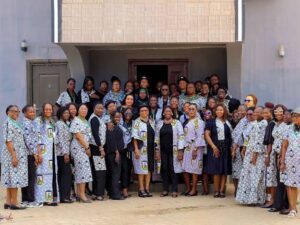
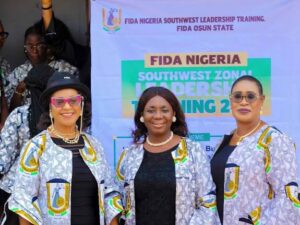
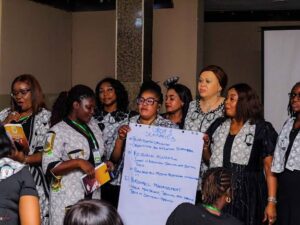



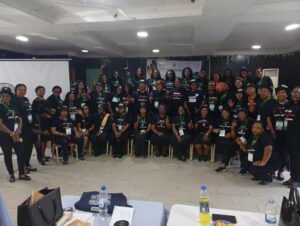
FIDA Nigeria North central/North west leadership training hosted by Kaduna State branch


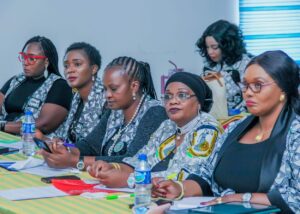
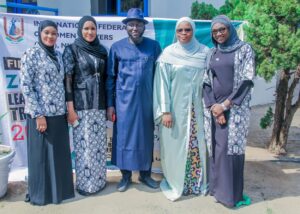
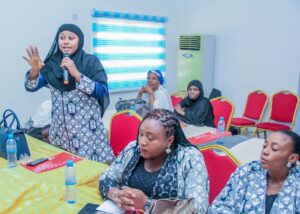
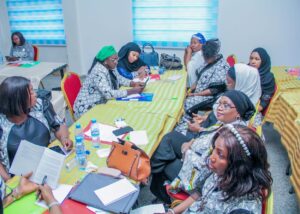
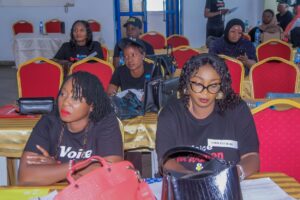
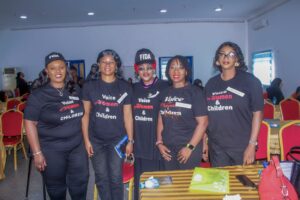


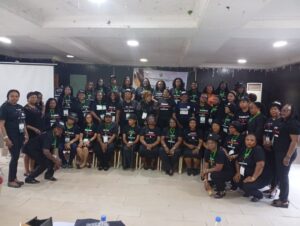
FIDA Nigeria South-South leadership training hosted by Delta State branch
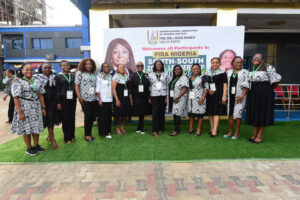

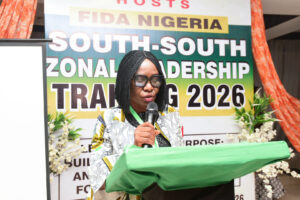
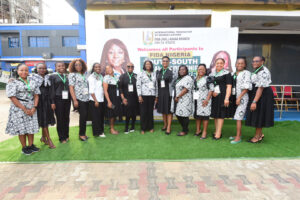
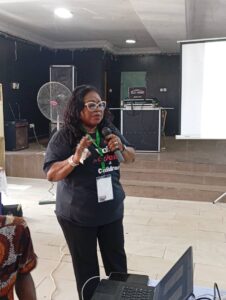
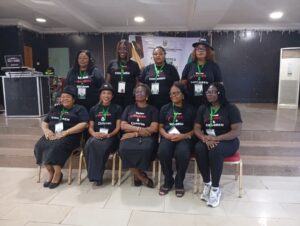
FIDA Nigeria Southeast leadership training hosted by Anambra State Branch 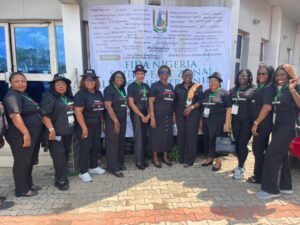
 by FIDA
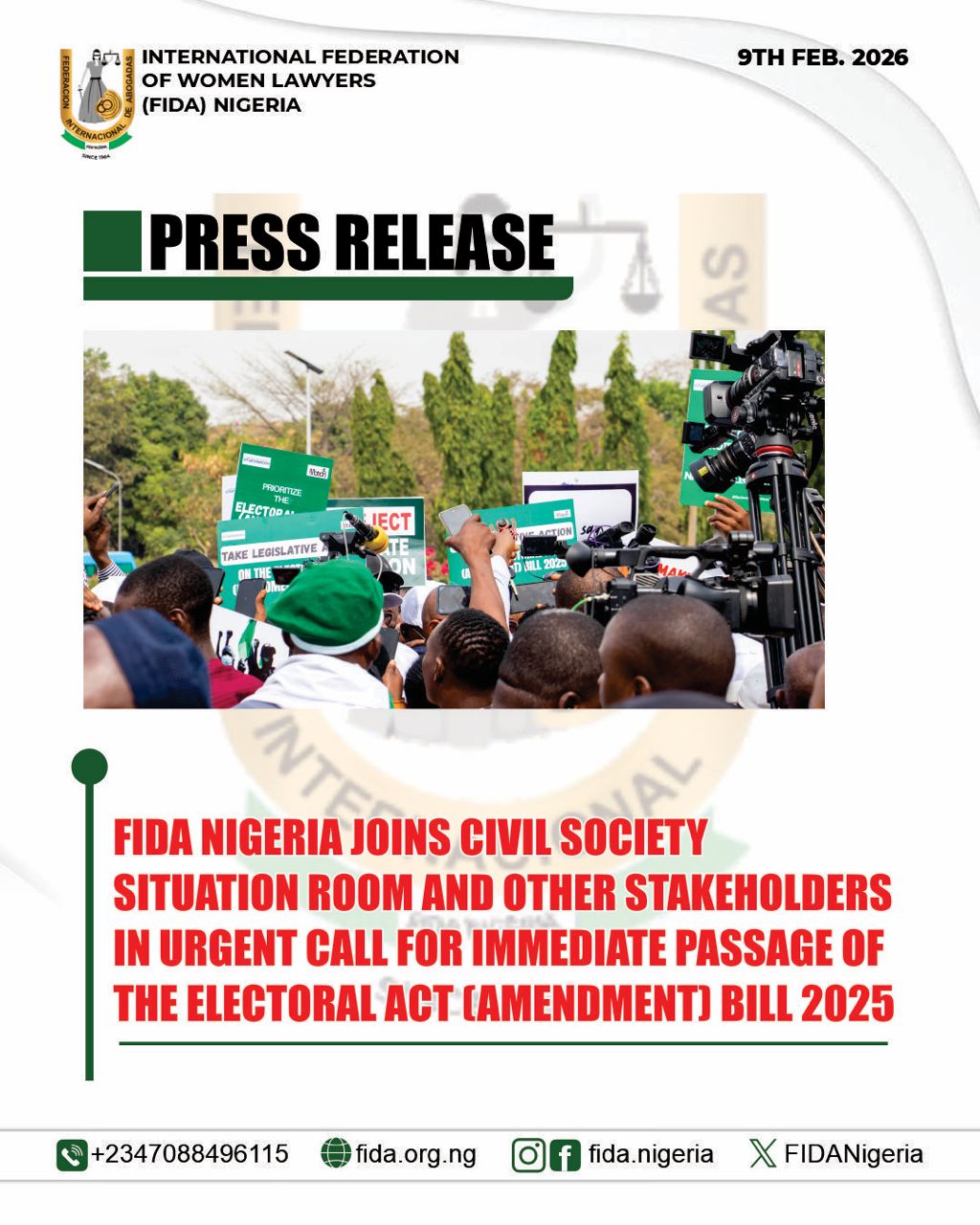
FIDA Nigeria Joins Civil Society Situation Room and Other Stakeholders in Urgent Call for Immediate Passage of the Electoral Act (Amendment) Bill 2025
1.0 Introduction
The credibility of Nigeria’s 2027 General Elections is already under threat — not from voters, not from INEC, but from legislative delay.
The International Federation of Women Lawyers (FIDA Nigeria) expresses deep concern and strong dismay over the continued delay by the National Assembly, particularly the Nigerian Senate, in concluding the legislative process on the Electoral Act (Amendment) Bill 2025, despite its passage by the Federal House of Representatives.
This delay is not only unjustifiable, but also dangerous. It undermines early and lawful preparations by Nigerians—especially women—who are already working assiduously to participate, contest, and represent their constituencies in the 2027 General Elections.
FIDA Nigeria reiterates that the Electoral Act (Amendment) Bill 2025 is designed to introduce critical reforms and provide clarity on ambiguities that have continued to plague Nigeria’s electoral process. Its passage will help prevent conflicting interpretations and inconsistent application of rules governing voter accreditation, result transmission, and collation procedures.
The Bill also seeks to address major deficiencies observed in recent elections, including clearer legal backing for electronic transmission of results, provisions for early voting, and tougher sanctions for electoral offences. Electoral integrity will therefore suffer significantly if this Bill is not passed timeously.
FIDA Nigeria recalls that the Federal House of Representatives completed legislative action on the Electoral Act (Amendment) Bill, passing it on 23 December 2025 after extensive deliberations. In contrast, the Senate has yet to discharge its constitutional responsibility on this priority legislation, despite public commitments made by the Joint Committees on Electoral Matters of both chambers to ensure passage of the Bill before the end of the year.
One of the most significant innovations contained in the Bill is the provision for electronic transmission of election results. This provision gives legal backing for electronic transmission of results to the INEC Election Results Viewing Portal (IREV), while still maintaining the manual process—ensuring both processes run concurrently.
If passed, this provision could significantly reduce result manipulation at polling units and during collation. It further gives legal weight to result sheets uploaded on INEC’s portal, making them credible evidence for confirming votes scored by parties or exposing electoral malpractice.
FIDA Nigeria notes that the issues addressed in the Bill are neither novel nor unforeseen. Both chambers of the 10th National Assembly identified electoral reform as a core legislative priority. The continued failure of the Senate to conclude work on a Bill already passed by the House of Representatives reflects poor legislative coordination, weak prioritization, and a troubling disregard for the democratic yearnings of Nigerian citizens—particularly Nigerian women.
2.0 Call to Action
In view of the foregoing, the International Federation of Women Lawyers (FIDA Nigeria) demands as follows:
A. That the Nigerian Senate concludes work on the Electoral Act (Amendment) Bill 2025 with urgency upon resumption and passes the Bill without further delay.
B. That upon passage, the Bill is transmitted immediately to the President for assent, so the revised legal framework is in force well ahead of the 2027 General Elections.
3.0 Conclusion
FIDA Nigeria, in partnership with the Nigeria Civil Society Situation Room and other credible civil society actors, will continue to demand the immediate passage and assent of the Electoral Act (Amendment) Bill 2025.
Nigeria cannot afford further slippage. Any additional delay threatens the integrity of the entire 2027 election cycle and weakens public confidence in democratic governance.
The Senate must act—urgently, responsibly, and in the national interest.
God bless the Federal Republic of Nigeria.
God bless FIDA Nigeria.
Eliana Martins
Country Vice President / National President
Chineze Obianyo
National Publicity Secretary
 by FIDA
FIDA Nigeria’s Statement on the International Day of Zero Tolerance for Female Genital Mutilation (FGM) 2026
Towards 2030: No End to FGM without Sustained Commitment and Investment
“Every girl subjected to Female Genital Mutilation is silenced, violated, and robbed of her childhood. Yet, the law remains on paper, and tradition continues to shield those who harm. Many girls grow up, become mothers, and even unknowingly perpetuate this harm on the next generation. As 2030 approaches, the question is not whether FGM can end it is whether we, as a society, have the courage to act. Change must start with us. Girls cannot wait. Justice cannot wait. Commitment must no longer be words; it must be action.”
Nigeria has made notable progress through the enactment of laws prohibiting FGM, including the Violence Against Persons (Prohibition) Act (VAPP Act) 2015 at the federal level, alongside state-specific anti-FGM laws in Lagos, Ogun, Ekiti, and several other states. Relevant policies aimed at prevention, protection, and response are in place, and sensitization and advocacy efforts have grown stronger over the years.
Yet, FGM persists often hidden, normalized, and largely unpunished. It is within this troubling gap between law and practice that society continues to fail girls, who suffer in silence despite the existence of protective frameworks.
The Pain Behind the Promise of Protection
Behind every law, every policy, and every statistic is a girl whose childhood was interrupted—and whose voice was ignored.
In a small community in Osun State, Morounkeji was eight years old when she was woken before dawn and told to follow her aunt. She trusted the adults around her. She did not understand why everyone kept saying, “Be strong.” After that day, she stopped laughing the way she used to. She avoided questions. When she cried at night, she was told not to speak of it “It has been done.” The law existed. Protection existed on paper. But no one came for Morounkeji. Silence became her shield, and her prison.
In Imo State, Chiamaka is now a young woman, but parts of her are still stuck in that moment she was never allowed to question. “They said it was for my good,” she says quietly, “so I learned to believe my pain did not matter.” She grew up knowing something was taken from her without her consent, without explanation, without justice. Even today, she speaks carefully, because survivors are often taught that remembering is dangerous and speaking is disobedience.
These are not isolated stories. They are repeated across communities where FGM is hidden behind tradition and protected by fear. They are reminders that when enforcement is weak, the law abandons the very girls it was meant to protect. Every unpunished act of FGM is a betrayal of trust. Every survivor forced into silence is evidence of justice delayed—and denied.
FGM continues because silence protects perpetrators and weak enforcement weakens the law. Every unpunished act represents a failure of justice. Every untold story of suffering is evidence that society has not yet done enough.
FGM is a crime. It is not culture. It is not tradition. It is harm. Human rights are non-negotiable, and no custom can justify violence against girls.
Every girl deserves protection.
Every survivor deserves justice.
Every community must stand firmly against this abuse.
On this International Day of Zero Tolerance for FGM, FIDA Nigeria declares: we will not remain silent. We will not allow tradition to shield abuse, nor silence to protect perpetrators. We reject complacency and empty promises. We choose action.
Ending FGM is not a distant hope it is a legal, moral, and societal obligation demanding relentless effort, strategic investment, and unwavering courage.
To achieve zero FGM by 2030, FIDA Nigeria calls for sustained investment in the following areas:
• Target gatekeepers and enforcers of harmful practices: Traditional and community influencers must be actively engaged and held accountable to abandon and denounce FGM.
• Invest in prevention: Strengthen community-led education and awareness programmes that challenge harmful norms, engage traditional and religious leaders, and reach families before harm occurs.
• Invest in girls: Equip girls with information, amplify their voices, protect their bodily autonomy, and safeguard their right to make informed decisions about their health and futures.
• Invest in survivors: Provide comprehensive medical, psychosocial, and legal support. Survival must never mean enduring pain in silence.
• Invest in the law: Ensure full enforcement of existing legislation, prosecution of offenders, and access to justice for survivors.
Zero tolerance must become reality, not rhetoric action starts now.
FIDA Nigeria remains steadfast in using the law, advocacy, and strategic partnerships to protect every girl and woman from FGM until zero tolerance truly means zero cases.
#Invest2EndFGM | #EndFGM
Signed
FIDA Nigeria
 by FIDA
Vacancy Announcement: Monitoring & Evaluation (M&E) Intern
The International Federation of Women Lawyers (FIDA) Nigeria is a leading women’s rights organization committed to promoting, protecting, and advancing the rights of women and children through legal aid, advocacy, capacity building and strategic partnerships.
As part of its commitment to strengthening accountability, learning and results-based programming, FIDA Nigeria invites applications from motivated young professionals to fill the position of Monitoring and Evaluation (M&E) Intern.
Location
National Secretariat, Abuja
Internship Duration
1year (with possibility of extension based on performance)
Stipend
Monthly stipend provided to cover transportation
Reporting Line
The M&E Intern will work under the direct supervision of the Senior Impact Assessment Officer and the Senior Manager, Programs and Parnership
Key Responsibilities
- Support routine monitoring and tracking of project activities against approved work plans and outcome indicators.
- Collect, organise and maintain accurate Means of Verification (MoV) for project activities.
- Assist in identifying implementation challenges and documenting improvement actions.
- Contribute to evidence-based reports and internal project documentation.
- Compile data and basic statistical summaries for monthly, quarterly, and donor reports.
- Participate in data collection, collation, validation, and review exercises.
- Support reviews of branch quarterly reports under supervision.
- Document lessons learned, best practices, and success stories.
- Assist in developing and refining monitoring tools, templates, and procedures.
- Support basic data analysis and results framework development.
- Participate in project review meetings, learning sessions, and workshops.
- Perform any other duties assigned by relevant supervisors.
Eligibility Criteria
- Recent graduate in social sciences, statistics, development studies, monitoring and evaluation, or related disciplines.
• Demonstrated interest in human rights, gender justice and development work.
• Basic understanding of monitoring and evaluation concepts.
• Strong analytical, documentation, and organizational skills.
• Proficiency in Microsoft Word and Excel.
• Willingness to learn and work in a dynamic, mission-driven environment.
Application Deadline
Monday 16th February, 2026
Application Process
Interested candidates should submit a CV and a brief cover letter demonstrating their interest and suitability for the role with position as subject title to hr@fida.org.ng. Female candidates are strongly encouraged to apply.
by FIDAVACANCY ANNOUNCEMENT: FINANCE OFFICER
VACANCY ANNOUNCEMENT: FINANCE OFFICER
The International Federation of Women Lawyers (FIDA) Nigeria is a non-governmental, non-profit and non-political organization committed to the promotion and protection of the rights of women and children through legal aid, advocacy, capacity building, and institutional strengthening.
In line with its commitment to sound financial management, transparency, and donor accountability, FIDA Nigeria invites applications from suitably qualified and motivated candidates to fill the position of Finance Officer.
Location
National Secretariat, Abuja
Reporting Line
The Finance Officer will work under the direct supervision of the Finance Manager and provide support to the Finance Department.
Key Responsibilities
- Accounting & Financial Records
- Assist in the preparation and maintenance of financial records, ledgers, and reports.
- Post daily financial transactions into accounting software (e.g., QuickBooks and Excel-based systems).
- Maintain proper filing and documentation of vouchers, receipts, and payment evidence.
- Accounts Payable & Receivable
- Process invoices, payment requests, and staff reimbursements in line with approval protocols.
- Support reconciliation of supplier statements and outstanding payables.
- Accurately record donor receipts and other income.
- Bank & Cash Management
- Prepare and post bank and cash payment vouchers.
- Support monthly bank reconciliations and cash counts.
- Ensure compliance with cash handling and expense approval procedures.
- Payroll & Statutory Compliance
- Assist with payroll preparation and ensure timely remittance of statutory deductions (PAYE, Pension, etc.)
- Maintain employee financial records and ensure confidentiality.
- Budgeting & Reporting
- Support the preparation of monthly budget monitoring reports.
- Assist in donor project financial reporting and expenditure tracking.
- Identify and report budget variances to the Finance Manager.
- Audit & Compliance
- Support internal and external audit exercises by providing required schedules and documentation.
- Ensure compliance with organizational and donor financial policies and procedures.
Eligibility Criteria
- Recent graduate or final-year student in Accounting, Finance, Economics or a related discipline.
- Basic knowledge of accounting principles and financial reporting.
- Proficiency in Microsoft Excel; knowledge of QuickBooks is an added advantage.
- High level of integrity, attention to detail, and willingness to learn.
- Interest in non-profit finance, development work, and gender justice.
Application Deadline
Monday 16th February, 2026
Application Process
Interested candidates should submit a CV and a brief cover letter demonstrating their interest and suitability for the role with position as subject title to hr@fida.org.ng Female candidates are strongly encouraged to apply.
 by FIDA
FIDA Nigeria 2026 National Executive and Staff Retreat: Building Momentum for Inclusive Justice Through Strategic Reflection and Planning
“The future belongs to those who prepare for it today.” To this end, leaders and staff of FIDA Nigeria came together to reflect, assess, and chart the path forward for justice for vulnerable groups.
The two-day Retreat convened national leadership, management, and staff under the theme:
“Advancing Inclusive Justice Systems for Women and Children in Nigeria through Access to Justice and Effective Legal Protection.”
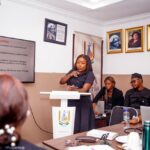
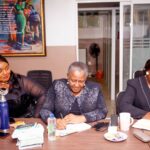
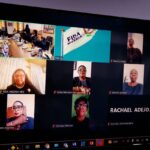
Day One focused on reviewing 2025 performance across programmes, operations, finance, communications, and legal services. The session was strengthened by the physical presence of the Country Vice President, Mrs. Eliana Martins; Past Country Vice President (Emerita), Mrs. Amina Suzanah Agbaje; and the National Secretary, Mrs. Rekia Rachael Adejo-Andrew, while other members of the National Executive Committee joined virtually—demonstrating their commitment and strong leadership engagement.
Teams reflected on achievements, challenges, and lessons across access to justice initiatives, survivor support, advocacy, partnerships, and institutional systems. The day concluded with a SWOT analysis, sharpening priorities around coordination, sustainability, and impact.
We laid a strong foundation for evidence-based, practical planning initiatives.