 by FIDA
Empowering Community Leaders to Combat Violence Against Women in Elections: FIDA Nigeria’s Workshop in Bayelsa State
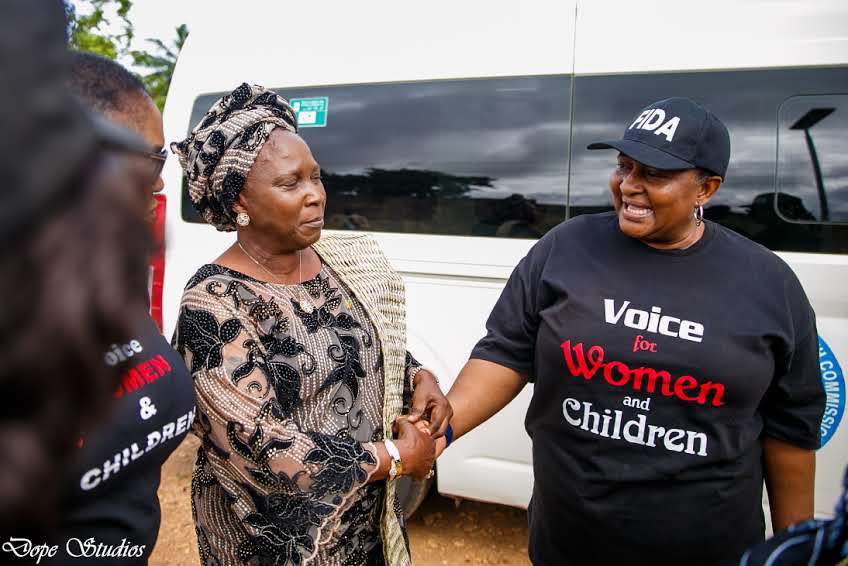
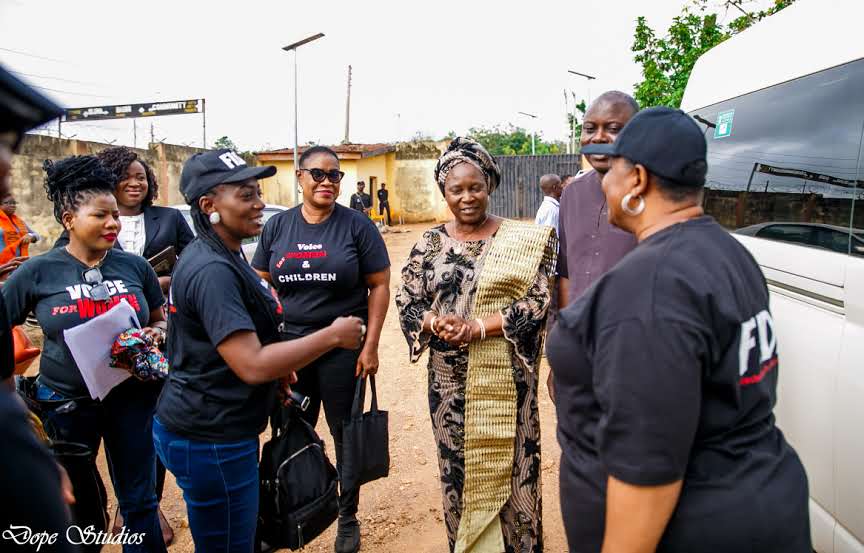
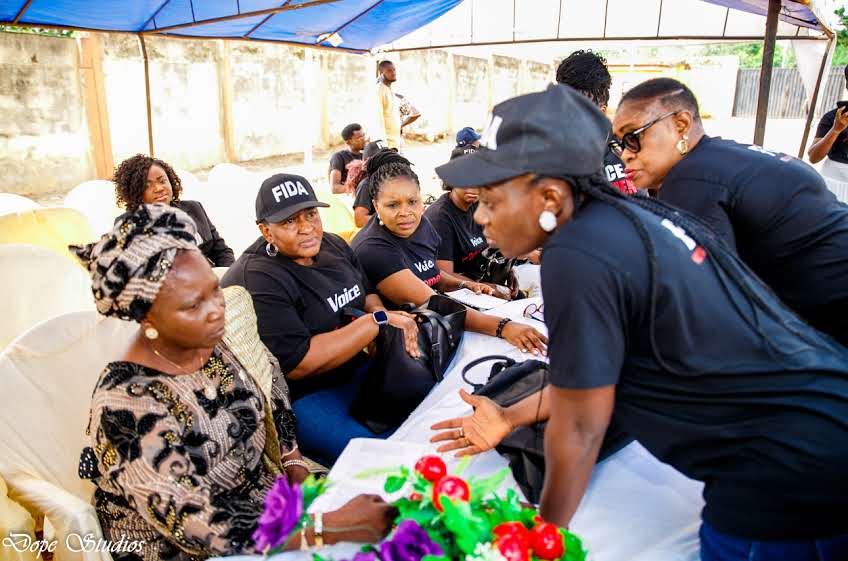
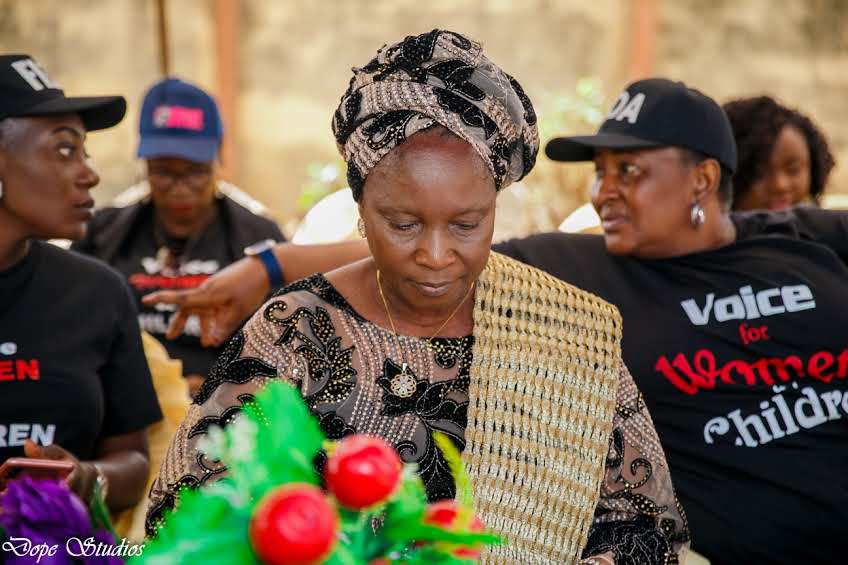
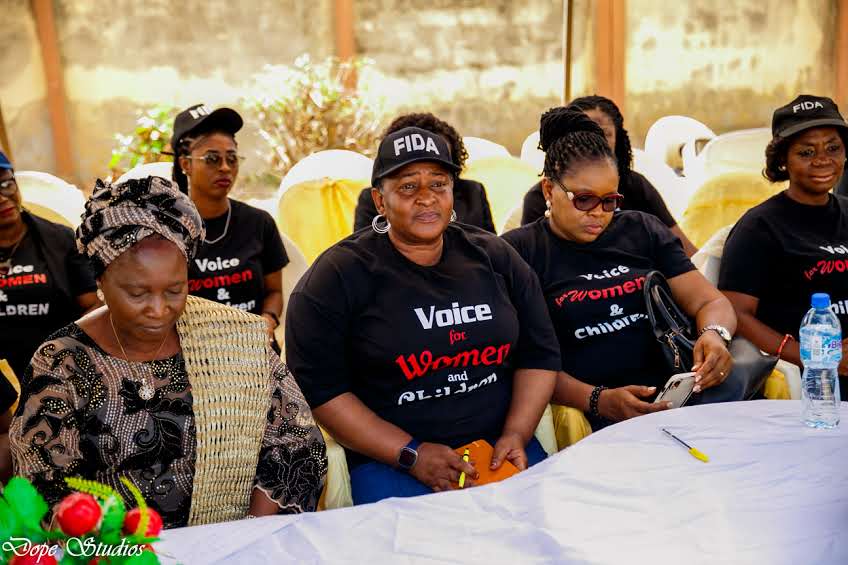
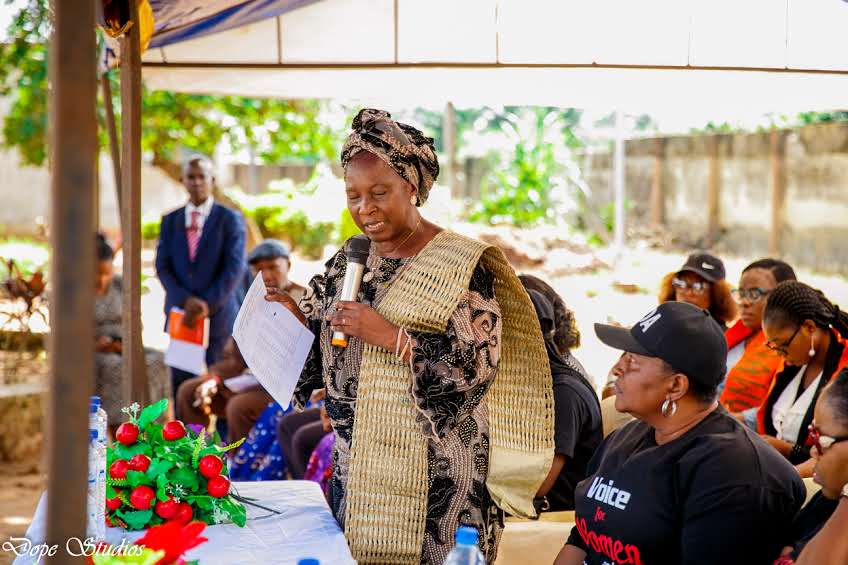
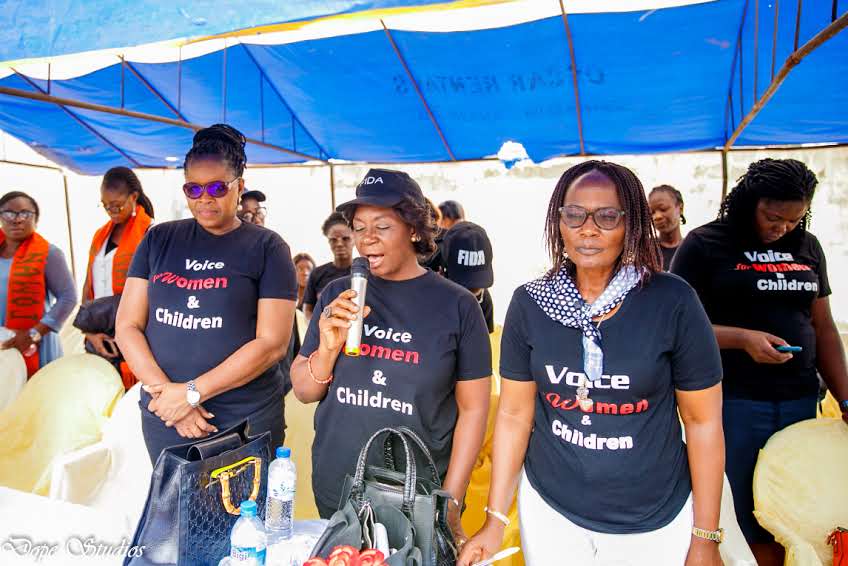
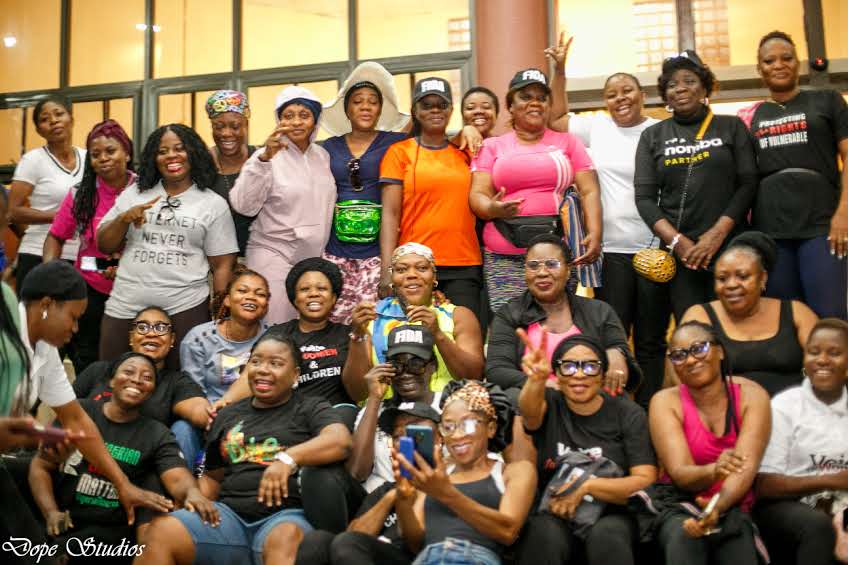
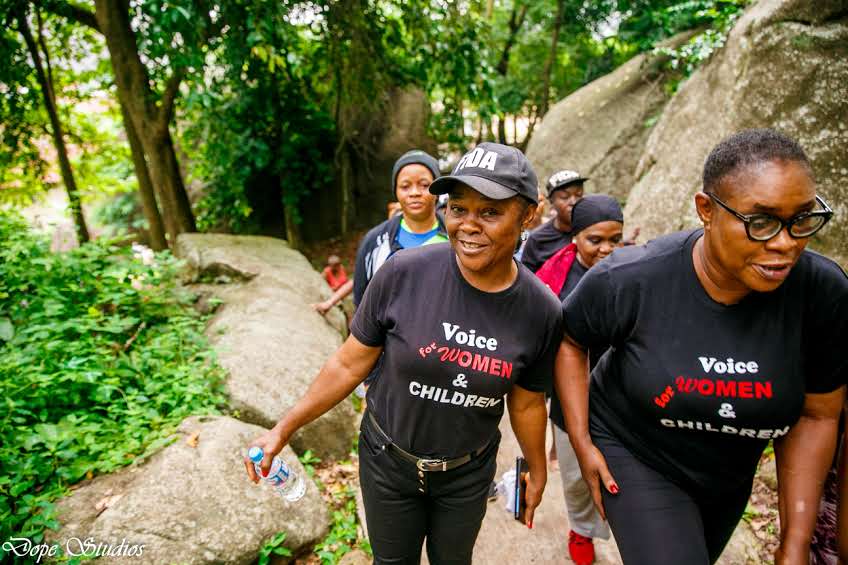
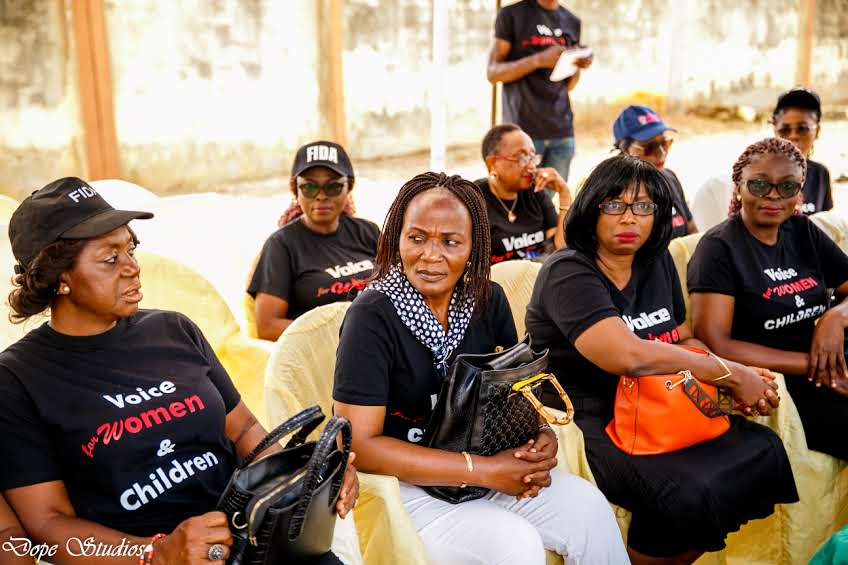
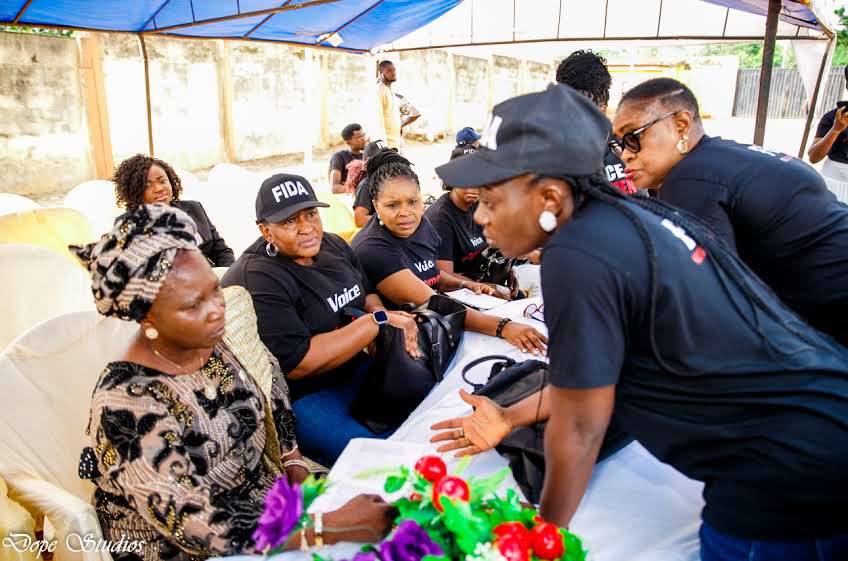
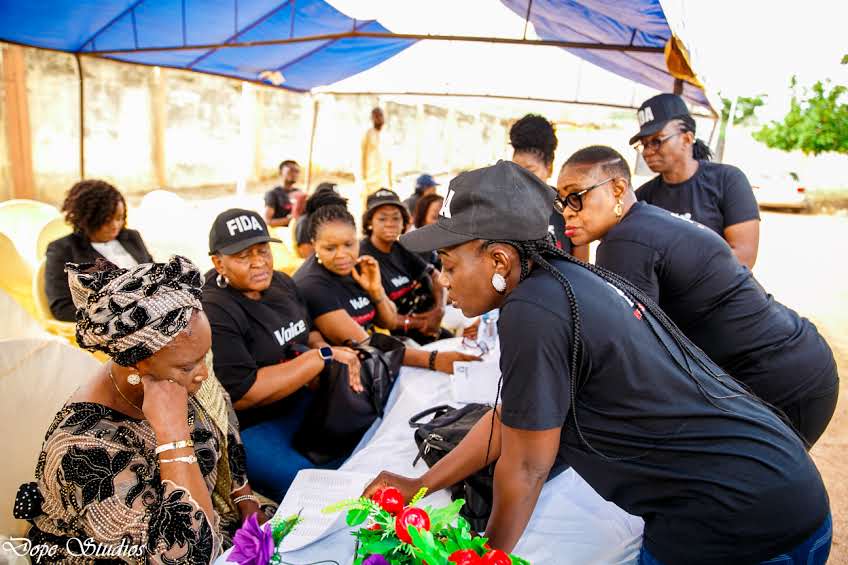
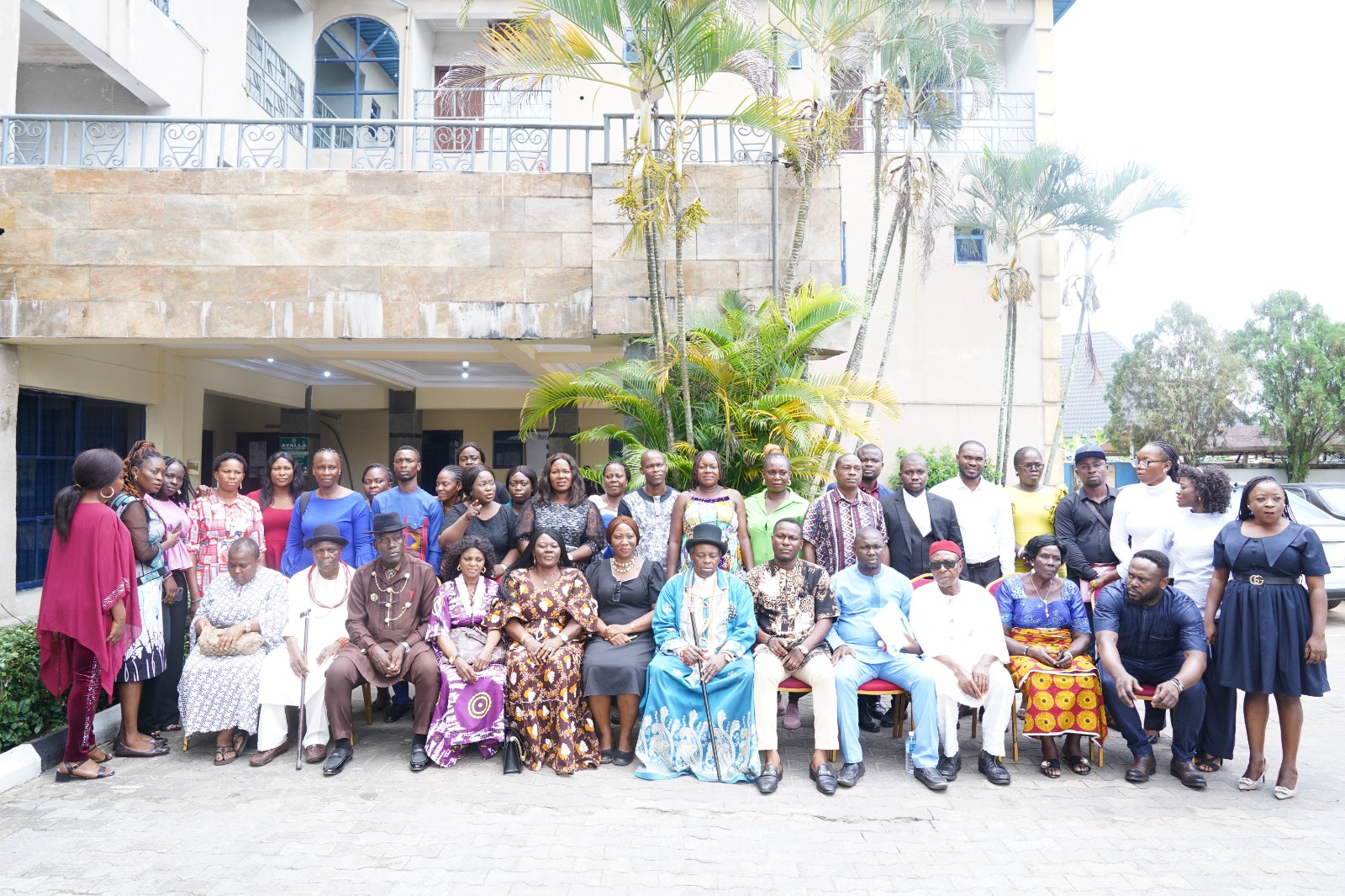
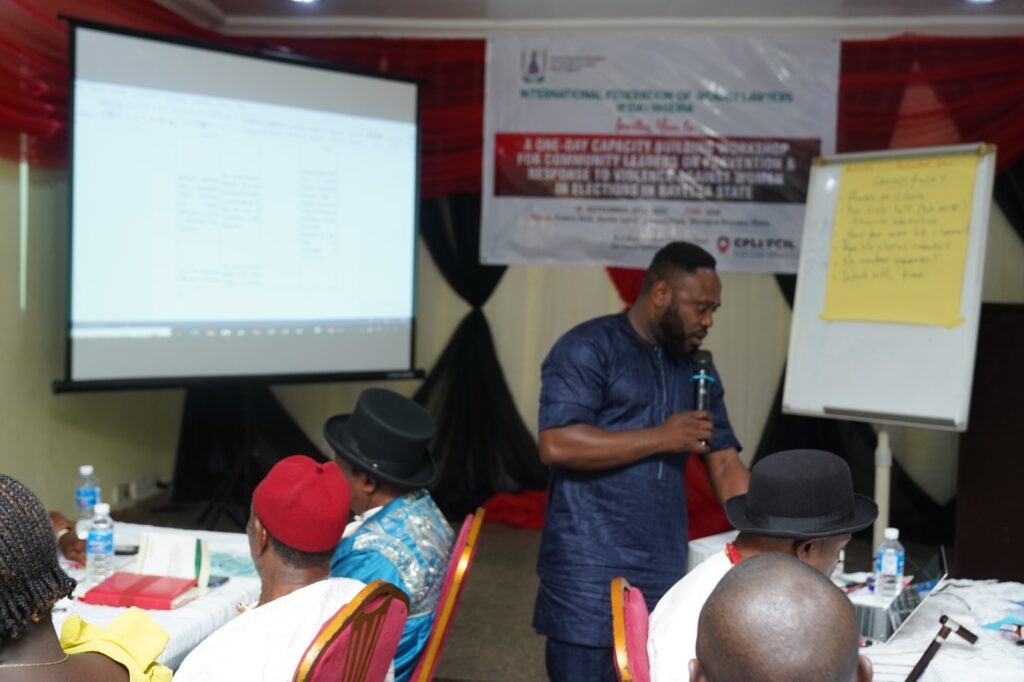
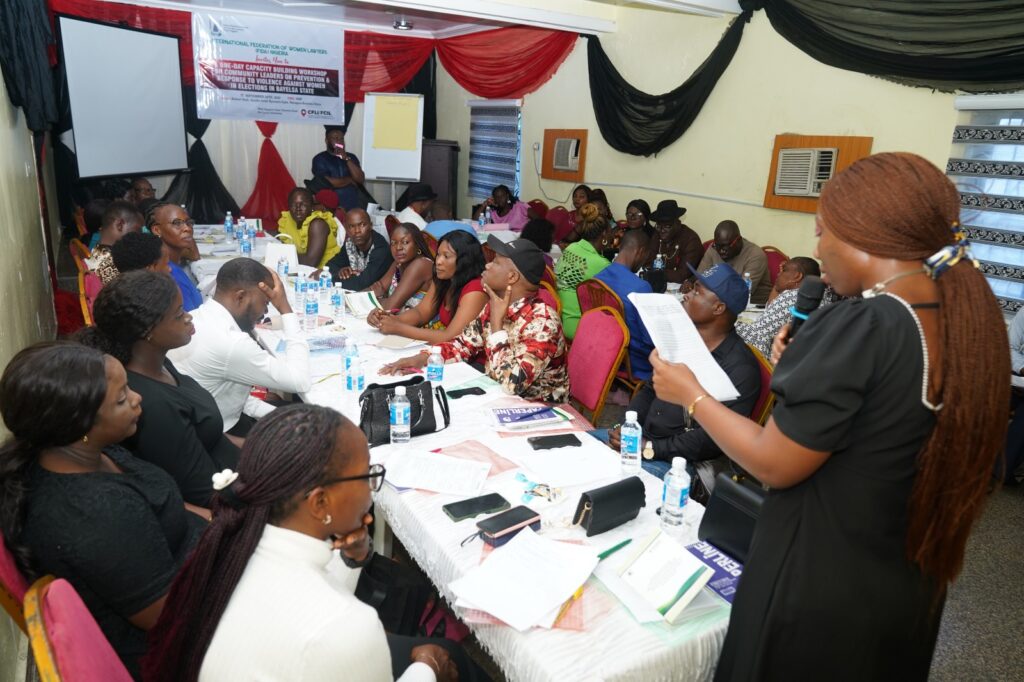
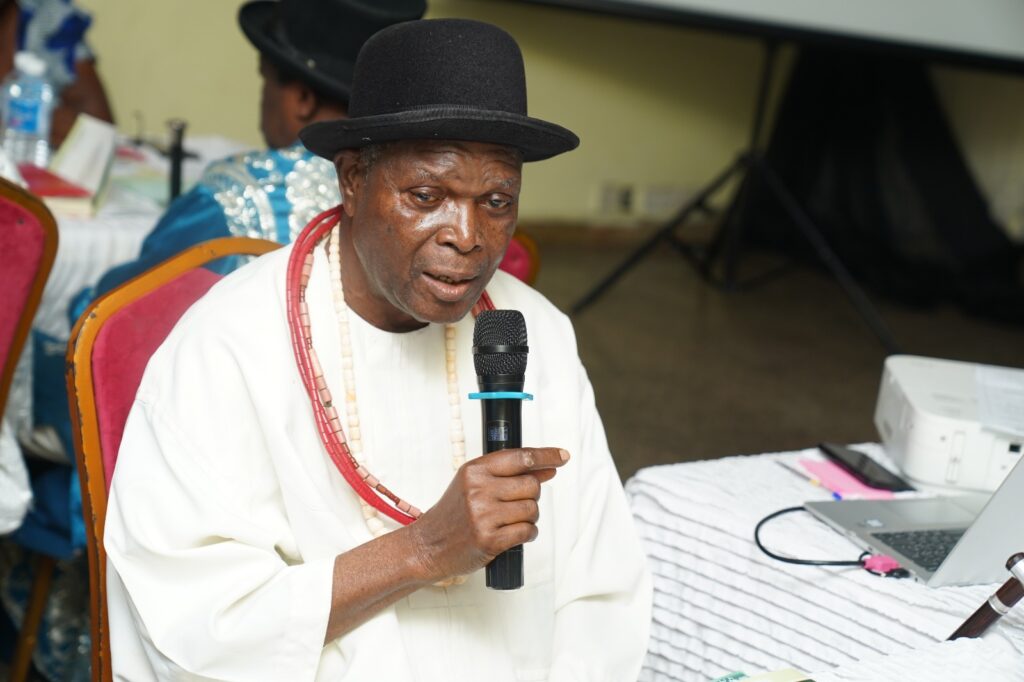
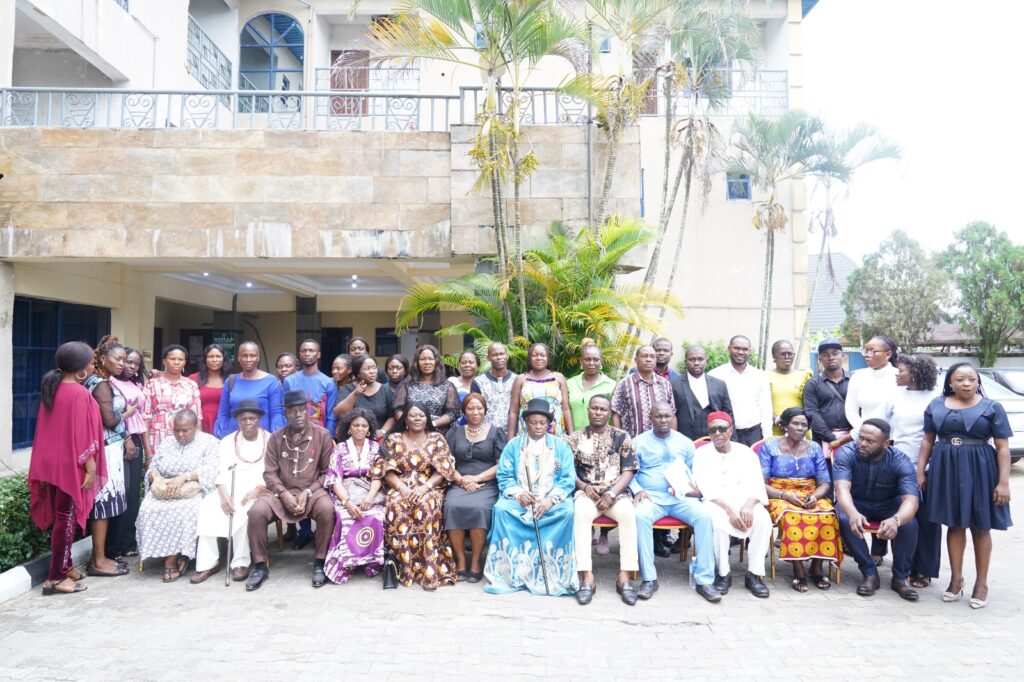
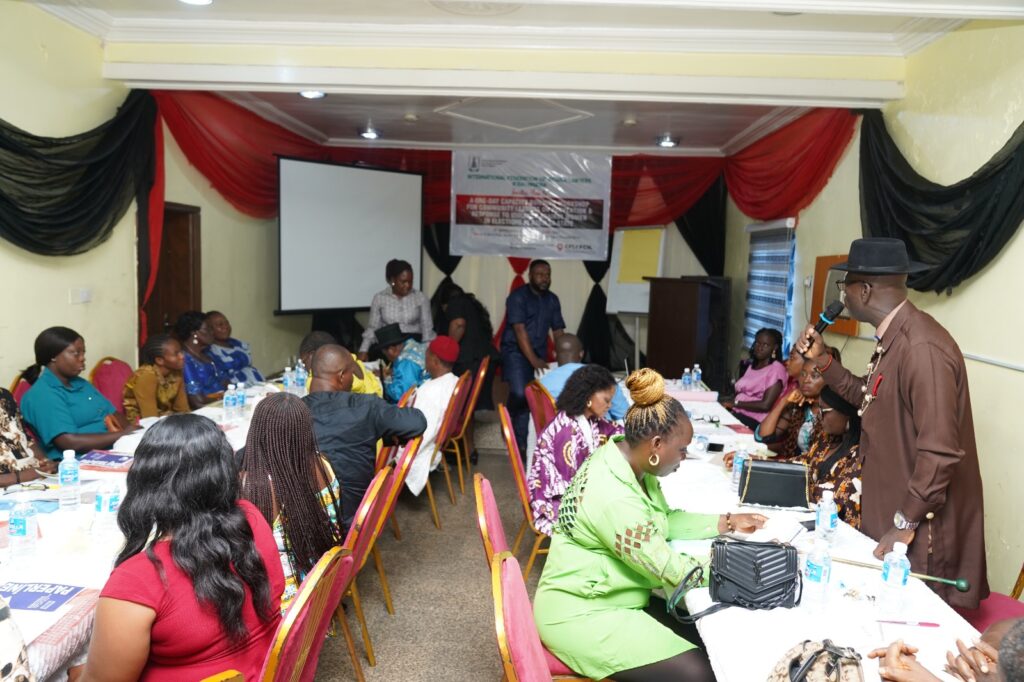
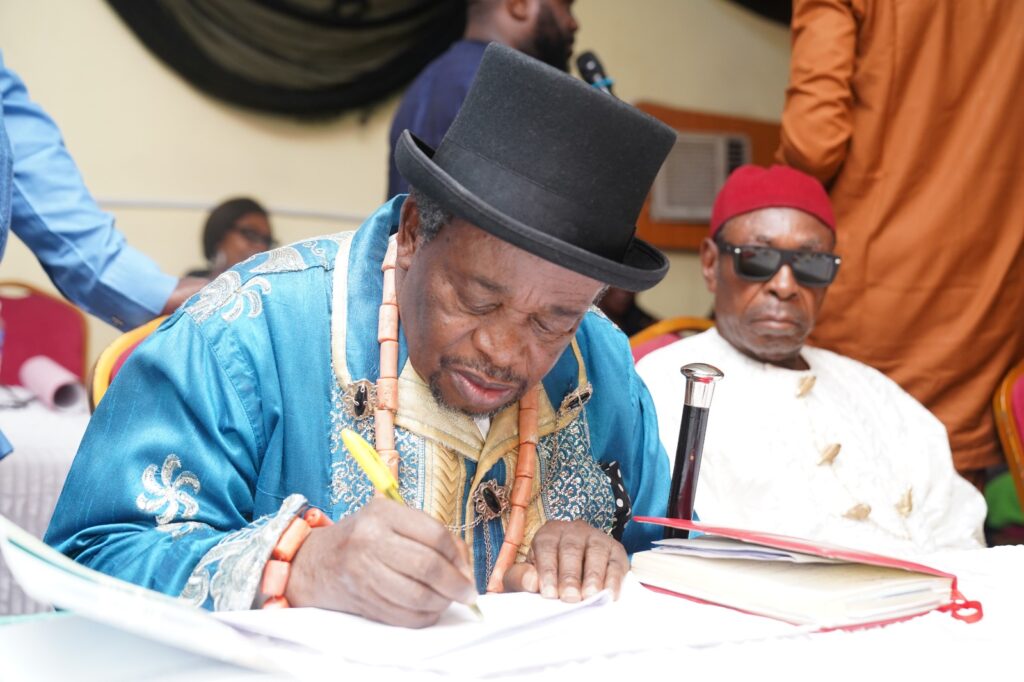
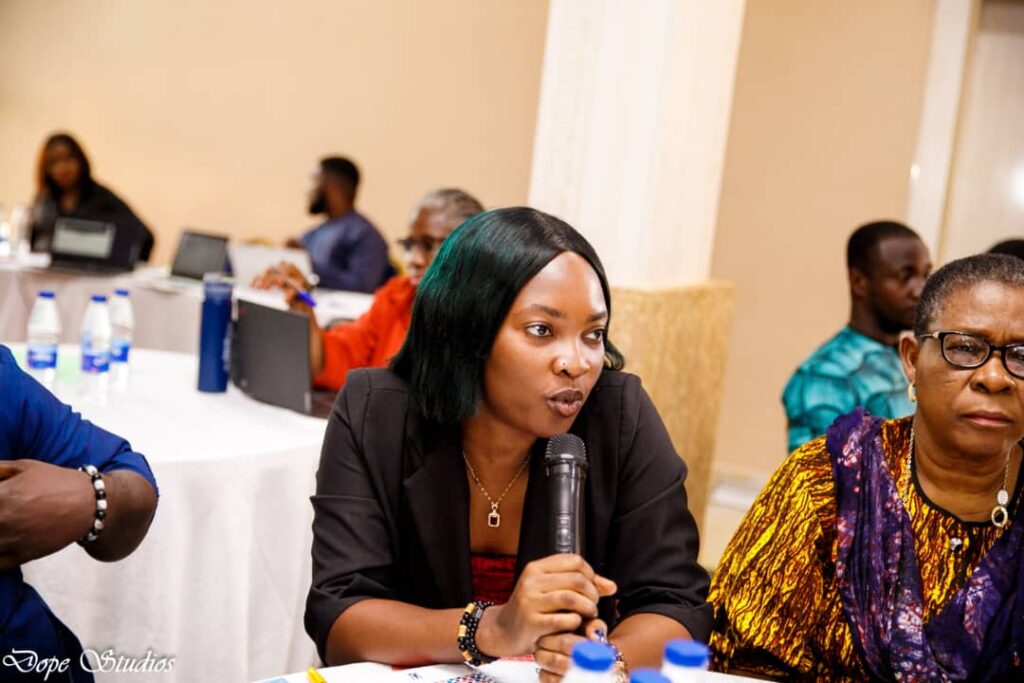
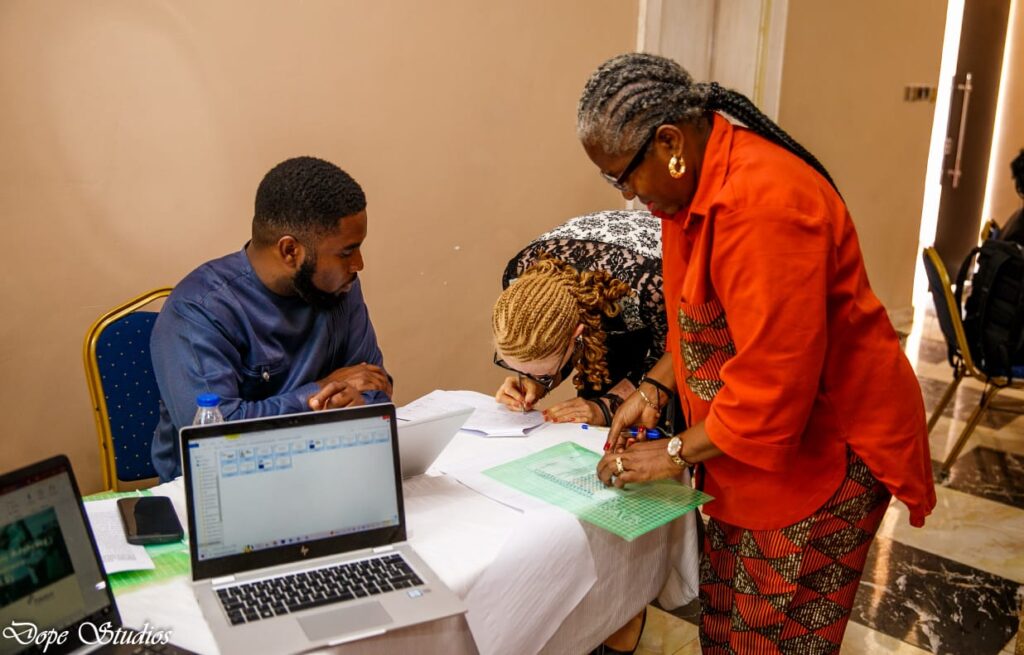
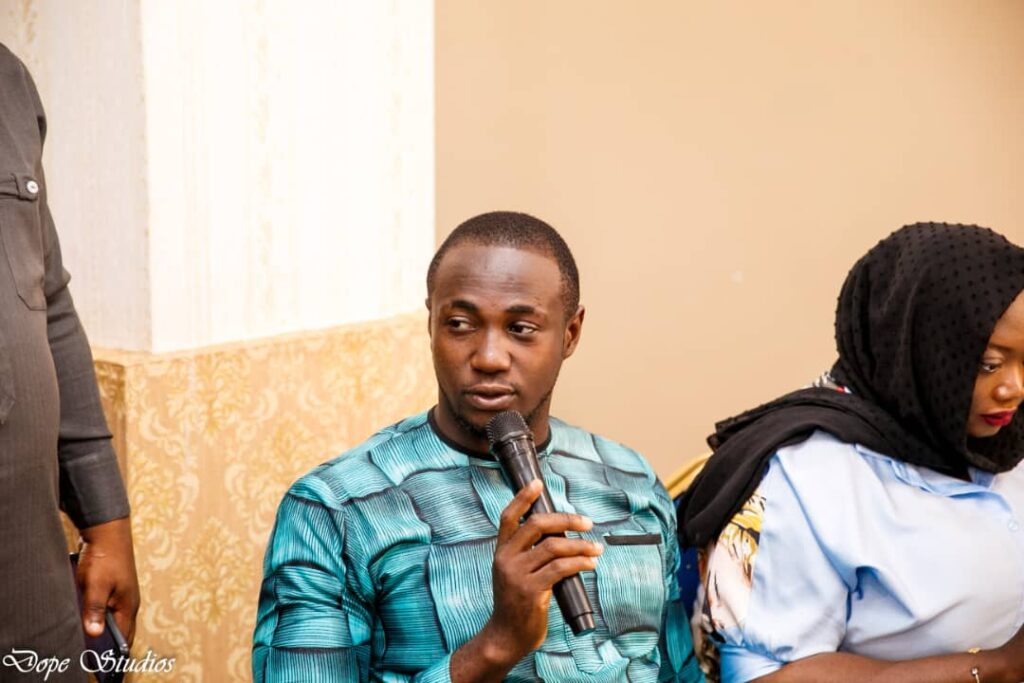
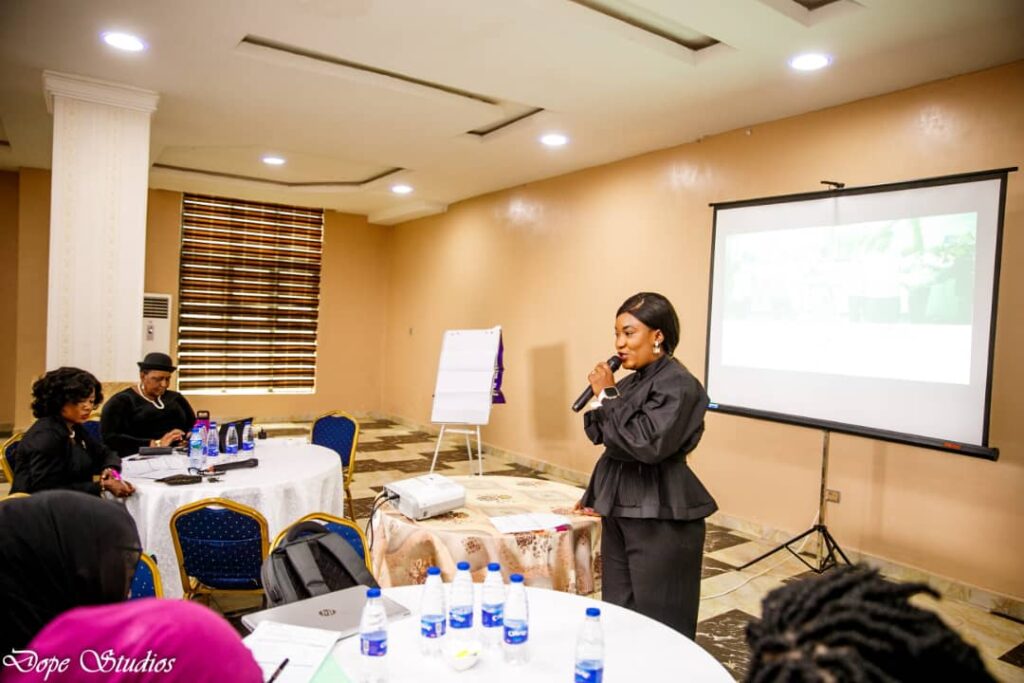
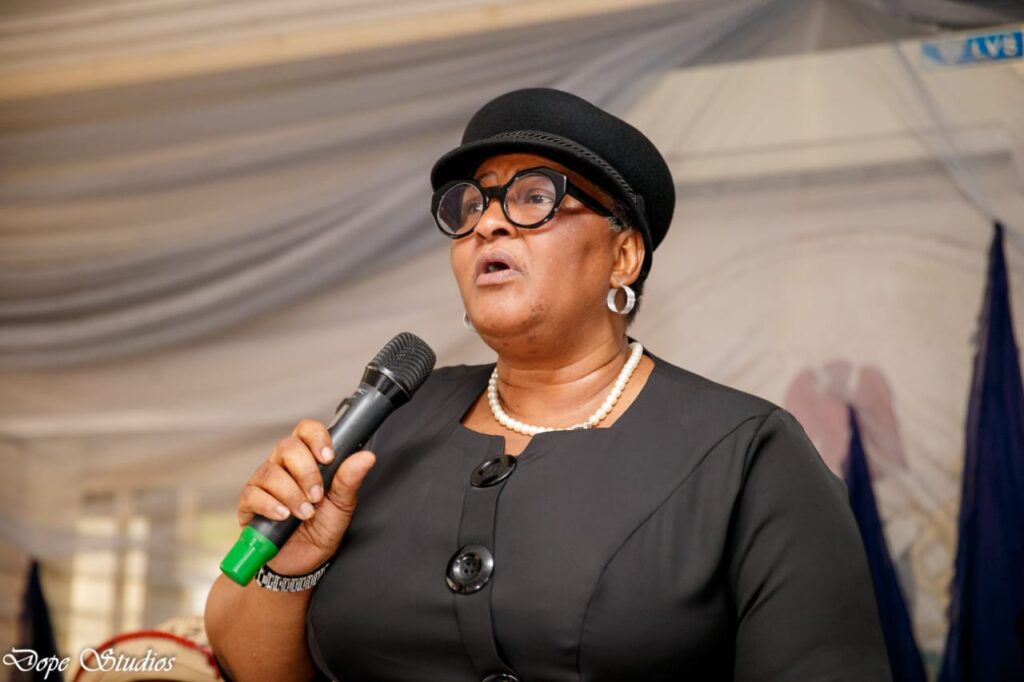
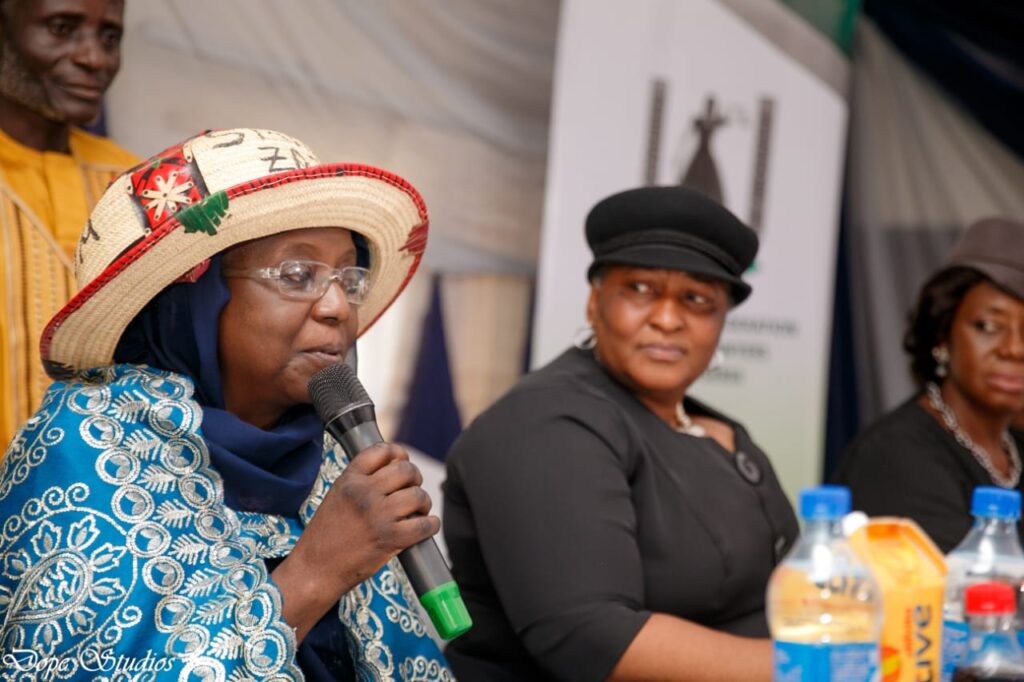
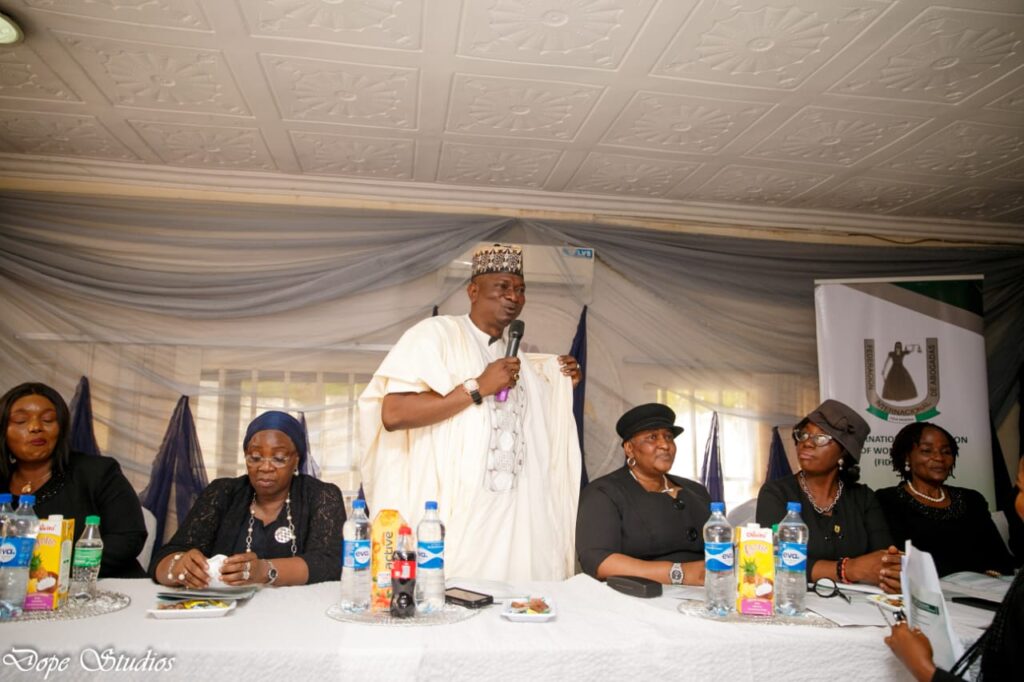
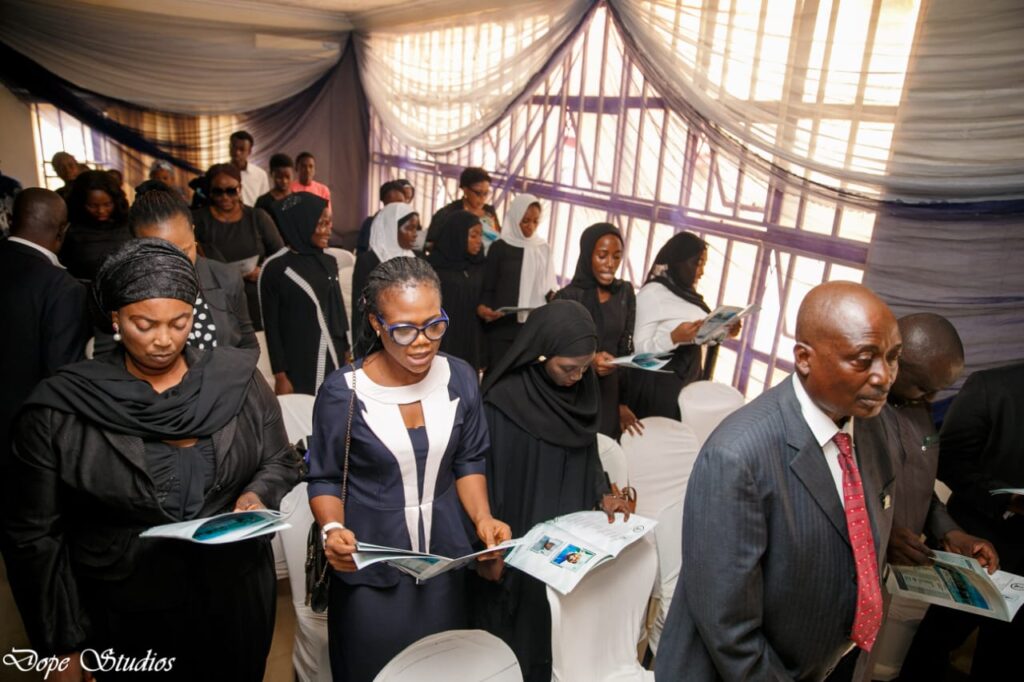
In a significant stride towards fostering gender equality and amplifying women’s voices in the electoral process, FIDA Nigeria, in collaboration with the Canada Fund for Local Initiatives (CFLI), organized a One-Day Capacity Building Workshop for Community Leaders. The event, held in Bayelsa State, was specifically designed to address the pressing issue of Violence against Women in Elections.
The primary aim of this workshop was to equip community leaders with the knowledge and tools necessary to identify and combat factors contributing to violence against women during electoral processes. By nurturing a comprehensive understanding of these critical issues, participants were empowered to proactively safeguard the rights and safety of women in the upcoming November 11, 2023 off-cycle Governorship Election.
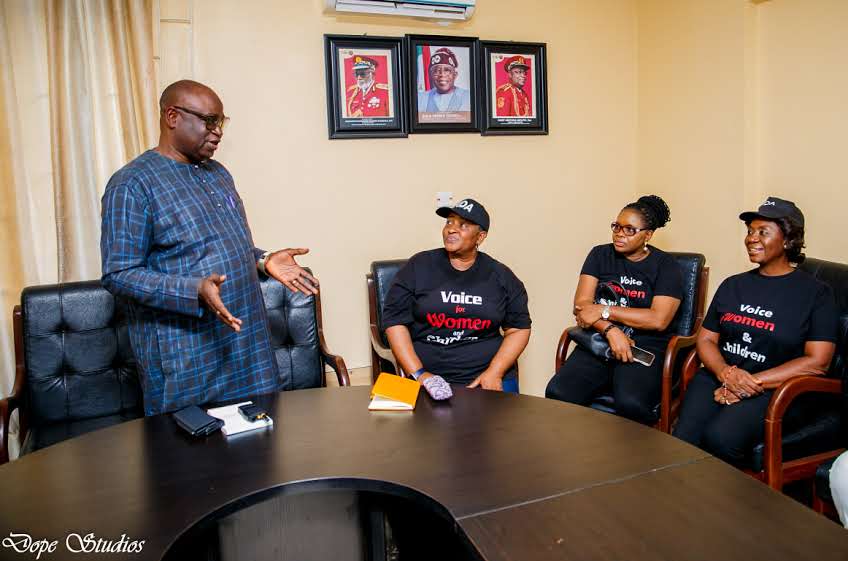
Central to the workshop’s agenda was the establishment of robust referral channels between communities and prominent security agencies. This strategic move is poised to revolutionize the response mechanism for incidents of violence against women, ensuring swift action and a safer environment for female participants in the political arena.
Moreover, the initiative aspires to fortify a resilient community protection framework, with a special emphasis on indigenous women and other vulnerable populations in Bayelsa State. By prioritizing inclusivity and equal representation, this endeavor seeks to create an environment where every voice is heard and valued.
FIDA Nigeria extends heartfelt gratitude to the Canada Fund for Local Initiatives for their generous support, which has played a pivotal role in transforming this vision into a tangible reality. The CFLI’s commitment to championing the cause of women’s rights on an international scale exemplifies the profound impact that collaborative efforts can have in dismantling barriers and fostering a more inclusive society.
As the echoes of this workshop reverberate through Bayelsa State, it is anticipated that the knowledge and empowerment gained by community leaders will be instrumental in paving the way for a more equitable and just electoral process. This initiative serves as a testament to the power of collective action in effecting positive change and advancing the cause of gender equality.
 by FIDA
Sexual Harassment of Female Students as an insidious form of Gender-Based Violence MUST be STOPPED!!!
FIDA Nigeria strongly condemns in its entirety and in the strongest terms possible, all forms of gender-based violence against women, particularly those against female students in secondary and tertiary institutions by staff of the institutions, such as teachers and lecturers. In this vein, FIDA Nigeria totally condemns the alleged sexual harassment of female students by the embattled Dean, Faculty of Law, University of Calabar, Prof. Cyril Osim Ndifon as reported recently in various news platforms.
We vehemently denounce these acts as vile and an ugly menace that must be eradicated from our institutions of learning, and our society at large. Students are in school to be educated and must be guided and protected while learning, not to be intimidated and taken advantage of because of their vulnerability and/or gender.
It is alarming that sexual harassment of females particularly in tertiary institutions has assumed a perilously critical dimension, constituting a horrifying kind of violence targeted at violating the fundamental human rights of a person. It is a form of sexual victimization of an individual using unequal power relations. This pandemic is so vile and encompasses acts revolving around explicit or implicit sexual overtures including unwelcome sexual remarks or physical advances, and inappropriate promises of reward in exchange for sexual favours in the workplace, professional or social setting amongst others.
These acts have been criminalized by the Violence Against Persons Prohibition (VAPP) Act 2015 and indeed, the extant VAPP Law of Cross Rivers State. Being that the state and all persons of goodwill are under a duty to give effect to these statutory provisions against all forms of violence, including desisting from aiding and/or abetting of same in any manner or to any degree, FIDA Nigeria therefore unequivocally condemns the alleged intimidation of some of the students who bravely spoke up on the alleged Ndifon’s case, currently under investigation.
The Minister of Women Affairs, Barr. Uju Kennedy Ohanenye, by her professional calling and the expectations of her ministerial office, owes a duty of leading the charge towards protecting women from all acts of abuse, including encouraging and supporting victims of sexual and gender-based violence to break the culture of silence and get justice, hence the alleged distasteful manner in which she interrogated the vulnerable and possibly traumatized students is shocking and greatly disappointing
FIDA Nigeria is keenly observing, and shall not hesitate to proceed against such perpetrators, and all persons or individuals who support such acts of violence either by their utterances or actions/ inaction, or who may try to suppress the reportage of these sort of violence meted out to persons. We remain steadfast on our mandate to protect, promote, and preserve the rights of vulnerable women and children using the instrumentality of law, strongly supporting and standing behind all survivors of violence of any kind, including those of sexual harassment and all forms of gender-based violence, and encouraging them to speak up on these crimes as their voices are meant to be heard, and justice delivered for the crimes perpetrated against them.
In conclusion, as the probe panel constituted to further investigate all facets of this case against the embattled Dean Prof C. Ndifon continue in their task, FIDA Nigeria is closely monitoring the proceedings and shall not stand by and watch perpetrators and supporters of these heinous crimes whether highly placed or not, harass, cower, intimidate, badger, suppress and or attempt to wriggle their way out of facing justice and shall follow this matter intently to ensure that justice is gotten at the end of the day, as no one is above the law.
Therefore, we call on the Government, NAPTIP, Law Enforcement Agencies, Civil Society Organizations, and indeed everyone to stand up against this scourge that has slowly crept into the fabric of our nation and ensure that all forms of violence in whatever form it presents itself is stopped!!
We also call on all Students to Stand Tall and Speak their Truth!
Signed
Amina Suzanah Agbaje, (Mrs.)
Country Vice President/National President
FIDA Nigeria
FIDAnigeria
saynotoallformsofviolence
saynotosexualharrasment
EndGBVNow
 by FIDA
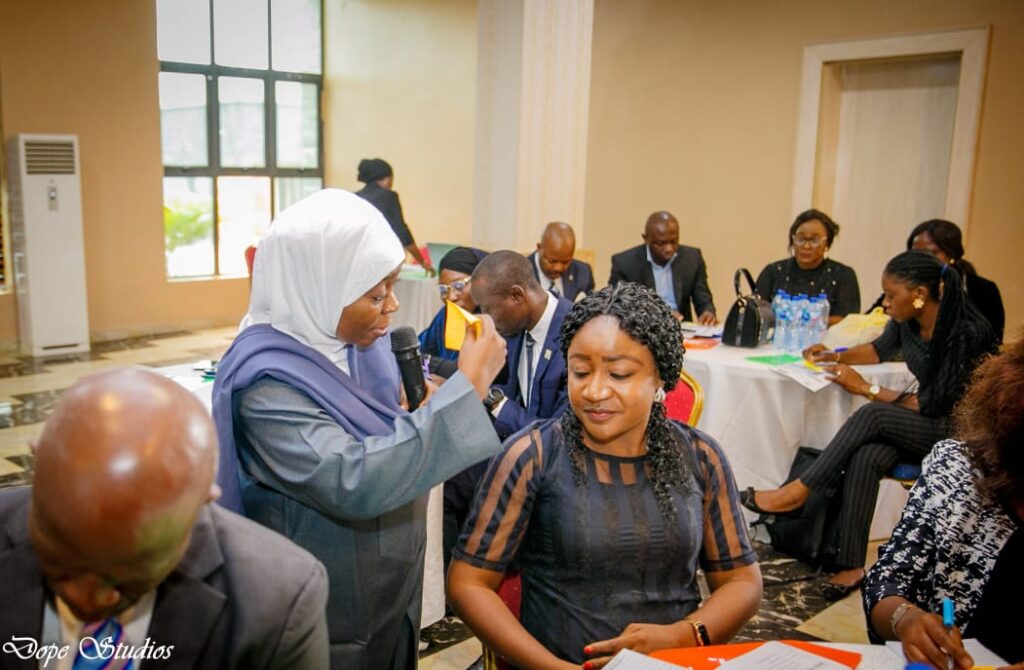
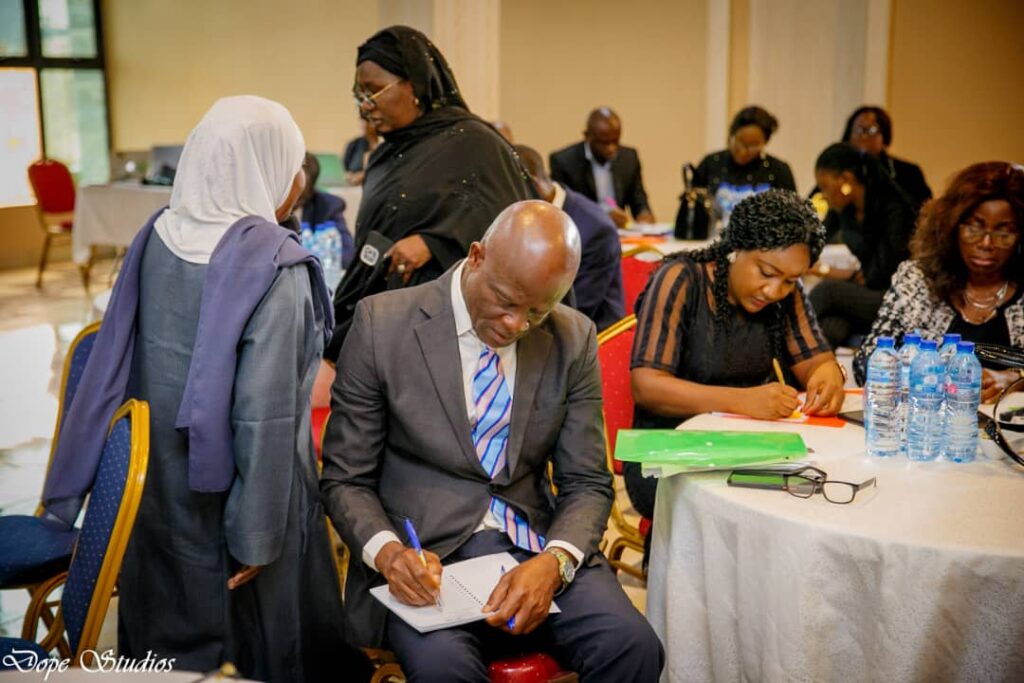
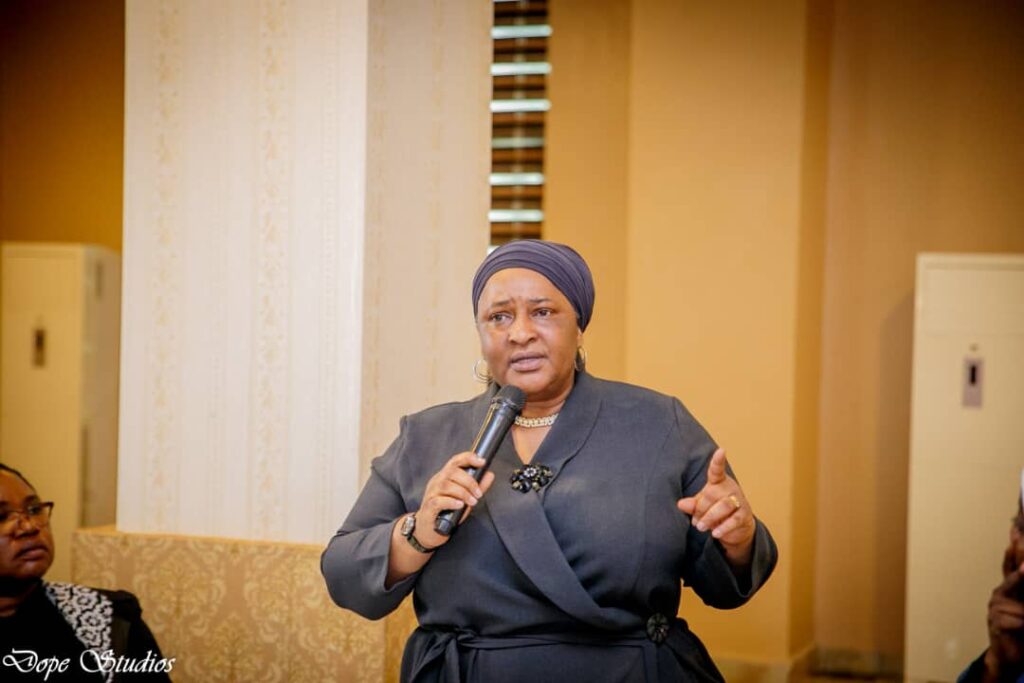
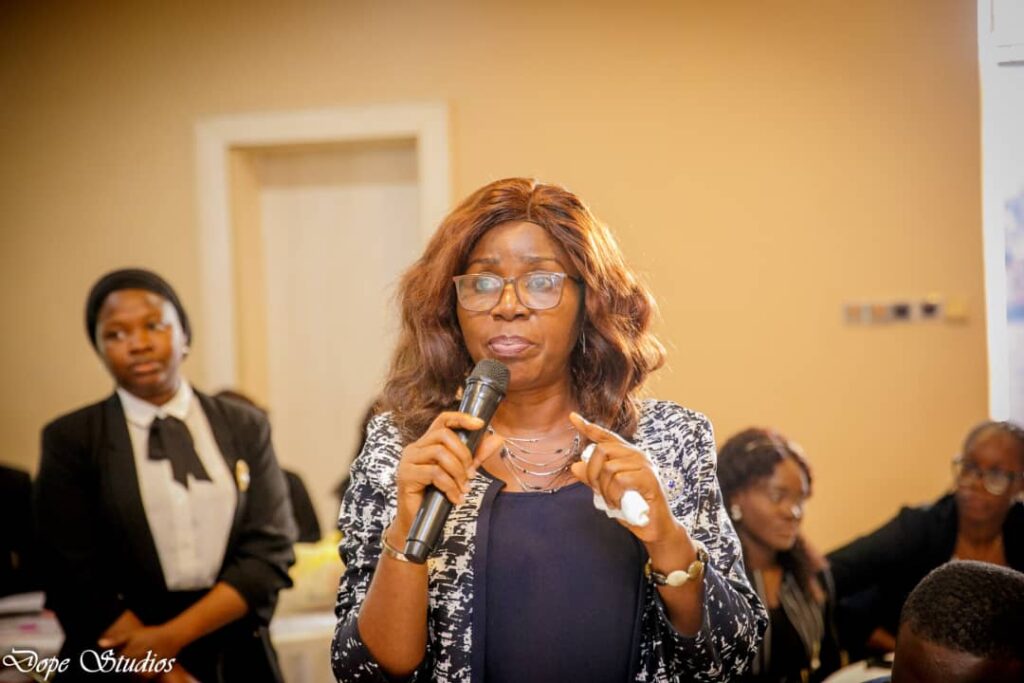
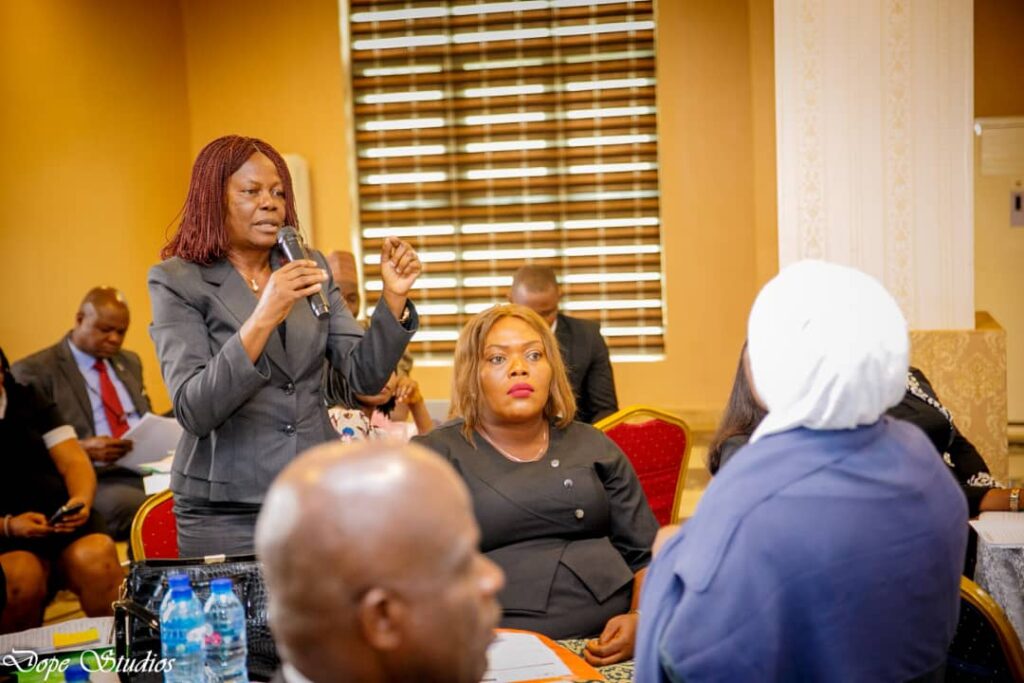
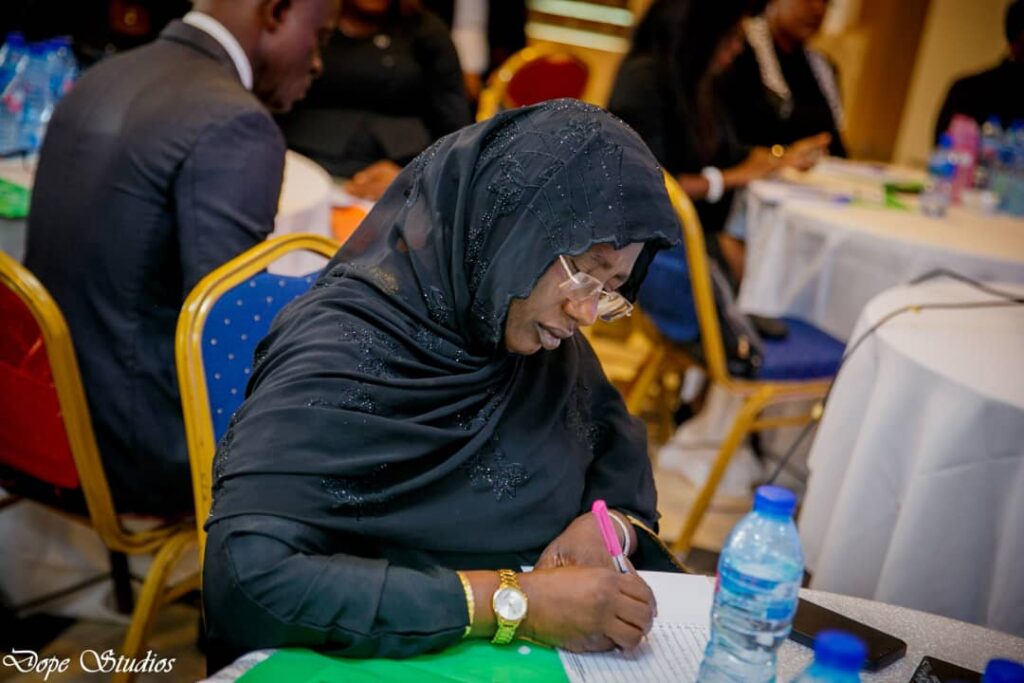
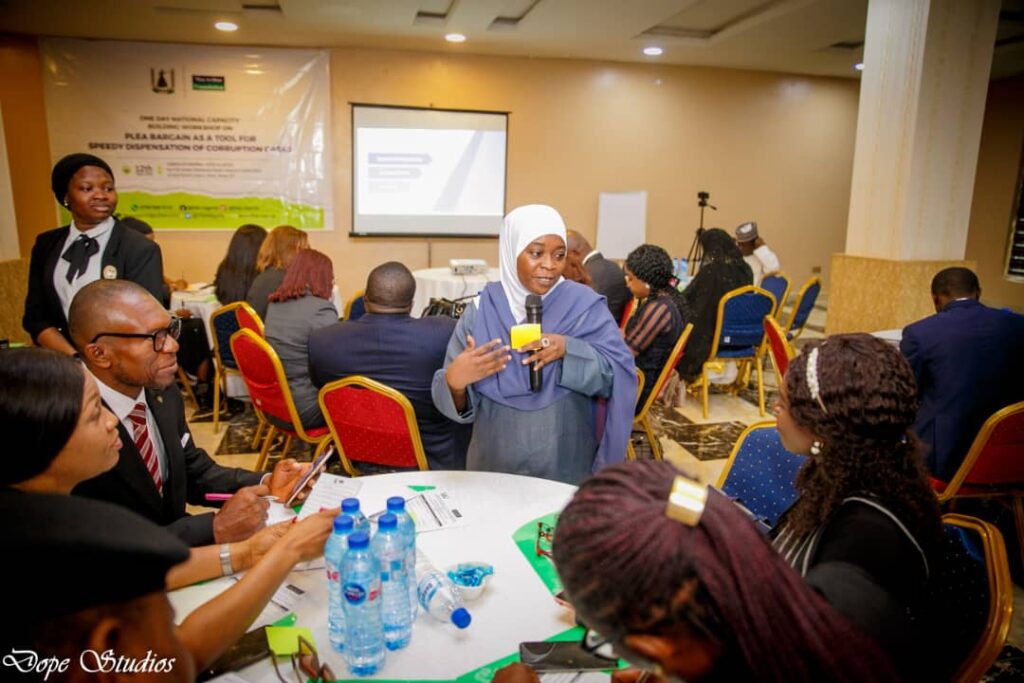
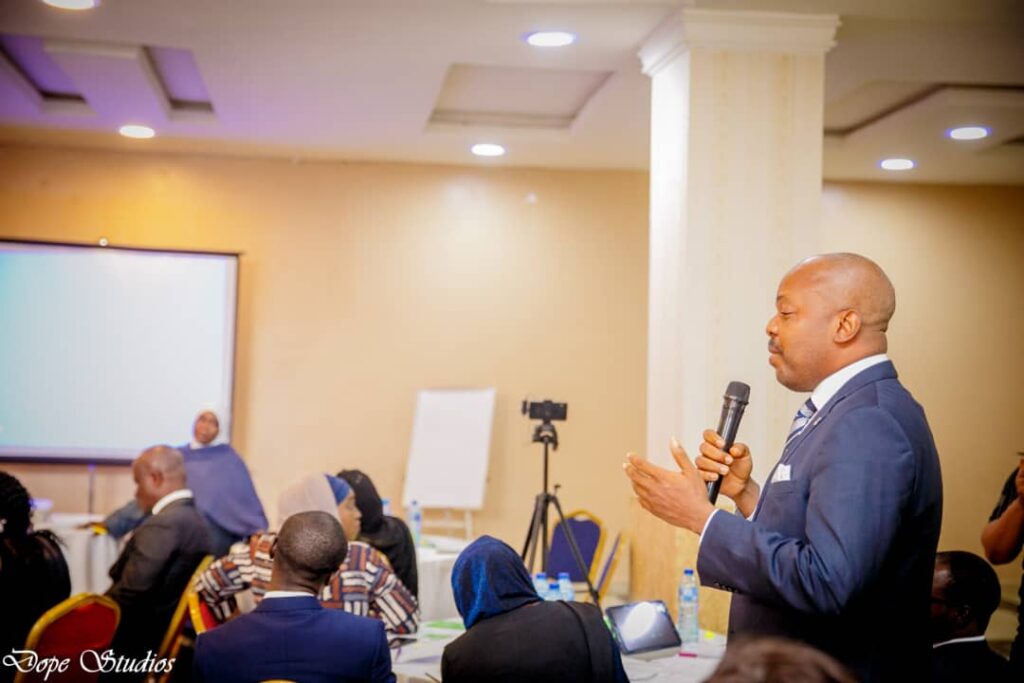
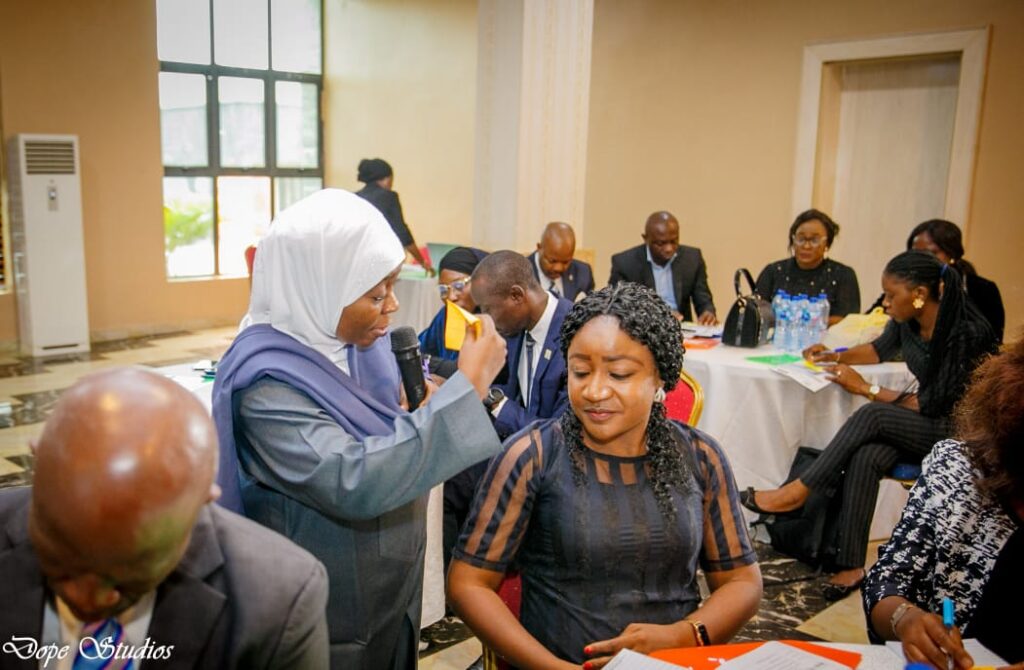
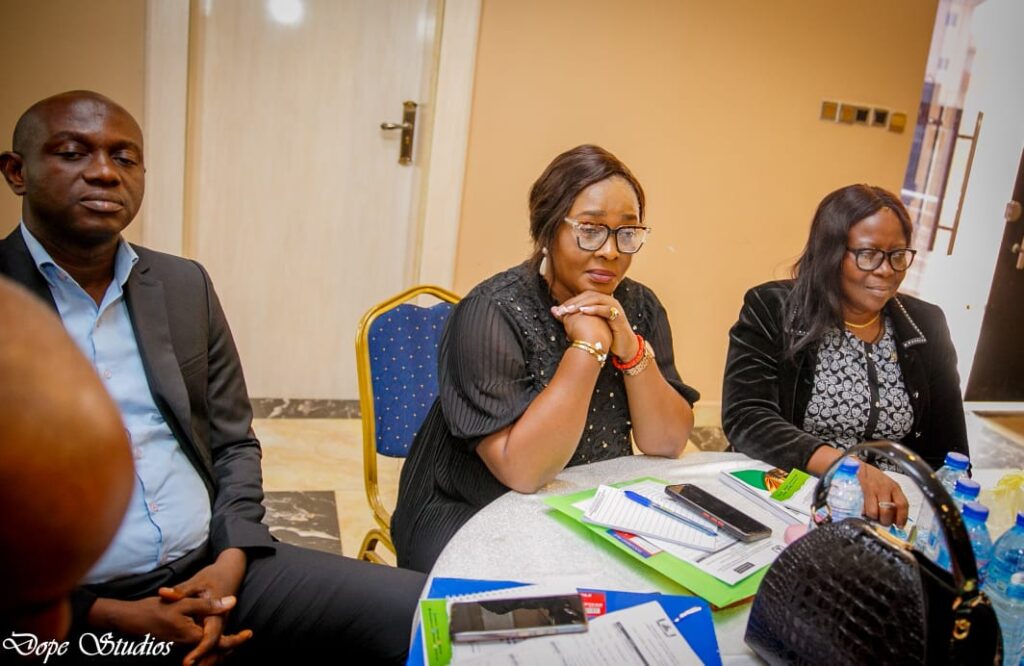
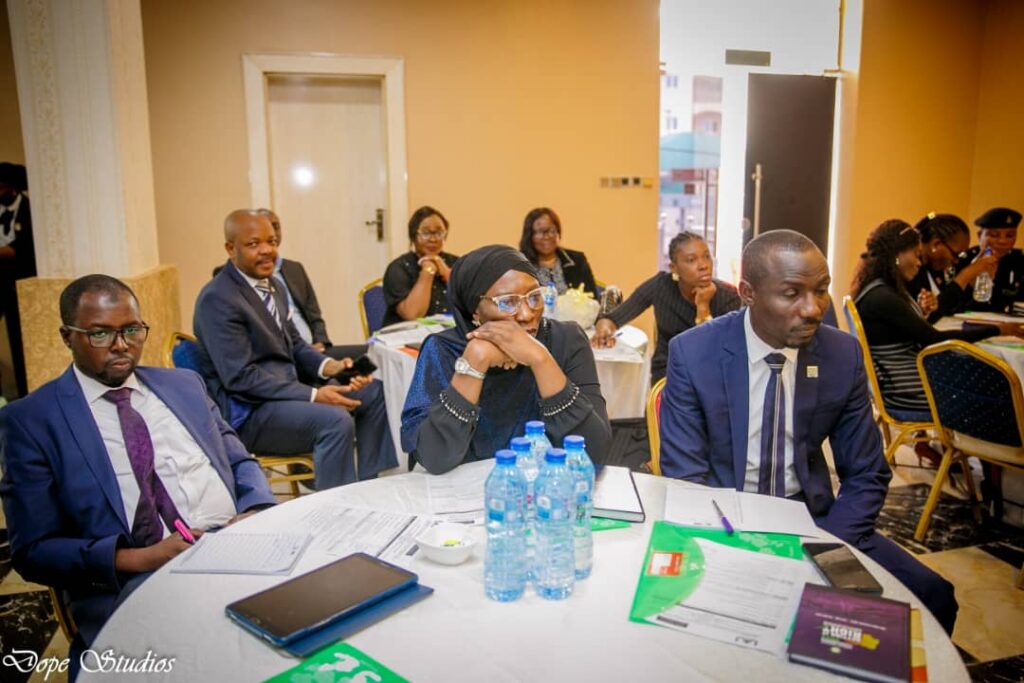
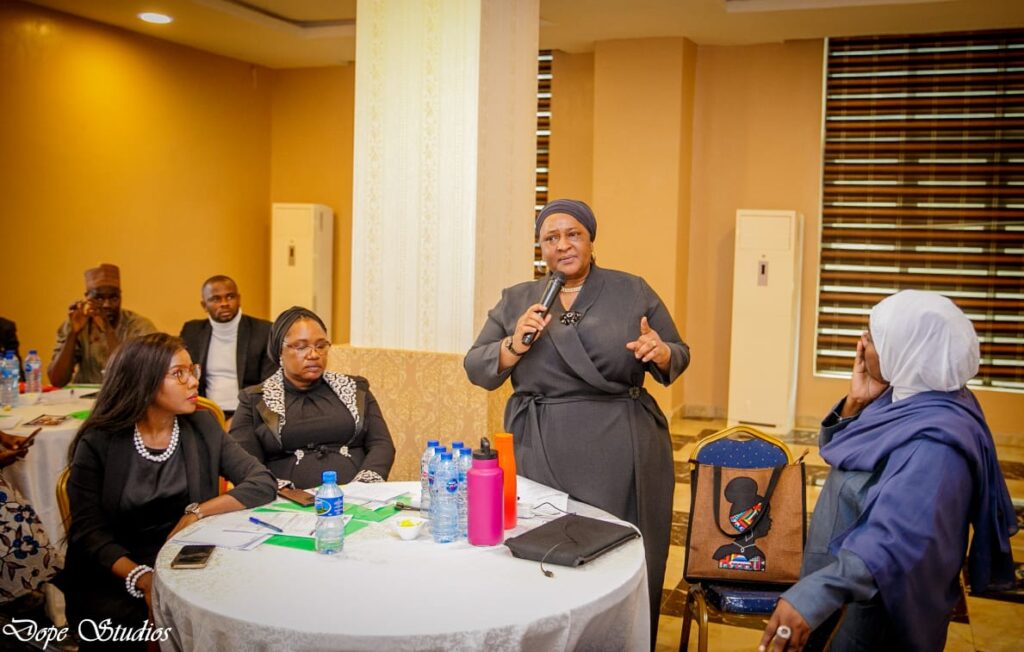
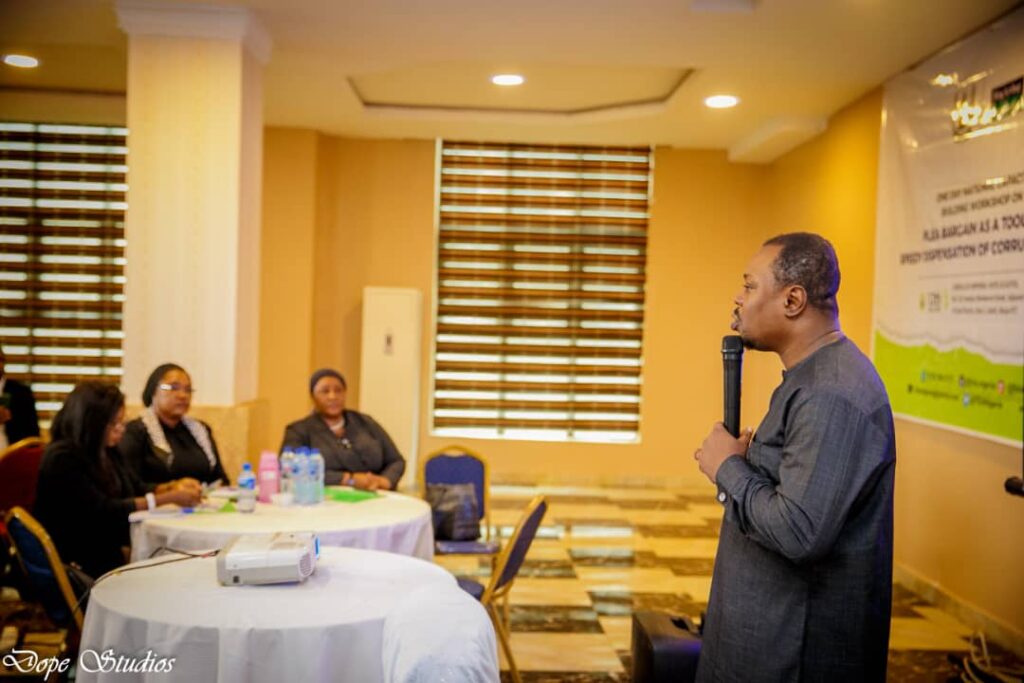
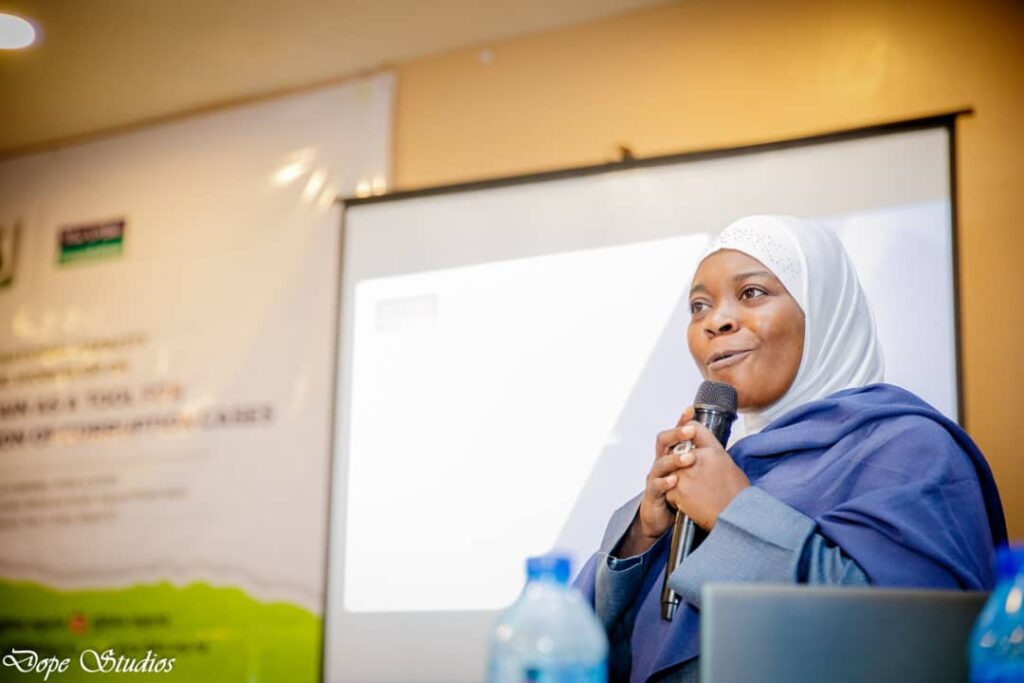
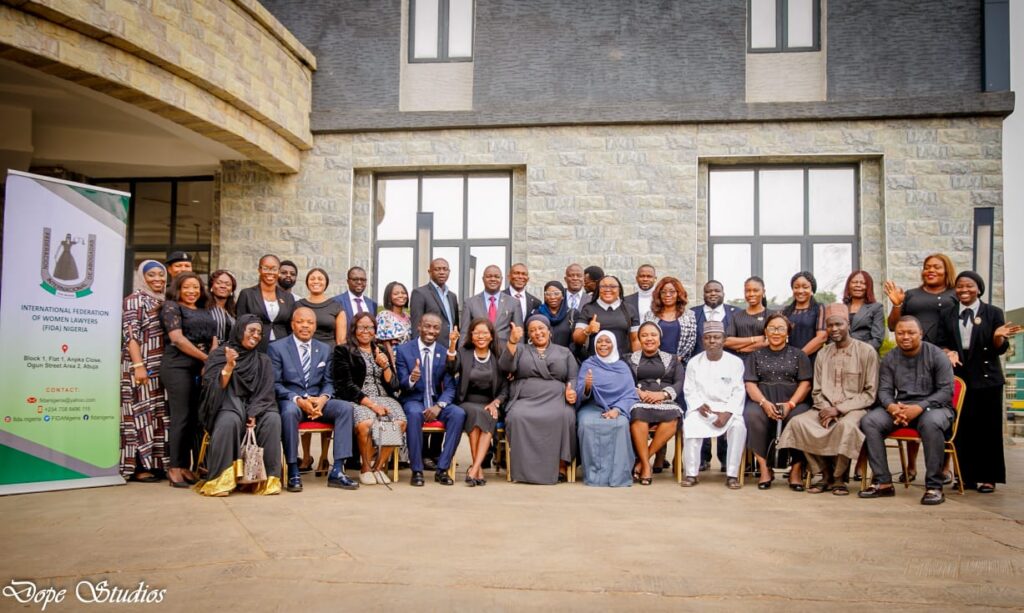
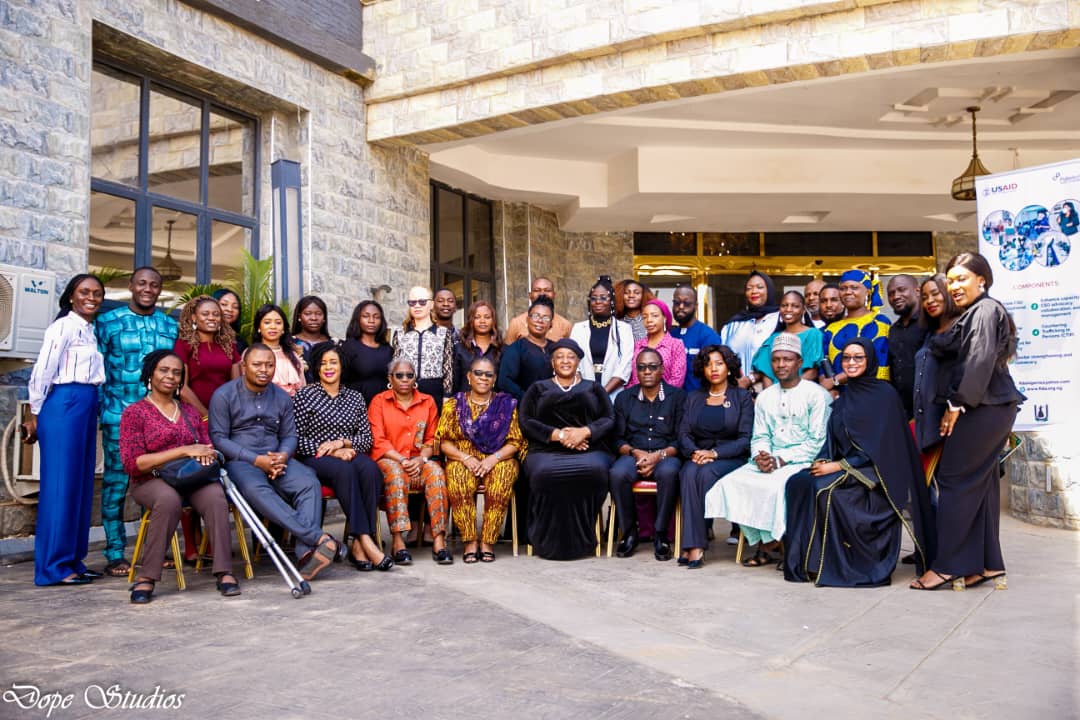
FIDA Nigeria Held a One-day Workshop on Plea Bargain as a Tool for Speedy Dispensation of Corruption Cases
”Plea Bargain as a Tool for Speedy Dispensation of Corruption Cases”
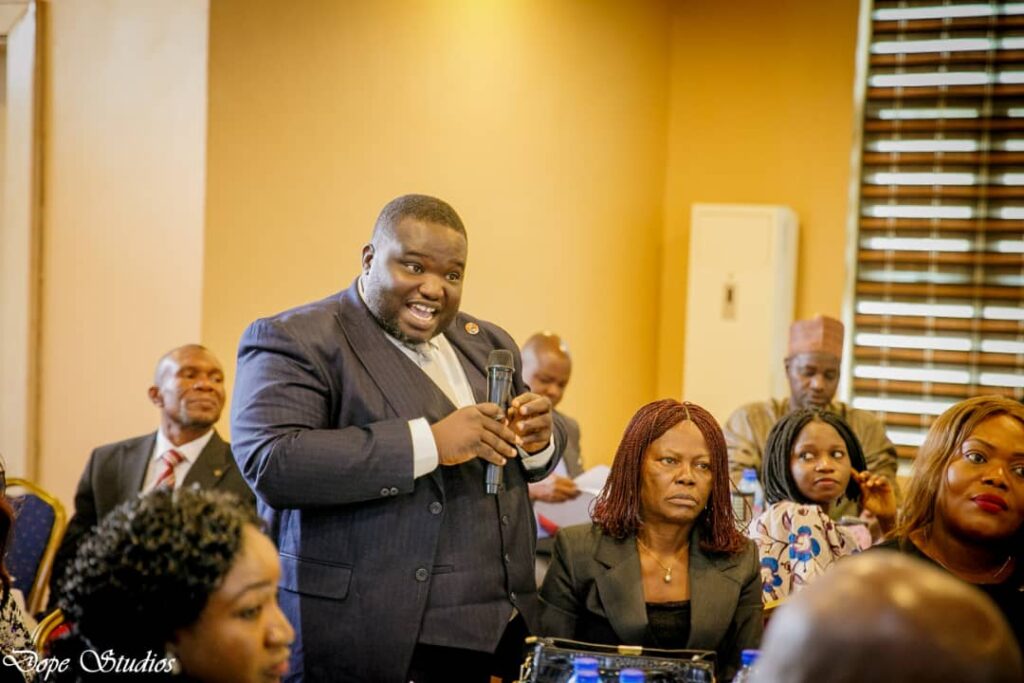
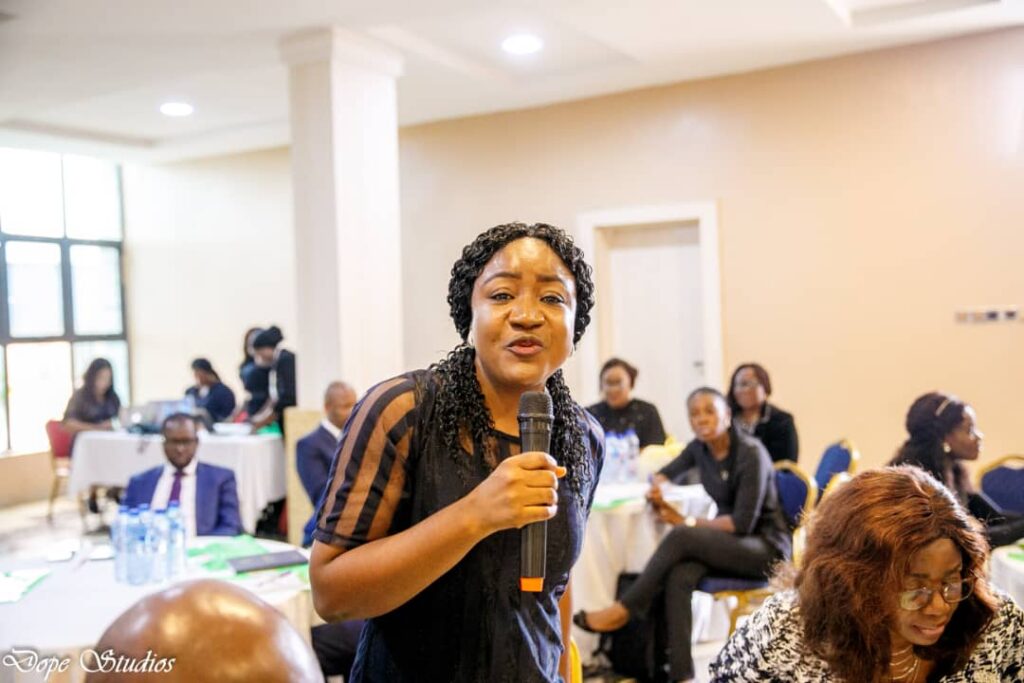
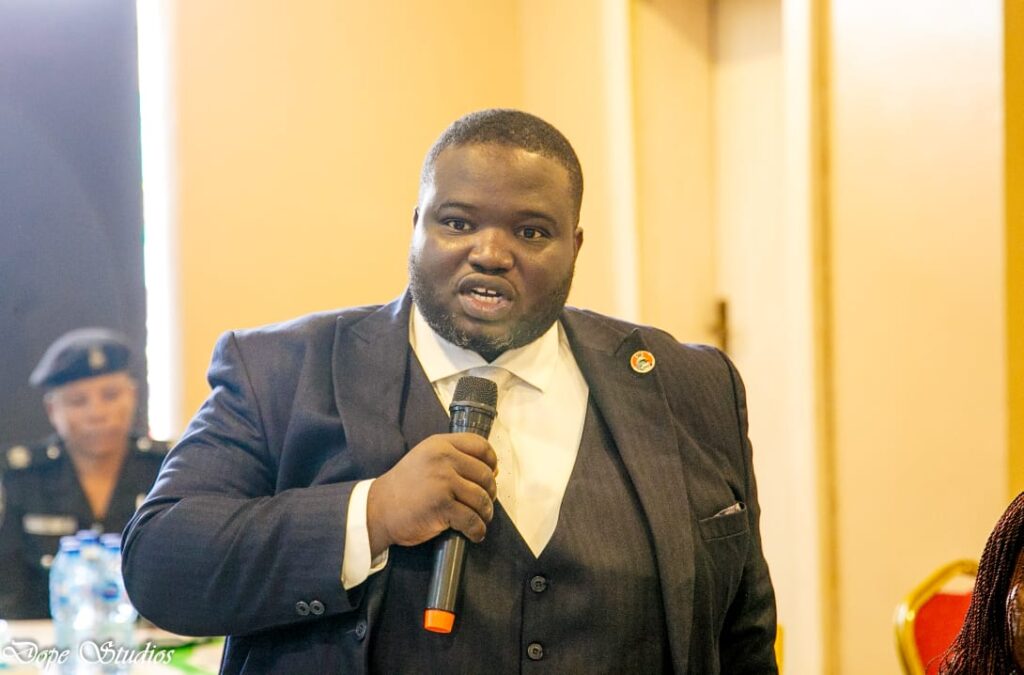
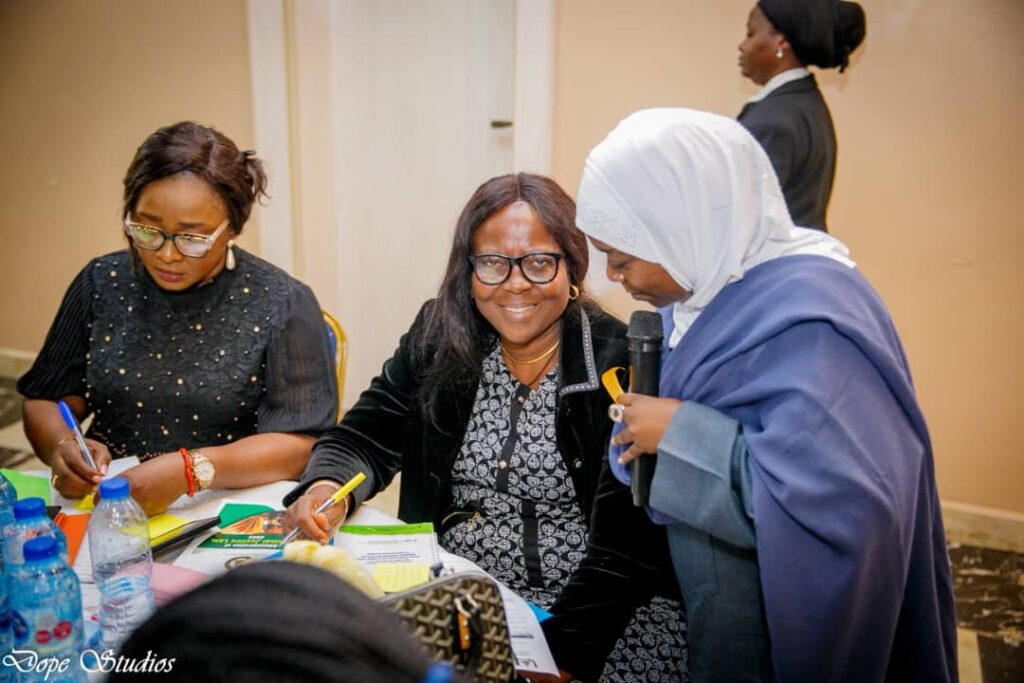
This was the crux of the One-Day National Capacity Building organized by FIDA Nigeria with support from the MacArthur Foundation for Actors in the Criminal Justice system, Judicial Officers, Economic and Financial Crimes Officials, Law Enforcement and Security Agencies, private practitioners amongst other critical stakeholders.
The training was targeted at increasing capacity of participants and impacting thorough knowledge on the concept, principle, workings and challenges of plea bargain as a tool for speedy dispensation of corruption cases; Improve synergy and coordination amongst Criminal Justice actors; Provide a platform for shared learnings particularly for Judicial Officers and prosecutors for Economic and Financial Crimes, and other Law Enforcement and Security Agencies to examine the critical issues and challenges faced in the utilisation of Plea bargain.
The provisions of the Proceeds of Crimes ( Recovery and Management Act (POCA) 2022, were also X-rayed and thoroughly discussed by participants.
The workshop and subsequent interactive discourse threw up various recommendations, including the need to have a streamlined and harmonious Guideline on Plea bargain at National level, and functional committees at state levels to oversee the process of plea bargain as is already done in some states. These amongst several other well thought-out recommendations are geared towards enriching the jurisprudence of Plea Bargain as a veritable tool for speedy dispensation of corruption cases.
fidanigeria
macarthurfoundation
pleabargain
AccountableLegalSystem

 by FIDA
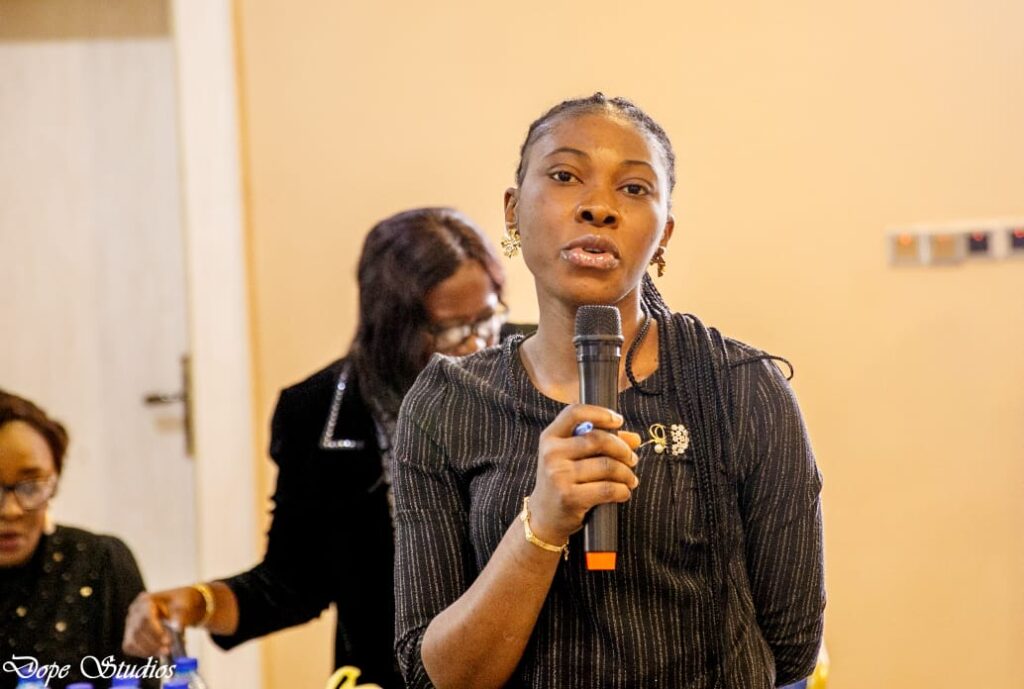
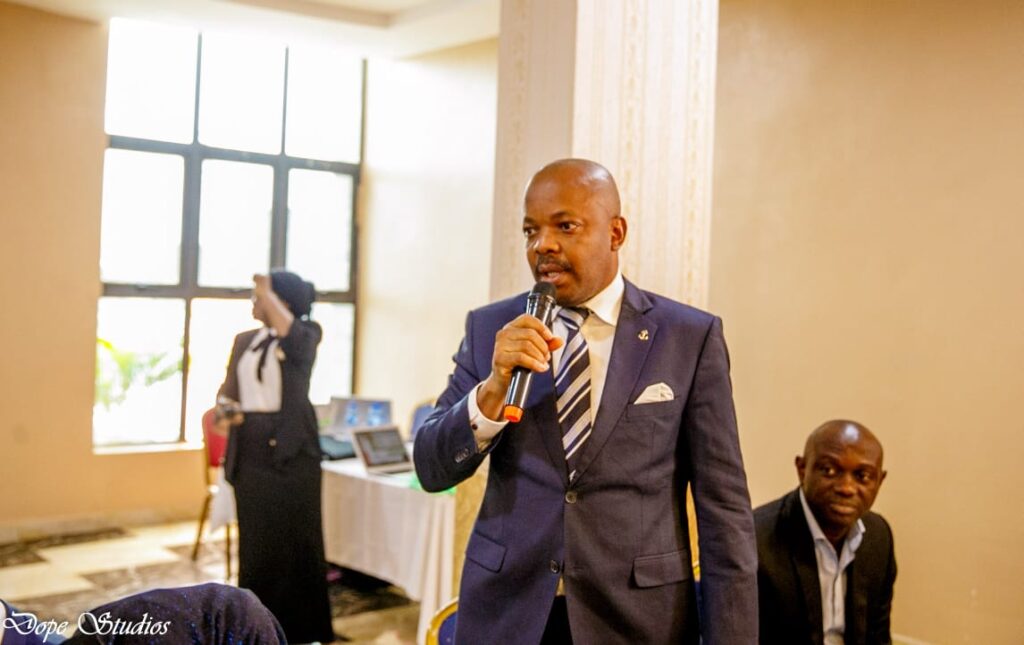
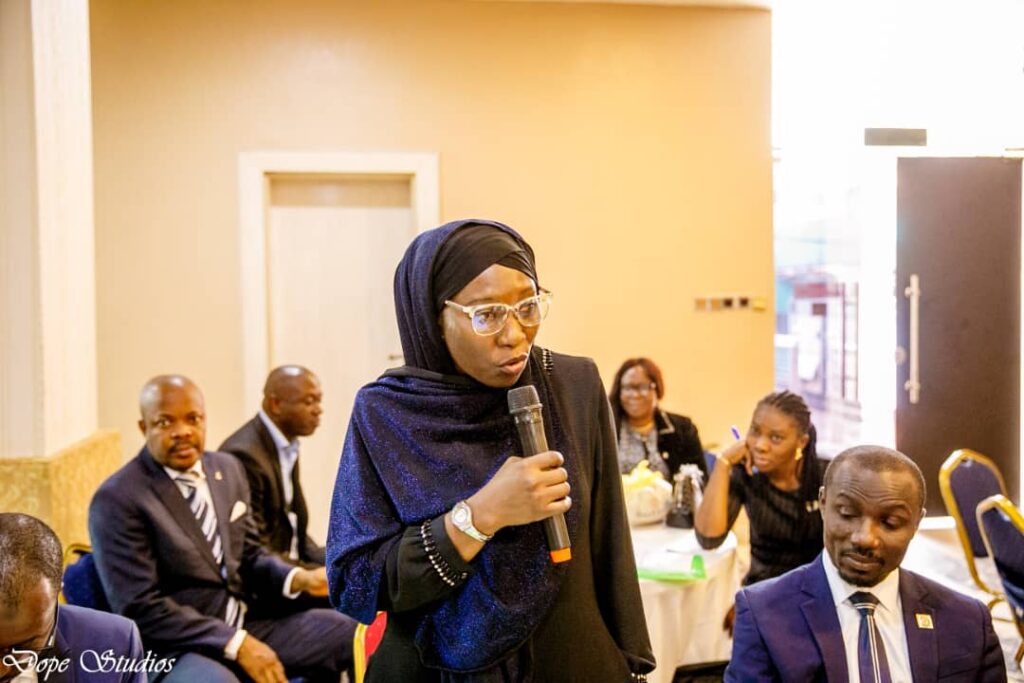
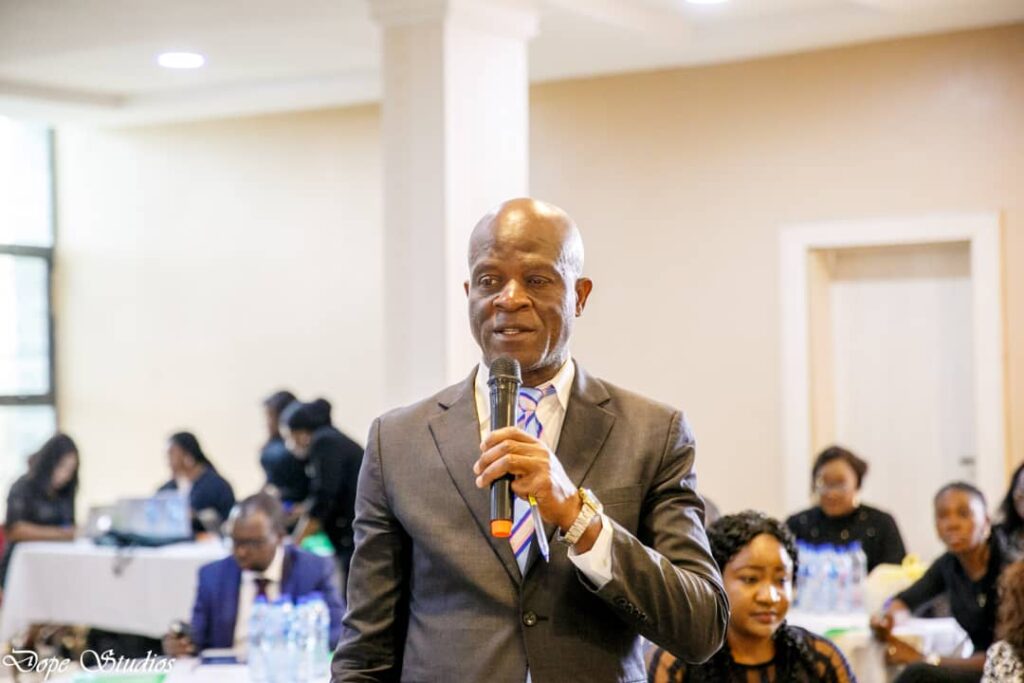
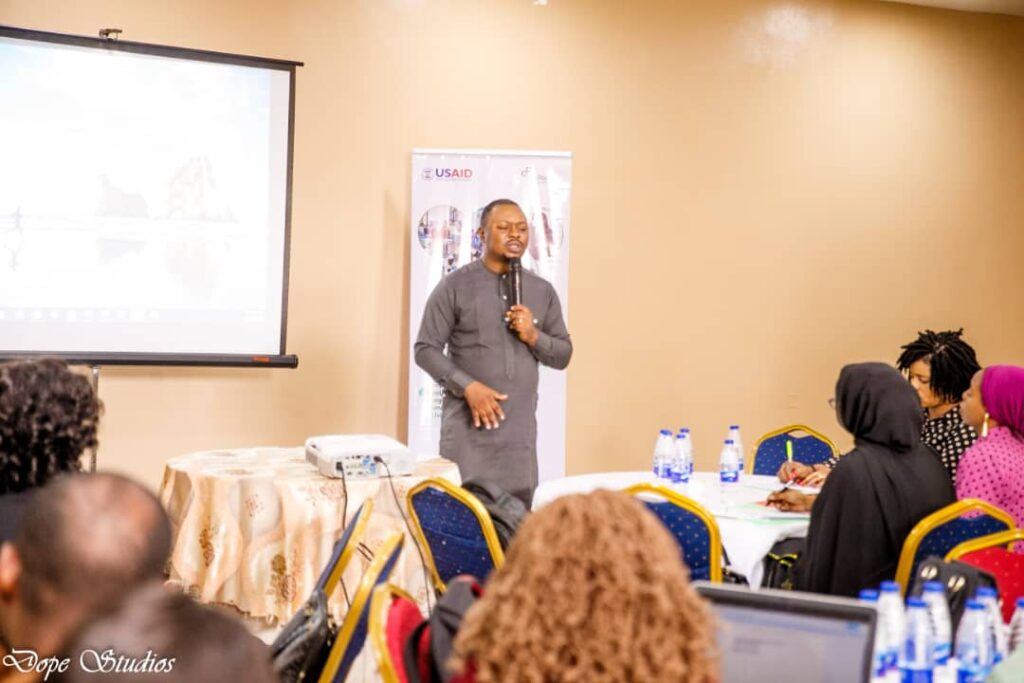
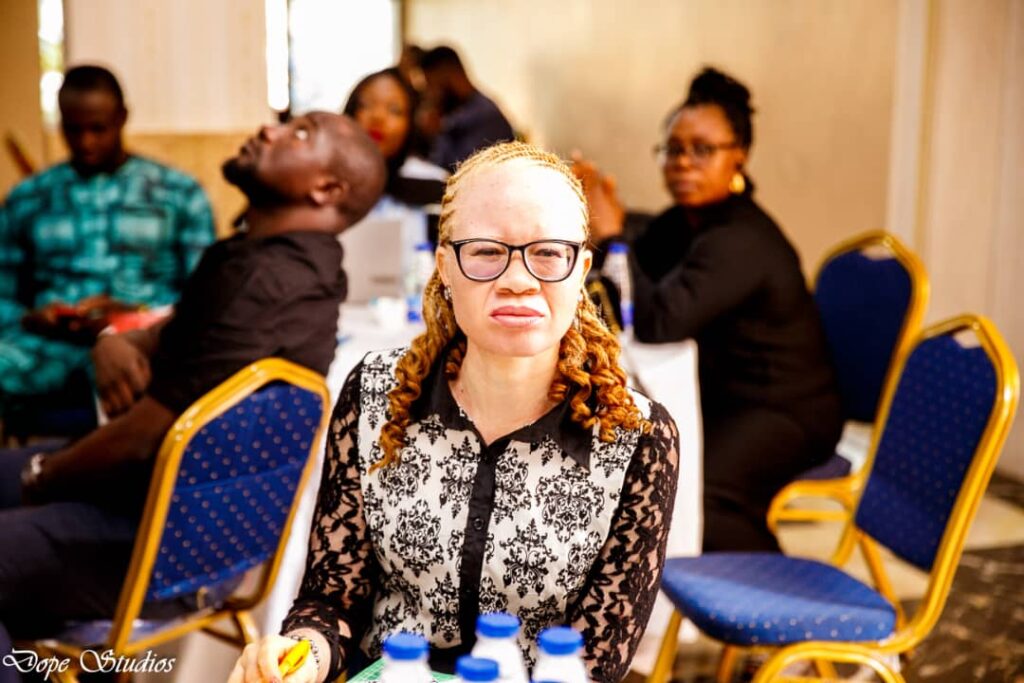
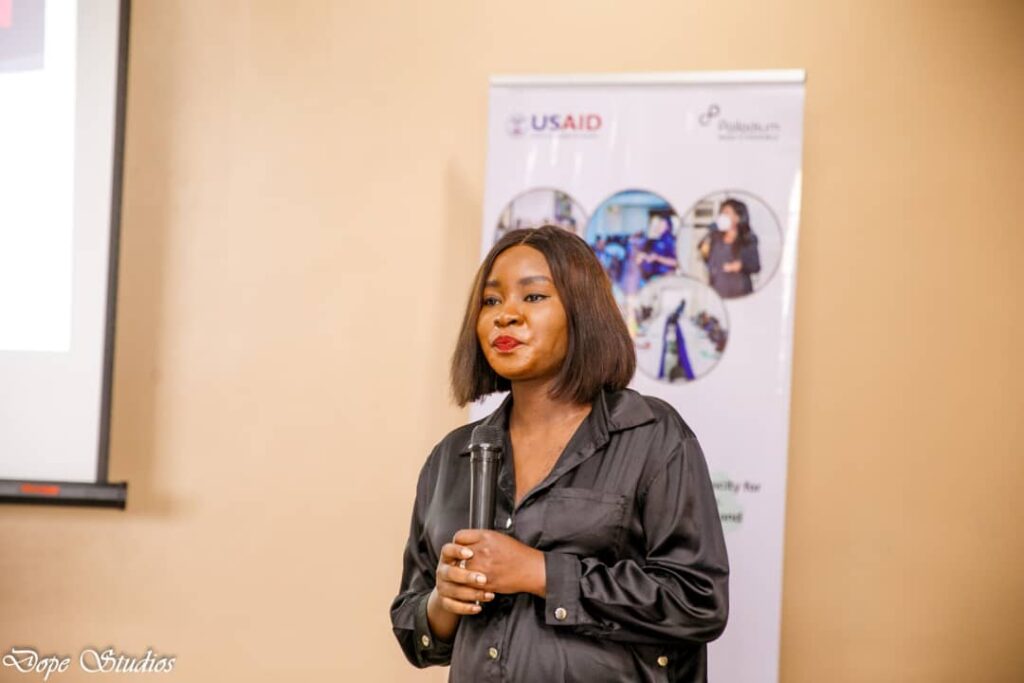
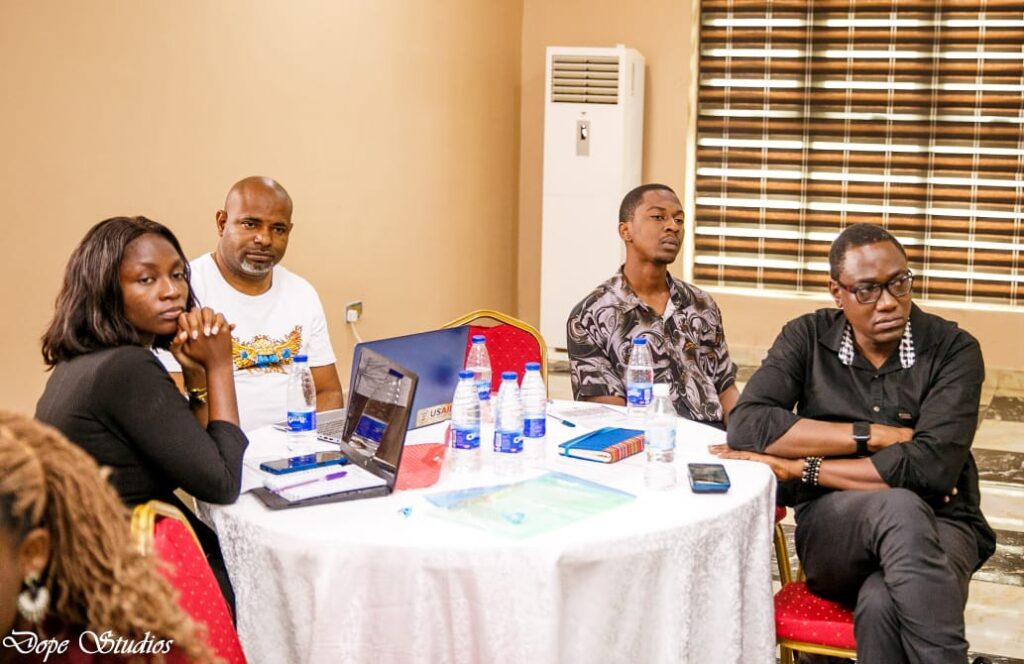
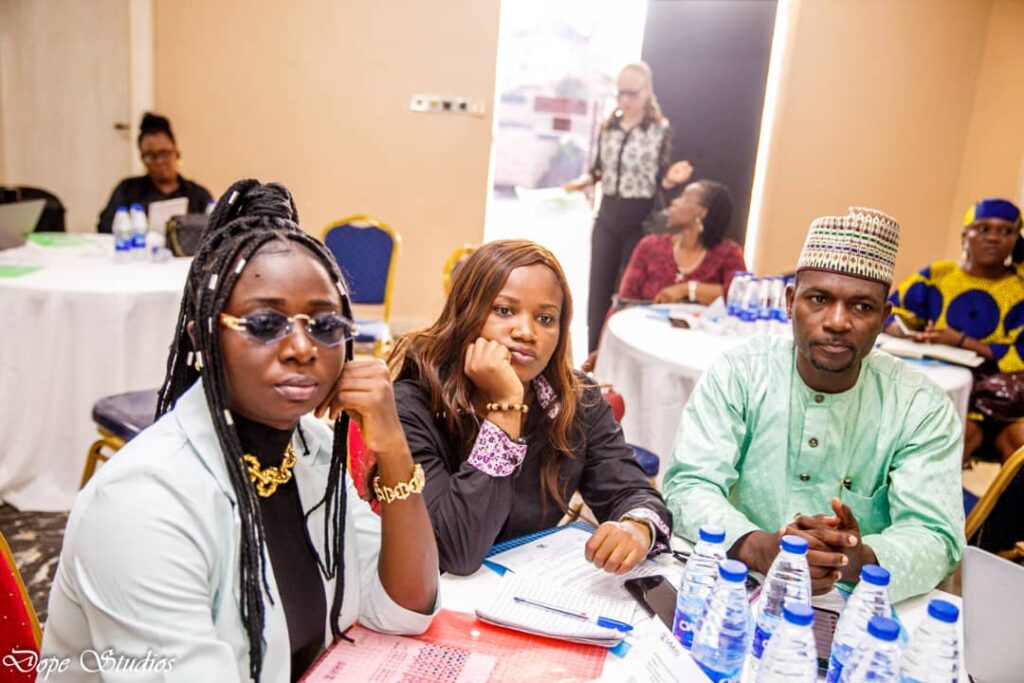
FIDA Nigeria organized her 2nd SGBV/CEFM Bi-annual Coordination meeting in 2023 for selected stakeholders yesterday in Abuja
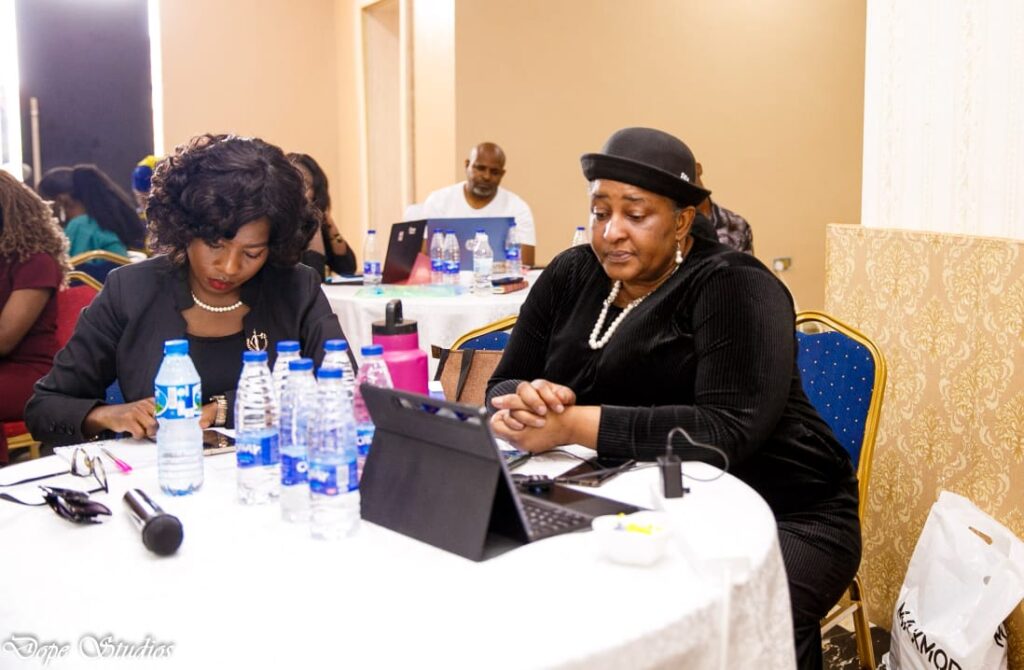
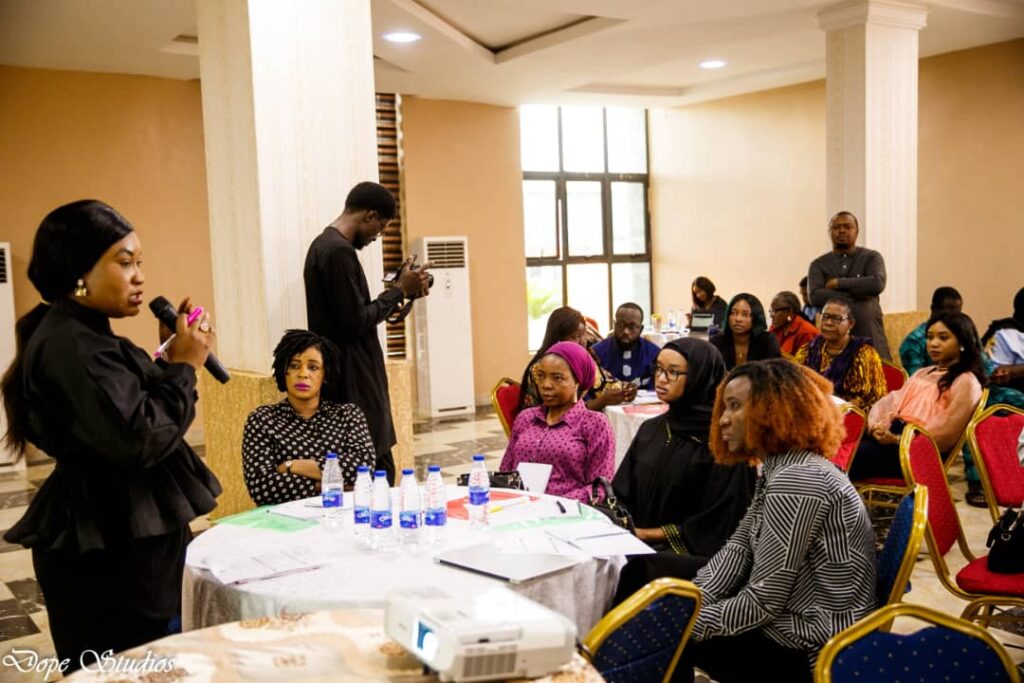
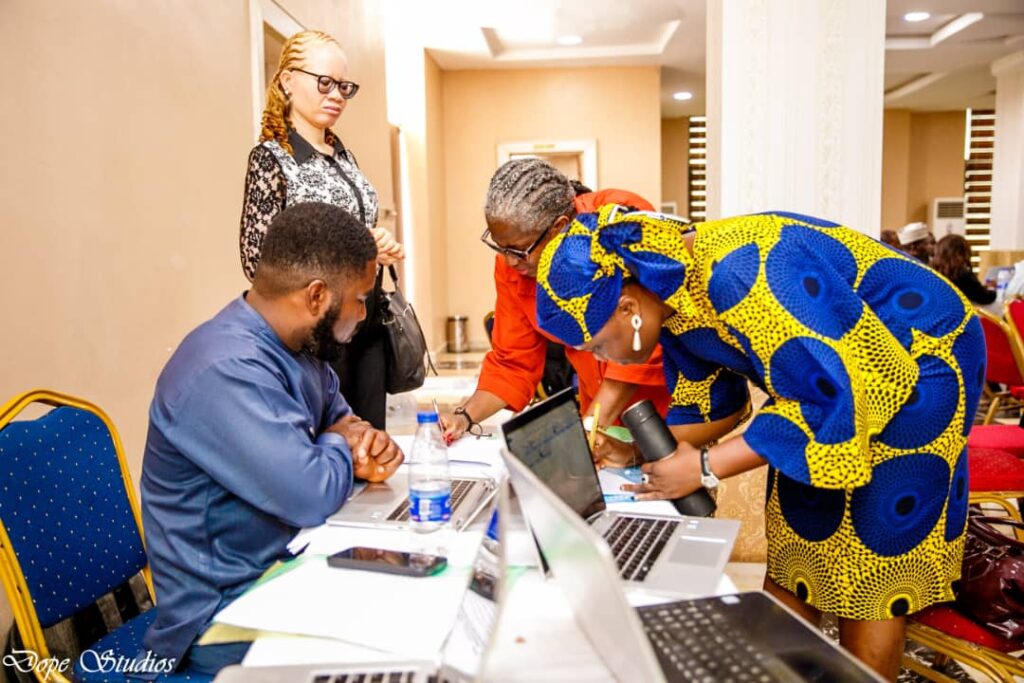
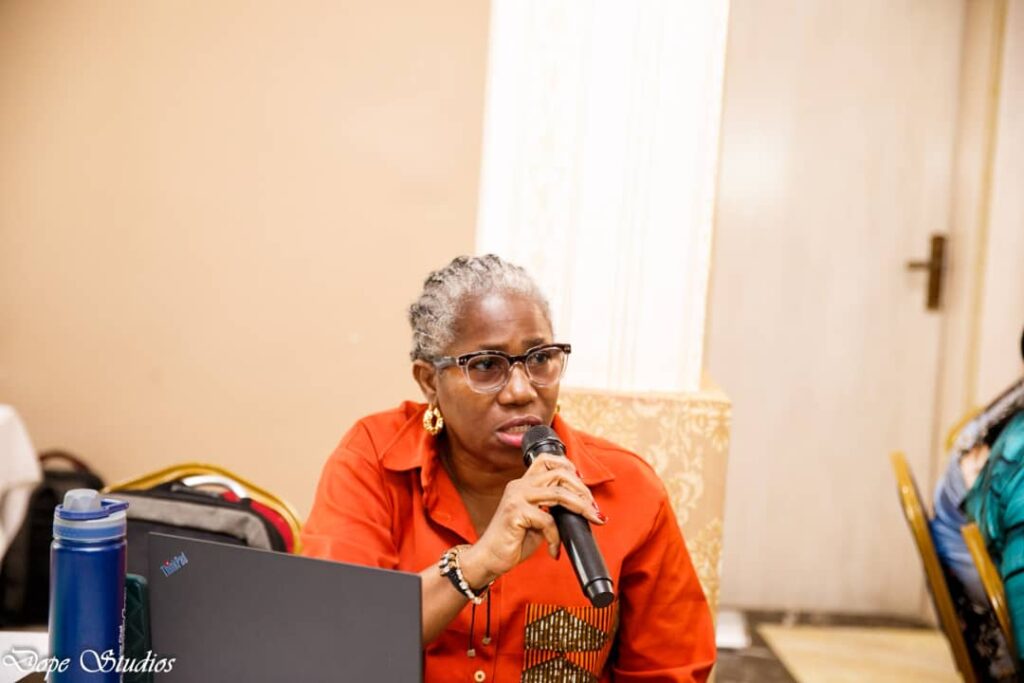
The Bi-annual Coordination meeting being the 4th in the series provided a platform for shared learning, mutual coordination, interactions, and networking amongst civil society actors working within the space. The meeting also addressed issues on sustainability of coordinated interventions by civil society organisation while expanding on other areas of best practices for effective preventive and response strategies on Sexual & Gender Based Violence (SGBV) and Child Early Forced Marriage (CEFM)
Present at the meeting were the Country Vice President and National President FIDA Nigeria, Amina Suzana Agbaje; Eric Umoru Eric Umoru – Social Protection & Inclusion Advisor Palladium; National Asst. Publicity Secretary Shaltha Nachamada; MDAs ,CSOs & Stakeholders from various parts of the country.
 by FIDA
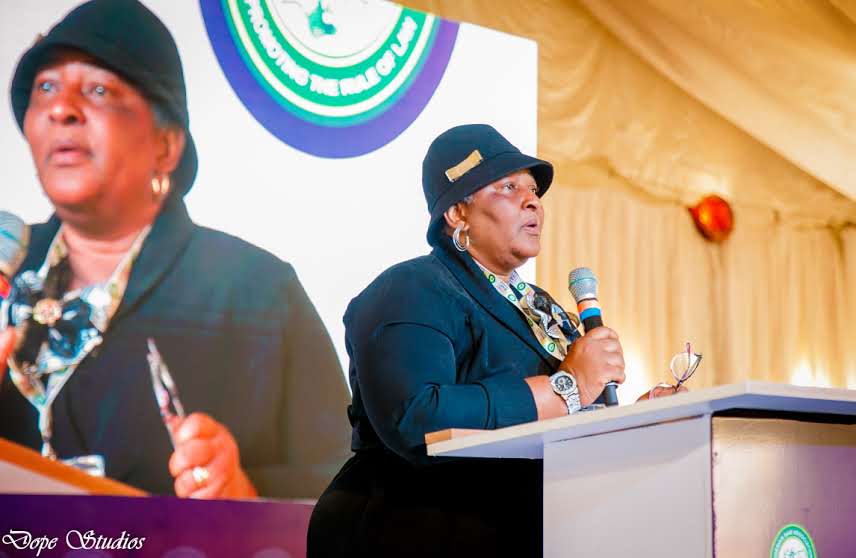
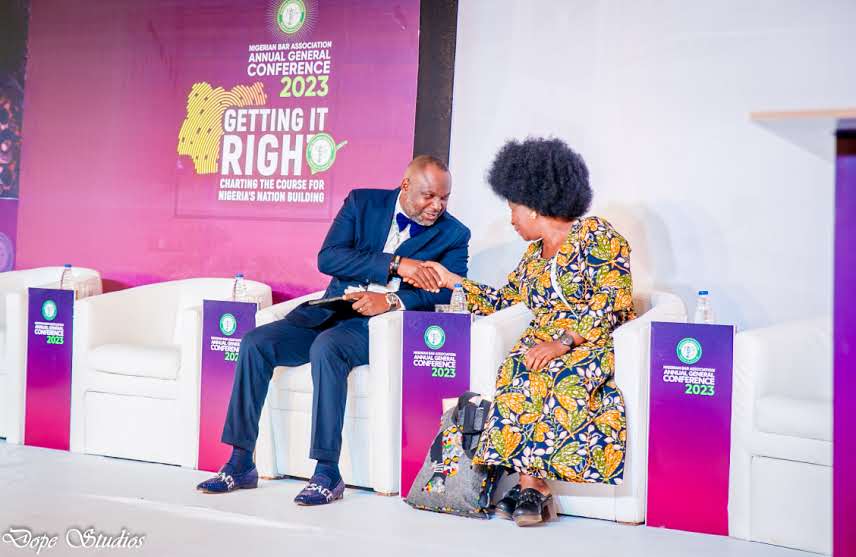
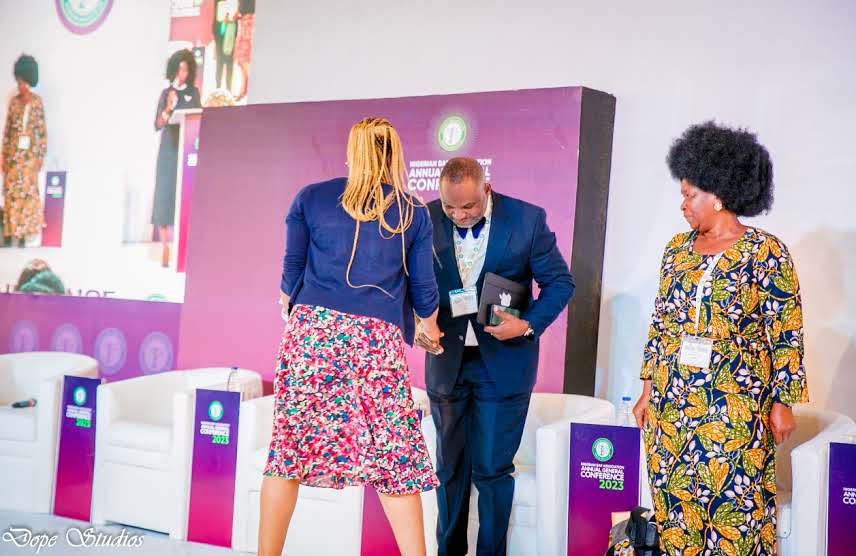
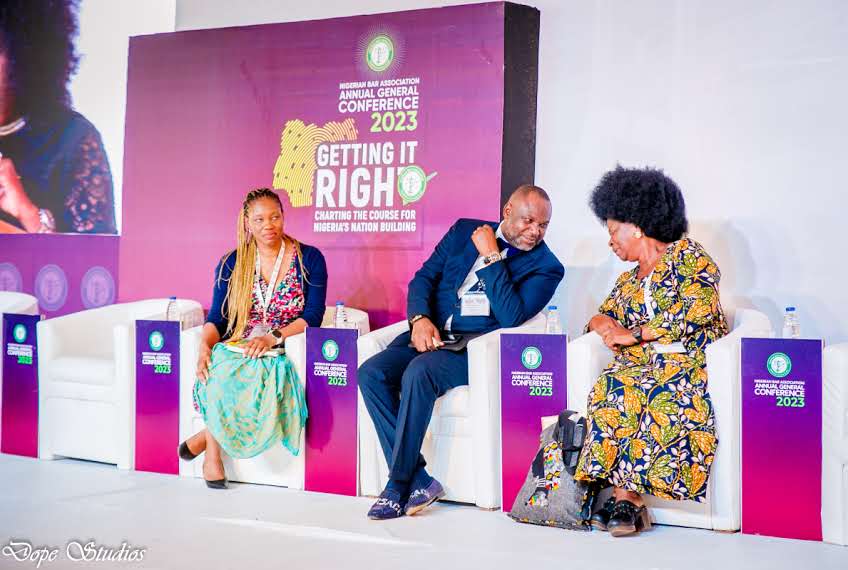
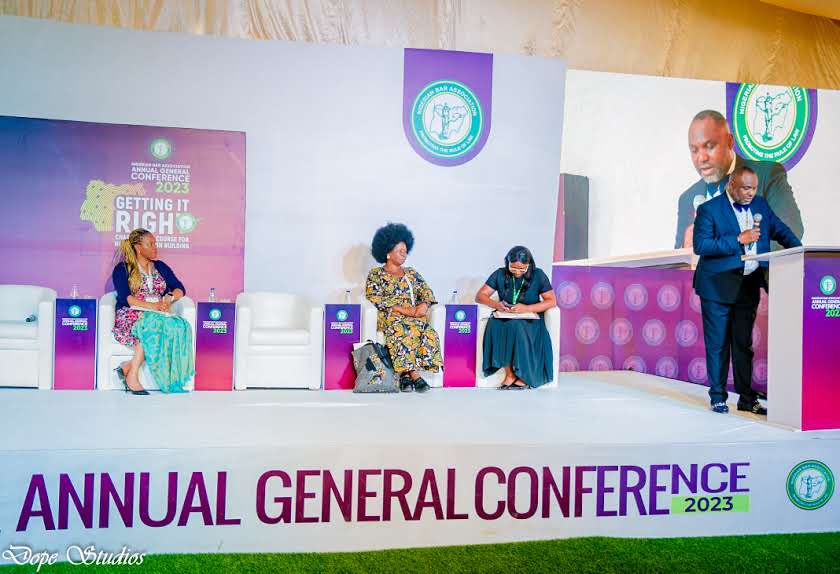
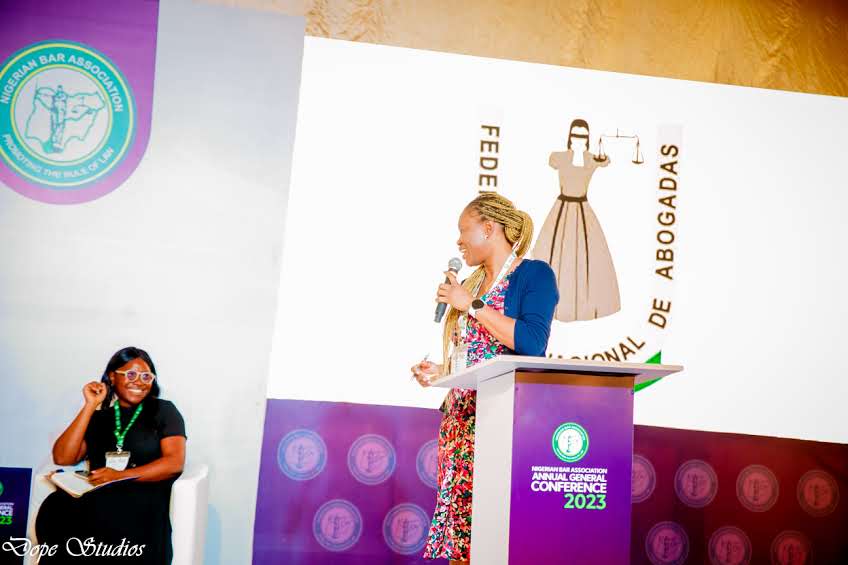
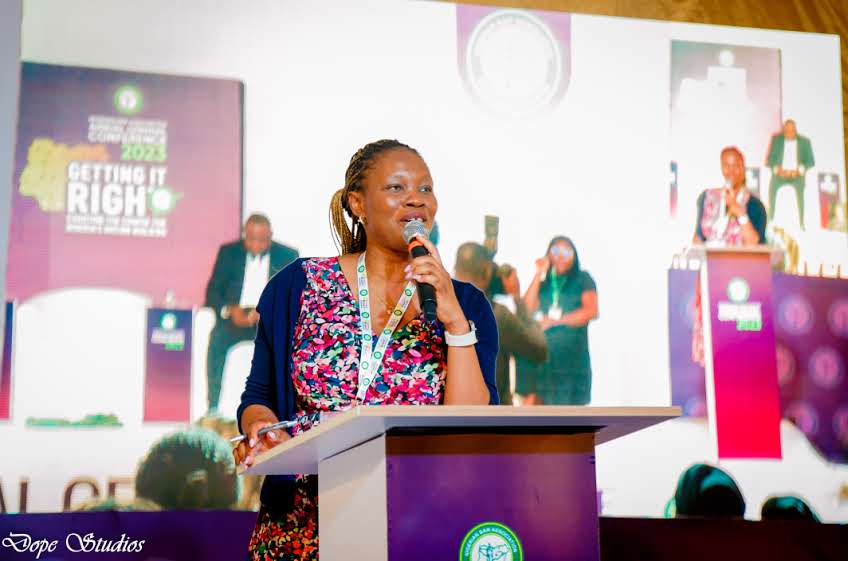
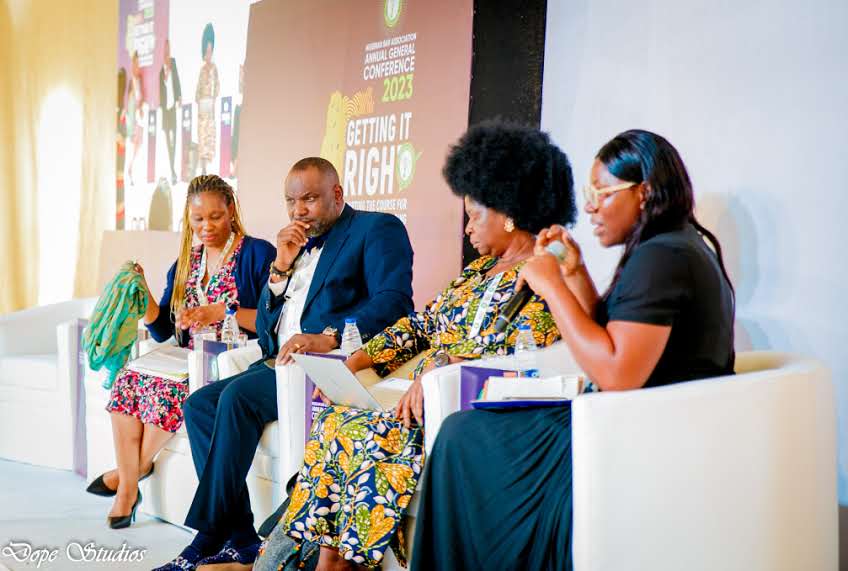
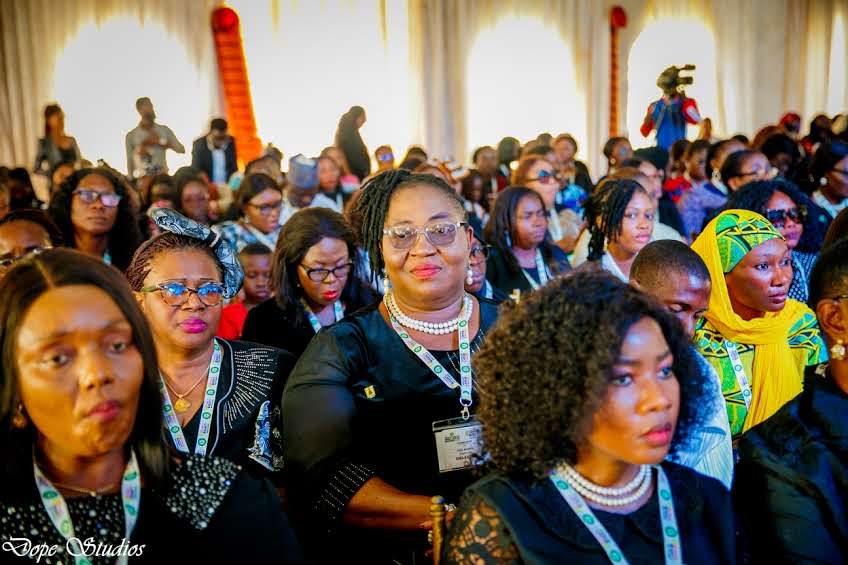
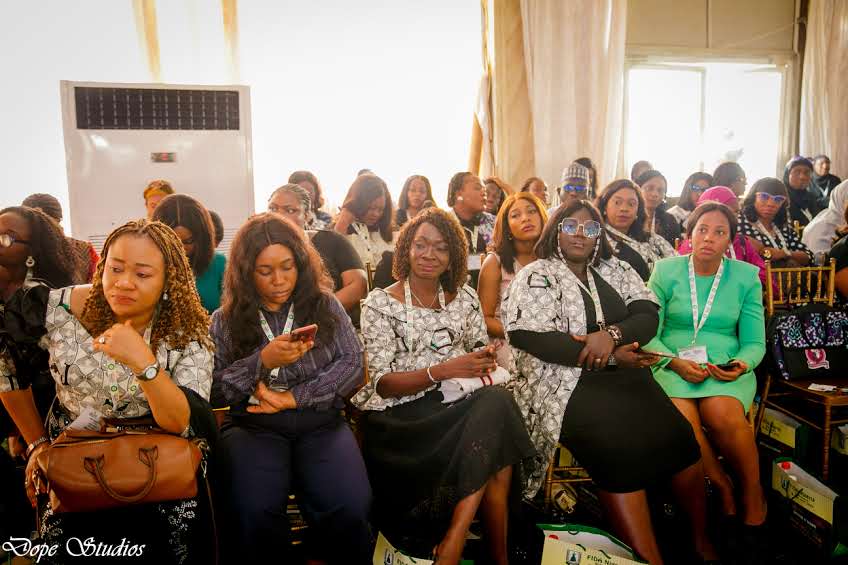
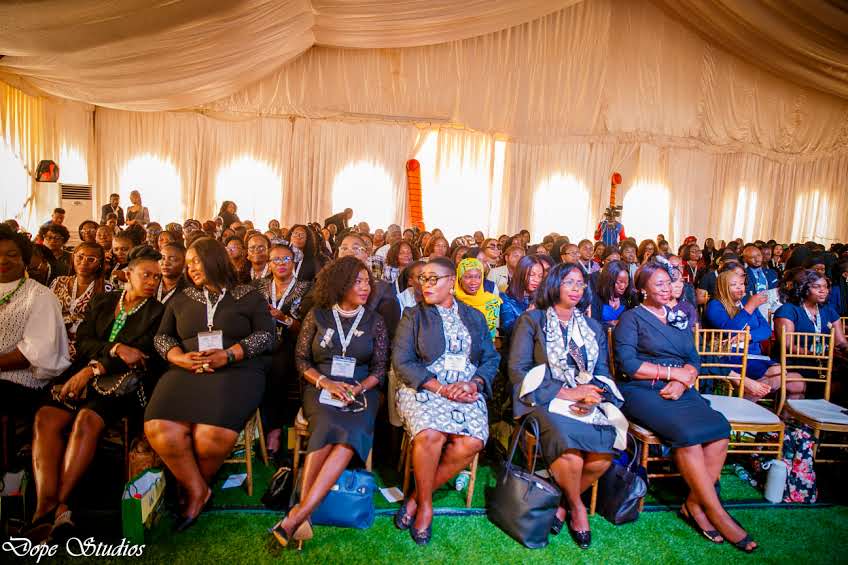
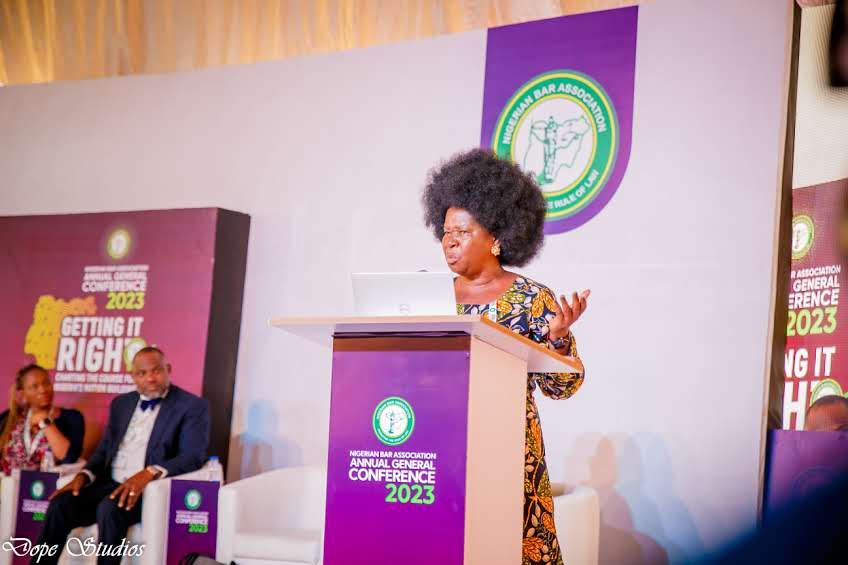
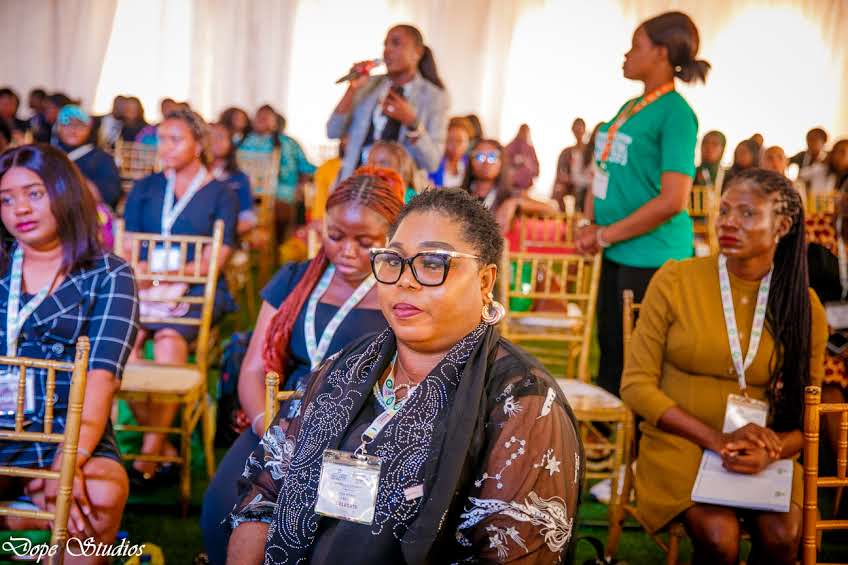
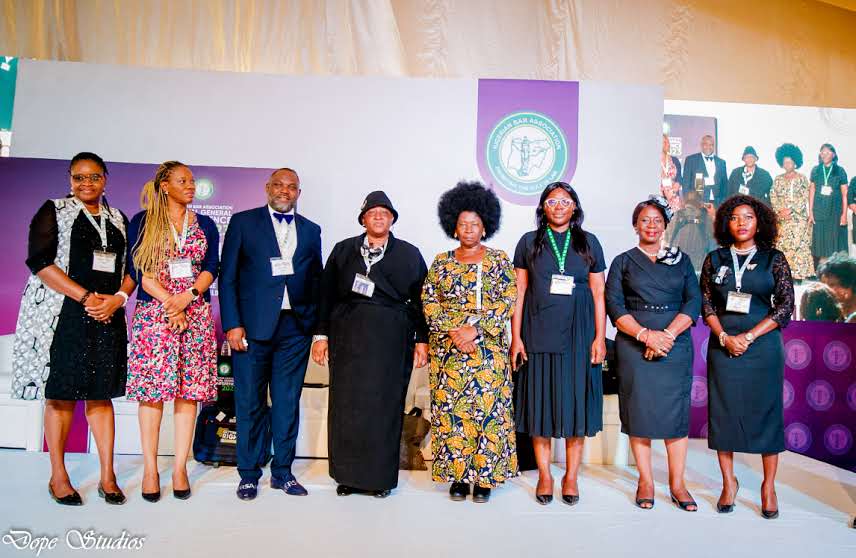
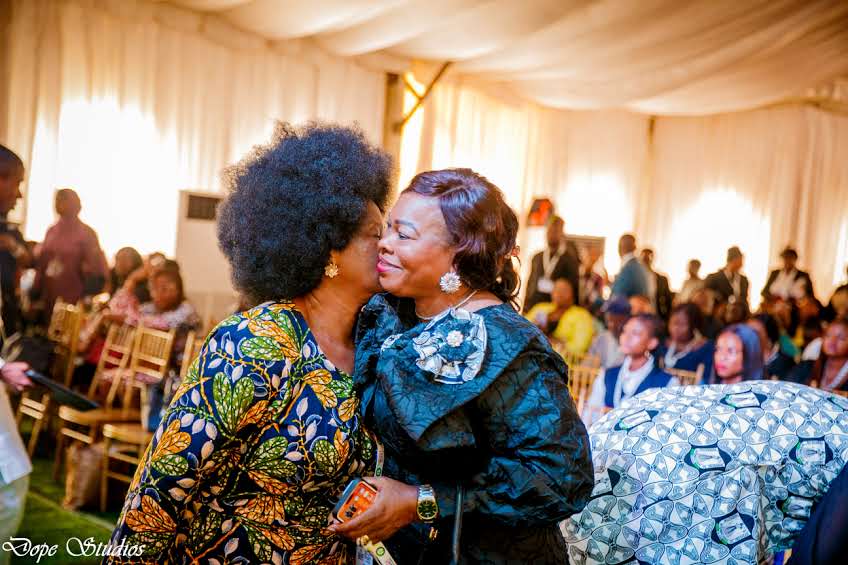
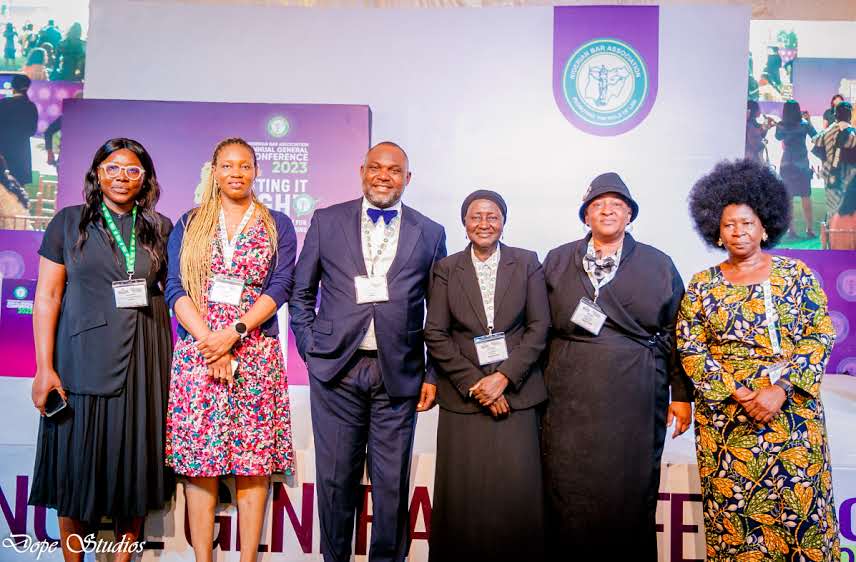
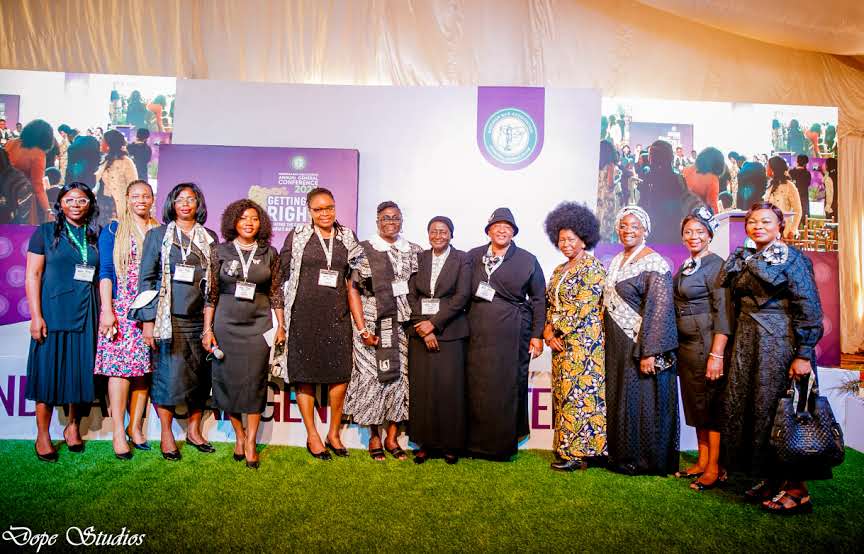
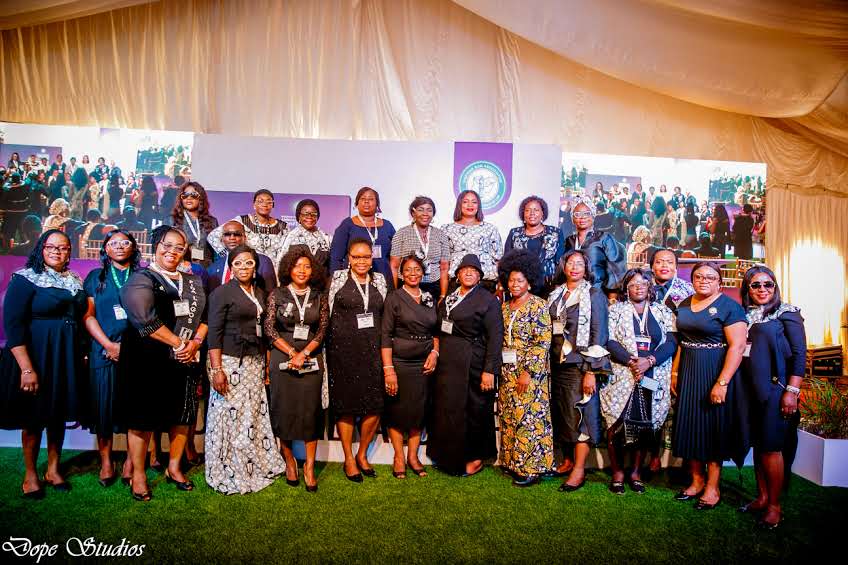
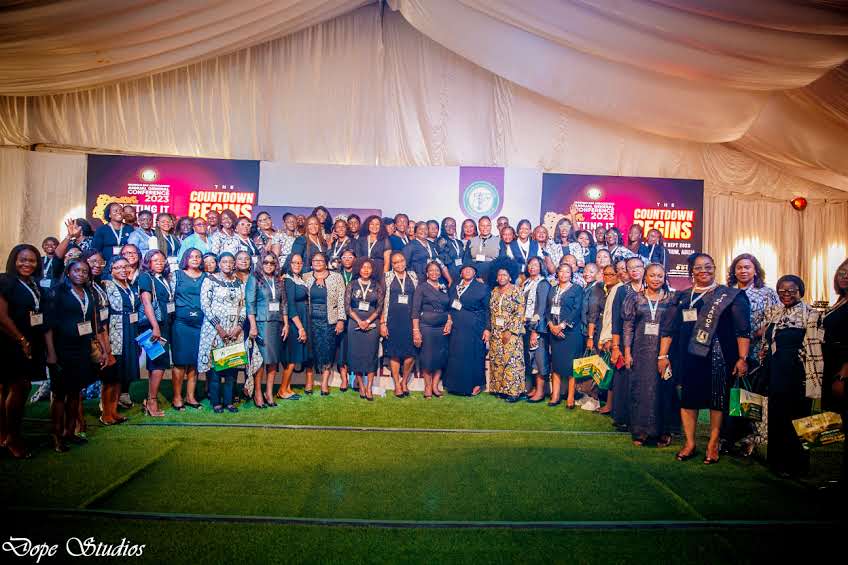
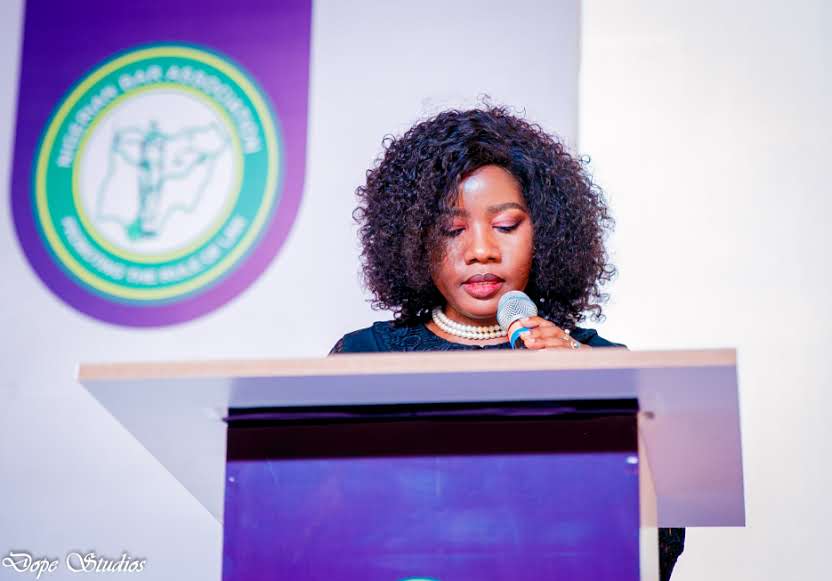
FIDA Nigeria Side Event at the 63rd NBA Annual General Conference
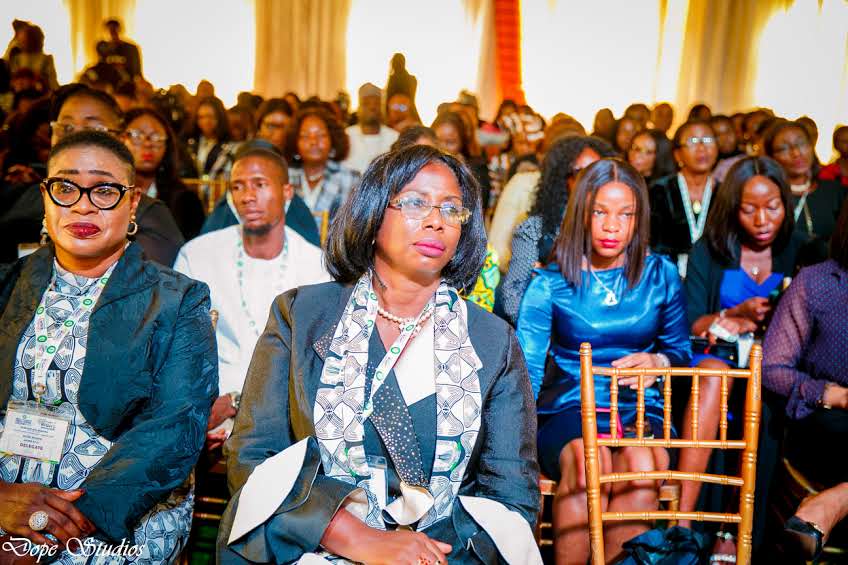
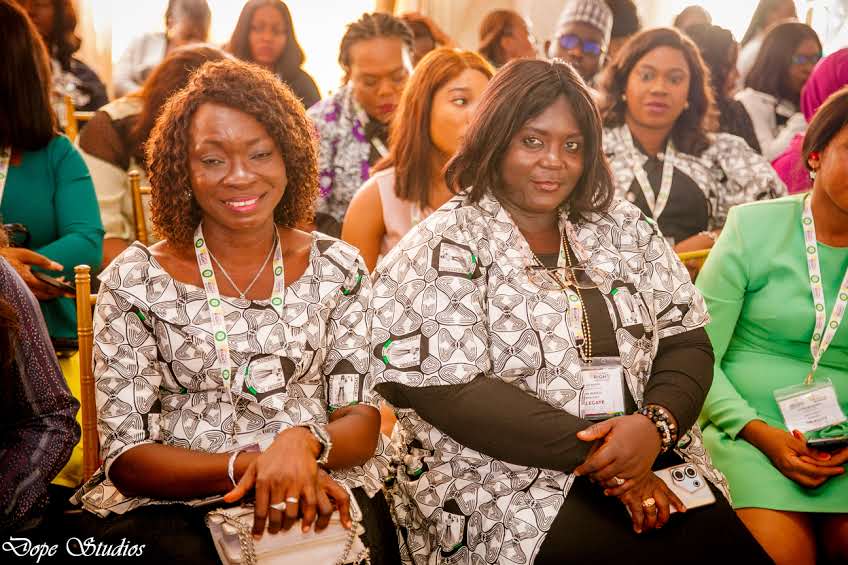
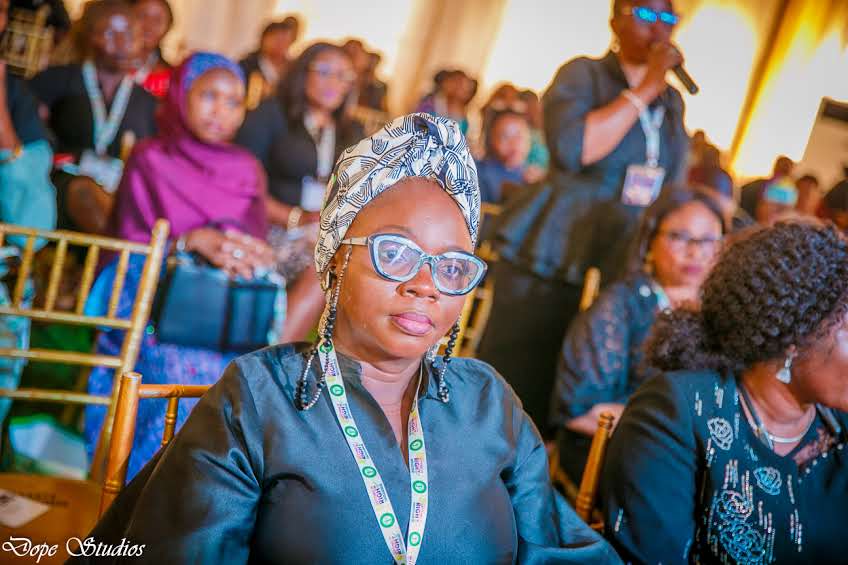
The parallel event of FIDA Nigeria which took place during the pendency of the 63rd Nigerian Bar Association (NBA) Annual General Conference held on the 30th of August 2023 at Moshood Abiola National Stadium Abuja, Federal Capital Territory, with the Theme ”Getting It Right: Women As Agents Of Change In Nation Building-Making A Case For The Nigerian Woman”
In her opening remarks, the Country Vice President/National President FIDA Nigeria Amina Suzanah Agbaje noted that “In the grand tapestry of Nigerian history, women have always been present, silently shaping the destiny of our nation. They have stood as pillars of strength, demonstrating resilience in the face of challenges, and nurturing the seeds of progress within our communities. However, it is time we give Women the recognition we truly deserve, as agents of change in nation-building.”
The plenary session had a line up of erudite guest speakers including Ene Obi, immediate Past Country Director, Action Aid Nigeria; Johnson J. Usman SAN, Principal Partner, J.J Usman SAN and co.; and Oluwatoyosi Giwa, Project Manager, Access to Justice for Women, Children and Persons with Disabilities for the Rule of Law and Anti-Corruption (RoLAC) programme. It was moderated by Chisom Ihekwaba, co-founder of Sisters’ Bond Initiative.
In attendance were notable personalities which included member Board of Trustees FIDA Nigeria Prof Jummai Audi; Past Regional Vice Presidents Chief (Mrs.) Victoria Olufunmilayo Awomolo SAN and Hajiya Laraba Shuaibu; Past Country Vice President FIDA Nigeria Rhoda Prevail Tyoden; National Secretary Eliana Martins; National Asst. Publicity Secretary Shaltha Nachamada; Members of the National Executive Council of FIDA Nigeria; Chairman, Nigerian Law Reform Commission; FIDA Members and a host of other dignitaries and delegates.
It was a well-attended event that sparked off enlightening, incisive and highly interactive discussions on the various ways women’s numerous contributions and the invaluable role they play as agents of change, shape and transform the trajectory of nation-building.
Fidanigeria
womeninnationbuilding
agentsofchange
genderparity
equalrepresentation

 by FIDA
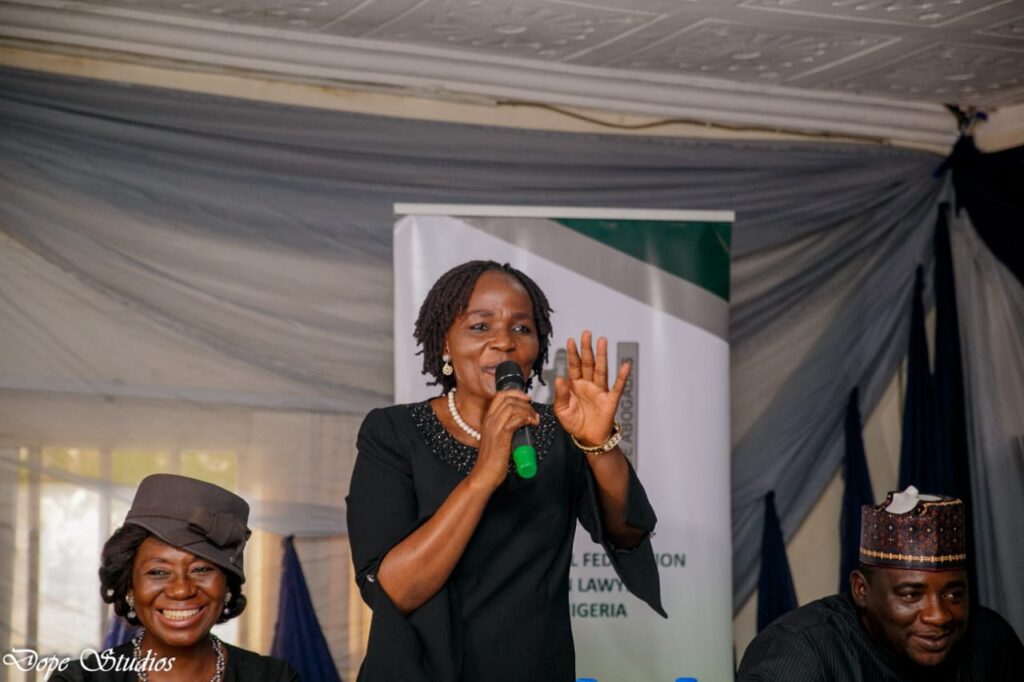
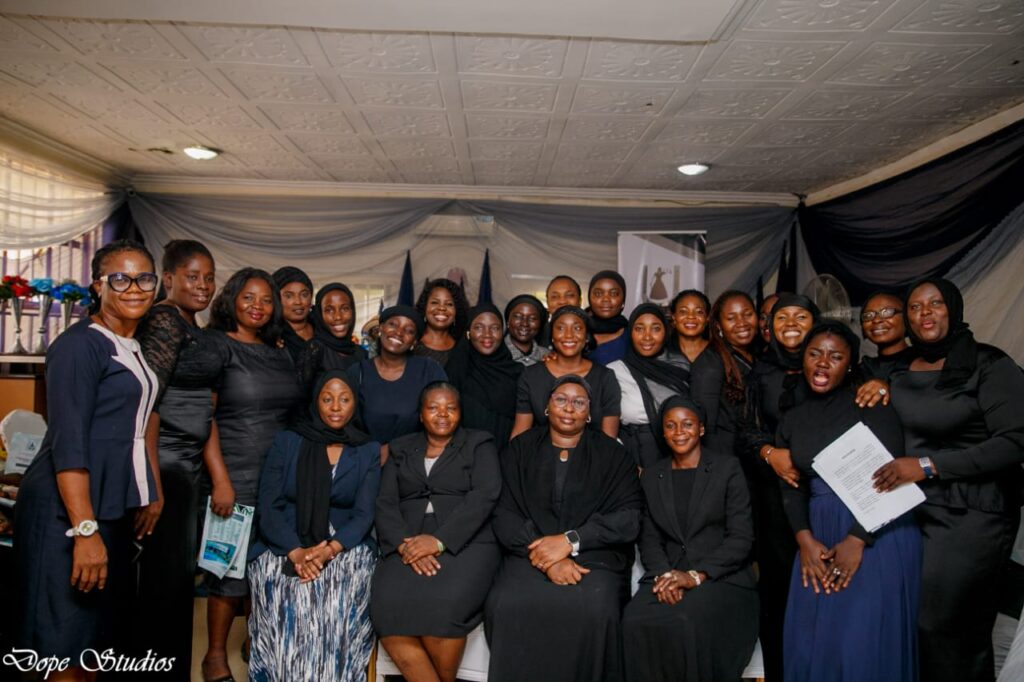
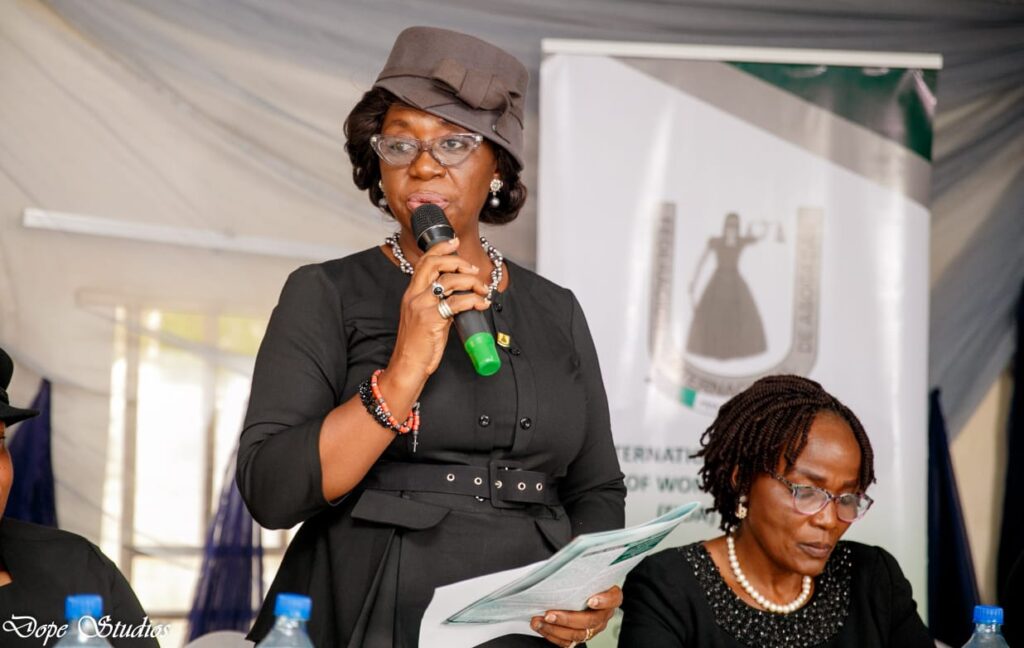
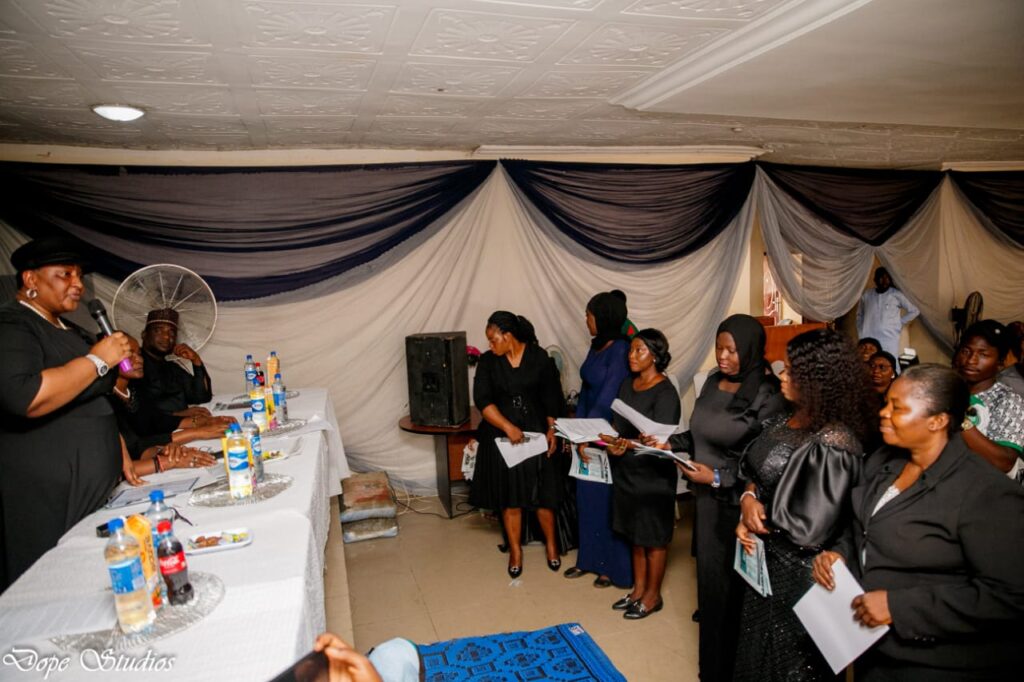
FIDA Nigeria Inaugurates Suleja Branch
It is Official!!!!
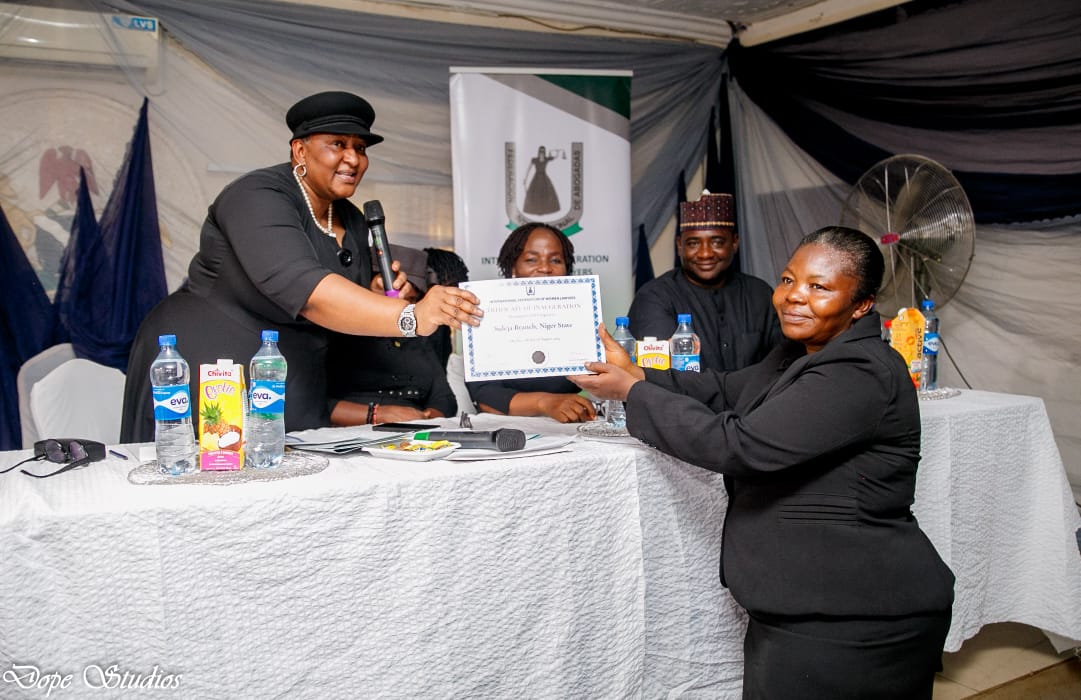
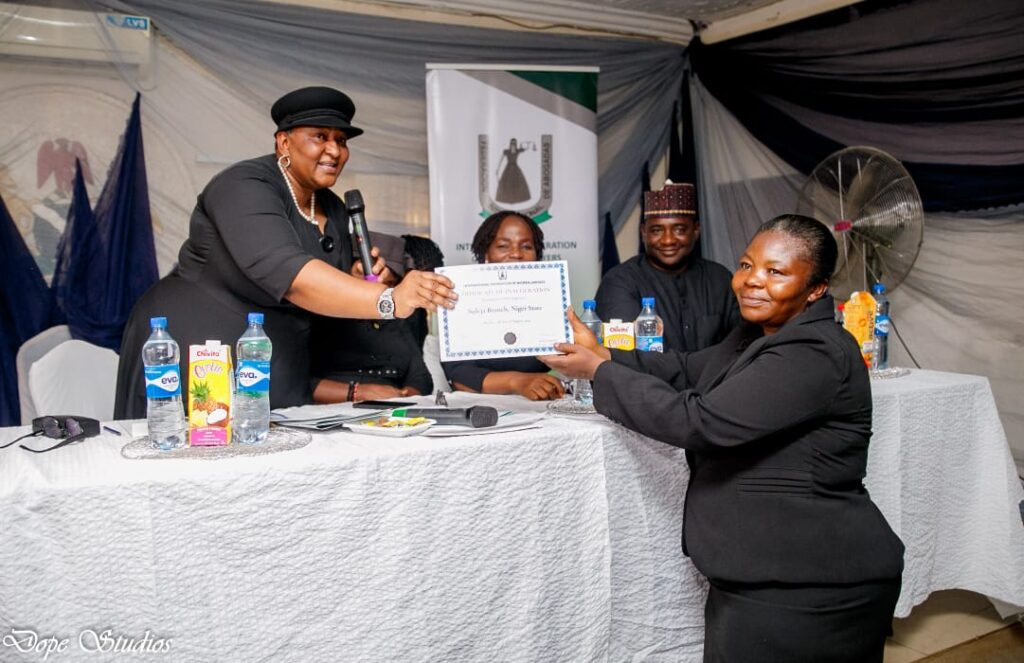
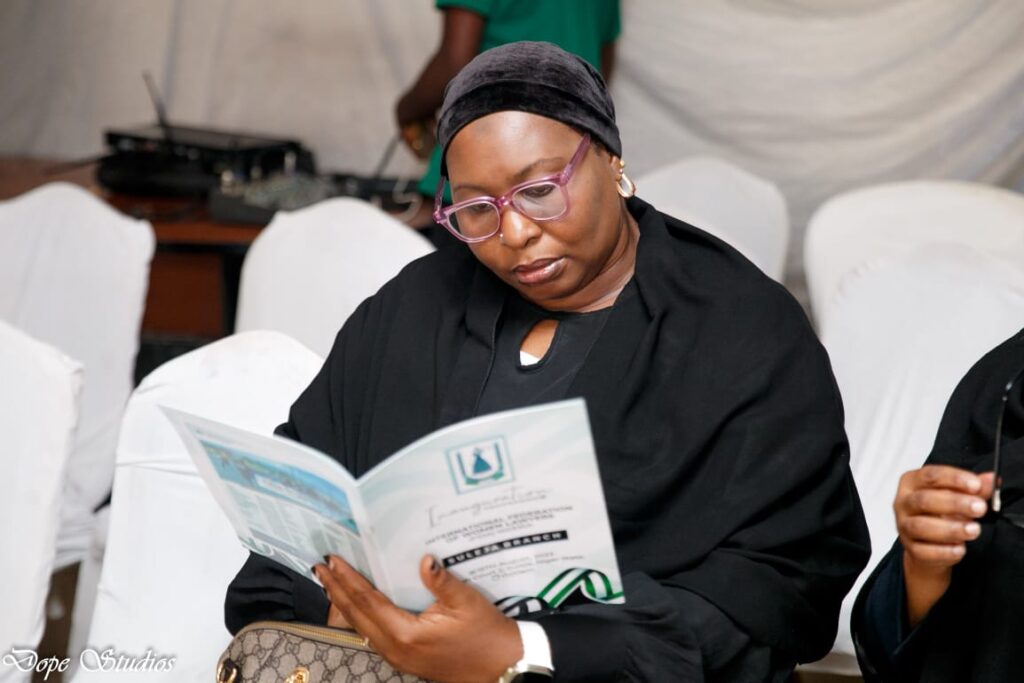
A brand new Branch has been added to the growing number of FIDA Branches spread across the 36 states of Nigeria and the Federal Capital Territory. This is because on Tuesday, the 15th of August 2022, FIDA Nigeria inaugurated its 46th Branch, ”FIDA (Nigeria) Suleja Branch Niger State”
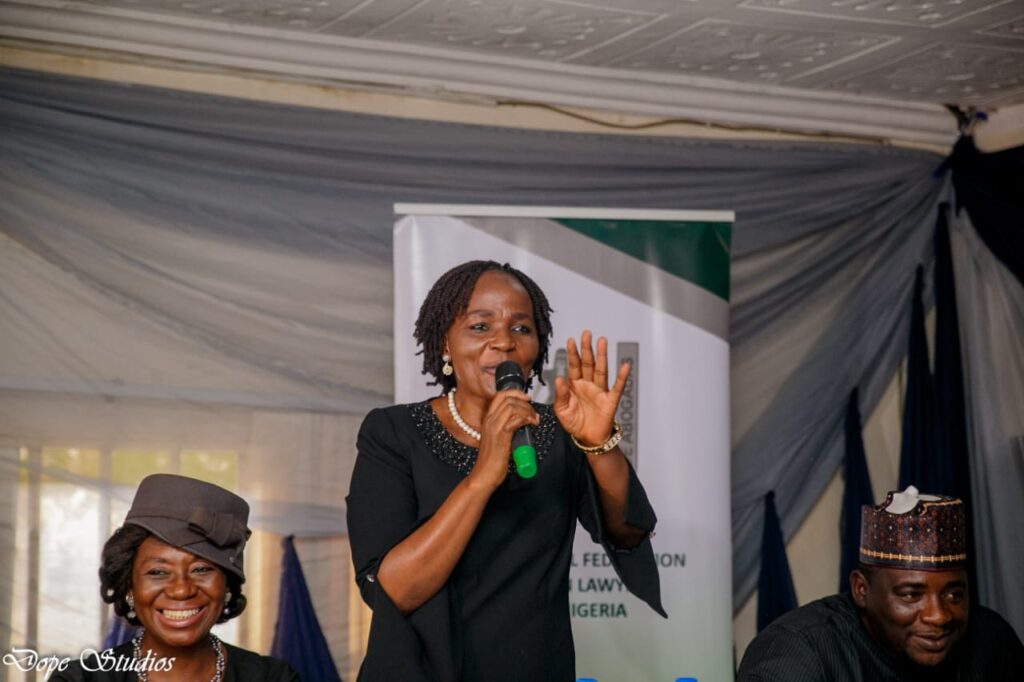
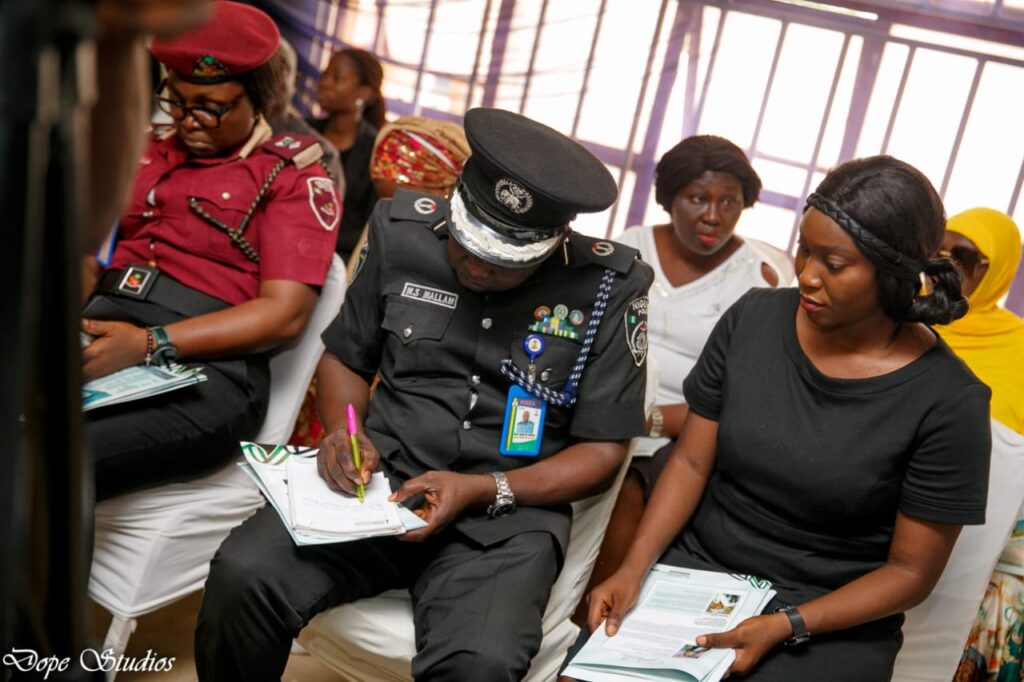
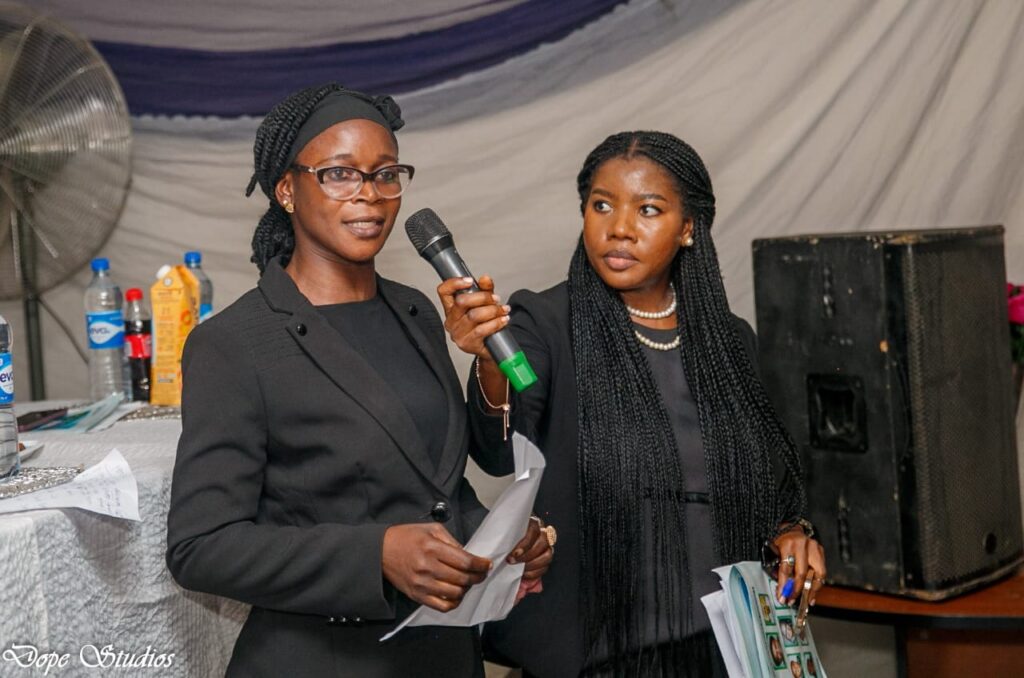
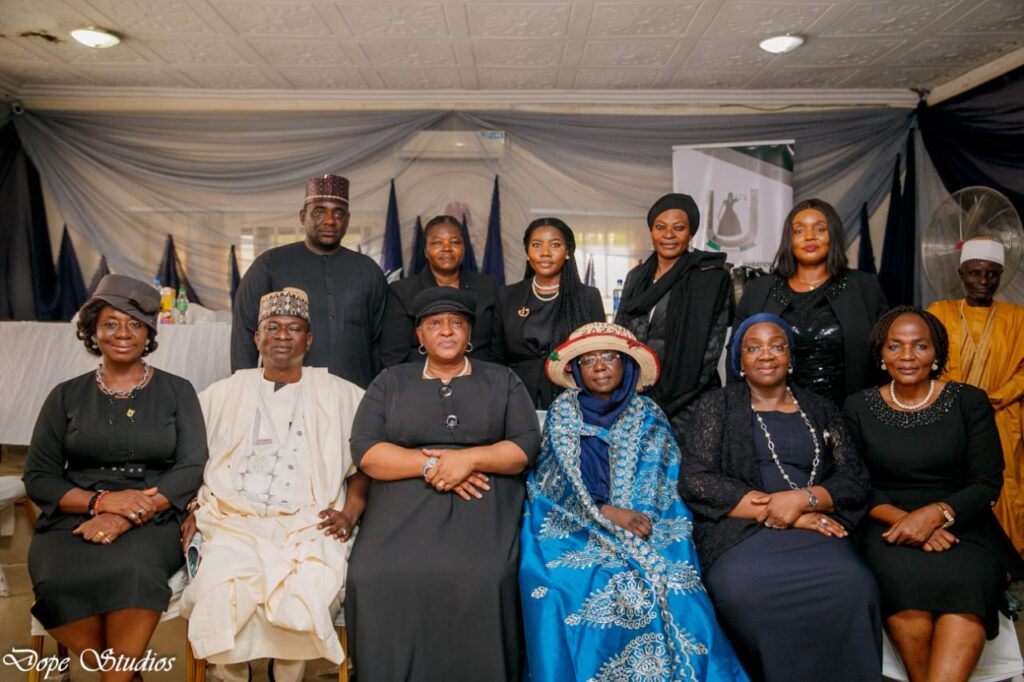
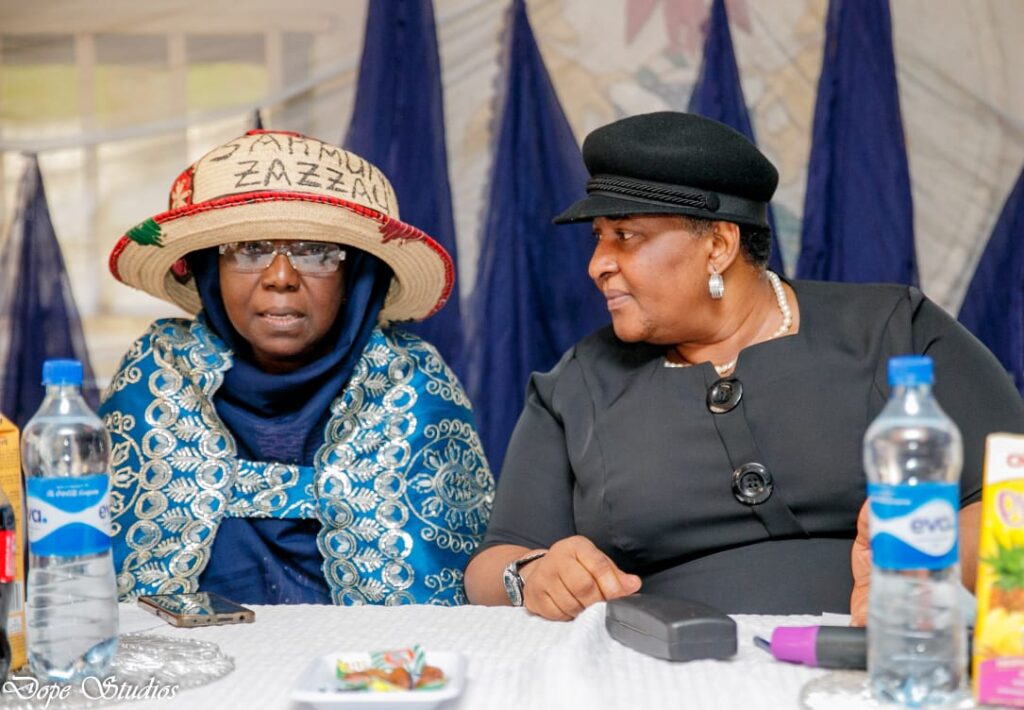
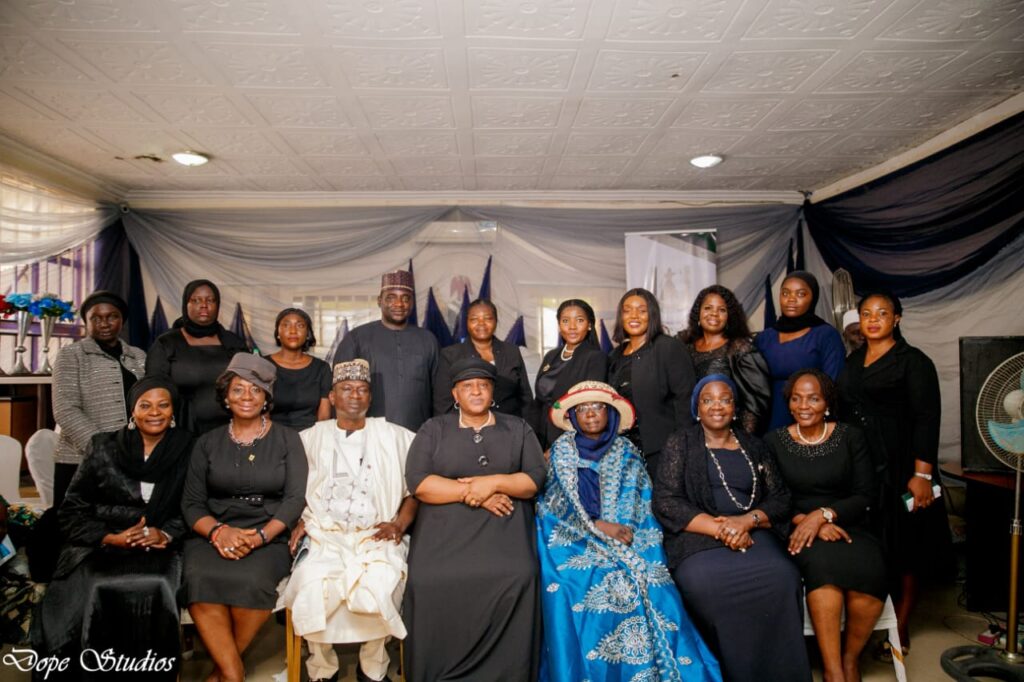
The inauguration took place at High Court 2, Suleja Niger State, and had in attendance several distinguished personalities including the Country Vice President FIDA Nigeria, Amina Suzanah Agbaje; the National Secretary Eliana Martins; National Asst. Publicity Secretary Shaltha Nachamada; CVP emerita Rhoda Prevail Tyoden; Zonal Coordinator FIDA North Central Zone, Hajiya Laraba Shuaibu; Chairperson emerita FIDA Abuja Branch Rekia Adejo-Andrew; Chairperson FIDA Minna Branch, His Worship Bilikisu Labaran Kago; the Sarauniyyan Zazzau Dr. Rahmatu Hassan (who doubled as a Matron of the Branch); the Area Commander Suleja Police Command ACP S.M Musa; Chairman NBA Suleja; Ibrahim Bako Esq, the Route Commander Federal Road Safety Corps; Bar leader P.U Ekwueme Esq., amongst several Magistrates, distinguished guests and FIDA members.
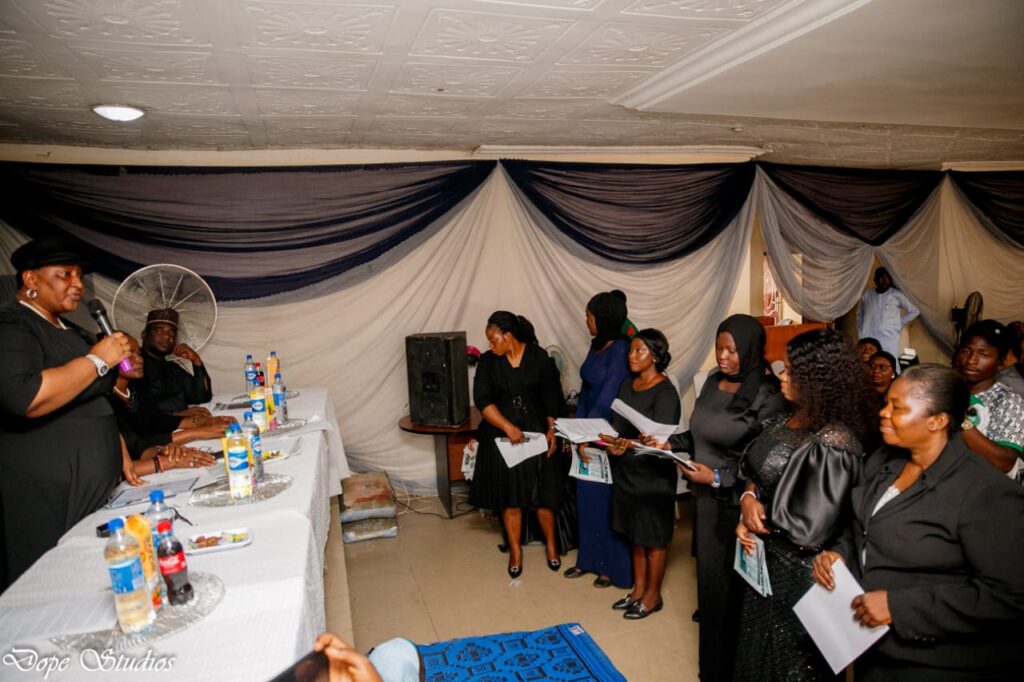
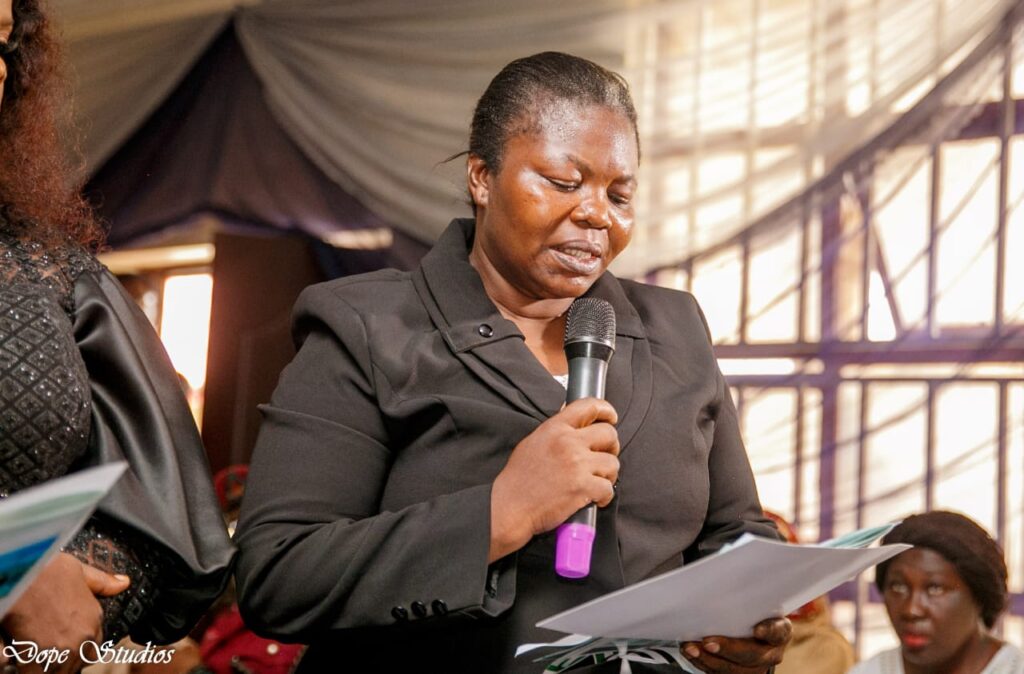
The induction of FIDA (Nigeria) Suleja Branch Niger State as the newest Branch of FIDA Nigeria, forms part of FIDA’s commitment to reaching grassroot communities while scaling up its objective of protecting, promoting and preserving the rights of women and children. The formal inauguration of the new Branch was carried out by the Country Vice President FIDA Nigeria, after which Branch officials were sworn in by His Worship Ruth Ibrahim Dauda.
The inauguration of the 46th Branch of FIDA Nigeria was a monumental success underscoring FIDA’s dedication to broadening the scope of provision of pro-bono legal services, particularly to the grassroots where it is much needed.


 by FIDA
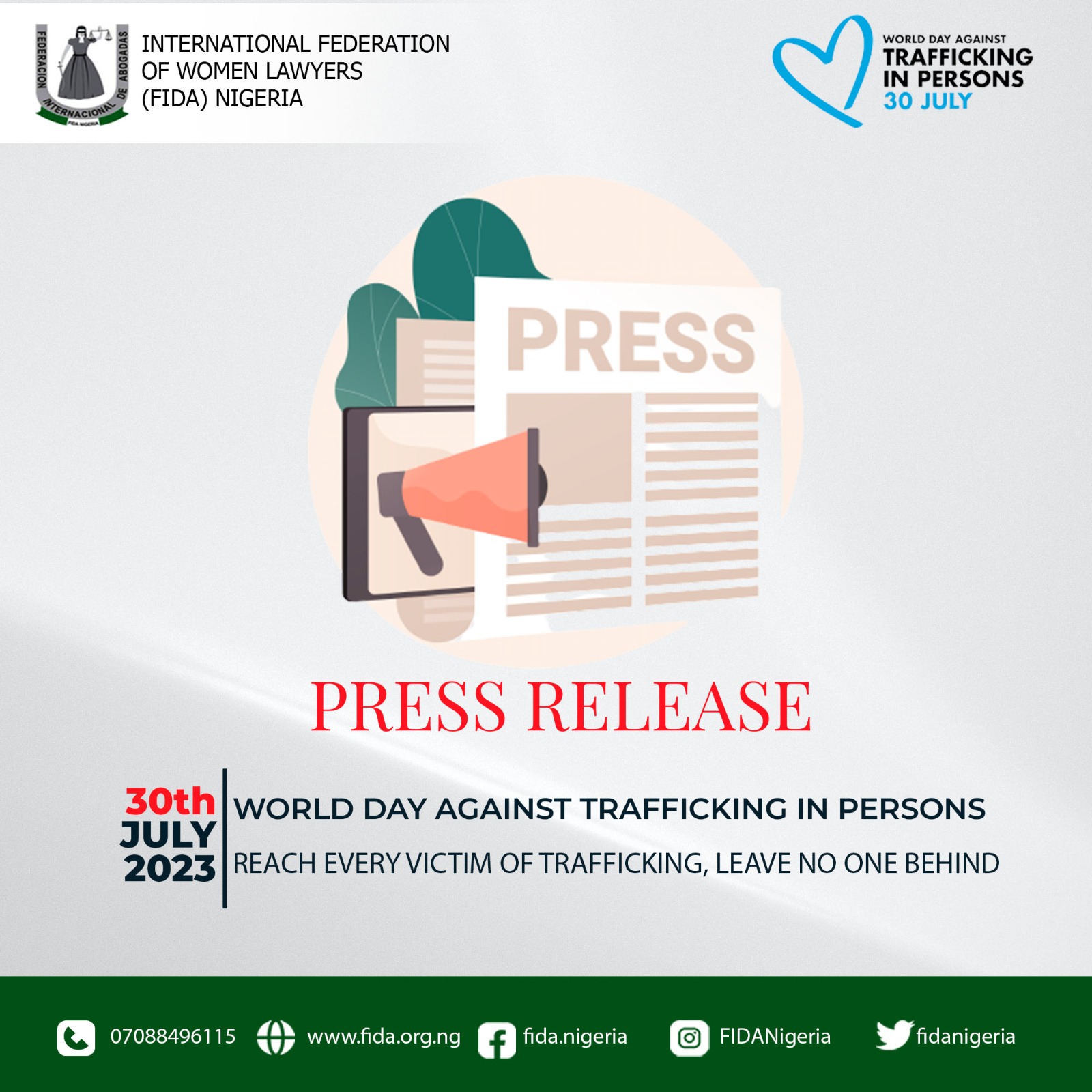
World Day Against Trafficking in Persons 2023
Theme: ”Reach every victim of trafficking, leave no one behind”
The International Federation of Women Lawyers (FIDA) Nigeria lends its voice in commemoration of the 2023 International Day Against Human Trafficking, which falls annually on the 30th of July. FIDA Nigeria joins the United Nations System and all world organizations to raise awareness under the global theme ”Reach every victim of trafficking, leave no one behind”
According to the United Nations, “leaving people behind” in the context of trafficking in persons, means failure to end the exploitation of trafficked victims; failing to support victim-survivors once they are free from their traffickers, and leaving identifiable groups vulnerable to traffickers.
In commemorating the World Day Against Trafficking in Persons, FIDA Nigeria organized a Webinar themed ”The Scourge of Trafficking In Person: X-raying Linkages With Gender Based Violence And Illegal Adoption”
Statistics show that 7 out of 10 human-trafficked victims are women and girls. The impact of this scourge poses a huge menace and causes the loss of basic human rights; loss of one’s childhood; disruption in families, and overwhelming and devastating mental health consequences.
FIDA Nigeria will continue to do all it can to fight against human trafficking in all forms and will continue to partner with the National Agency for the Prohibition of Trafficking in Persons (NAPTIP) to ensure that women and children live in a society free from all forms of exploitation and abuse.
FIDA NIGERIA resolutely and firmly stands against all forms of human trafficking and calls on the Government, Law Enforcement Agencies, the Public Sector, and all Civil Society Organisations to assess and enhance their efforts to strengthen the prevention, identification, and support of victims, while also striving to end impunity in this regard.
Every human being matters, let us respect their dignity. Reach every victim of trafficking, leave no one behind!!!
EndHumanTrafficking
WorldDayAgainstTraffickingInPersons
30thJuly
Signed
Amina Suzanah Agbaje (Mrs.)
Country Vice President/National President
 by FIDA
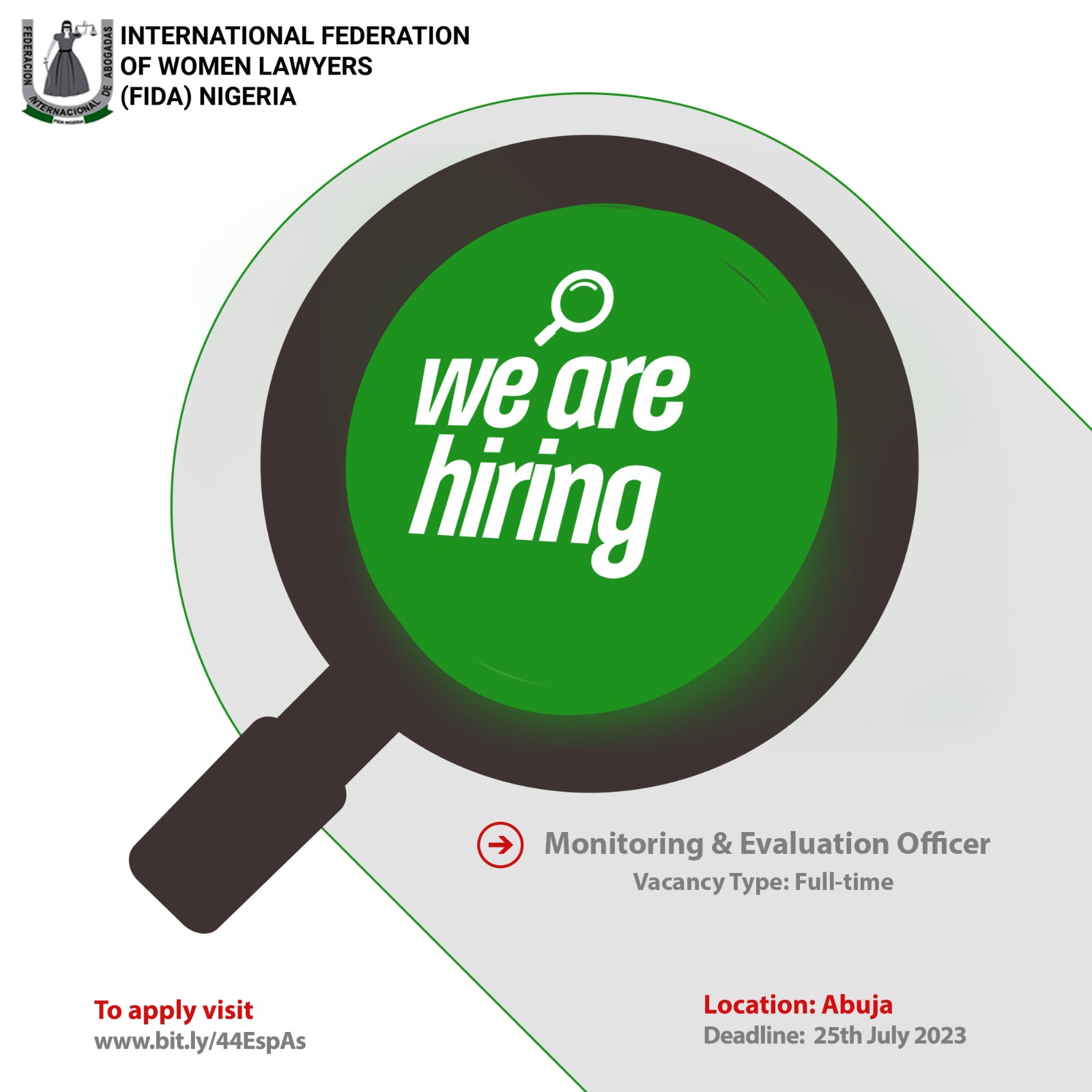
FIDA Nigeria is recruiting to fill the position below
The International Federation of Women Lawyers (FIDA) Nigeria is a non-profit, non-governmental organization made up of over 4,800 female lawyers with several years of experience in utilizing the law to address social problems in Nigeria. The organization’s mandate is the enhancement, promotion, protection, and preservation of the rights and welfare of women and children in Nigeria. FIDA Nigeria implements key projects and activities aimed at providing access to justice to indigent persons, particularly women, and children.
FIDA Nigeria is recruiting to fill the position below:
Job title: Monitoring & Evaluation Officer
Location: Abuja
Vacancy Type: Full-time
Terms of Reference
This position will be responsible for monitoring and evaluation of projects implemented by FIDA Nigeria. The M & E Officer will work under the overall guidance and supervision of the FIDA Nigeria National President/Country Vice President, National Secretary, and other National Executives, and report to them through the Program Manager.
Duties and Responsibilities
The successful candidate will carry out the following tasks:
- Develop and strengthen monitoring, inspection, and evaluation procedures;
- Monitor all project activities, expenditures, and progress towards achieving the project output with impact indicator;
- Monitor and evaluate overall progress on achievement of results;
- Provide feedback to the Program Manager on project strategies and activities;
- Suggest strategies for project management to improve the efficiency and effectiveness of the project by identifying bottlenecks in completing project activities and developing plans to minimize or eliminate such bottlenecks;
- Report monthly, quarterly, half-yearly, and annual progress on all projects to the Country Vice President/ National President, Deputy, and Program Manager;
- Conduct capacity assessment on existing monitoring and evaluation system;
- Willingness to travel at short notice to project location
- Provide inputs, information and statistics for periodic reports to the project management team and development partners;
- Participate in annual project reviews and planning workshops and assist the Program Manager in preparing relevant reports;
- Perform other duties as required.
Competencies
1. Professionalism:
Demonstrates professional competence in women’s and children’s rights and the rule of law as well as, knowledge of related policies and practices at the national, regional, and international levels;
Demonstrates knowledge of programme management cycle, including monitoring and reporting;
Ability to identify and contribute to the solution of problems/issues with a display of persistence;
Conscientious and efficient in meeting commitments, observing deadlines, and achieving results;
Motivated by professional rather than personal concerns;
2. Teamwork:
Ability to collaborate with colleagues within and outside of FIDA Nigeria to achieve organizational goals;
Ability to solicit inputs by genuinely valuing the ideas and expertise of others;
Willingness to learn from others;
Support and act following the team and organizational decisions.
3. Planning & Organizing:
Ability to establish priorities and to plan, coordinate, and monitor work while prioritizing competing demands;
Foresight for risks and contingencies when planning.
4. Communication:
Ability to write clearly and concisely and to communicate effectively with a range of audiences, including the ability to prepare reports and make presentations in a variety of fora;
Ability to conduct presentations by clearly formulating positions on issues, articulating options concisely, conveying maximum necessary information as well as making and defending recommendations.
Job Requirements
At least 5 years of experience in the design and implementation of M&E in development projects implemented by national/international NGOs/UN bodies/Government;
Experience in designing tools and strategies for data collection, analysis, and production of reports;
University Degree preferably in Business Administration, Economics, Statistics, or any of the social sciences;
Expertise in analyzing data using statistical software;
Strong training & facilitation skills.
Qualified candidates should send their curriculum vitae of not more than 2 pages with relevant details to the advertised TOR and a 1 paged cover letter addressed to the National Secretary, FIDA Nigeria to hr@fida.org.ng
The subject of the e-mail should be “Application for the Position of Monitoring and Evaluation Officer”.
Deadline: 25th July 2023.
Only shortlisted candidates will be contacted.
 by FIDA
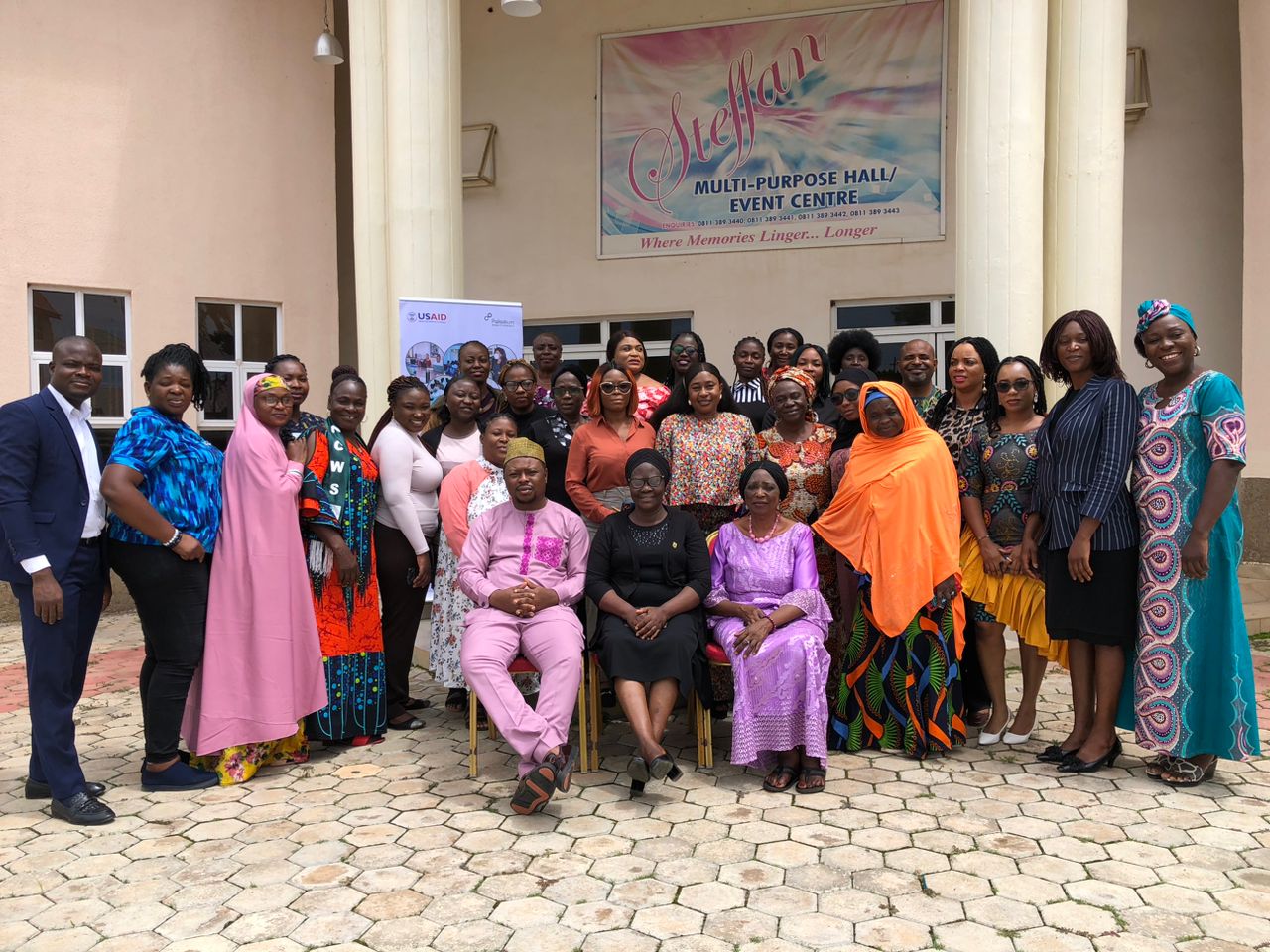
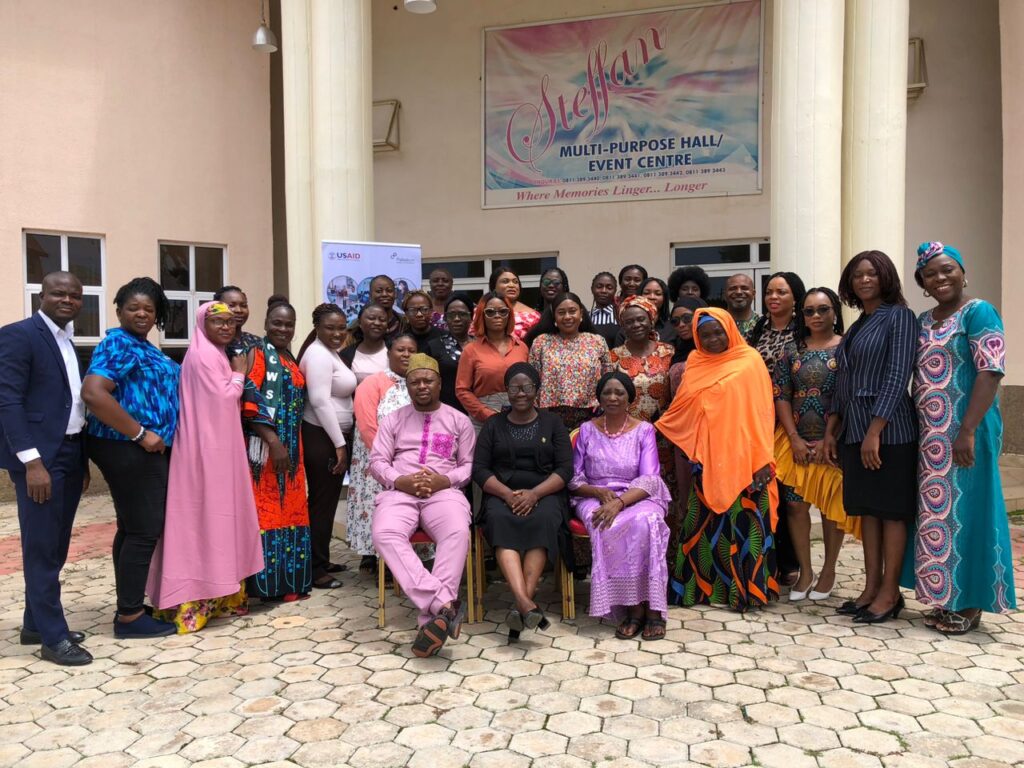
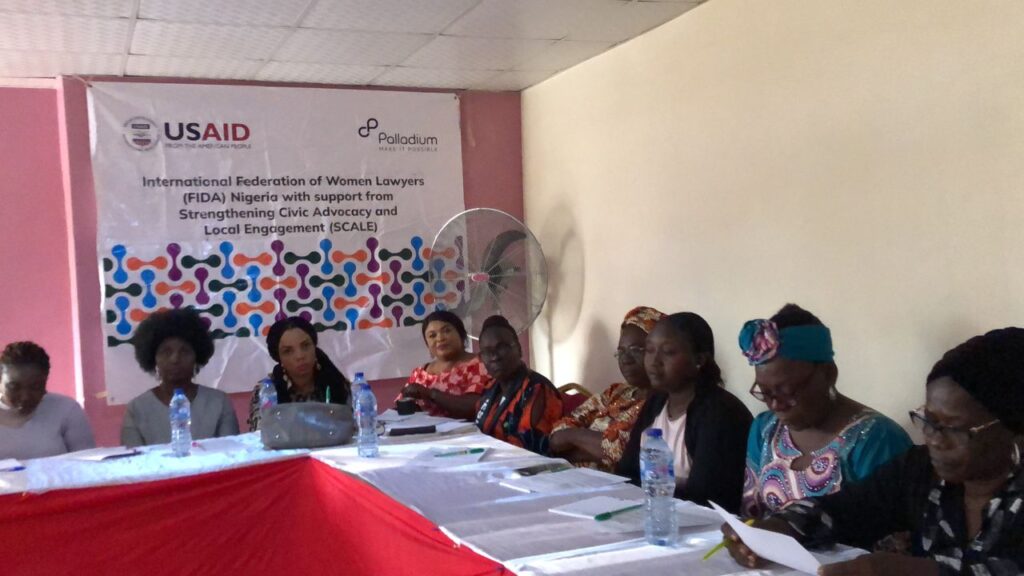
FIDA Nigeria Held a 3-day capacity-building workshop for 25 civil society organizations
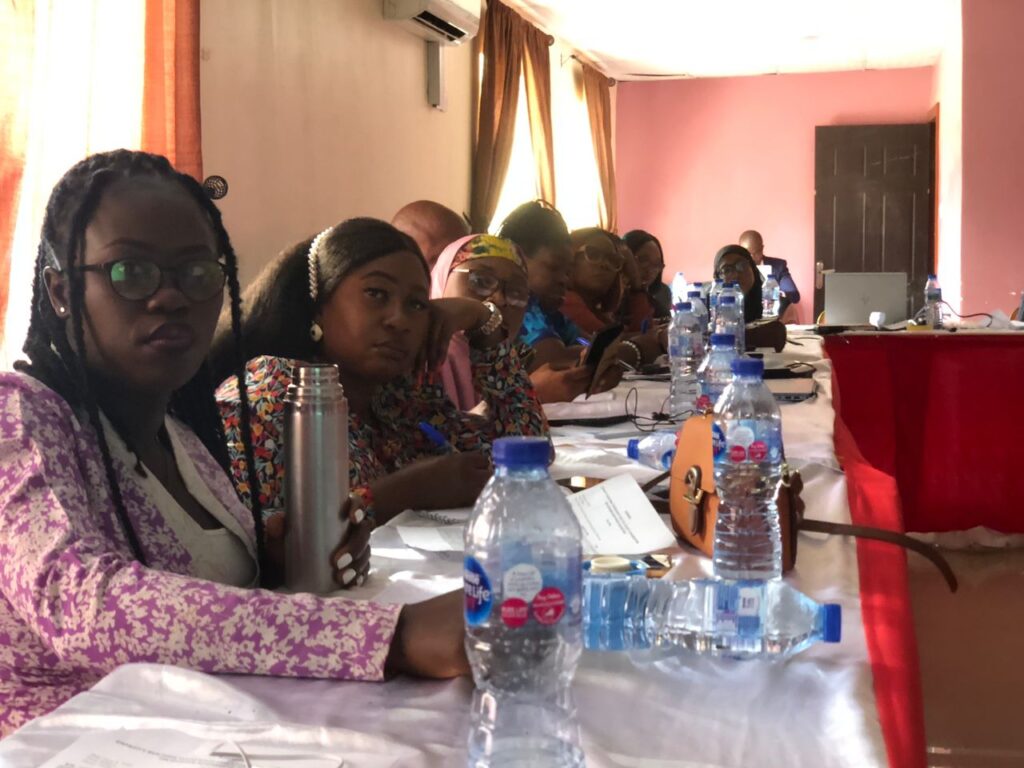
Three-day capacity building workshop for 25 civil society organizations from Northern Nigeria on Gender Responsive Budgeting, the workshop which held in Jos, Plateau State is jointly organized by the
Palladium Group and FIDA Nigeria under the auspices of the USAID-funded SCALE project.
This workshop is aimed at enhancing the capacity of these organizations in applying gender budget analysis tools in their programming around gender equality and women’s rights, also assist them in supporting gender budget initiatives wherever they exist, while seeking clarity and understanding of the conceptual, technical, and political elements of gender-responsive budgeting.
 by FIDA
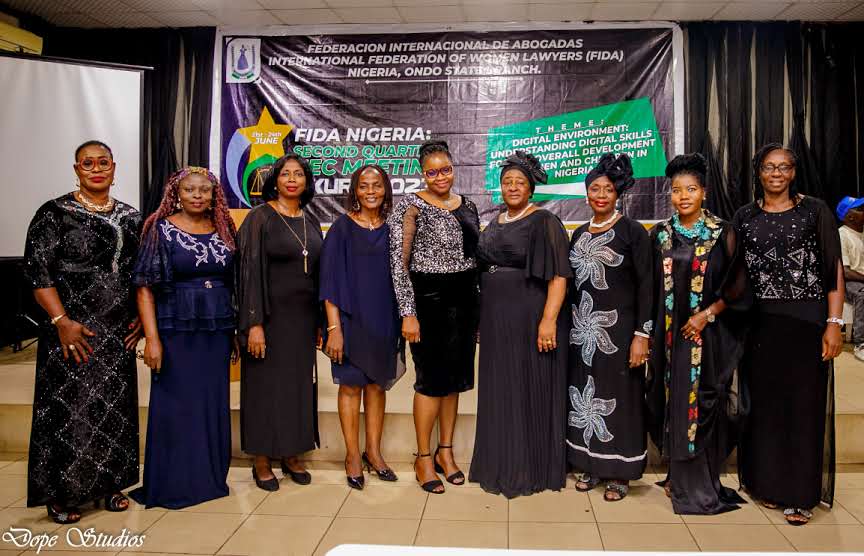
FIDA Nigeria 2nd Quarter NEC Meeting
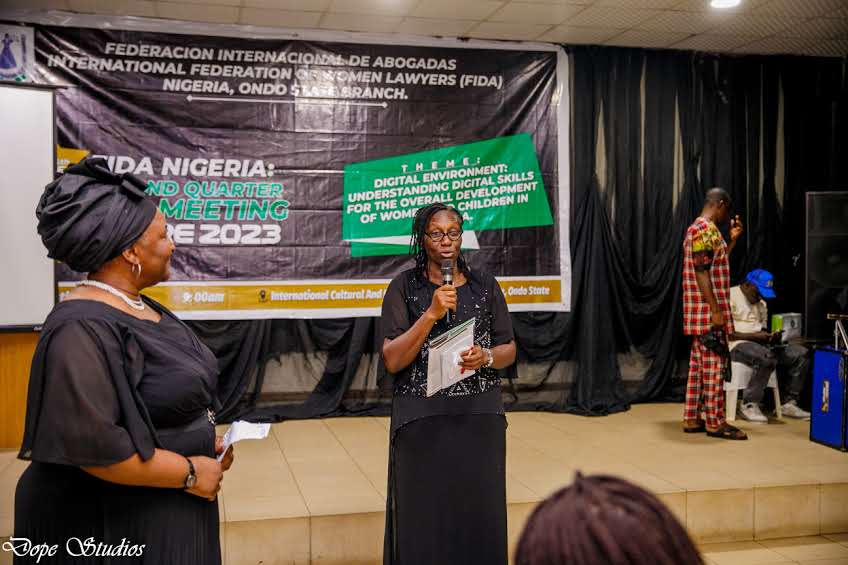
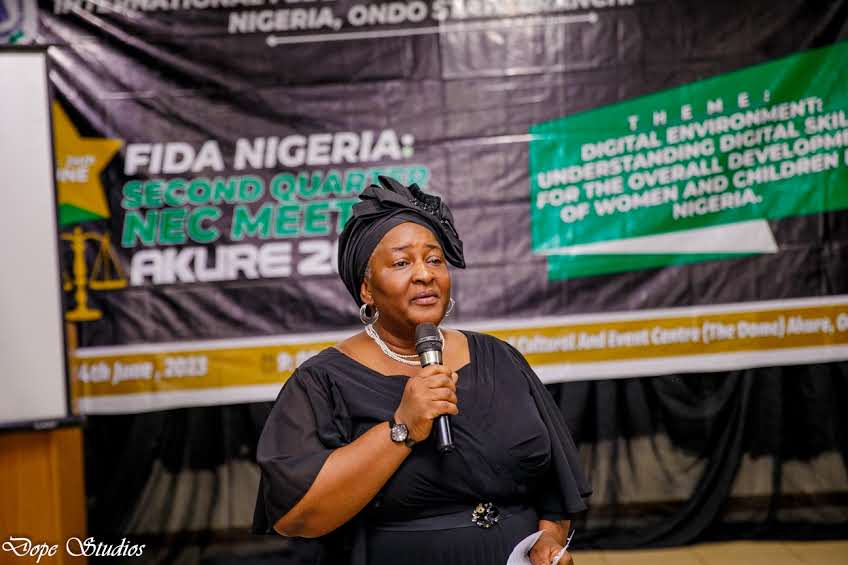
FIDA Nigeria held its 2nd Quarter National Executive Council (NEC) meeting for 2023, from the 21st to the 24th of June 2023 in Akure, Ondo state. The meeting which had the theme “Digital Environment: Understanding Digital Skills for the Overall Development of Women and Children in Nigeria”, was hosted by FIDA (Nigeria) Ondo State Branch.
To kickstart the NEC Meeting, there was an advocacy visit on Wednesday, the 21st of June 2023 to the Ondo State Juvenile Correctional Center. The delegation was led by the Country Vice President/National President of FIDA Nigeria, Amina Suzanah Agbaje (Mrs.), where a legal clinic was conducted for Children in Conflict with the Law. The Hon. Commissioner for Women Affairs and Social Development Ondo State, Dr. Mrs. Juliana Ocheda, was present at the Correctional Center visit amongst other important dignitaries. That same morning, FIDA Nigeria led by its Country Vice President/National President, Amina Suzanah Agbaje (Mrs.); the National Publicity Secretary Christiana Adejumo; and the Chairperson FIDA Ondo State Branch, Catherine Ogunjebi; were at Crest FM 106.1 Akure for a 30 minutes enlightenment program which was anchored by Mr. Leo Olagbaye.
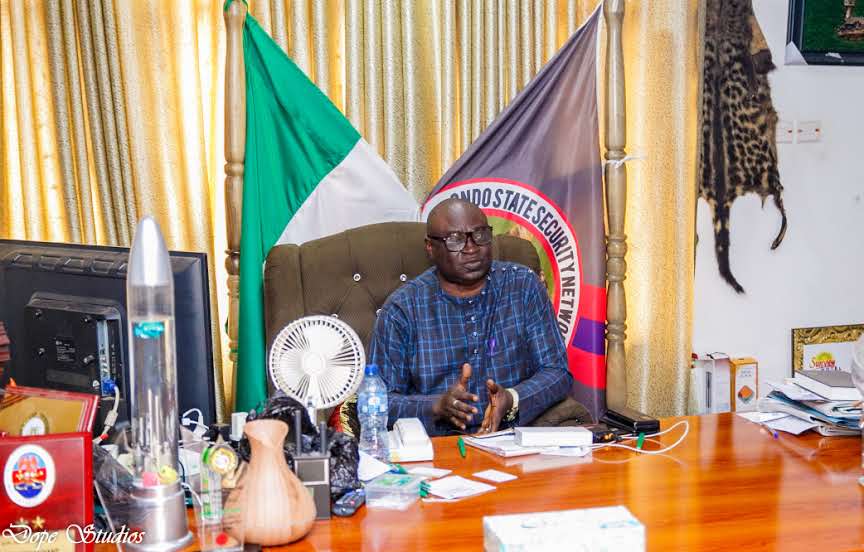
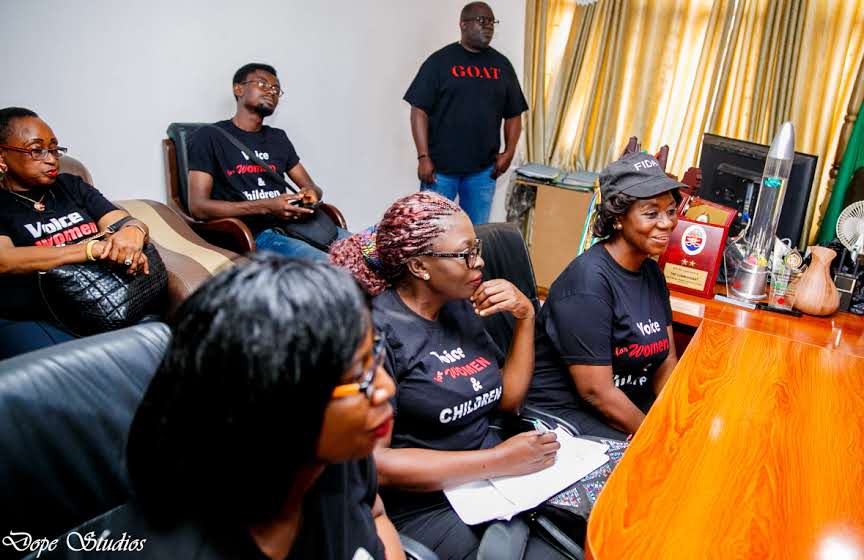
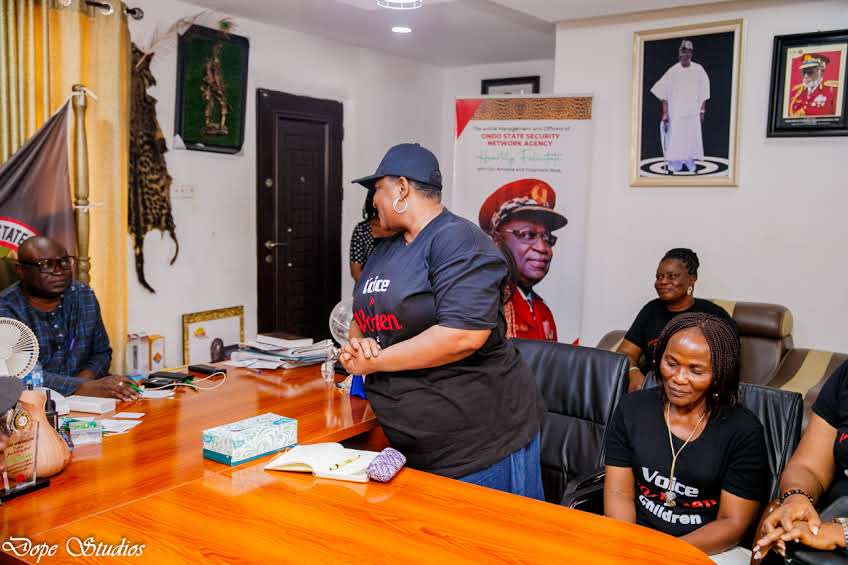
In like manner, another advocacy visit was paid to the Ondo State Security Network Agency, popularly called Amotékun. The delegation was led by the Country Vice President/National President of FIDA Nigeria, Amina Suzanah Agbaje (Mrs.), together with the full complement of members of the National Executive Committee alongside other delegates. They were warmly received by the Corps Commander, Ondo State Amotékun Corps, and Special Adviser to the Governor on Security, Chief Adetunji Adeleye, Fisn, who assured delegates of their safety whilst in the state and reinstated the Corps commitment to collaborating with FIDA. Thereafter, members of the delegation were treated to a familiarisation lunch. In the evening of Wednesday, 21st of June 2023, delegates were further hosted as part of the NEC activities, to a welcome cocktail to unwind from the stress of their travels.
An Aerobics/fitness session was held on the morning of Thursday, 22nd June 2023 to encourage members on the need to keep physically fit. The formal opening ceremony of the 2nd Quarter NEC Meeting followed soon thereafter and had in attendance the Executive Governor of Ondo State, His Excellency Arakunrin Oluwarotimi Odunayo Akeredolu, SAN, CON, as the Chief Host, ably represented by the Secretary to the Ondo State Government, Princess Catherine Oladunni Odu, who doubled as the Chairman of the Opening ceremony. The First Lady of Ondo State, Her Excellency Arabinrin Betty Anyanwu Akeredolu was ably represented by the Executive Secretary of Ondo State Agency Against GBV, Mrs. Bola Afolabi. Present also was the Attorney General and Commissioner for Justice Ondo State, Sir Charles Titiloye. The Keynote Speaker at the Opening Ceremony was Judge Funmi Asaolu of the Justice Court. In attendance also was Hon. Justice Ayedun Odusola, Chief Judge of Ondo State Judiciary, ably represented by Hon. Justice Adegboyega Adebusoye; Other Justices present include Hon. Justice Olabode Adegbehingbe of the Court of Appeal Ekiti Division; Hon. Justice Bolatito Ajibade of the Ondo State High Court; Hon. Justice Toyin Bolaji Adegoke of the Federal High Court Akure Division; and Hon. Justice Babatunde Adejumo (Rtd.); alongside a host of distinguished dignitaries and delegates.
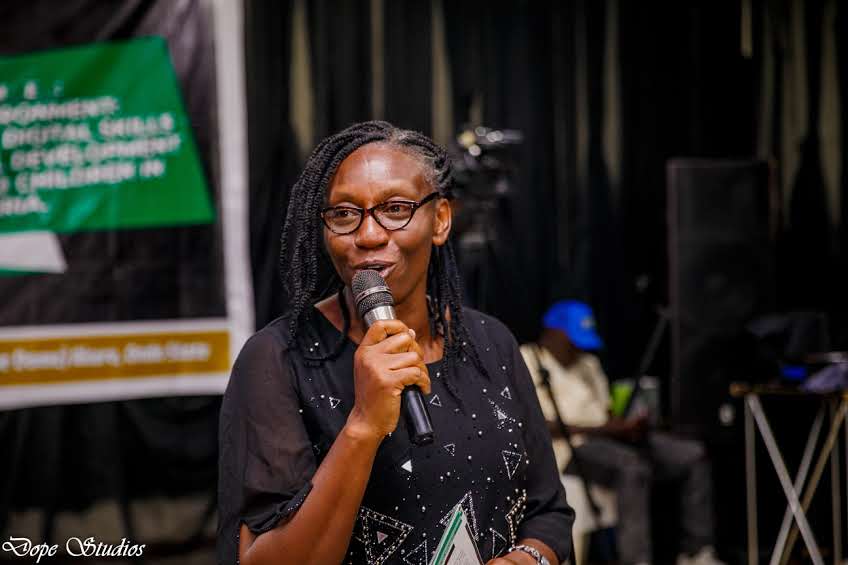
The session on Continuous Legal Education (CLE) was held immediately after the opening ceremony, with presentations by erudite speakers. The session was moderated by the National Assistant Publicity Secretary of FIDA Nigeria, Shaltha Nachamada, representing the Chairperson of the CLE Committee, Prof. Felicia Anyaogu. FIDA Nigeria CLE sessions are non-negotiable key activities for every NEC meeting. This is in consonance with the association’s commitment to a continuous development of members’ capacity as highlighted in Goal 3 of its 5-year strategic plan, geared towards achieving an innovative and impactful organization.
During the CLE session, a wide range of topical issues were discussed. The papers that were presented include, “The Use of Technological Innovations in Advancing the Cause of the Child in Nigeria” by Hon. Justice Bolatito Ajibade of the Ondo State High Court; “Report Writing Skills: Accelerating FIDA Activities” by Chief Mrs. Olamide Falana of the Girls to Women Initiative and Special Adviser to the State Government on Gender issues; and “FIDANS: Empowerment and Leadership” by Hon. Justice Toyin Bolaji Adegoke of the Federal High Court, Akure Division. The CLE session was highly interactive and educative.
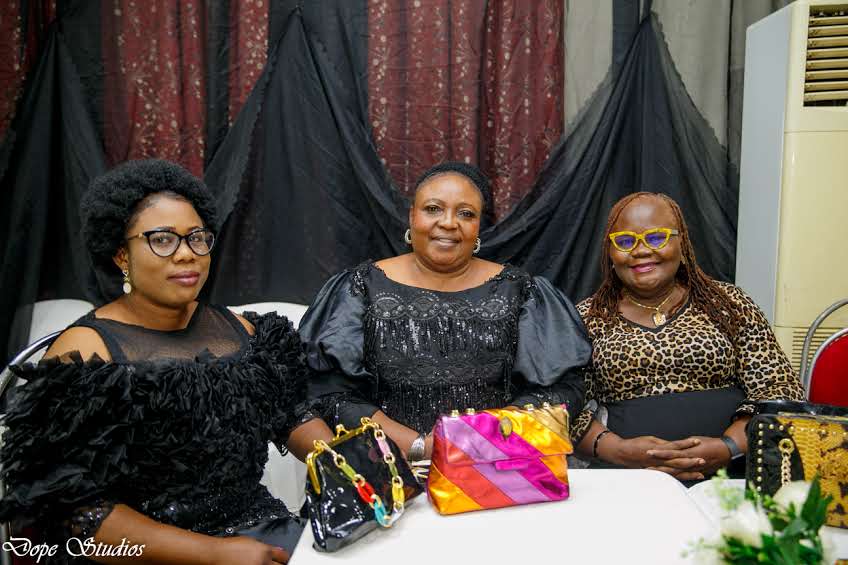
The evening of Thursday, 22nd June 2023 ushered in a glamorous cultural extravaganza with colorful displays by the various Branches from different geopolitical zones. Delegates were further entertained by the State’s indigenous dance troupe on the rich cultural heritage of the people of Ondo state; the various tribes resident therein; their languages; foods; etc. It was a beautiful evening showcasing the vibrant heritage of Nigeria’s beauty in diversity.
All work and no play as they say makes Jane a dull girl. This saying saw delegates on an adventurous hike to the ancient Idanre Hills on Friday, 23rd June 2023 as part of a cumulative fitness regimen.
The formal Business meeting of the National Executive Council (NEC) commenced after the hike. At the formal meeting, matters that impact the organization were discussed, alongside a quarterly presentation of reports by the various Branches.
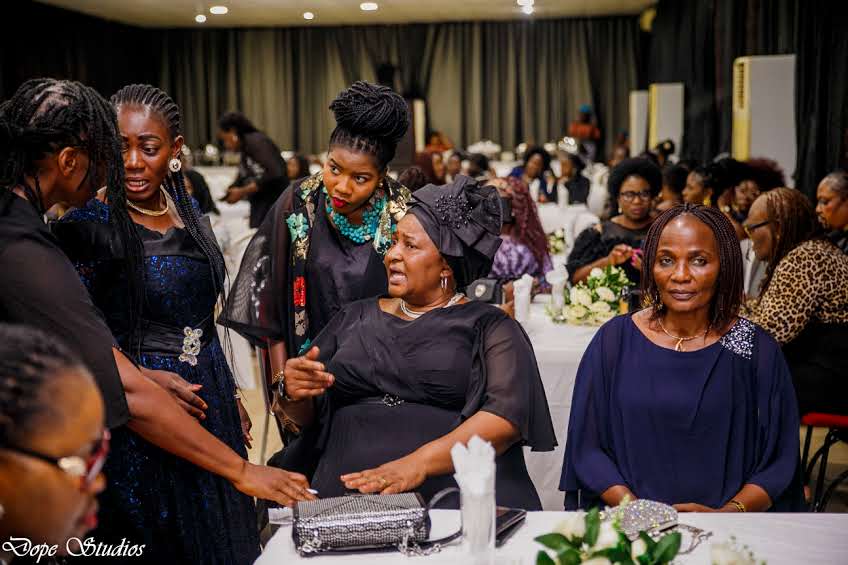
To round up the 2nd Quarter National Executive Council (NEC) meeting, a Dinner/Award night was held in the evening of Friday, 23rd June 2023. In attendance was the Executive Governor of Ondo State, His Excellency Arakunrin Oluwarotimi Odunayo Akeredolu, SAN, CON, ably represented by the Acting Governor Hon. Lucky Ayedatiwa; the Chairperson Closing Dinner Rev Mrs. Funke Felix-Adejumo; the Special Adviser to the Government on Gender issues Chief Mrs. Olamide Falana; alongside other dignitaries. Awards were presented to outstanding and deserving individuals including an Award of Excellence to the Governor, His Excellency Arakunrin Oluwarotimi Odunayo Akeredolu, SAN, CON, which award was received on his Excellency’s behalf by the Acting Governor His Excellency Hon. Lucky Ayedatiwa.
All in all, the FIDA Nigeria 2nd Quarter NEC Meeting, Akure 2023, was a resounding success. Kindly find below links to pictorial representations of all the activities at the NEC meeting for your viewing pleasure.