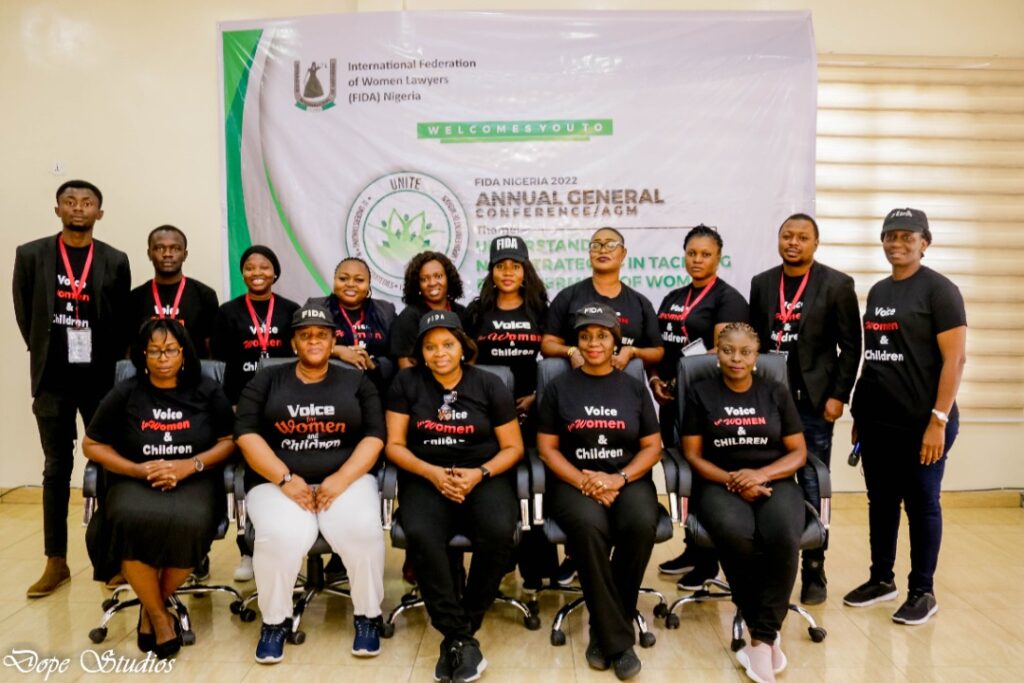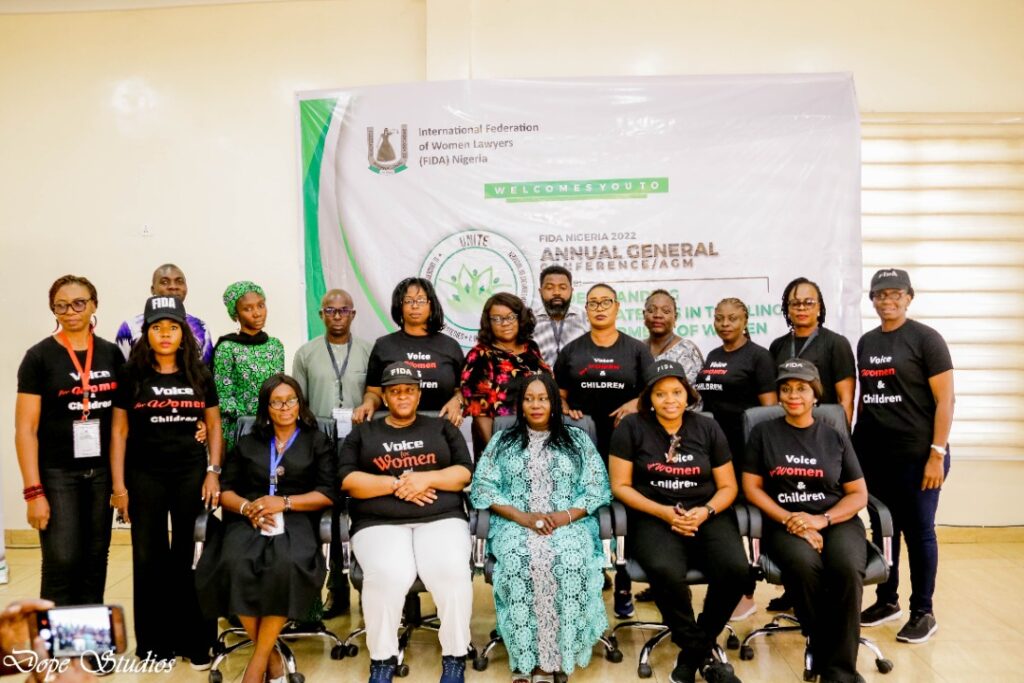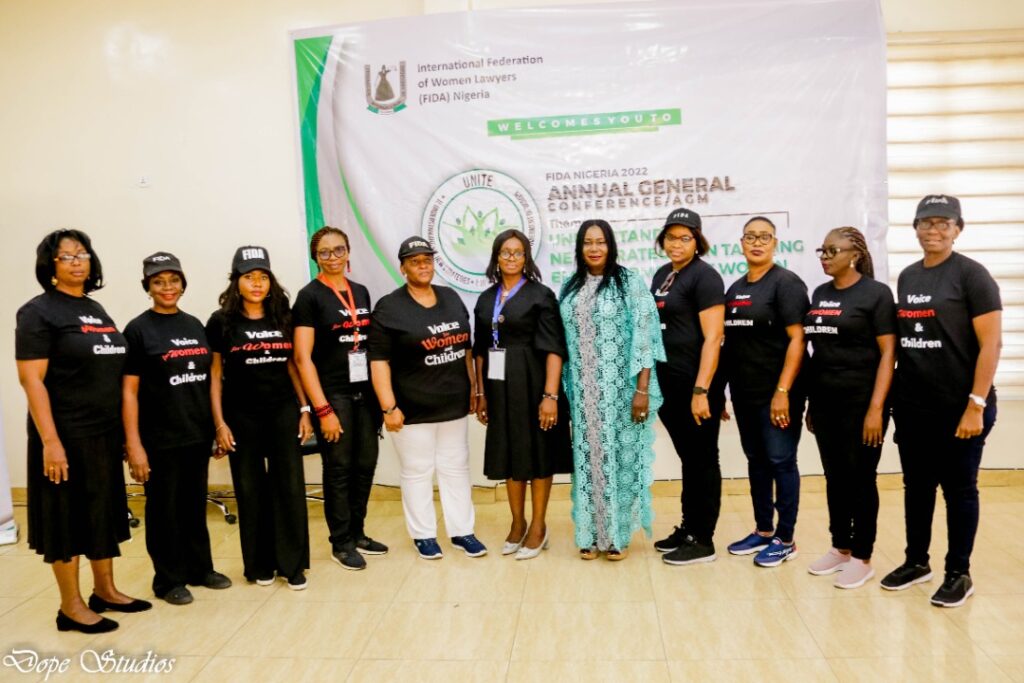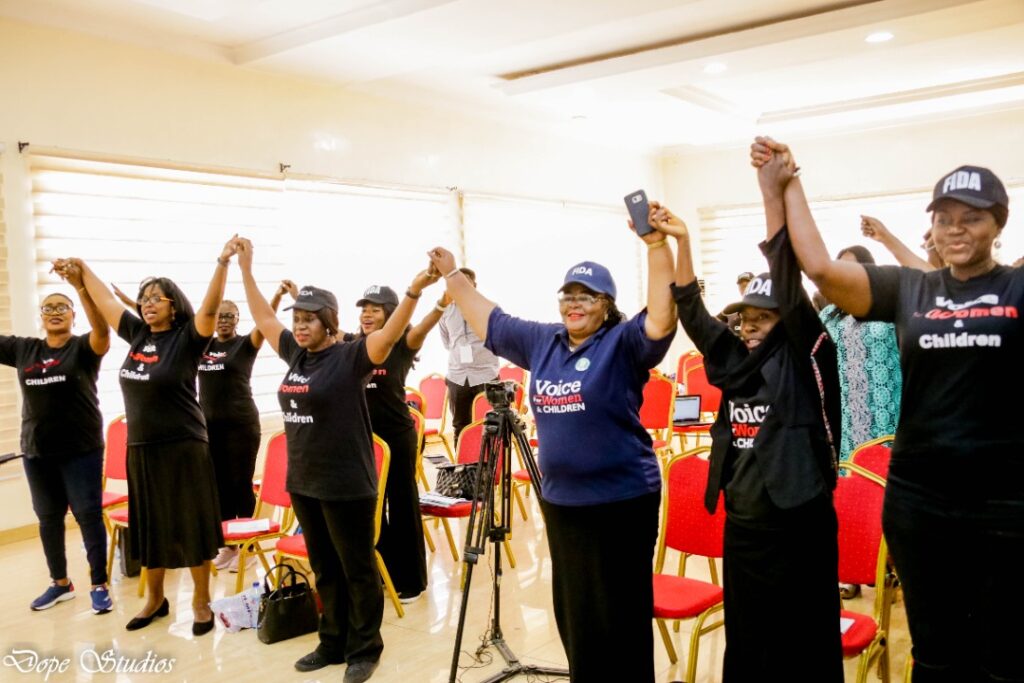

 by FIDA
FIDA Nigeria is recruiting to fill the positions below
Vacancy for the position of project officer, Edo State
ABOUT FIDA NIGERIA
The International Federation of Women Lawyers (FIDA Nigeria) is a non-profit, non-political, voluntary association of women called to the practice of law in Nigeria. FIDA Nigeria’s primary role is to protect, promote and preserve the rights of women and children in Nigeria. Its core values are transparency, accountability, teamwork, integrity, mutual respect, commitment, service and we are non-partisan.
We are recruiting to fill the position below:
Job Title: Project Officer
Location: Edo State
Job Type: 1-year Contract
Reports to: Programme Manager.
Job Summary
- The Project officer under the direct supervision of the Programme Manager will support the Programme Department in project implementation, project delivery, reporting, resource mobilization, and other related needs were necessary.
- Under the supervision of the Programme Manager, provide technical leadership on the implementation of the project in the State.
- Plan and implement project activities in the state in close collaboration with the resident FIDA State branch and proactively deal with arising challenges, nuances, or changes.
- In collaboration with the resident FIDA state branch, develop and maintain stakeholder and network relationships which are essential to the successful implementation of the project.
- Develop products and prepare project and activity reports, technical briefings, background papers, and update notes for the Palladium project in the State.
- Work to ensure the successful implementation of the project in the state;
- Contribute to the adherence to donor/grant requirements, including financial standards.
- Collaborate with the Finance staff to ensure the proper management of financial records, including the provision of complete documentation for requests and retirements.
- Support the smooth and effective flow of communication with FIDA Nigeria and the state branch.
- Support the Programme Manager and other project staff in maintaining communication with partners, including official letters, requests for technical assistance, and the process of identifying participants and national experts, including trainers, for activities under the project.
- Represent (with approval from the Branch Chairperson and Program Manager) the state branch at meetings, and workshops relating to this project and report back to the respective persons.
- Perform other duties as assigned by the National Exco, Branch Chairperson, or Branch Exco and the Programme Manager.
Qualifications & Competency Requirements
Minimum of a BSc in Law, Social Science, Arts, or any other related field.
Minimum of 2-3 years cognate working experience within the NGO Space.
Knowledge of SGBV & CEFM issues, advocacy, research, and policy development.
Excellent presentation, facilitation, problem-solving and analytical skills.
Ability to communicate (written and verbal) effectively with a wide range of audiences at various levels.
Ability to build and maintain relationships with partner agencies and key contacts in the government, NGO, civil society, and media sectors.
Ability to work independently and manage various projects with limited supervision.
Good knowledge and use of MS Suite (excel, word, PowerPoint and outlook)
Must be resident in Edo State
Willing to start immediately
Languages Skills:
- Must be fluent in English.
Application Closing Date:
Friday 3rd February 2023
Method of Application
Interested and qualified candidates should forward their Cover Letter and CV to: hr@fida.org.ng using the Job Title and Location as the subject of the mail.
Note
- Resumes should include references.
- Do NOT send links to online resumes or CVs.
- Candidates should use the following subject in their email submission “Job Title”
- Only successful candidates will be contacted.
 by FIDA
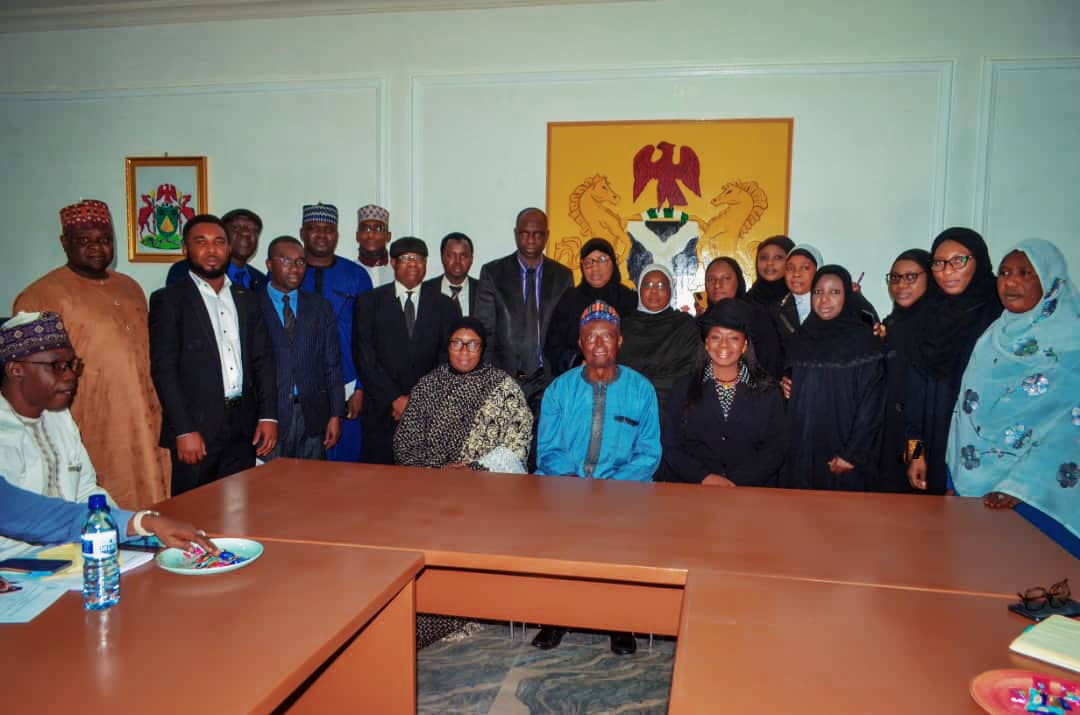
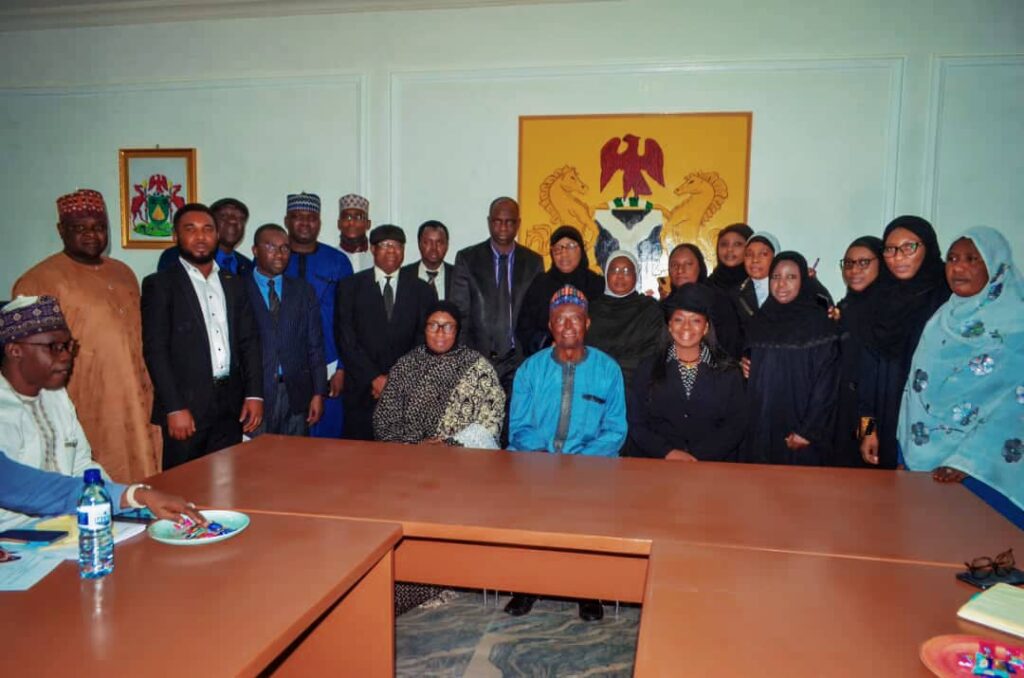
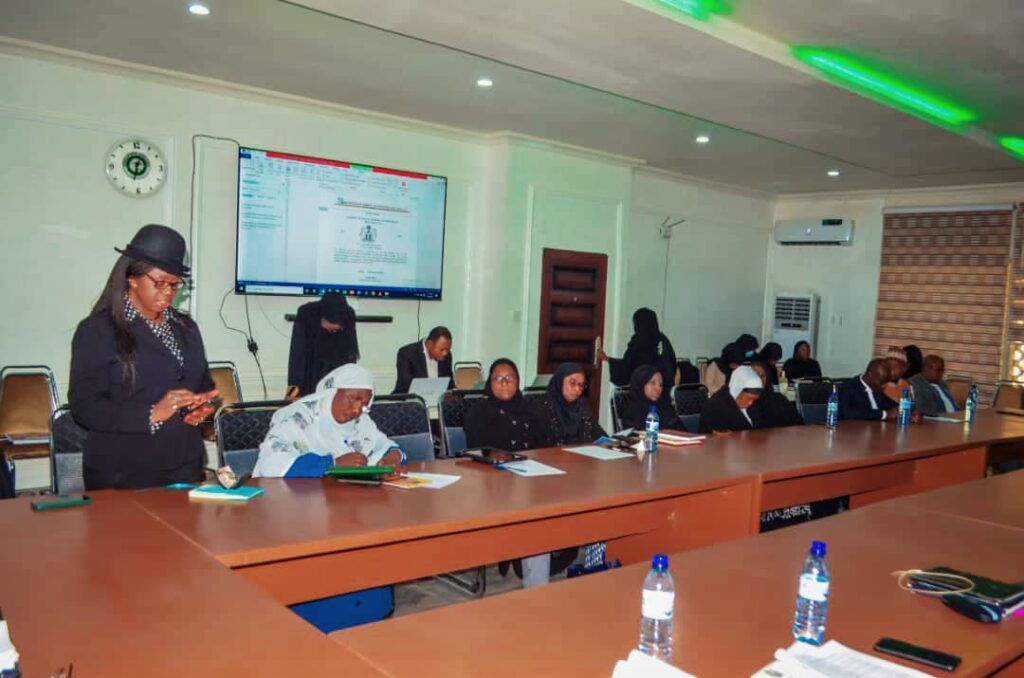
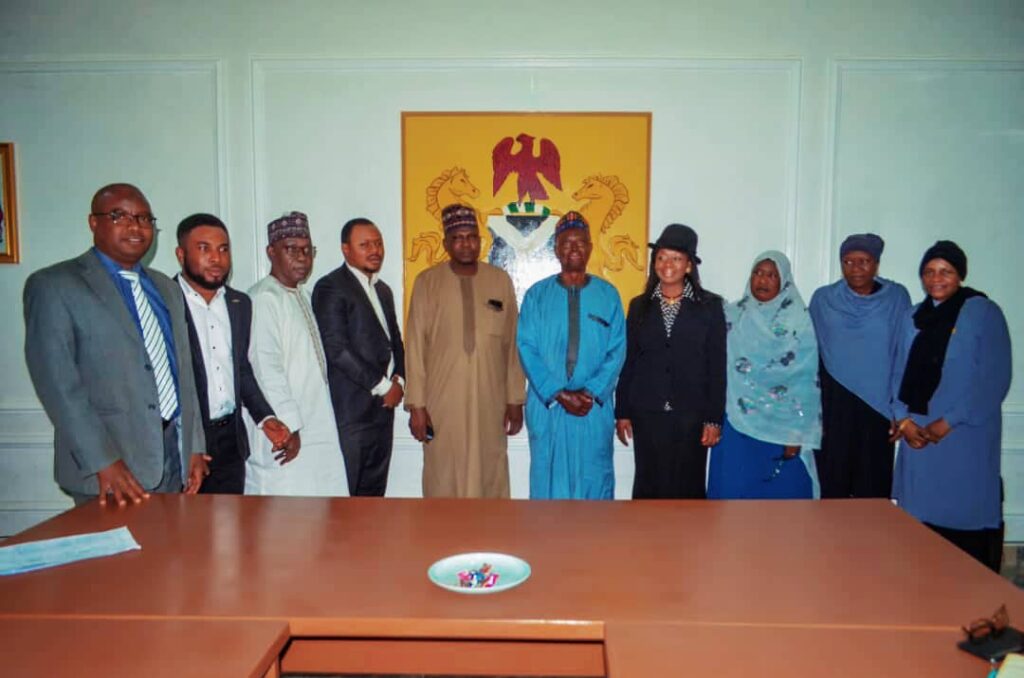
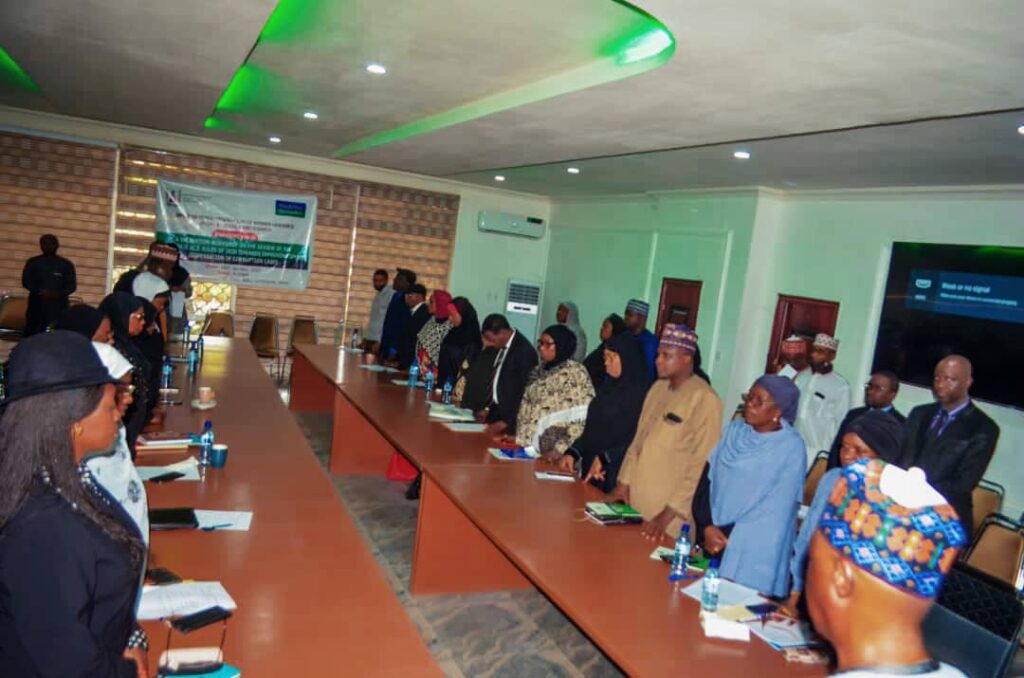
FIDA Nigeria organized a one-day validation workshop on the proposed Kano State ACJL rules towards improving the speedy dispensation of corruption cases
FIDA Nigeria with support from MacArthur Foundation in implementing a project on “Strengthening collaboration among Criminal Justice actors to deepen the Criminal Justice Architecture to ensure the effective implementation of the ACJA/ACJL” in 6 States of the Federation, as one of its activities sought to provide technical support in the development and or review of the practice directions on the ACJL in its implementing states, in line with the project’s goal of effective implementation of the ACJL as well as improving Judicial transparency, accountability, and Anti-corruption.
On this premise, FIDA Nigeria on the 18th of January 2023 held a validation workshop on the proposed draft of the Kano State ACJL Rules of 2022 resulting from the workshop held on the 1st of December, 2022. Upon validation by all stakeholders present, it was agreed that the clean copy of the document be forwarded to the Honourable Chief Judge of Kano state for his signature.
FIDA Nigeria will through this process across its other implementing states, support the development and review of the State’s practice direction on the ACJA/ACJL, to aid quick dispensation of justice, particularly in corruption cases.

 by FIDA
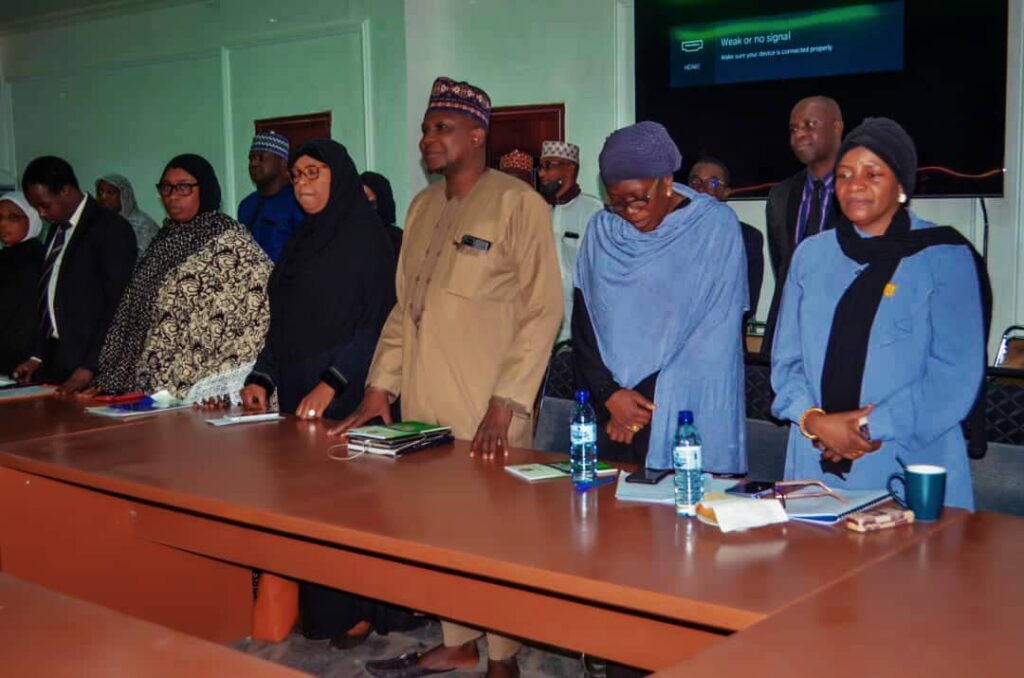
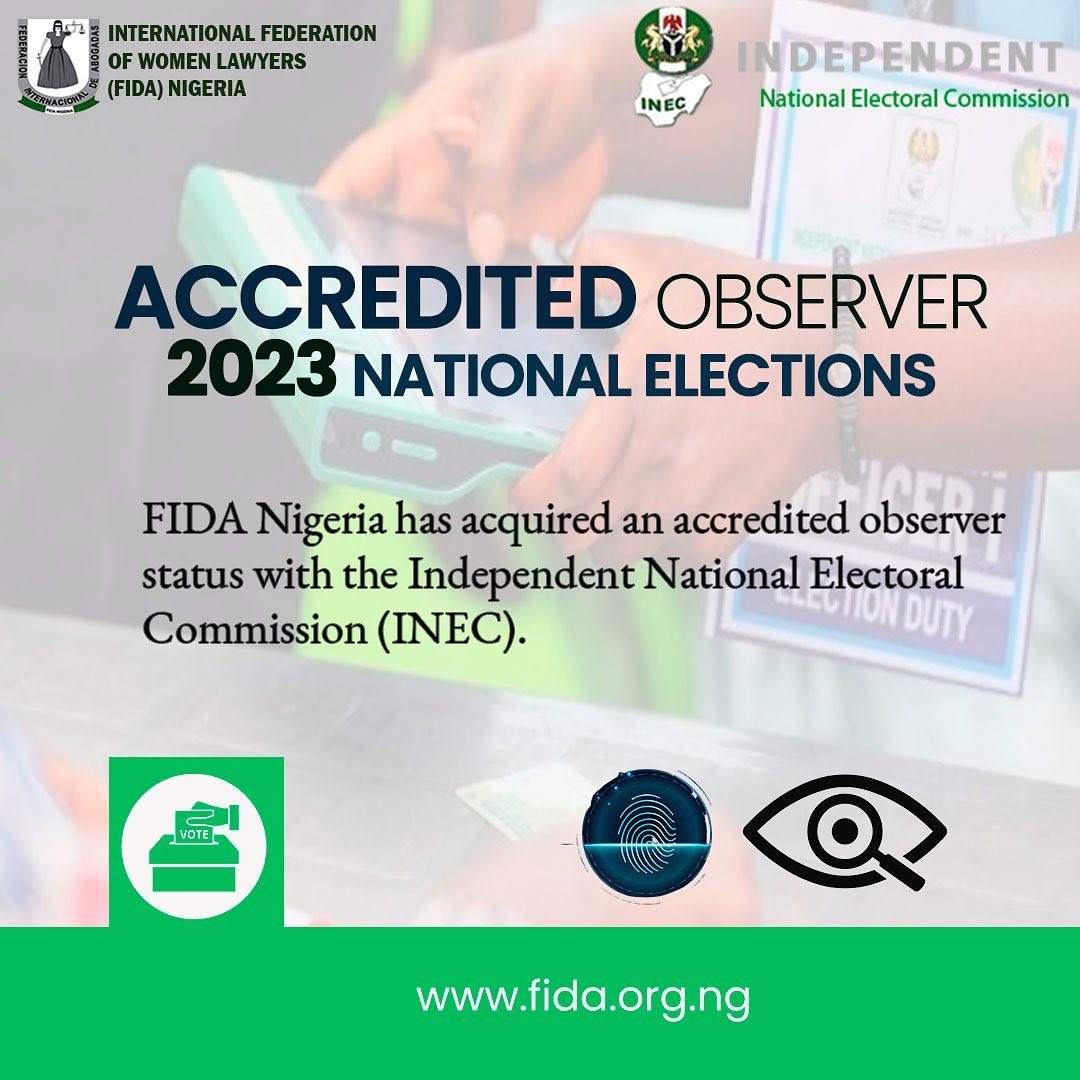
FIDA Nigeria confirmed by INEC as an accredited observer for the 2023 national elections
FIDA Nigeria has acquired an accredited observer status with the Independent National Electoral Commission (INEC). As a result of this accreditation, FIDA Nigeria will train and deploy about 300 field observers across 4 states (Borno, Kaduna, Kwara & Plateau) on the Women’s political participation project and other 32 states inclusive of FCT to observe the participation of women and forms of violence perpetrated against women during the General Elections.
FIDA Nigeria will coordinate this observation through a central situation room at the National Capital, Abuja. This will be supported by the UNwomen and Govt of Canada
 by FIDA
FIDA Nigeria is recruiting to fill the positions below
Programme Officer, Accounts Officer 2, and Asst. Communications Officer
VACANCY FOR THE POSITION OF PROGRAMME OFFICER.
ABOUT FIDA NIGERIA
The International Federation of Women Lawyers (FIDA Nigeria) is a non-profit, non-political, voluntary association of women called to the practice of law in Nigeria. FIDA Nigeria’s primary role is to protect, promote and preserve the rights of women and children in Nigeria. Its core values are transparency, accountability, teamwork, integrity, mutual respect, commitment, service and we are non-partisan.
We are recruiting to fill the position below:
Job Title: Program Officer
Location: Abuja
Job Type: Full Time
Reports to: National Programmes Manager.
Job Summary
The Programme officer under the direct supervision of the National Programme Manager will support the Programme Department In project implementation, project delivery, reporting, resource mobilization, and other related needs were necessary.
Job Responsibilities
- Grant writing/ proposal writing tasks to receive or obtain grants from prospective donors.
- Support and produce reports of meetings, activities and workshops/trainings, as directed.
- In collaboration with the communications and MEAL team ensure that lessons, success stories and quality data are collected, analyzed and properly disseminated to numerous and varied target audience.
- Provide regular updates and reports to the Programme Manager, on progress, priorities and constraints – verbally and in writing on an agreed frequency.
- Develop and maintain strategic relationships with a network of external contacts like key individuals in the government, NGO sector, civil society and the media.
- Contribute to formulation of key advocacy messages and targets from lessons learned.
- Ensure regular meetings are conducted among the project team on progress work and further analysis on needs for change to donor requests through open and constant channels of communication with donors.
- Conduct networking and advocacy activities that help to develop and sustain work relationship with internal/external stakeholders.
- Leverage on strategic relationships and partnerships with key stakeholders at the sub-national and national levels.
- Ensuring monthly, quarterly and annual project narrative reports are prepared and documented promptly, aligning with project design and donor requirements.
Qualifications & Competency Requirements
Minimum of a BSc in Law, Social Science, Arts or any other related field.
Minimum of 2-3 years cognate working experience within the NGO Space.
Knowledge of SGBV & CEFM issues, advocacy, research and policy development.
Excellent presentation, facilitation, problem-solving and analytical skills.
Ability to communicate (written and verbal) effectively with a wide range of audiences at various levels.
Ability to build and maintain relationships with partner agencies and key contacts in the government, NGO, civil society and media sectors.
Ability to work independently and manage various projects with limited supervision.
Good knowledge and use of MS Suite (excel, word, power point and outlook)
Willingness to travel to any part of the country for project activity implementation at short notice.
Languages Skills:
- Must be fluent in English.
Application Closing Date
25th January 2023.
Method of Application
Interested and qualified candidates should forward their Cover Letter and CV
to: hr@fida.org.ng using the
Job Title and Location as the subject of the mail.
Note
- The document should be a cover letter first.
- Resumes should include references.
- Do NOT send links to online resumes or CVs.
- Candidates should use the following subject in their email submission “Job Title”
- Only final candidates will be contacted.
VACANCY FOR THE POSITION OF FINANCE OFFICER II
ABOUT FIDA NIGERIA
Job title: Finance Officer 11
Location: Abuja.
Job type: full time
Job Summary
- The Finance officer II under the direct supervision of the Finance Manager will assist the finance team in performing routine finance tasks and helping the program team on finance-related needs were necessary.
Responsibilities and Essential Duties
- Raise day-to-day payment vouchers as required
- Ensures that all supporting documents are available and attached to the payment vouchers
- Ensure effective handling of office petty cash
- Posting of financial transactions on Sage 50
- Ensure travel and activity advances from the field offices are retired timeously
- Ensure all vouchers are serially numbered and stamped paid
- Ensure proper filling and archival of finance documents for easy retrieval
- Make payments to participants for meetings and workshops
- Support the unit with maintaining healthy cashflow across the states
- Support with budgetary function and provide guidance to various units on budget lines and budget implementation
- Ensure proper photocopying and scanning of monthly payment vouchers
- Support the Finance Officer in the submission of PAYE and Withholding Tax Cheques
- Ensure the safe receipt, handling, and banking of Staff retirements funds
- Support the state team with finance-related field activities
- Backstop for the Finance Officer when necessary
- Financial budgeting for project proposal
- Traveling, disbursement of funds, and project monitoring
- Project financial report
- Complete other duties as assigned.
Minimum Qualifications & Experience
- Bachelor’s Degree or HND in Accounting, or Finance.
- Minimum of 1 – 2 years working experience with a donor-funded project.
- Knowledge and experience of USAID regulations is a plus. Experience using Sage 50, QuickBooks, Ms. Office packages especially Ms. Excel is required.
Languages Skills:
- Must be fluent in English.
ApplicationClosingDate
25th January 2023.
MethodofApplication
Interested and qualified candidates should forward their Cover Letter and CV
to: hr@fida.org.ng using the Job title and location as
the subject of the mail.
Note
- The document should be cover letter first.
- Resumes should include references.
- Do NOT send links to online resumes or CVs.
- Candidates should use the following subject in their email submission “Job Title”
- Only final candidates will be contacted.
VACANCY FOR THE POSITION OF ASST. COMMUNICATION OFFICER
Job title: Assistant Communication Officer
Location: Abuja
Vacancy Type: fixed-term, renewable
Terms of Reference
Duties and Responsibilities
- Develop and publish press statements advocating for issues or reflecting views within the FIDA mandate, subject to the approval of the Communication Officer
- Plan and implement communication campaigns e.g. press conferences.
- Develop and publish the periodic FIDA Alert.
- Develop and publish content for the E-LOYA magazine.
- Populate FIDA’s social media handles with current branch and national activities.
- Maintain and establish relationship media partners to ensure that the activities of the organisation are publicised.
- Monitor, upgrade, re-design and publish/upload information on the FIDA Nigeria website.
- Provide I.T support to the National Secretariat.
- When required, participate in and support courtesy visits to key partners and stakeholders along with or on behalf of the National Officers.
- Represent FIDA at meetings, trainings, workshops etc. on publicity, media, IT and communications, with approval of the National Executive Committee.
- Collaborate with colleagues to create synergy and achieve full coordination of projects and activities. Perform other duties as assigned by the National President/Country Vice President, the National Publicity Secretary, other National Officers and the Program Manager.
Competencies
1. Professionalism:
Demonstrates professional competence in women and children’s rights and rule of law as well as, knowledge of related policies and practices at the national, regional and international levels;
Demonstrates knowledge of programme management cycle, including monitoring and reporting;
Ability to identify and contribute to the solution of problems/issues with a display of persistence;
Conscientious and efficient in meeting commitments, observing deadlines, and achieving results;
Motivated by professional rather than personal concerns;
2. Teamwork:
Ability to collaborate with colleagues within and outside of FIDA Nigeria to achieve organizational goals;
Ability to solicit inputs by genuinely valuing the ideas and expertise of others;
Willingness to learn from others;
Support and act following the team and organizational decisions.
3. Planning & Organizing:
Ability to establish priorities and to plan, coordinate, and monitor work while prioritizing competing demands;
Foresight for risks and contingencies when planning.
4. Communication:
Ability to write clearly and concisely and to communicate effectively with a range of audiences, including the ability to prepare reports and make presentations in a variety of fora;
Ability to conduct presentations by clearly formulating positions on issues, articulating options concisely, conveying maximum necessary information as well as making and defending recommendations.
Qualification
- A degree in Bsc in Mass communications, social sciences, Arts
- At least three (3) years of relevant work experience in communications, social media management, content creation or other related field.
- Ability to create graphic designs using Canva, indesign, Photoshop or CorelDraw.
- Photography skill is desirable.
- Knowledge of WordPress website management, maintenance, monitoring traffic and performance.
- Excellent Oral and Written Communication Skills and a creative eye.
- Discretion and ability to handle confidential issues.
- Ability to work collaboratively and respectfully with others in a diverse team, across organizational boundaries and multiple locations, and with team members at all levels.
- Confidence and enthusiasm when communicating with both external partners and the internal project teams in formal and informal presentations
- A passion for social change with interest in the field of gender equality, human rights, SOGIESC, social justice, and civic engagement.
- Exceptional professionalism, follow-through and people skills.
- Personal qualities of humility, capacity for self-reflection, and/or a sense of humour is a plus.
- Availability to travel within and outside Nigeria.
Qualified candidates should send their curriculum vitae and application addressed to the Country Vice-President/National President to hr@fida.org.ng
The subject of the e-mail should be “Communications officer”.
Deadline:
Only shortlisted candidates will be contacted.
 by FIDA
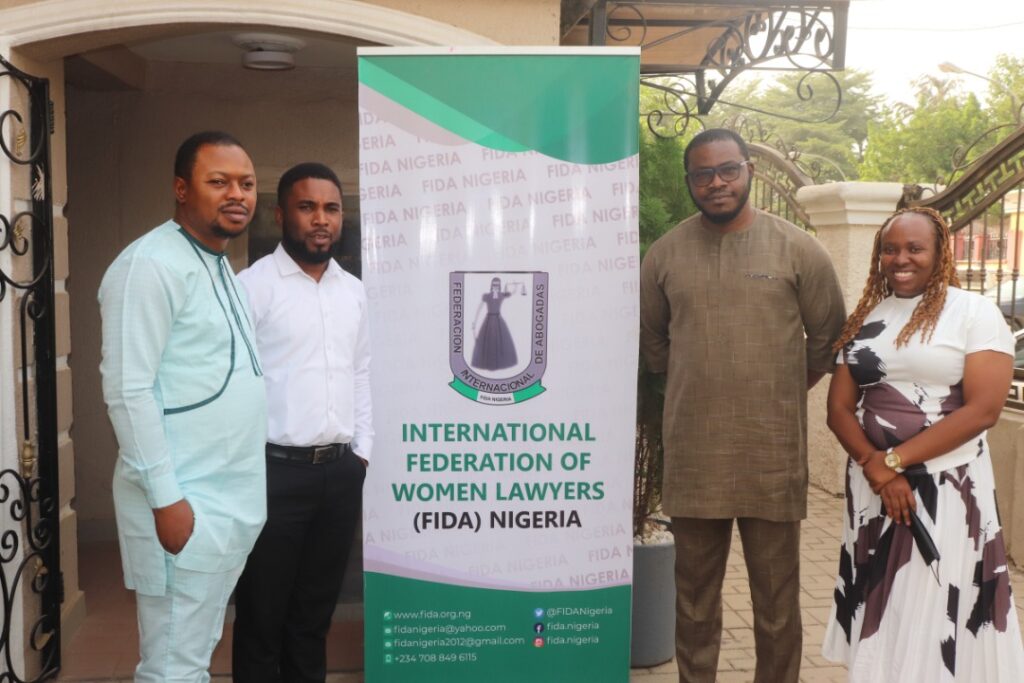
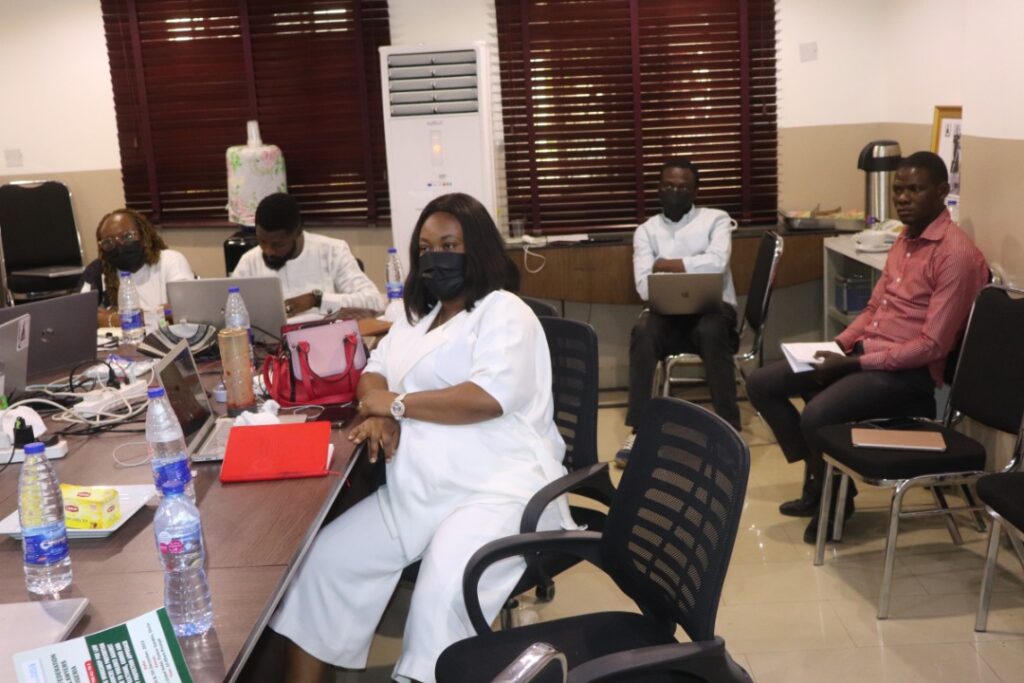
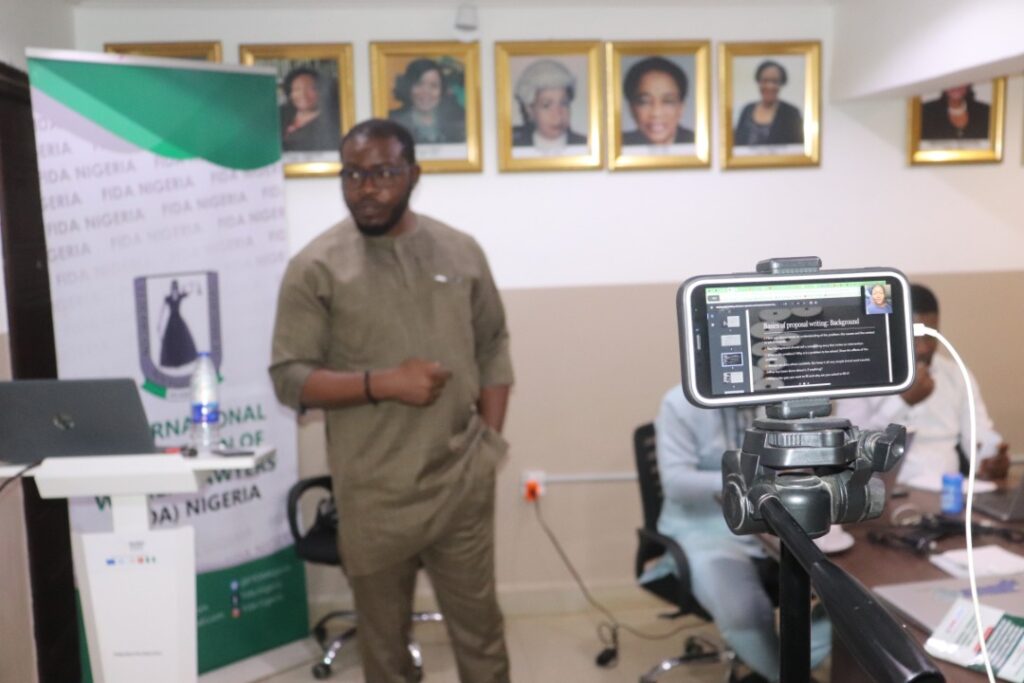
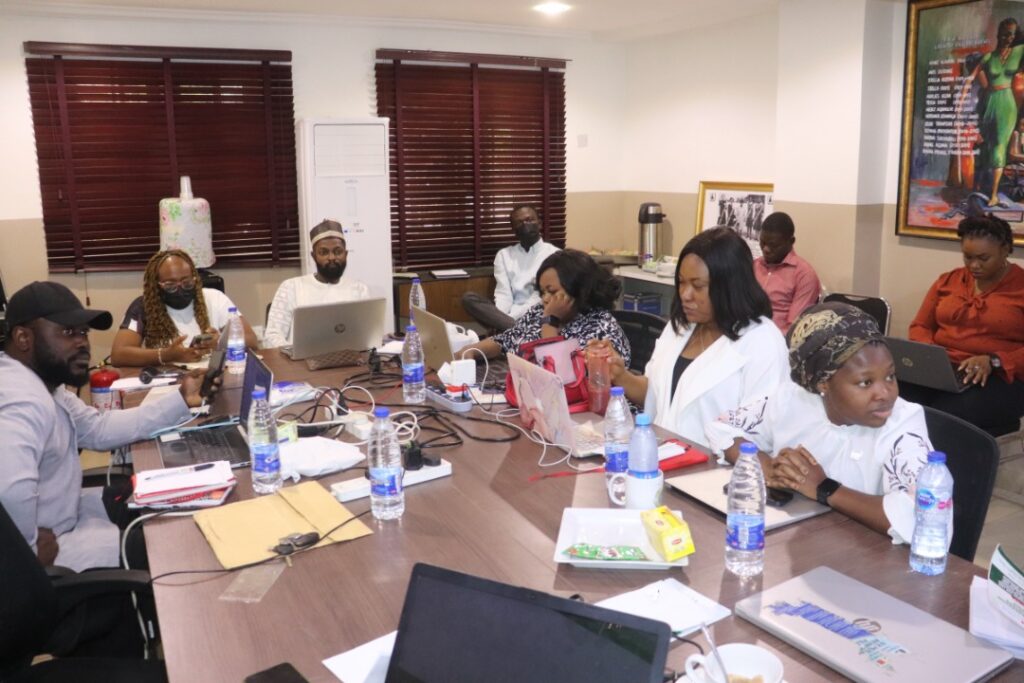
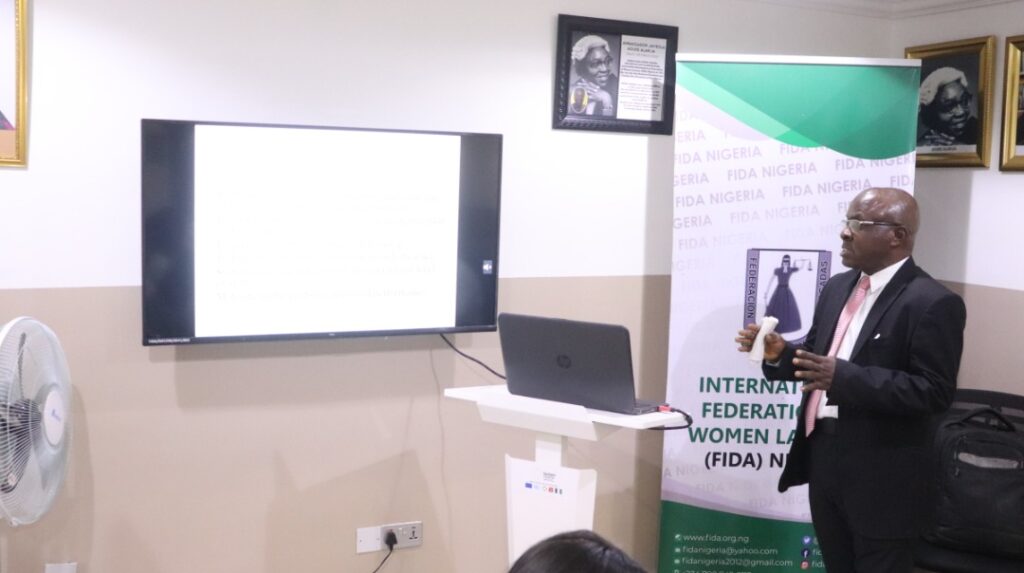
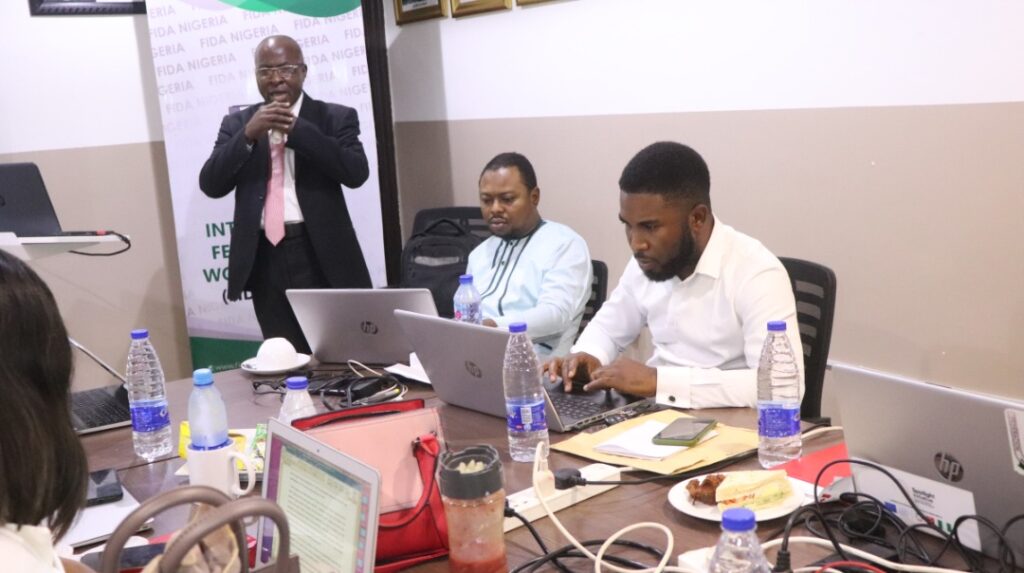
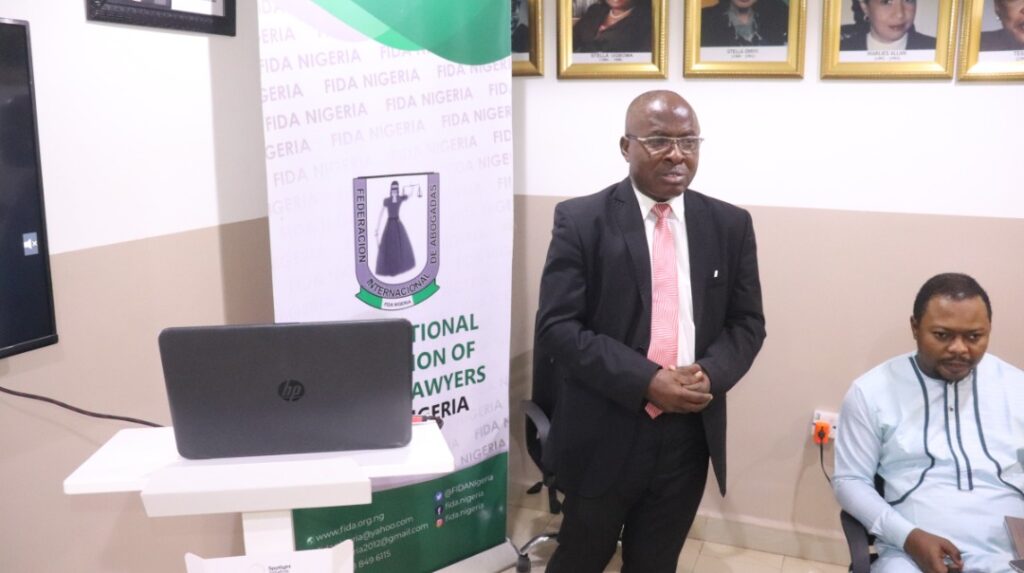
FIDA Nigeria two-day staff strategic planning and goal-setting meeting
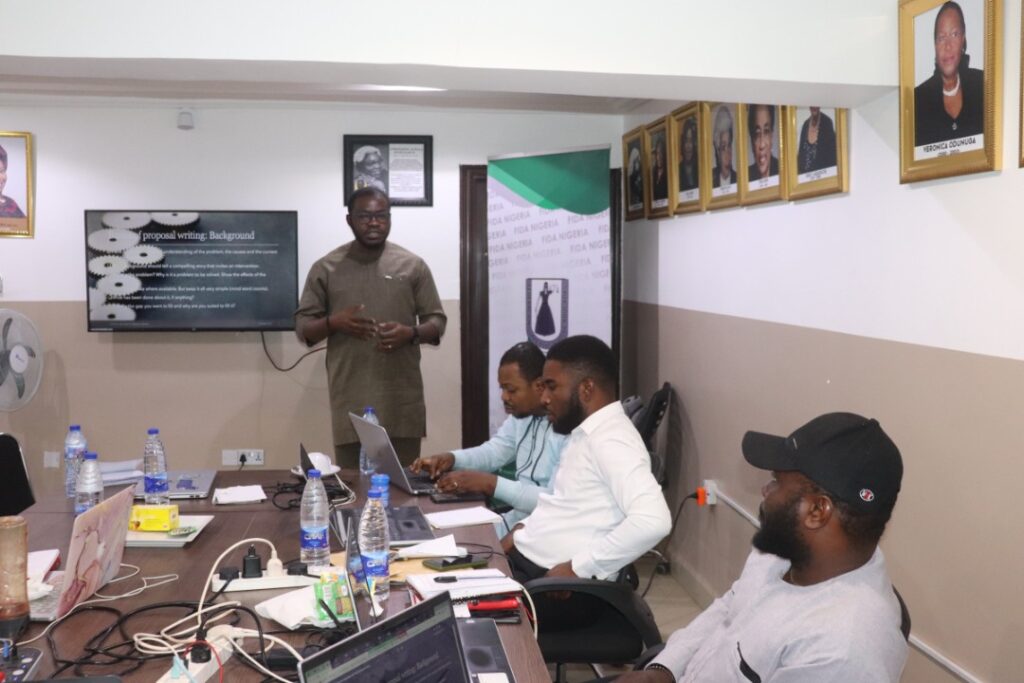
FIDA Nigeria on the 11th and 12th of January 2023, organized a two-day Staff Strategic Planning and Goal Setting Meeting for the year.
It was aimed at reviewing her 2022 projects, administrative and financial operations as well as building the capacity of her team both at the National and State level, while reaffirming their knowledge on FIDA Nigeria goals, policies and her operations
To facilitate some of the sessions were Peter Obijiaku Maduoma; a Consultant in Organisational Development and Strategic Planning who delivered an educative and insightful paper on Operational Effectiveness. Chinedu Nwagu a good governance advocate, Programme Manager/Consultant also delivered an intriguing and thought-provoking presentation on Effective and Creative Proposal Writing and Programme Reporting. The sessions were very interactive and educating.
As a result, the Team has developed individual and departmental work plans based on the knowledge gained and their roles in the organizational structure.




 by FIDA
FIDA Nigeria condemns the brutal murder of Mrs. Omoboloanle Raheem Esq
The International Federation of Women Lawyers (FIDA) Nigeria totally condemns the brutal Murder on Christmas day of a female Lawyer, Mrs. Omobolanle Raheem, who was said to be pregnant. This is a great loss not only to the family but also to the legal profession.
This shocking incident was committed on an innocent citizen cut down in the prime of her life, by an officer of the Nigeria Police, an officer sworn to protect and maintain peace and order in the community. What a fallacy!
Mrs. Raheem and her family were reported to be on their way back home following Christmas church service and a family outing at Ajah, Lagos State.
This is one death too many at the hands of trigger-happy policemen who show no respect for the value of human life nor for the inherent personal rights of citizens
We recall that a similar occurrence had been reported at the same Ajiwe Police Station on the 7th of December 2022, when one Gafaru Buraimoh who had gone to buy fuel at the filling station in the area was also shot
The blatant and repeated violation of the principle of the right to life as enshrined in the Nigerian constitution worsens daily and this cannot be accepted nor tolerated. As such, FIDA demands a prompt and thorough investigation into the incident and a quick dispensation of justice on the matter, thereby ensuring that this case serves as a deterrent to others.
Government must adopt a Zero Tolerance stance on the wanton extrajudicial killings of innocent Nigerians by police officers; enough is enough!
We extend our heartfelt condolences to the family and friends to the deceased.
Signed:
Mrs Amina Suzannah Agbaje
Country Vice President/National President
FIDA Nigeria.
 by FIDA
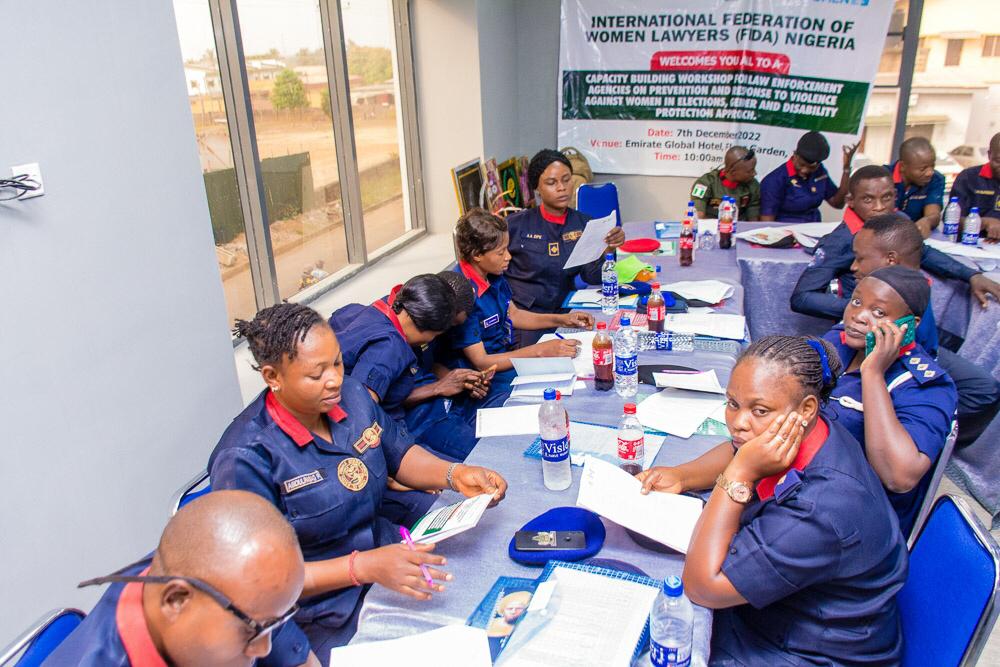
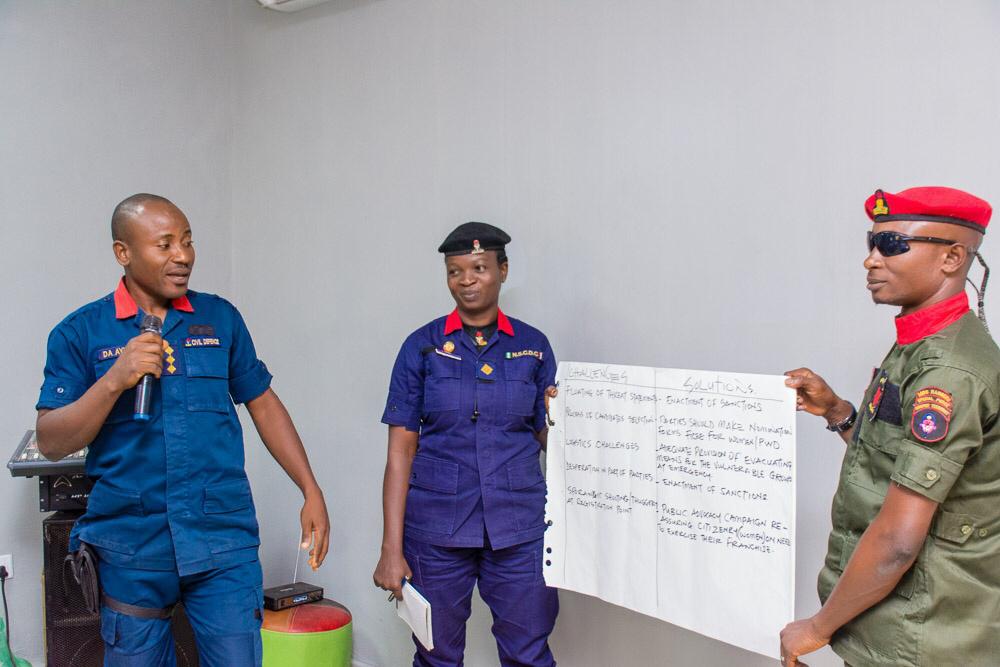
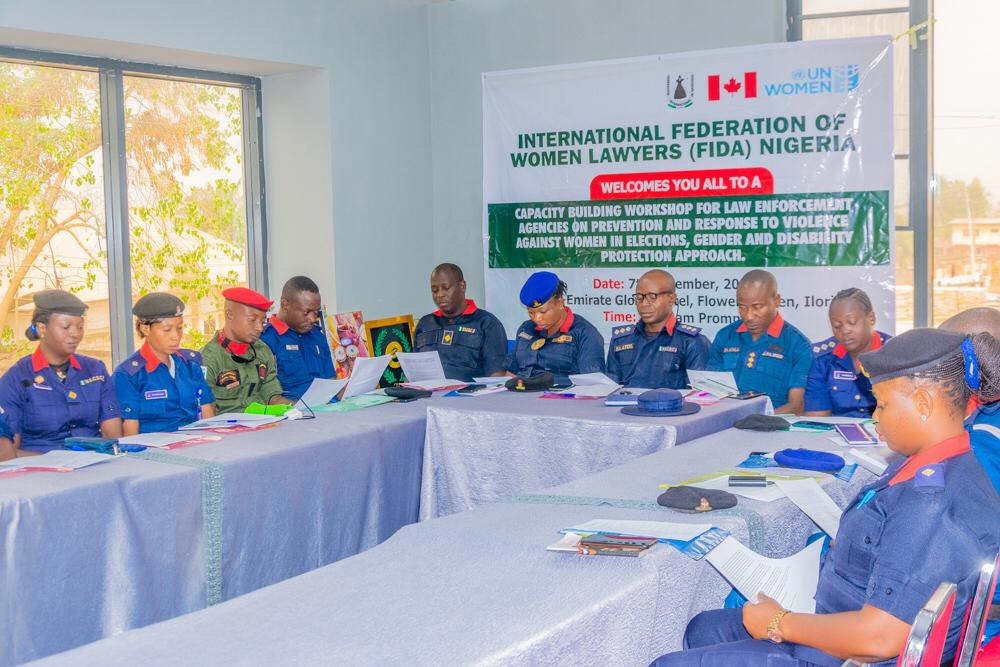
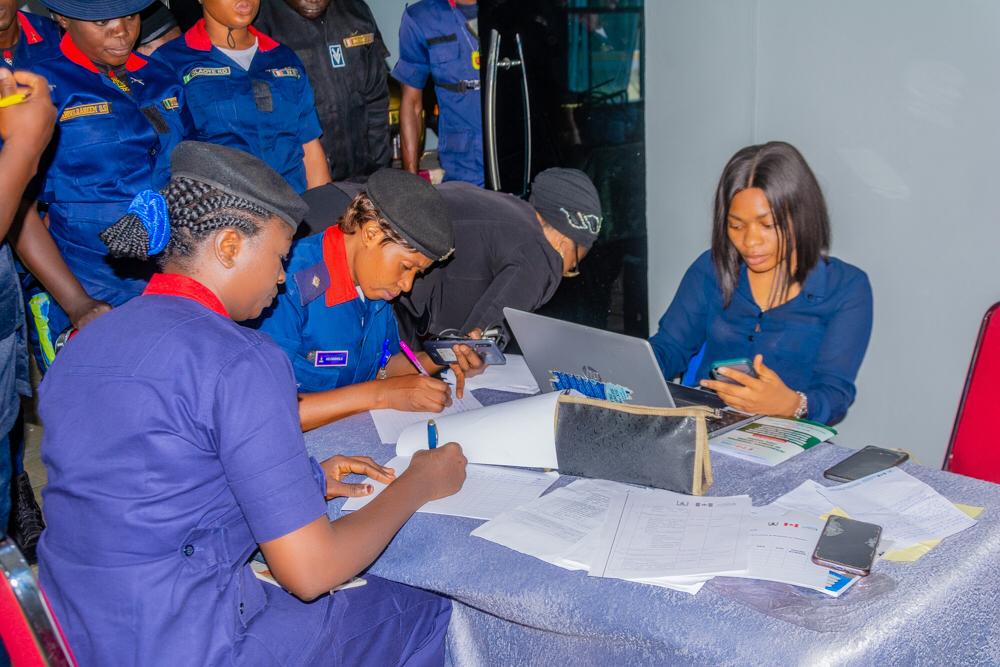
FIDA Nigeria Holds Workshop to Prevent Violence Against Women in Elections
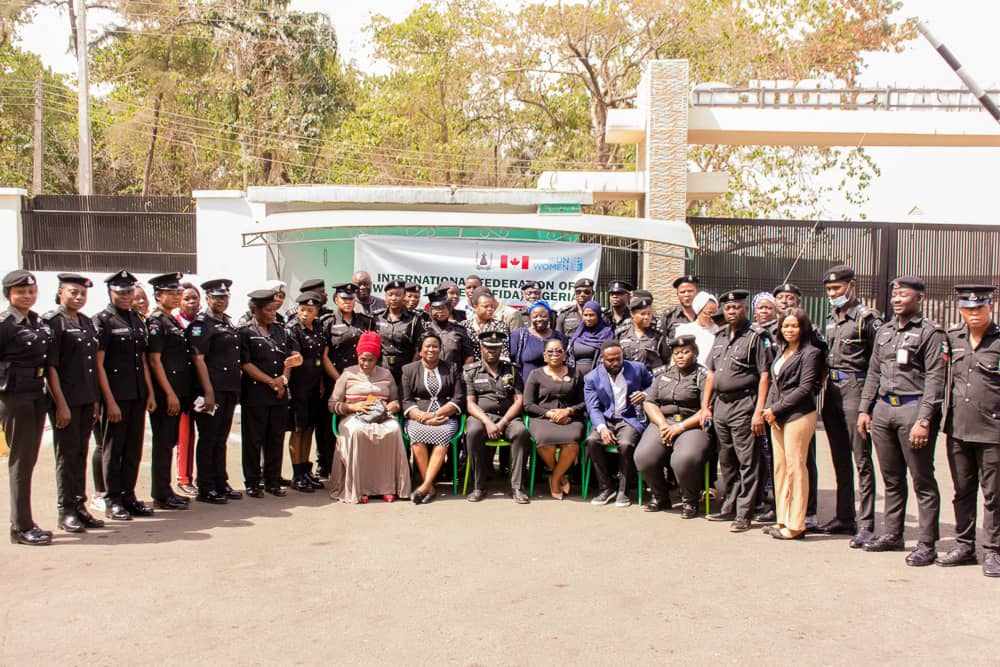
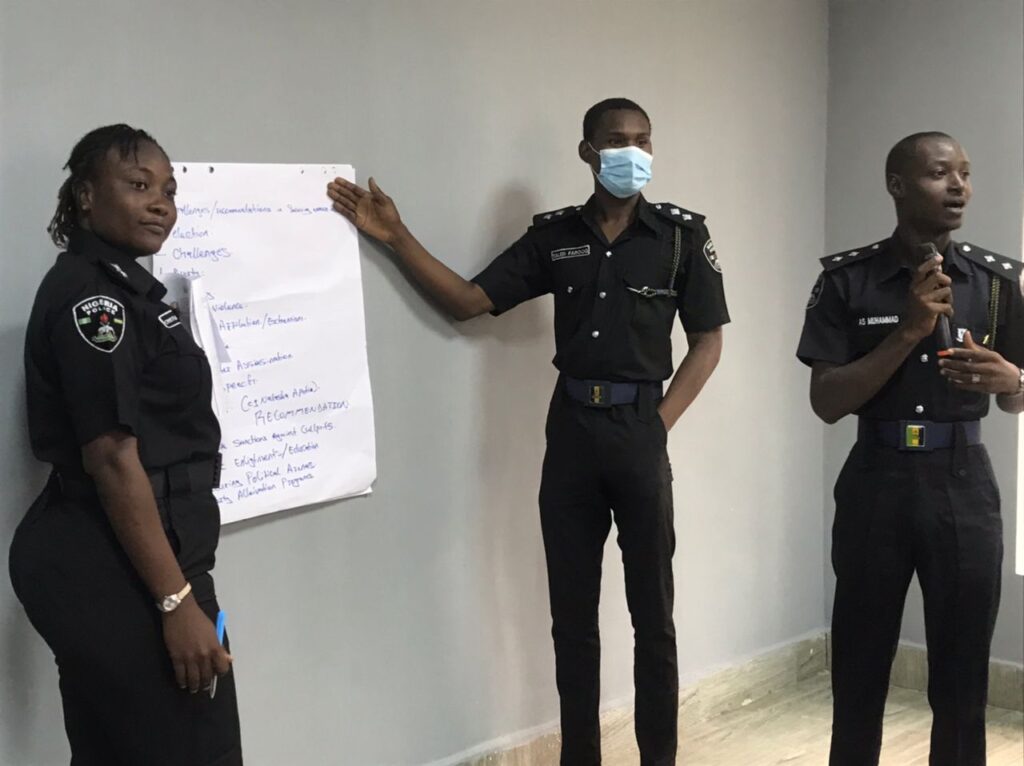
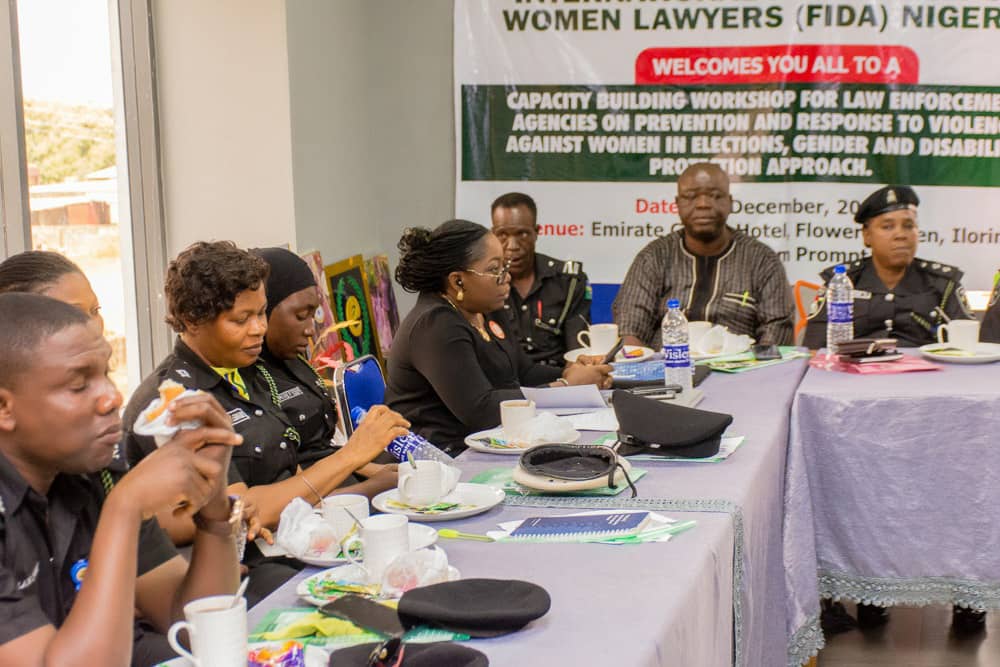
Recognizing the paramount importance of eradicating political violence before, during and after elections given its advantages in the advancement of women’s political participation, FIDA Nigeria on the 6th and 7th of December 2022 held a two-day capacity-building workshop for some selected Law Enforcement Agencies, institutions, and oversight mechanisms in Kwara state.
The workshops key objective was to strengthen the capacities of the participants to effectively prevent and respond to violence against women in elections, Sexual & Gender Based Violence, and other forms of Violence against women” that may deter female electorates participation at the polls.
The event couldn’t have been more apt even as the world continues to mark this years 16 days of activism against gender-based violence.





 by FIDA
FIDA Nigeria Flags off 16 Days of Activism Against Gender-Based Violence
In 2021 the UNODC and UN Women reported that on average, more than five women or girls were killed every hour by someone in their own family. This scourge has become a global pandemic that if left unchecked has potential to send entire societies into ruination due to its life-threatening component.
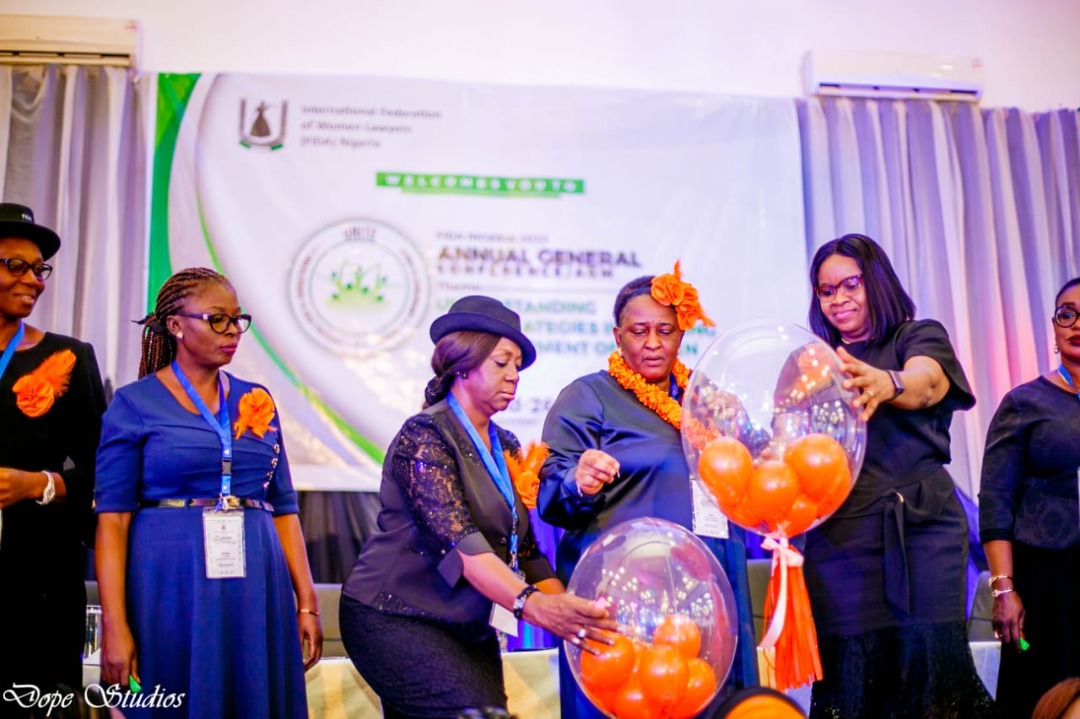
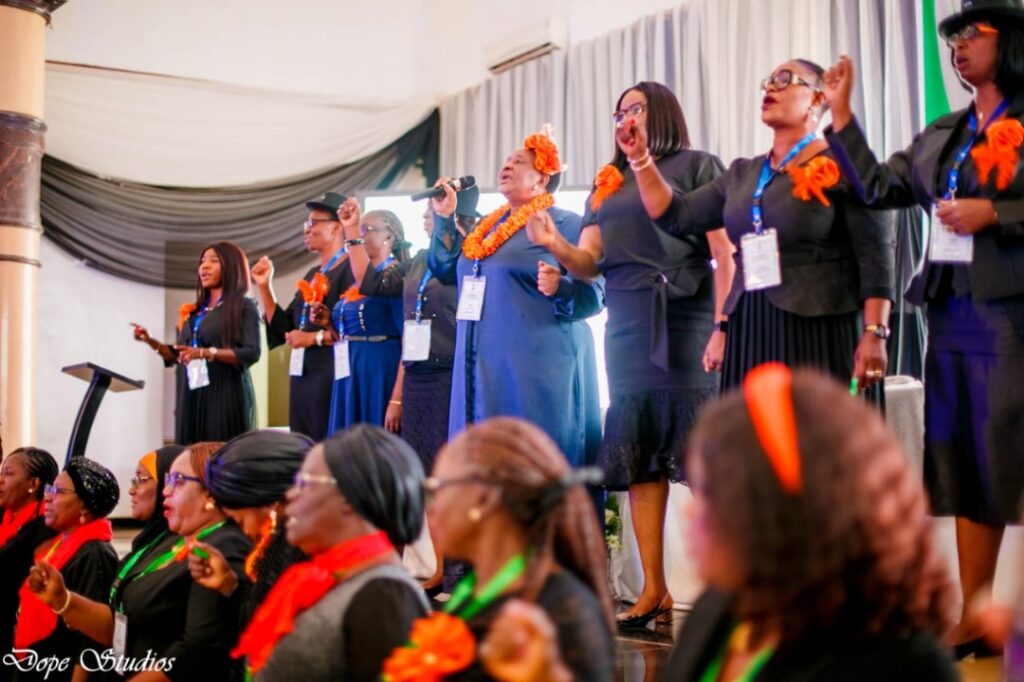
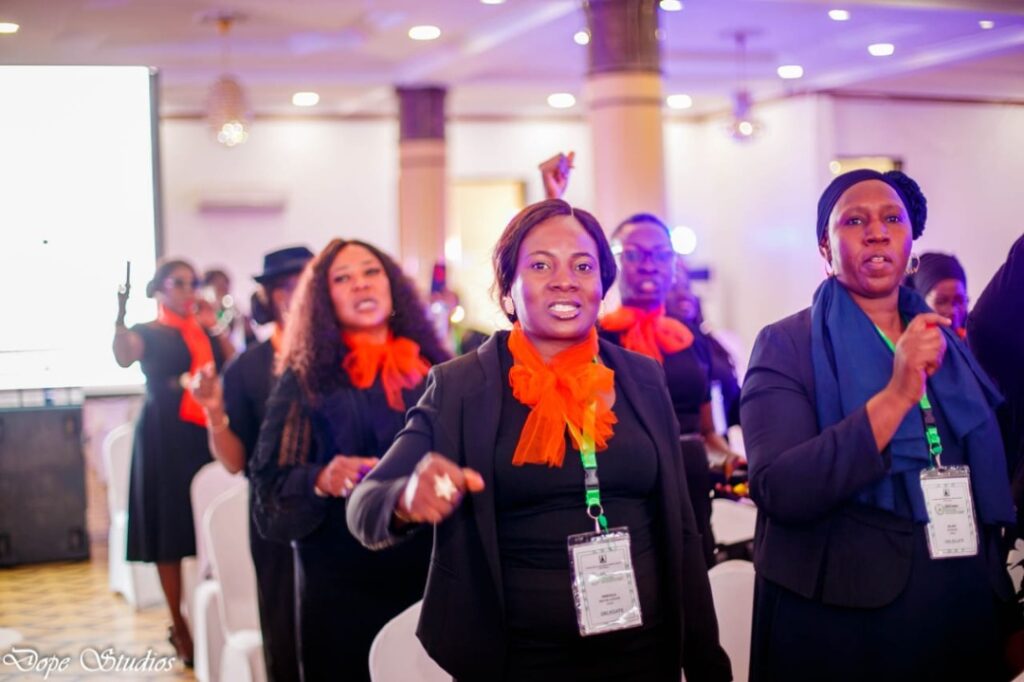
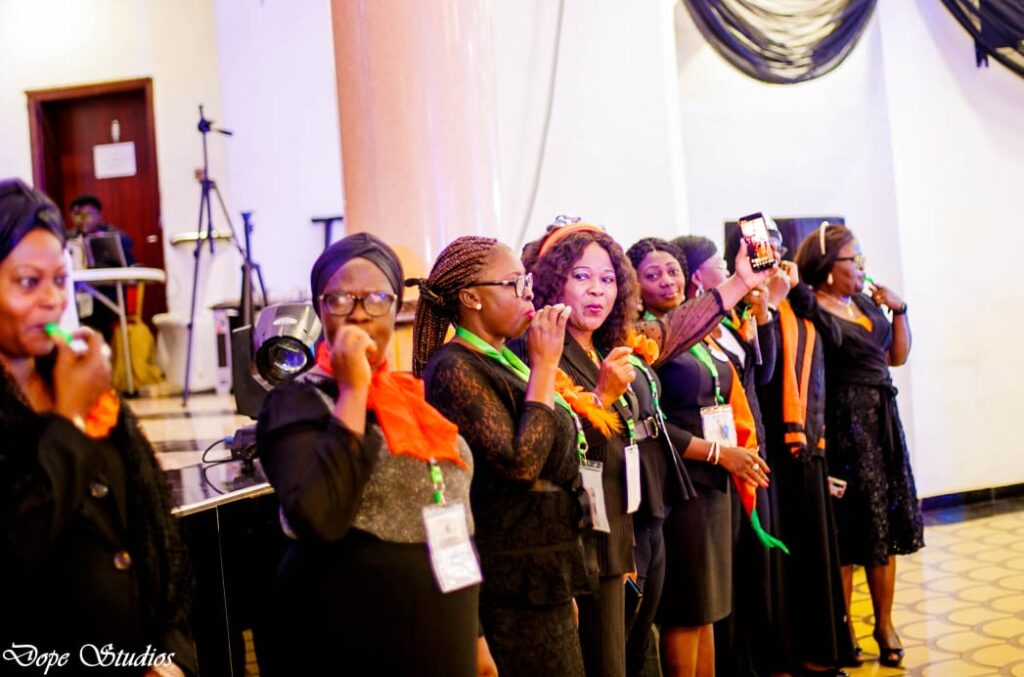
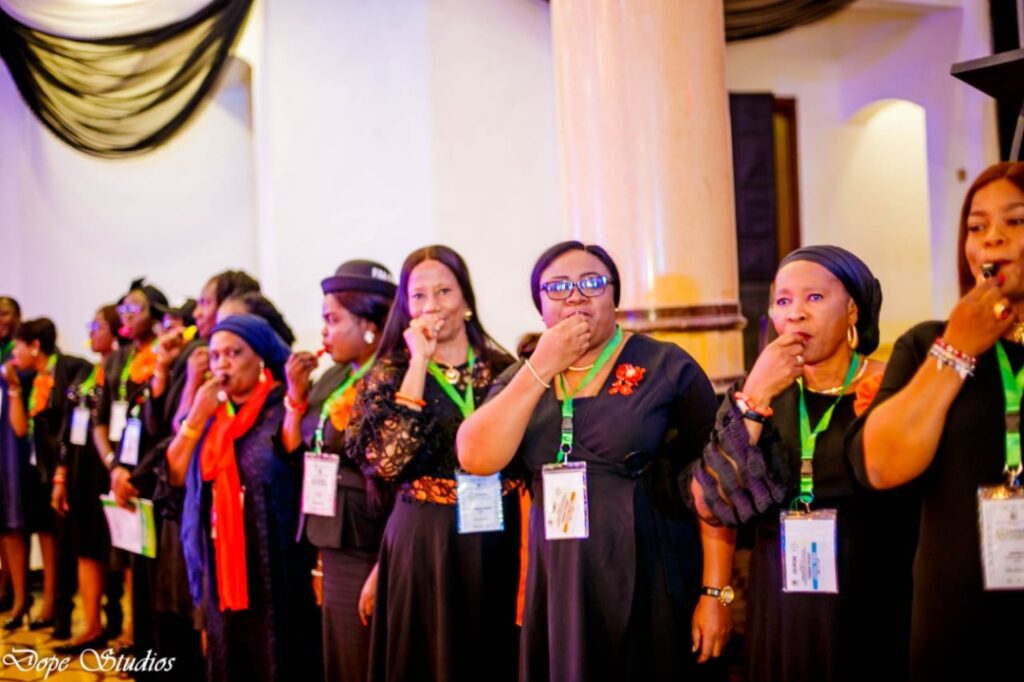
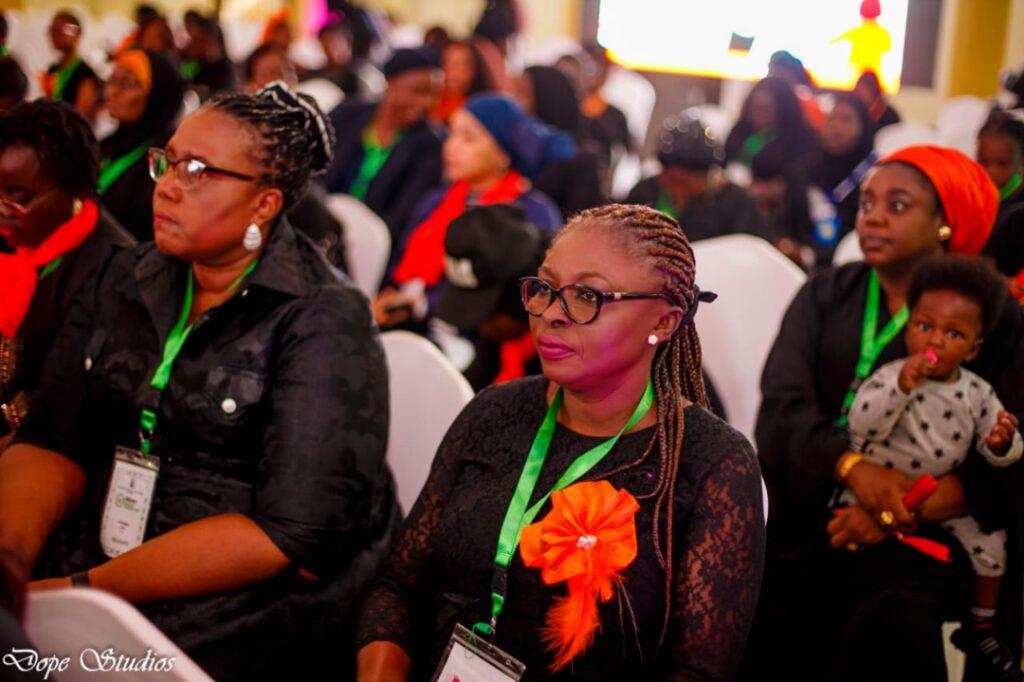
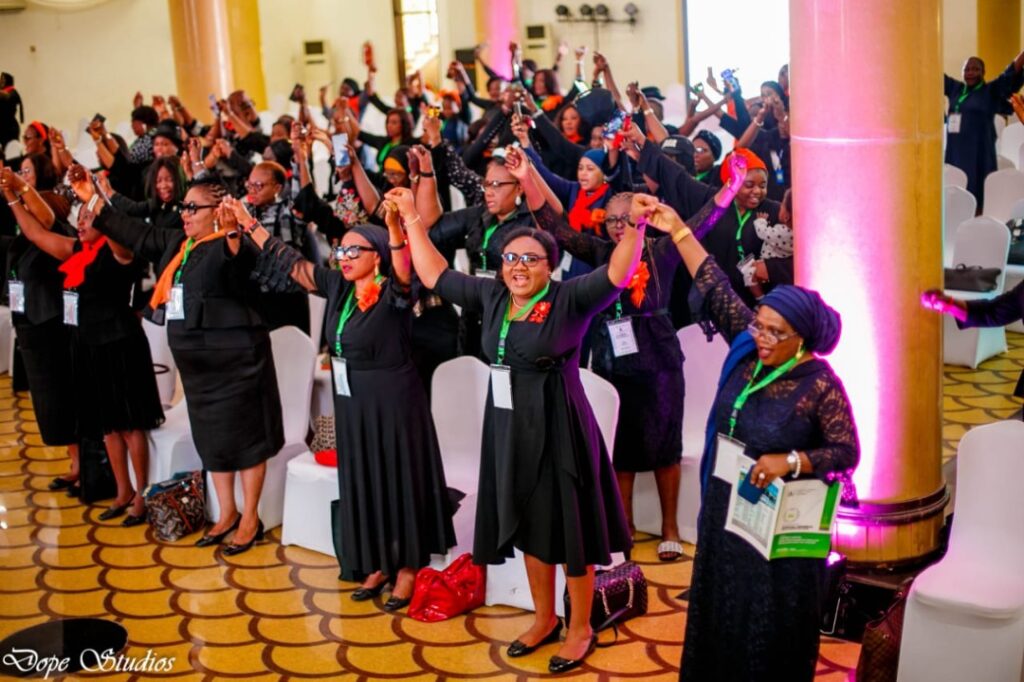
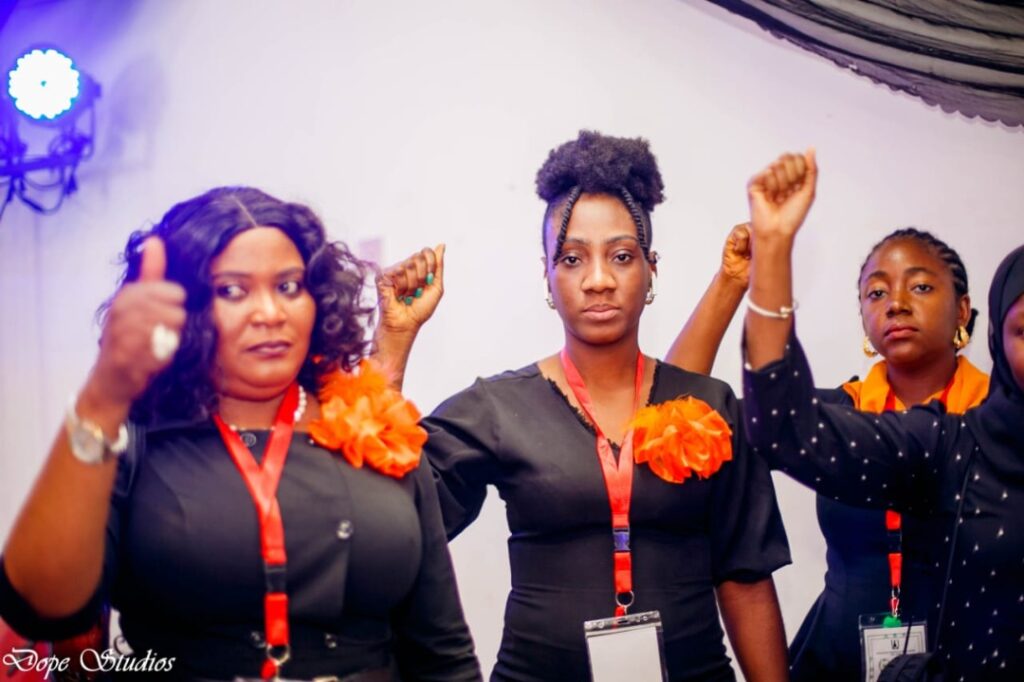
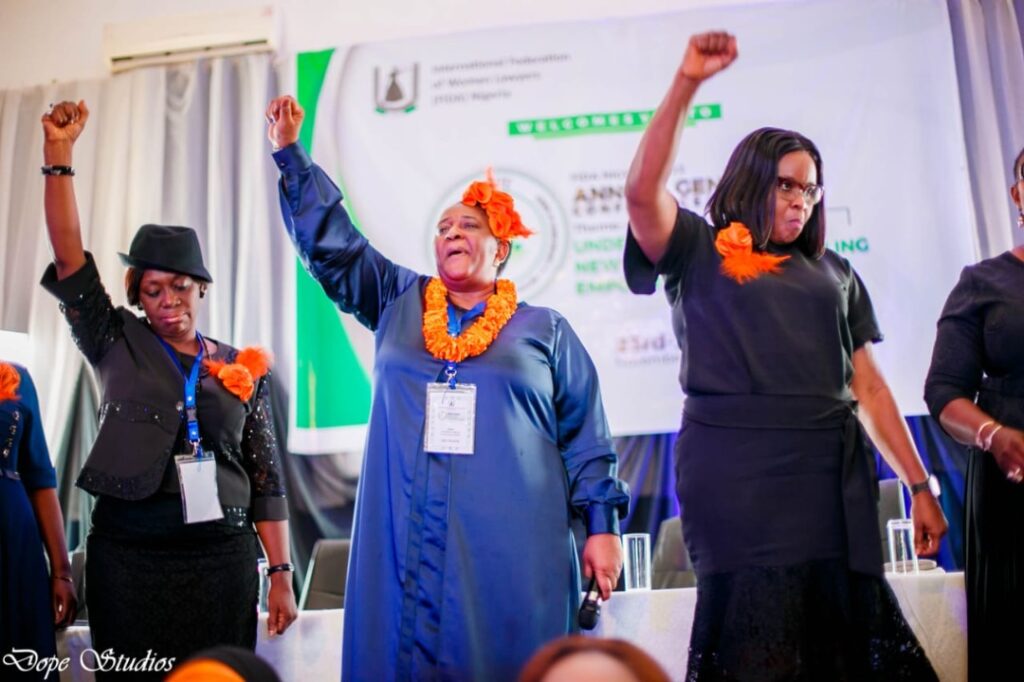
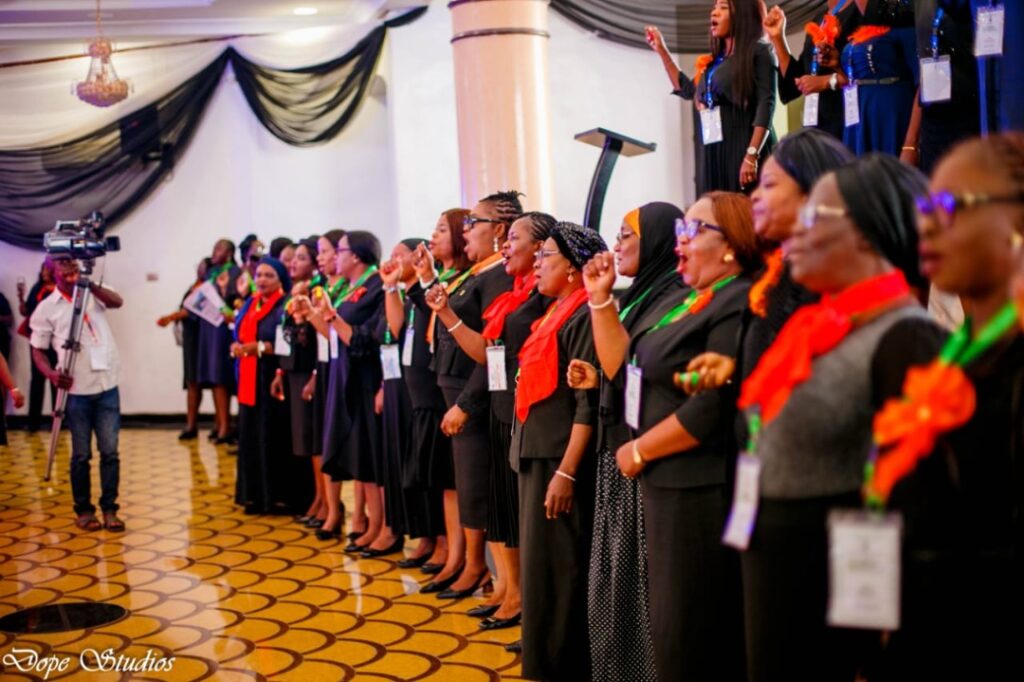
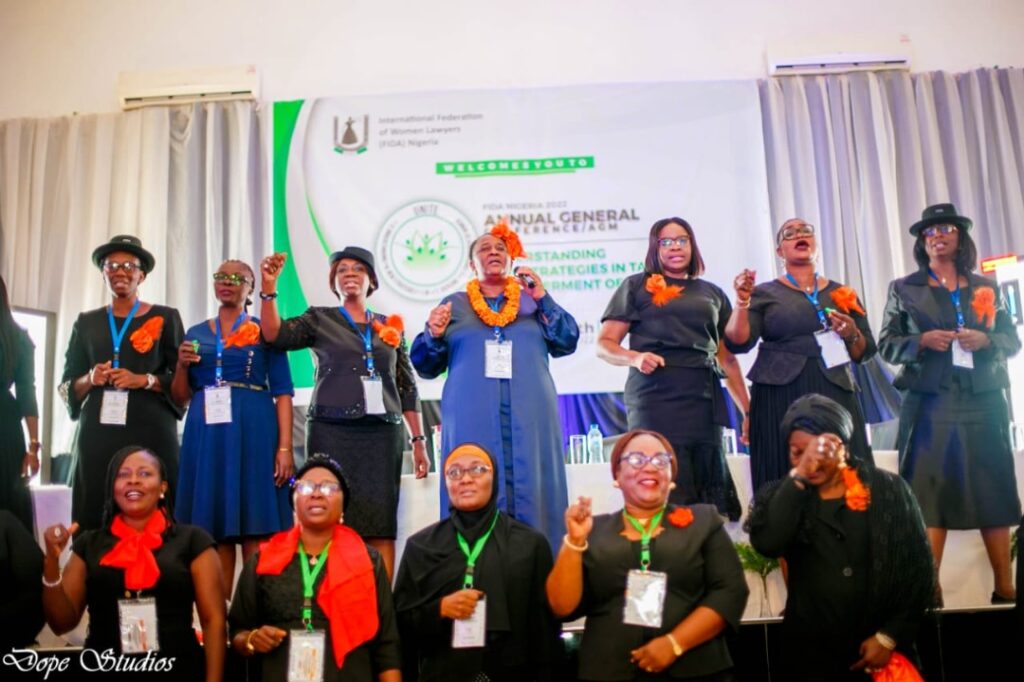
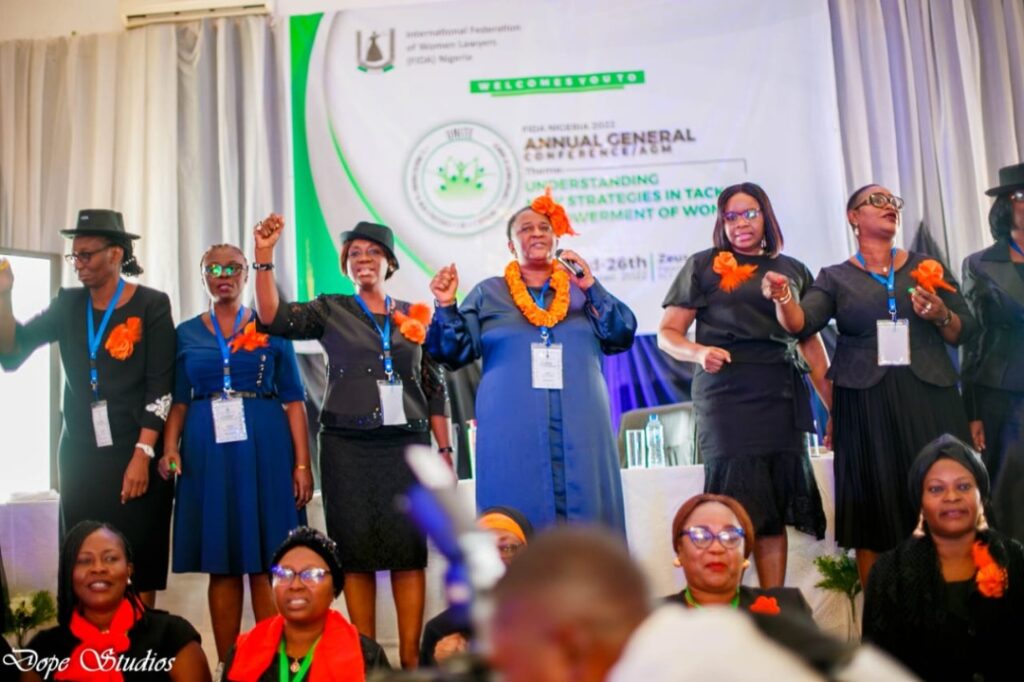
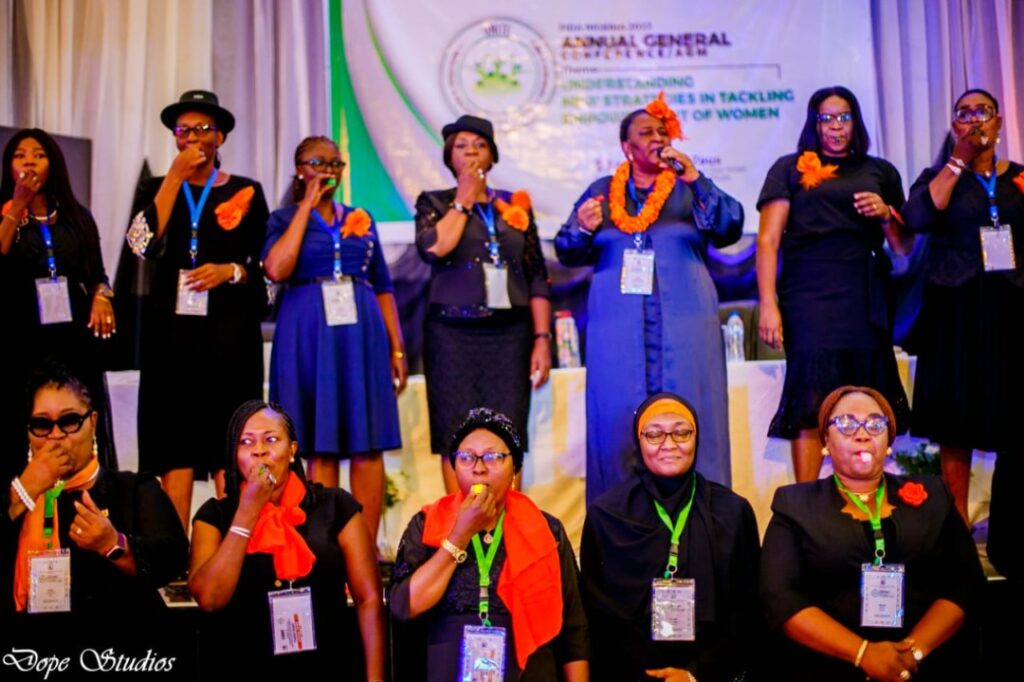
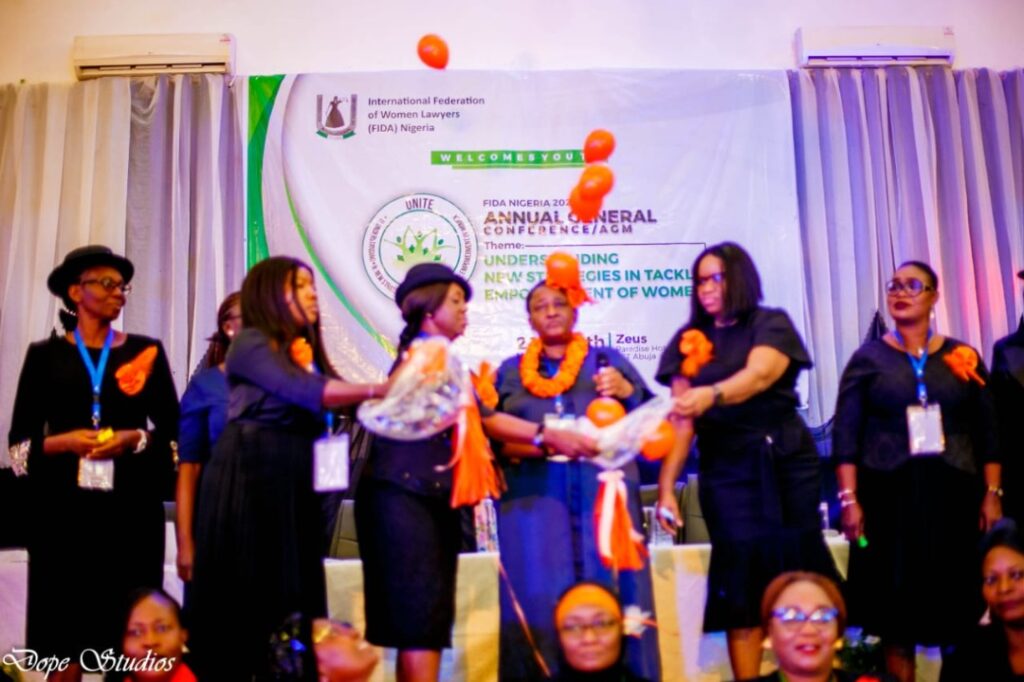
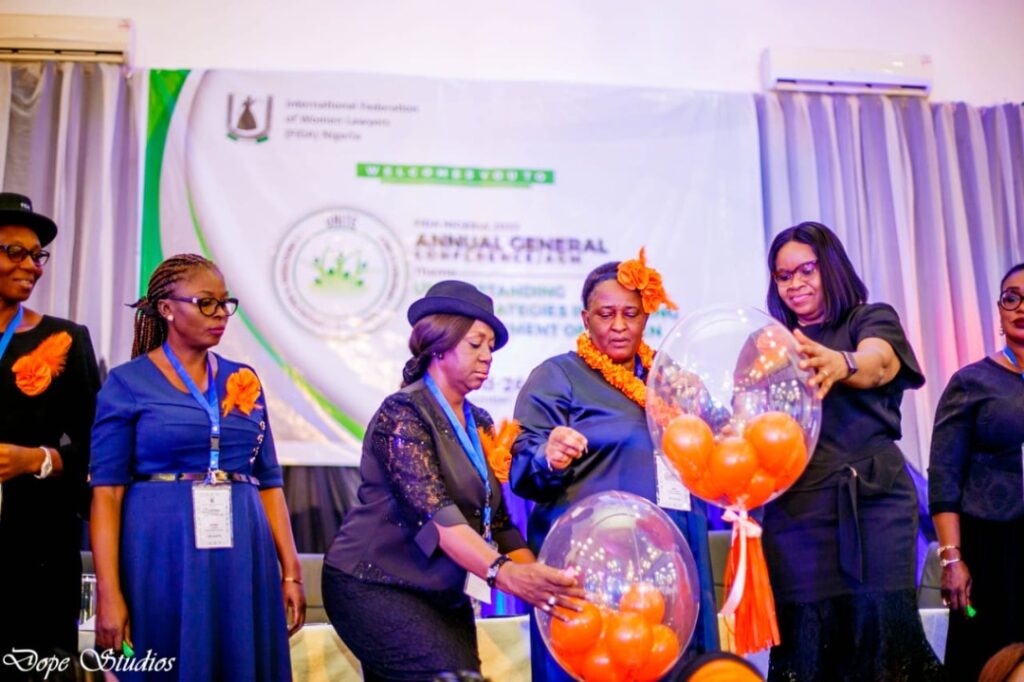
FIDA Nigeria, as a leading voice in the fight against all forms of violence as well as those that present as a result of gender differences, on the 25th of November 2022, in what can be termed an auspicious moment, flagged off the 16 Days of Activism. Orange balloons were released by the CVP, and members blew their whistles loudly singing passionately, calling for this scourge to be eradicated from our communities and the nation at large.
In a statement by the Country Vice President Amina Suzana Agbaje FIDA Nigeria, she stressed that new strategies MUST be targeted at comprehensive and multi-faceted solutions, sustainable policies, stronger commitments, and the necessary executive will of government which MUST translate to action to end all forms of gender-based violence, particularly those aimed at women.
FIDA has over the years incessantly advocated for a complete elimination of violence in our society through various mediums which include, advocating for acceleration in criminal justice responses to incidences of violence, pushing for stiffer penalties for GBV offenses; identifying discriminatory laws that translate to gender-based violence and pressing for their repeal/legislative review.

 by FIDA
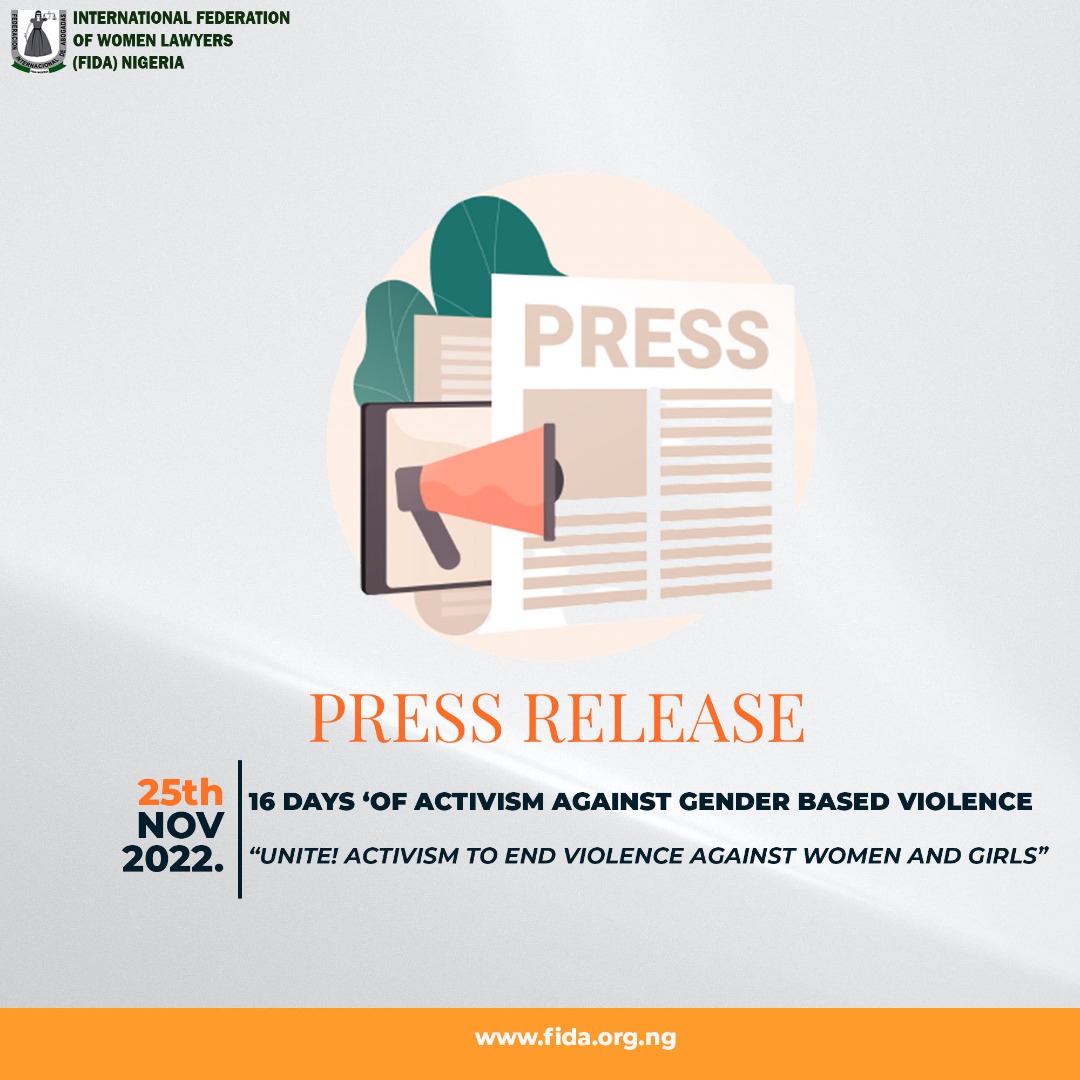
16 Days ‘of Activism Against Gender-Based Violence
16 Days ‘of Activism Against Gender-Based Violence
“UNITE! Activism to end Violence Against Women and Girls”
The 16 Days’ of Activism against Gender-Based Violence is a United Nations observance recognized annually from the 25th of November to the 10th of December (Human Rights’ Day), to drive awareness of the ills of violence in our communities and nations while seeking an end to all forms of violence.
This year’s global theme “UNITE! Activism to end Violence Against Women and Girls”, couldn’t have been more apt in view of the rising incidences of violence globally. Gender-based violence (GBV) which comprises of harmful acts directed at an individual based on their gender identity has been an ugly scourge worldwide. It is deeply rooted in gender inequality, abuse of power, harmful norms, cultural practices that are repugnant to natural justice, equity, and good conscience. It is the most pervasive human rights’ violation which knows no economic or social status, power ranking, individual prestige, class or caste system, national boundaries, or any other human considerations. It manifests in physical, verbal, socio-economic, sexual, and physiological ways, amongst others.
Gender-Based Violence is also one of the most pronounced declaration of the unequal power play between the male and female gender, caused by some factors including Cultural (patriarchal views, gender stereotypes, societal expectations of masculinity and femininity, socialization of gender, general acceptance of violence as an acceptable means to resolve conflict); Economic factors such as lack of economic resources making women more vulnerable to violence; Political factors including under representation of women in power and politics resulting in fewer opportunities to shape decisions that affect policies and equality, and adoption of measures to combat gender-based violence.
This scourge has become a global pandemic which if left unchecked has the potential to send entire societies into ruination due to its life-threatening component. Before the emergence of Covid-19, the issue of gender-based violence had steadily been on the increase, however, with the advent of the Covid-19 pandemic, this epidemic has aggressively accelerated and statistics now show that One out of every three women has experienced this scourge in their lifetime. This illustrates that it has indeed reached pandemic proportions.
Bringing it closer home to Nigeria specifically, the cases of Gender Based Violence have risen exponentially, partly due to continuous terrorism activities, sustained patriarchal outlook of the society, repeated economic disadvantage of the female gender and the seemingly discrimination with respect to female participation in political spaces, resulting recently in a protest spearheaded by FIDA and other notable Civil Society Organizations against the rejection of gender-sensitive Bills by the Nigerian National Assembly.
FIDA, a leading voice in the fight against all forms of violence as well as those that present as a result of gender differences, has over the years incessantly advocated for a complete elimination of violence in our society through various mediums which include, advocating for acceleration in criminal justice responses to incidences of violence, pushing for stiffer penalties for GBV offenses; identifying discriminatory laws that translate to gender-based violence and pressing for their repeal/legislative review.
Some other measures consist of Building capacity and training of relevant stakeholders for efficient analysis of data emanating from GBV cases; massive grassroot sensitization in indigenous languages of the relevant laws that deal with gender-based violence such as the Violence Against Persons Prohibition (VAPP) Act 2015; the Childs Right Act, Administration of Criminal Justice Act (ACJA); amongst other laws; pushing for adoption of these laws by States that are yet to do so; Sensitizing the public on the ills of gender-based violence; intensive training of Community Paralegals towards mitigation of GBV; Capacity building workshops for stakeholders at various strata; continuous dialogue with Community Gatekeepers, Traditional rulers, Faith and Religion based Leaders towards changing societal patriarchal outlook, amongst other various interventions.
This year, FIDA Nigeria is amplifying the global call for action by calling for an improvement of existing strategies and the formulation of new ones towards a complete eradication of this cancerous epidemic. These new strategies MUST be targeted at comprehensive and multi-faceted solutions, sustainable policies, stronger commitments, and the necessary executive will of government which MUST translate to action to end all forms of gender-based violence particularly those aimed at women. This is in line with Sustainable Development Goal 5.2. Our global voices have indeed reached a crescendo!!!
It is time to end all forms of Violence in our societies and globally! Enough is enough!
#endGBV #saynotoviolence #16daysofactivismagainstGBV #FIDANigeria
Yours in service,
Amina Suzanah Agbaje, (Mrs.)
Country Vice President/National President
FIDA Nigeria
 by FIDA
FIDA Nigeria Media Parley & Outreach
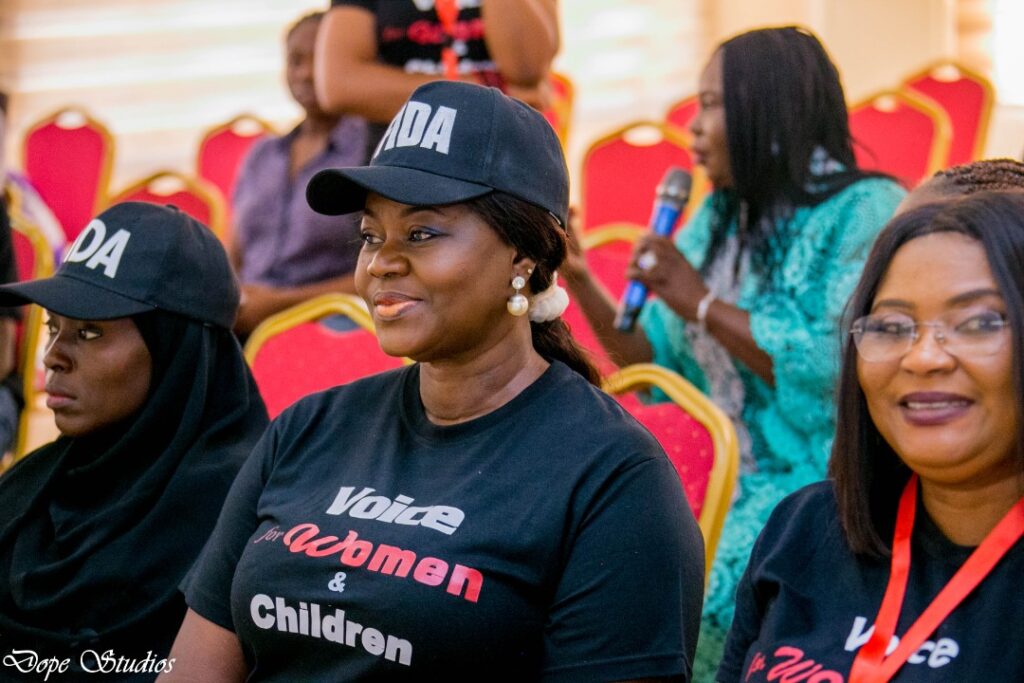
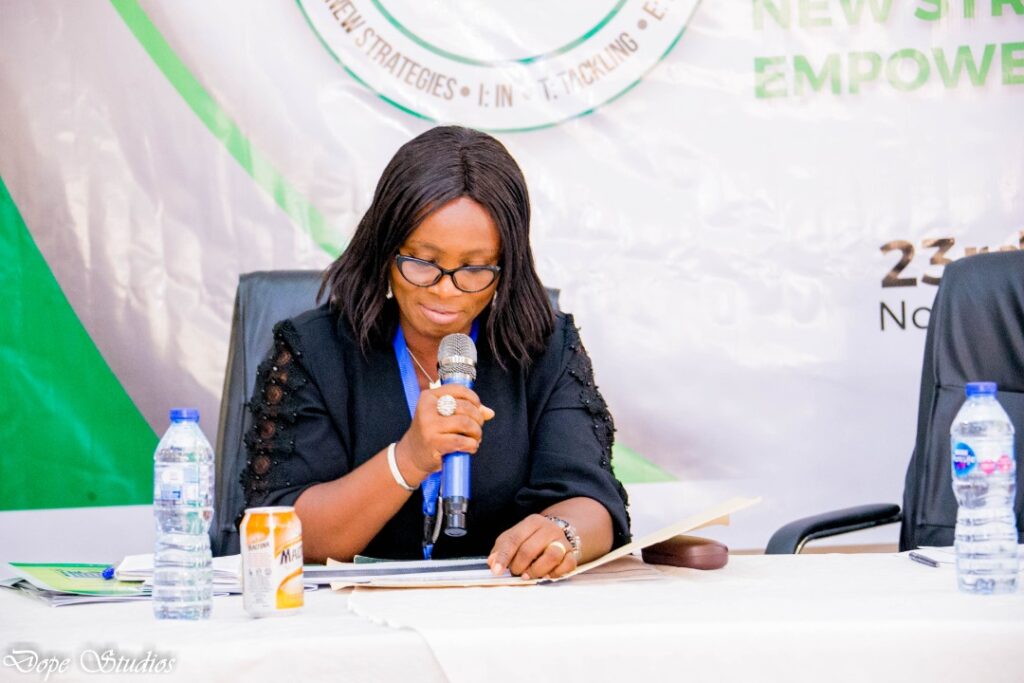
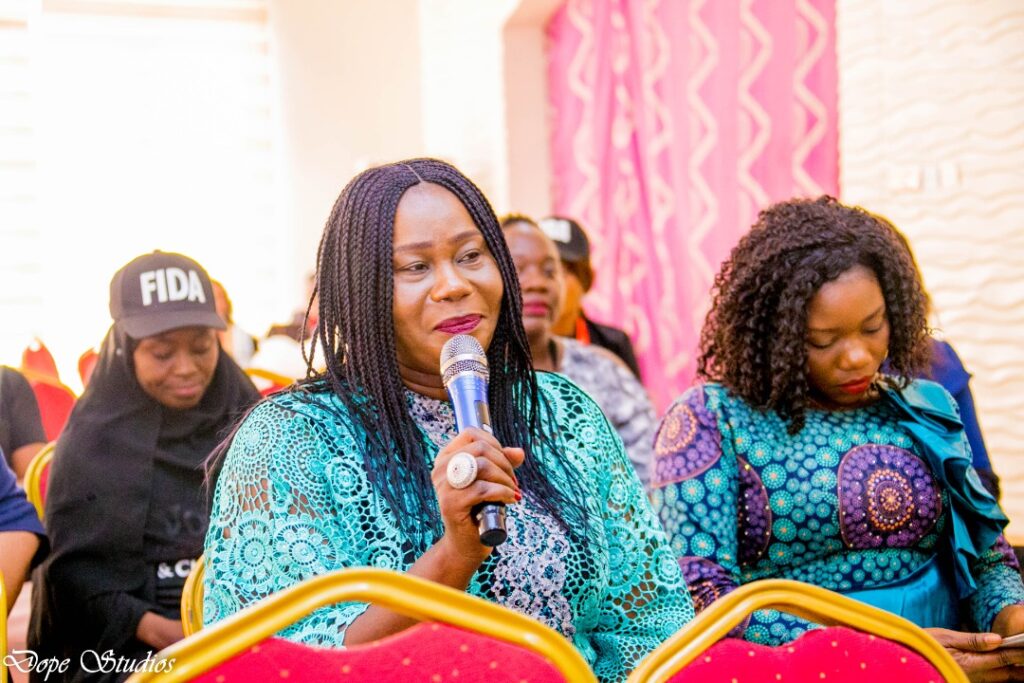
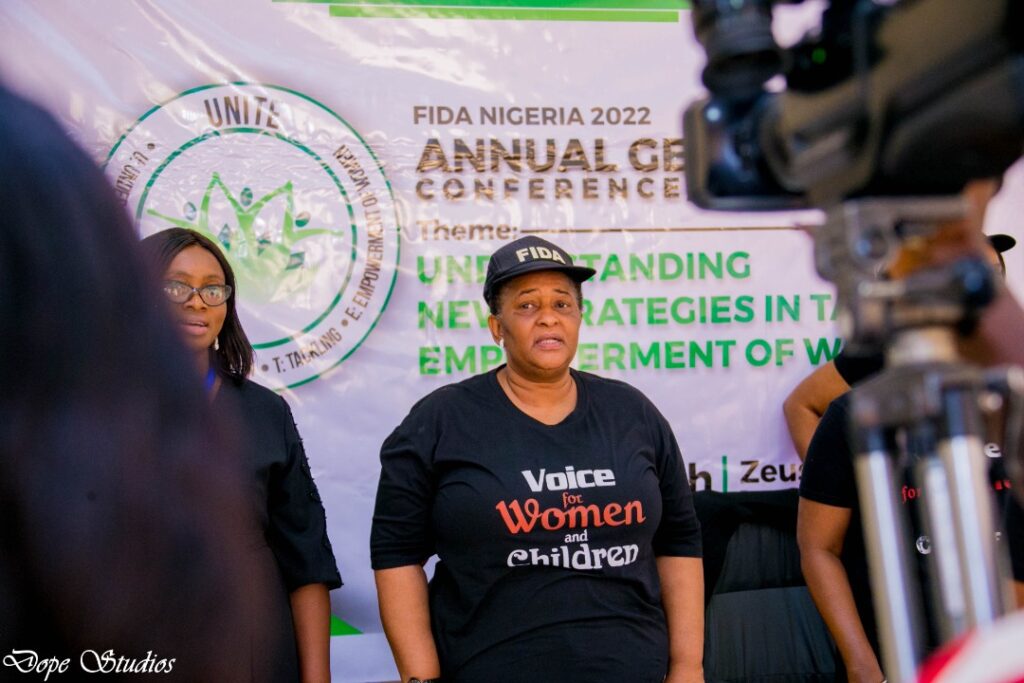
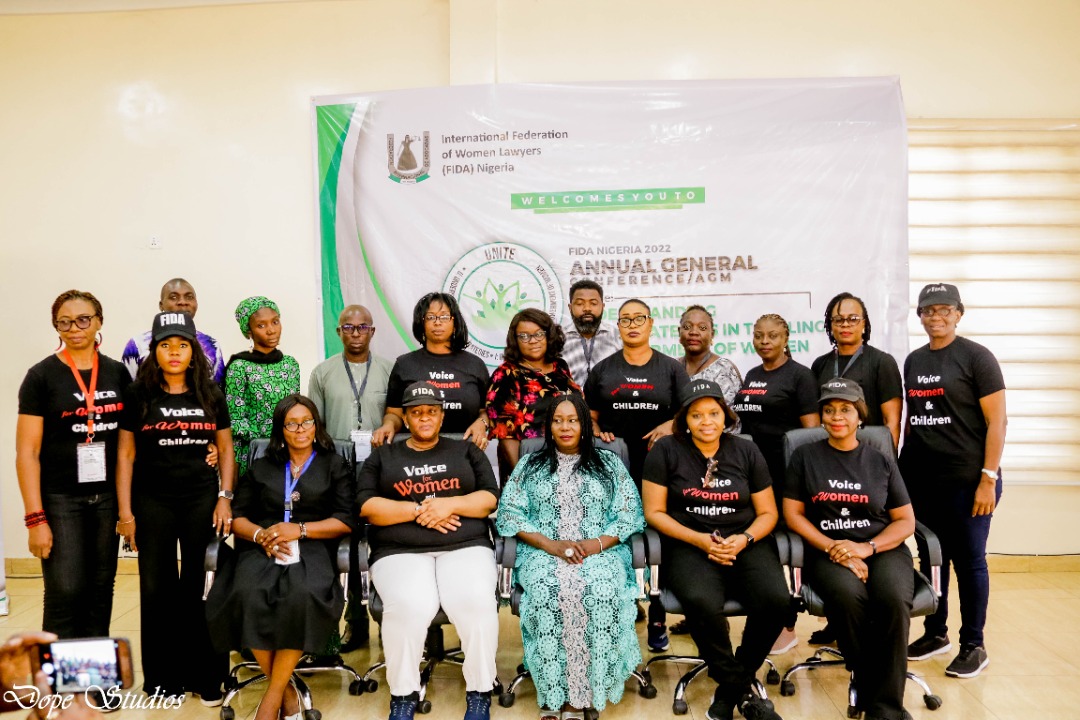
FIDA Nigeria in her pre–Annual General Conference activities on the 22nd of November 2022, held a Media Parley themed Media: The Life Saving Trumpet of The Vulnerable Women and Children in The Society”
In her remarks, the Country Vice President/National President (FIDA) Nigeria Amina Suzanah Agbaje commended the media as “a lifesaving trumpet” on issues of Gender Based Violence and the challenges of women in the society, she also called for a collaborative effort between stakeholders to win the fight against all forms of violence against women and children.
The essence of the parley is to tease out new strategies for dealing with issues that affect the right of women and children living with disability.
Emphasis were made on the key role of the media for the vulnerable in society; FIDA also, appreciated the media for their accomplishments so far and challenged them to doing greater things whilst looking at engaging new strategies and collaborations going forward.
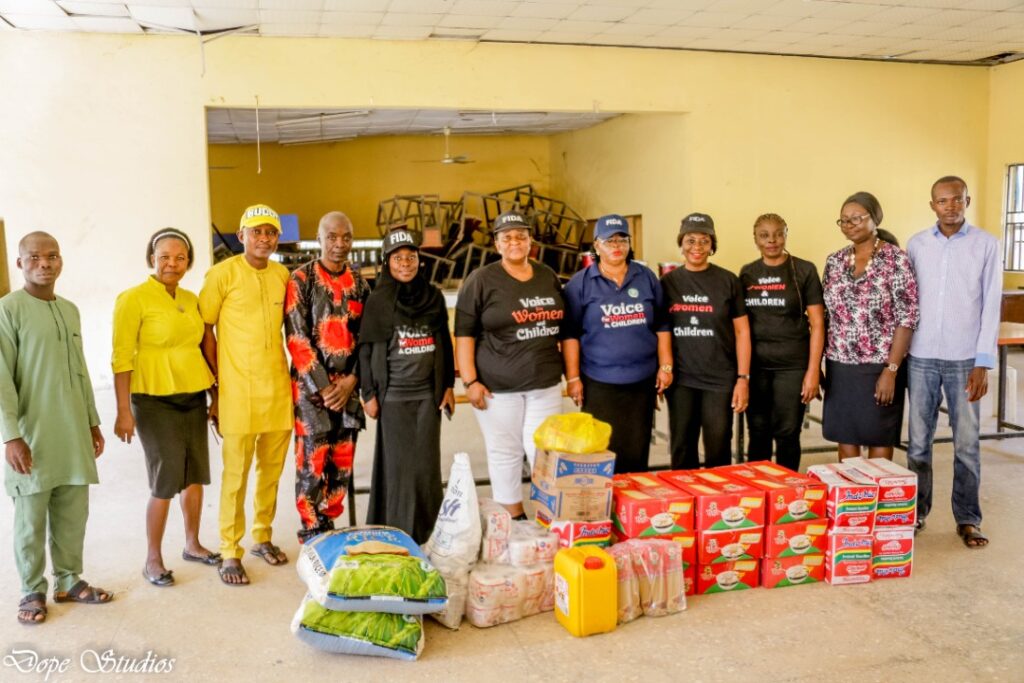
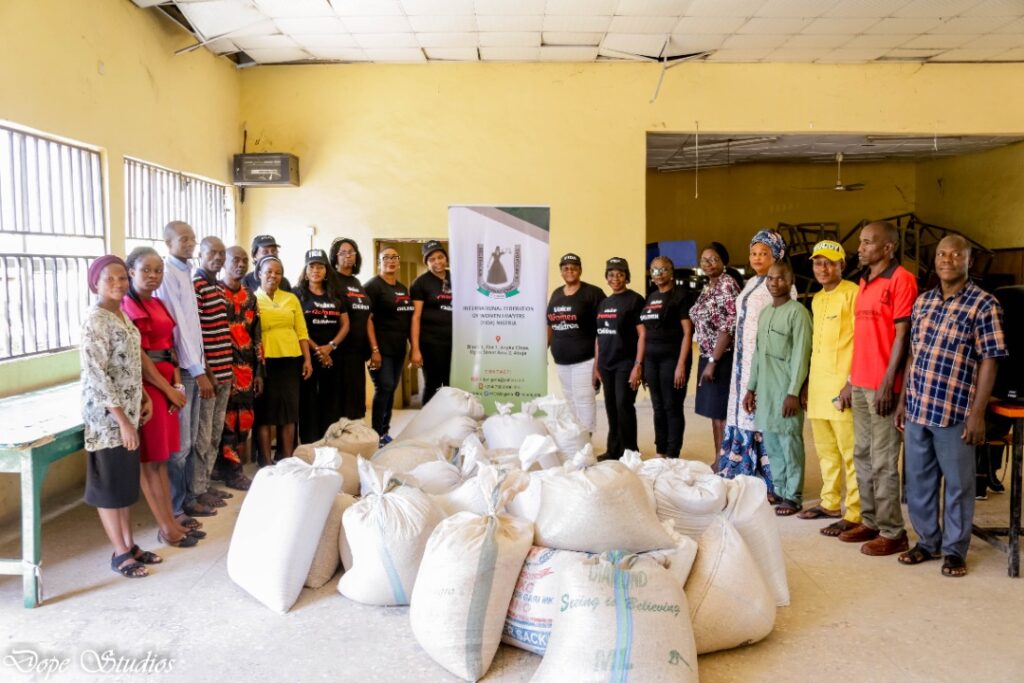
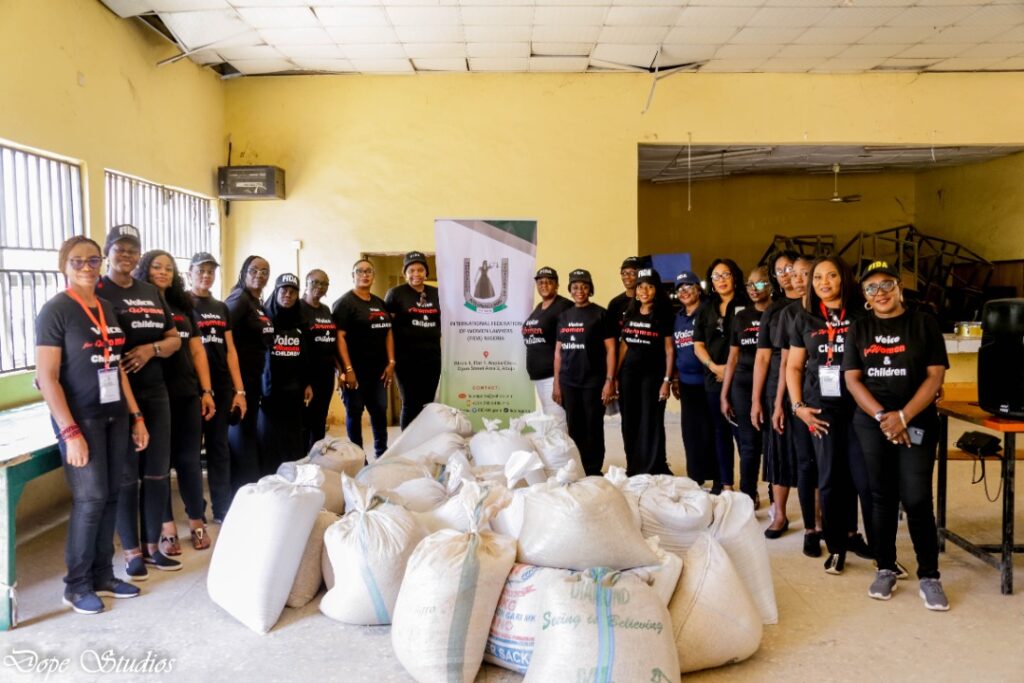
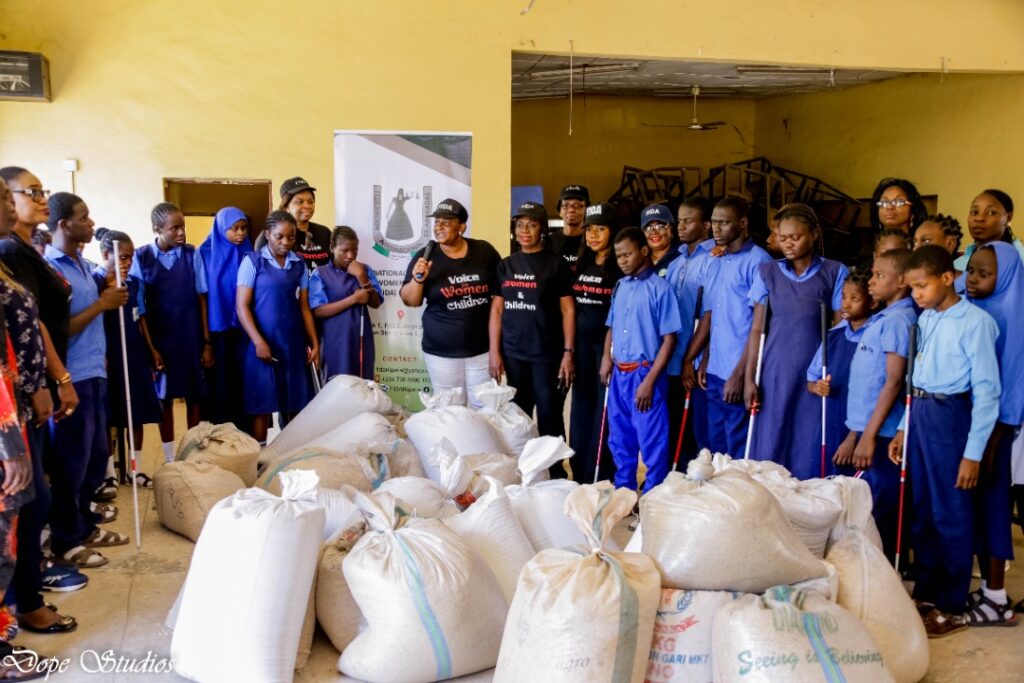
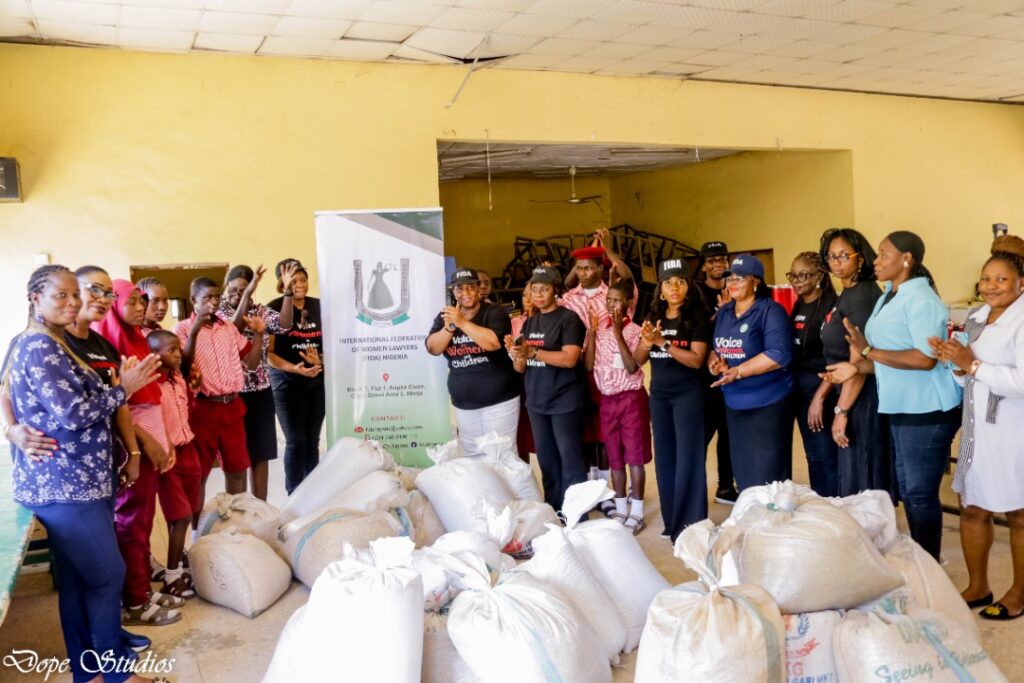
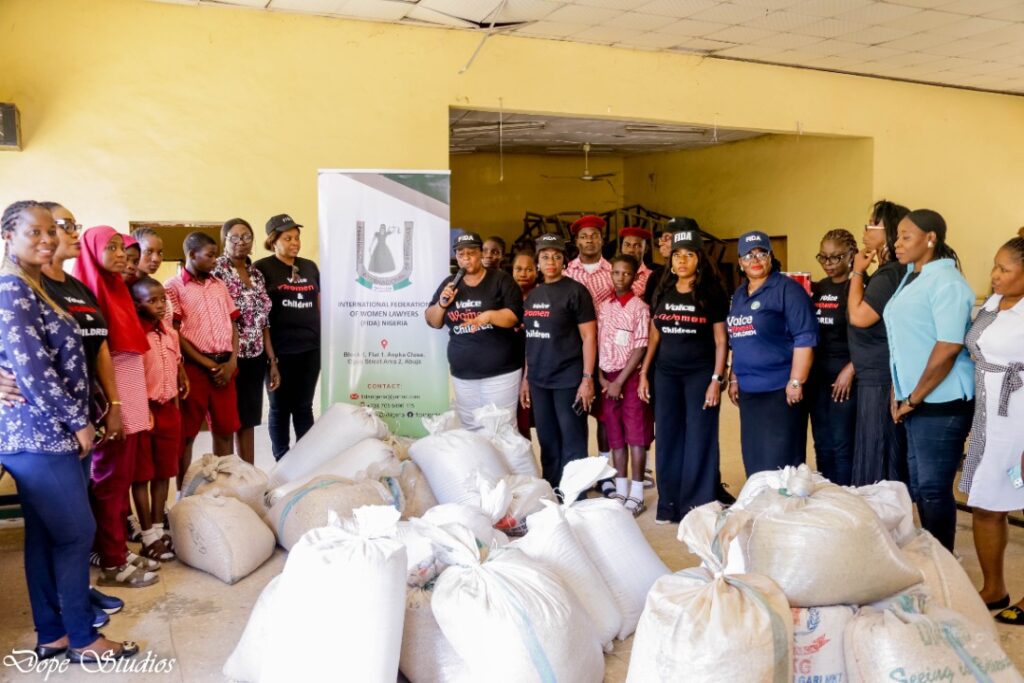
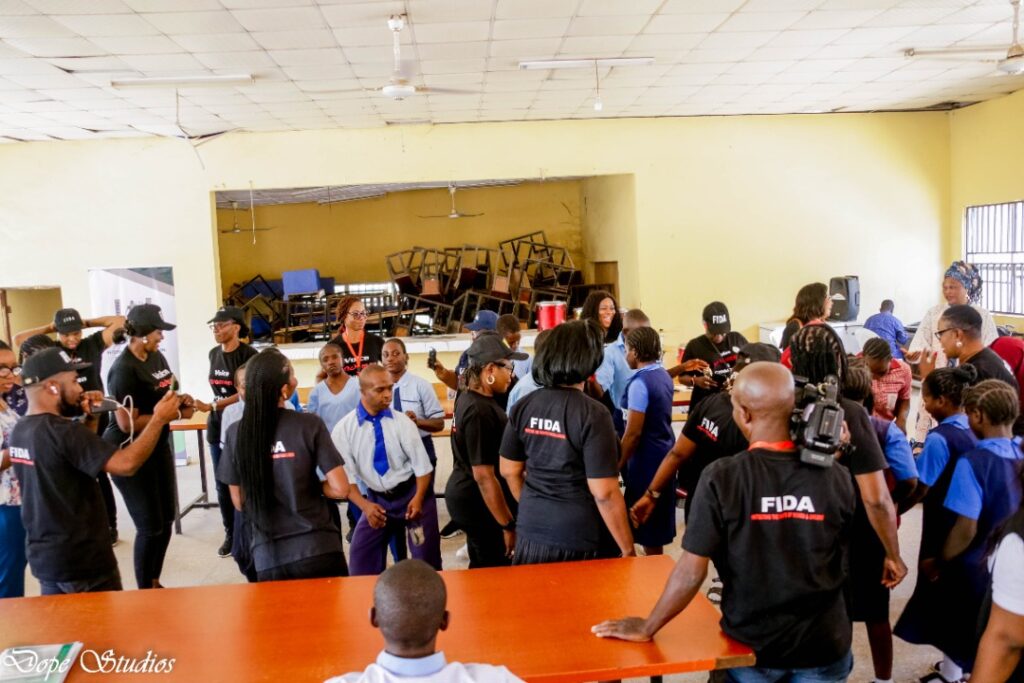
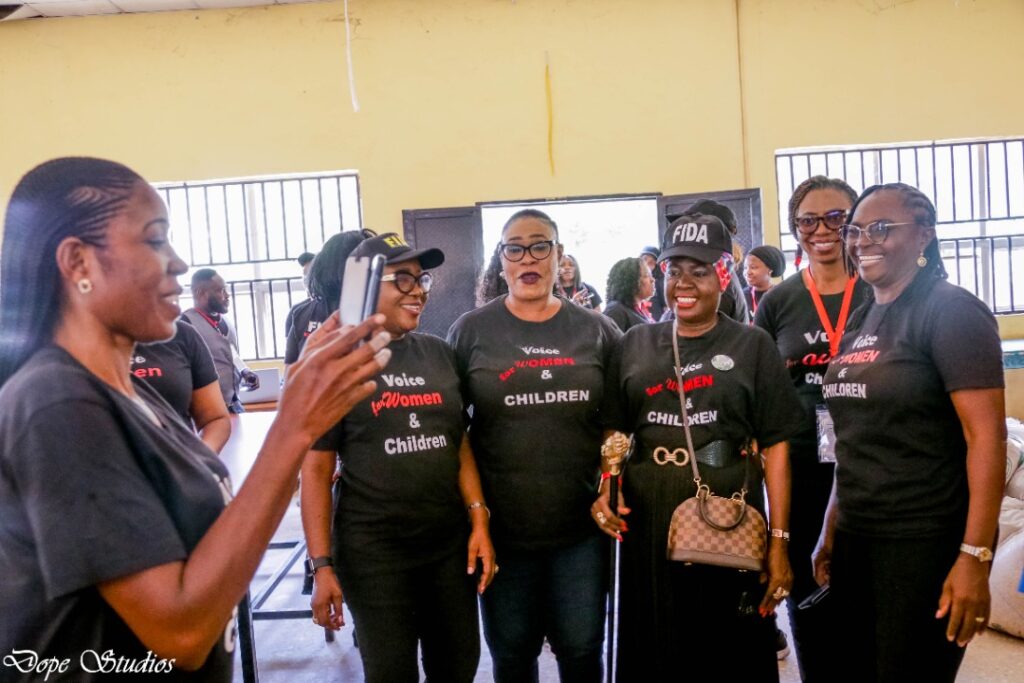
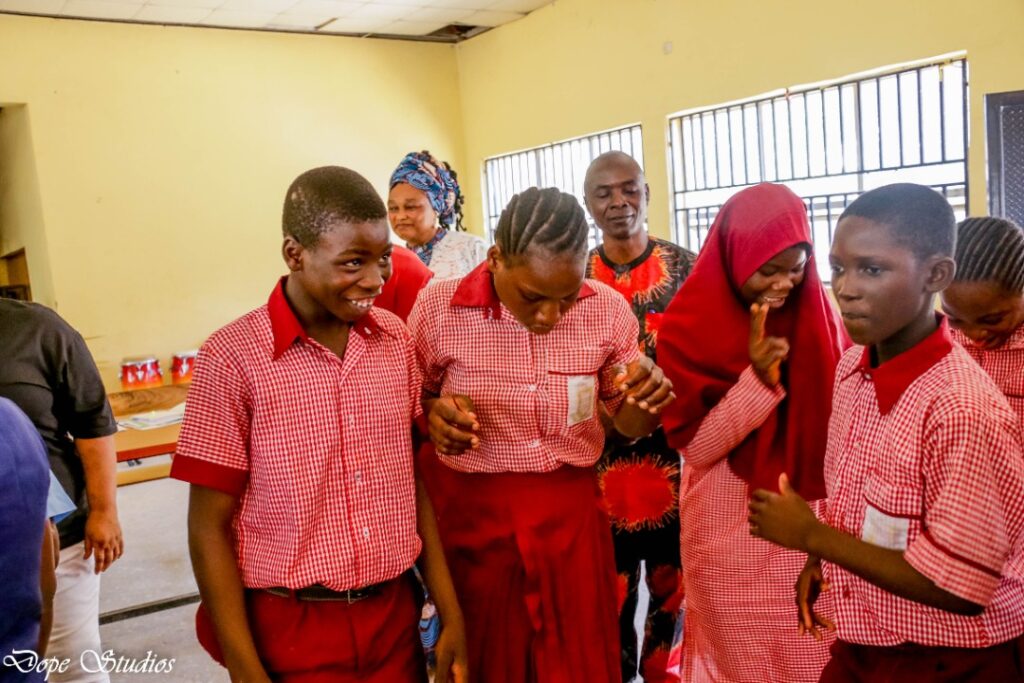
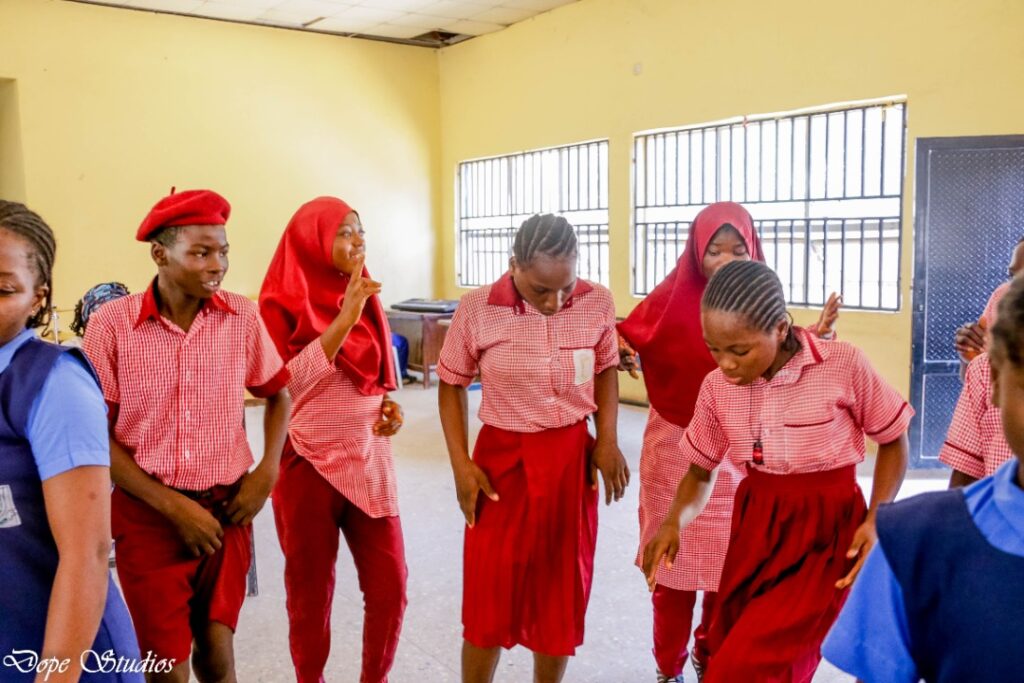
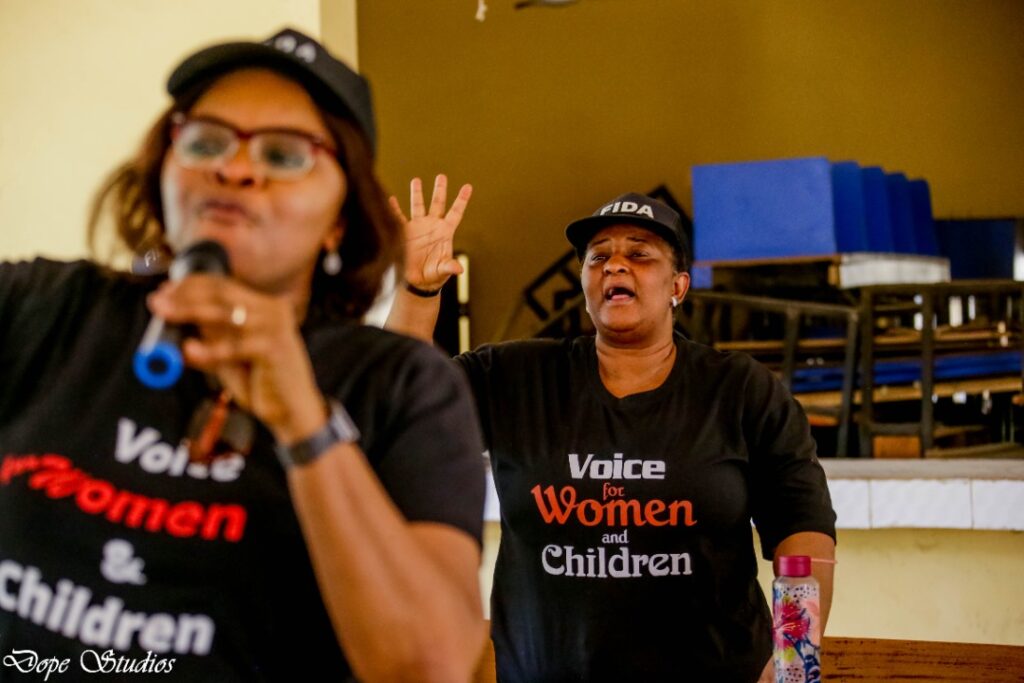
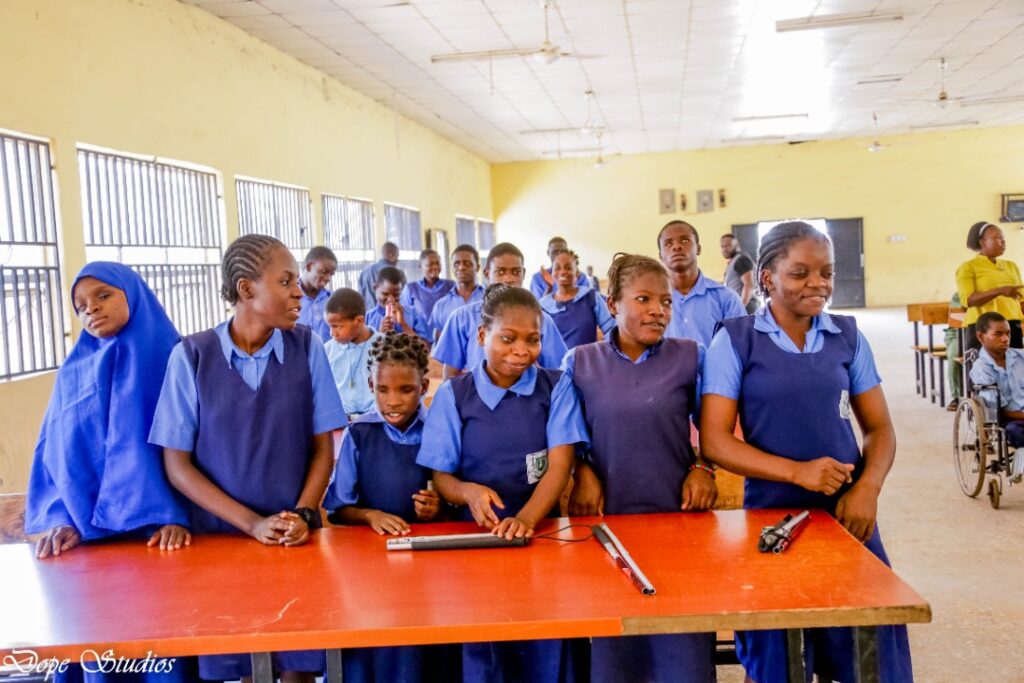
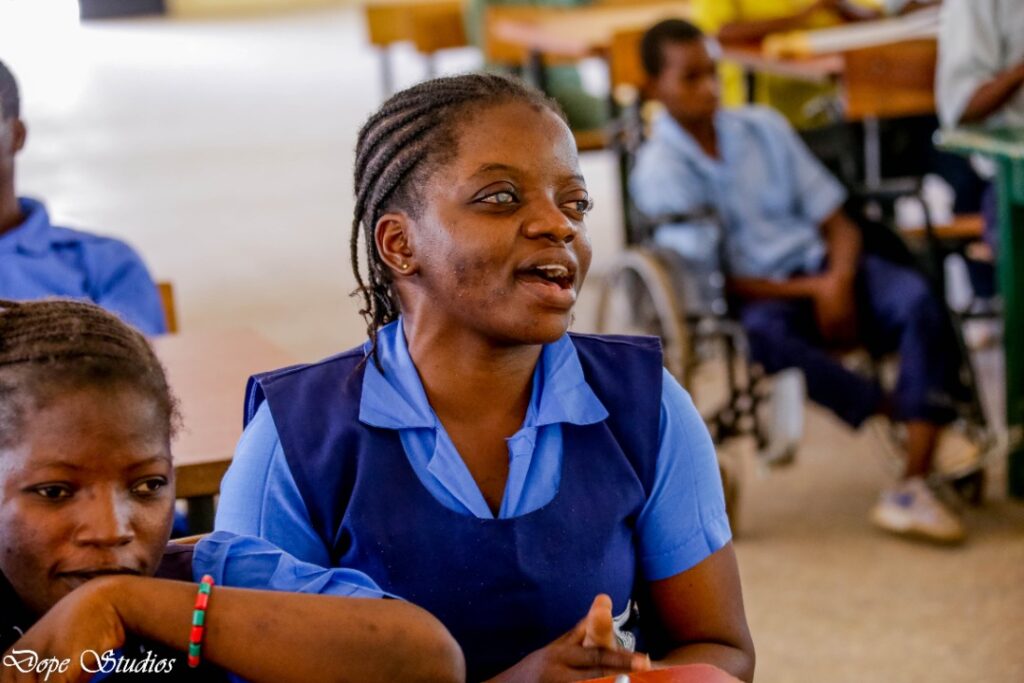
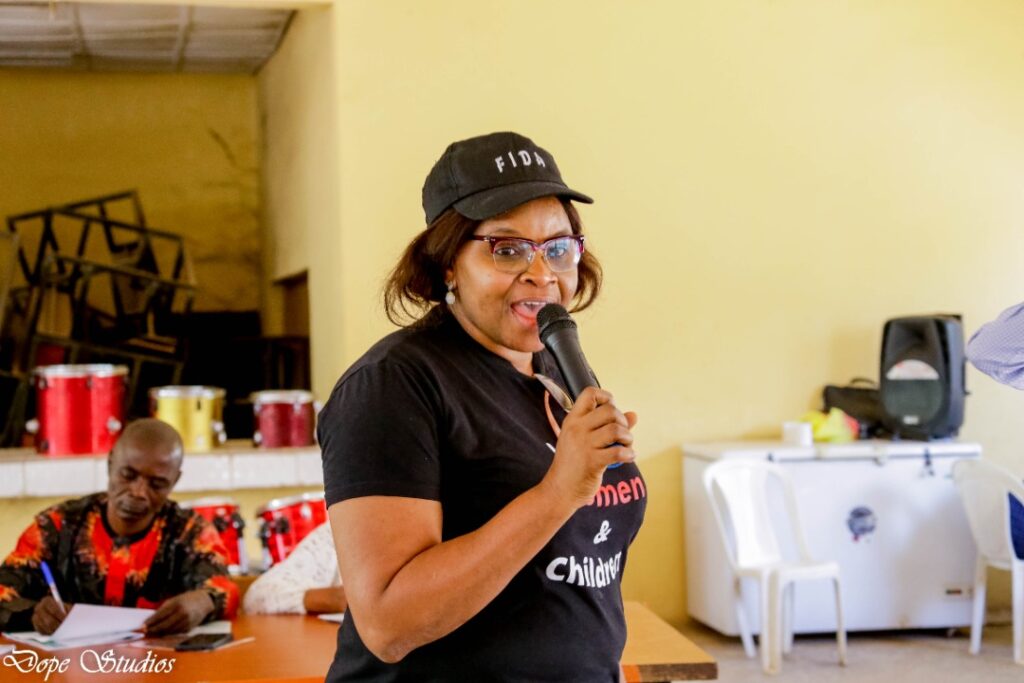
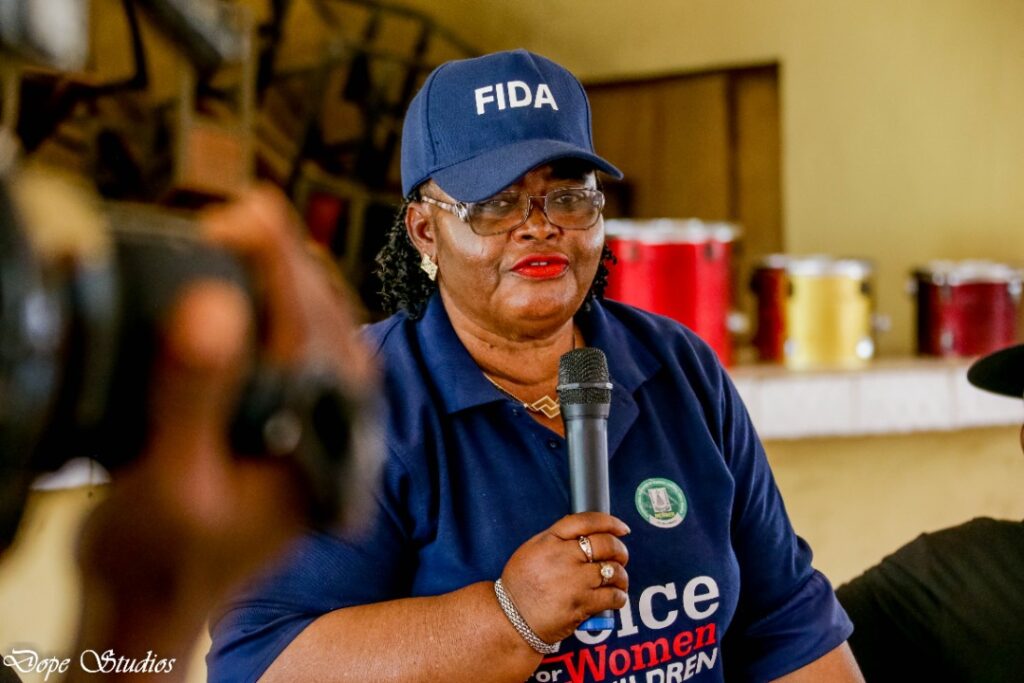
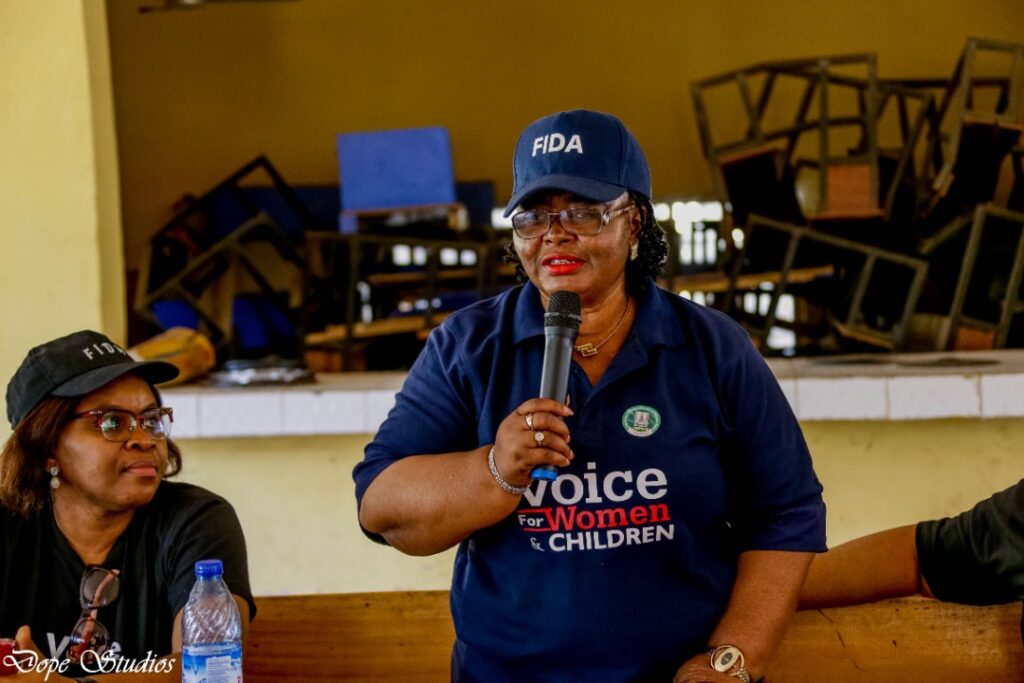
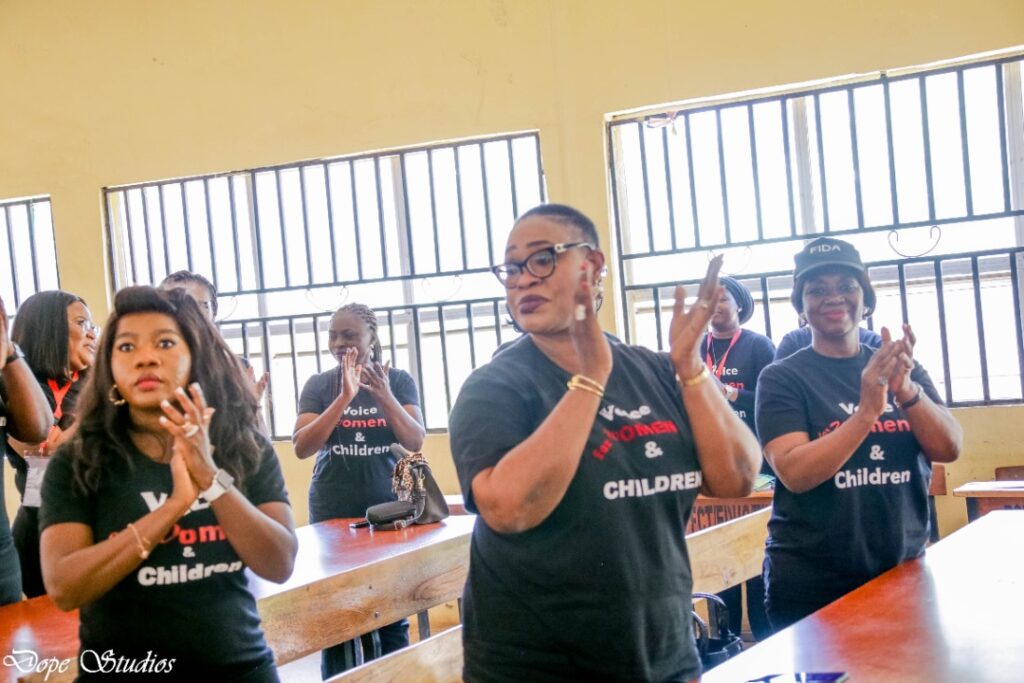
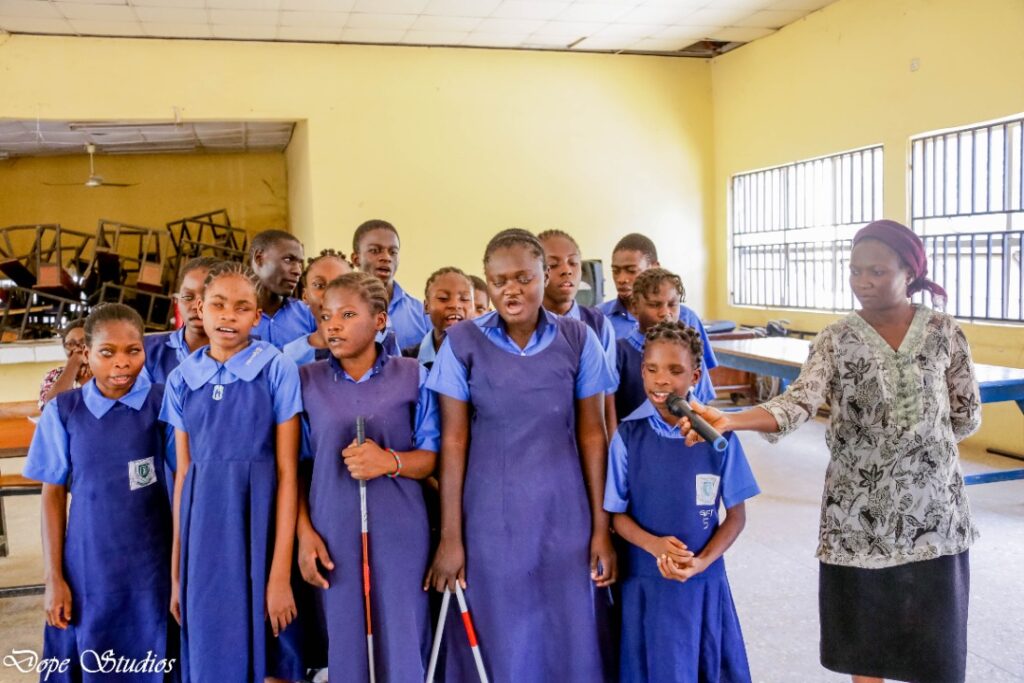
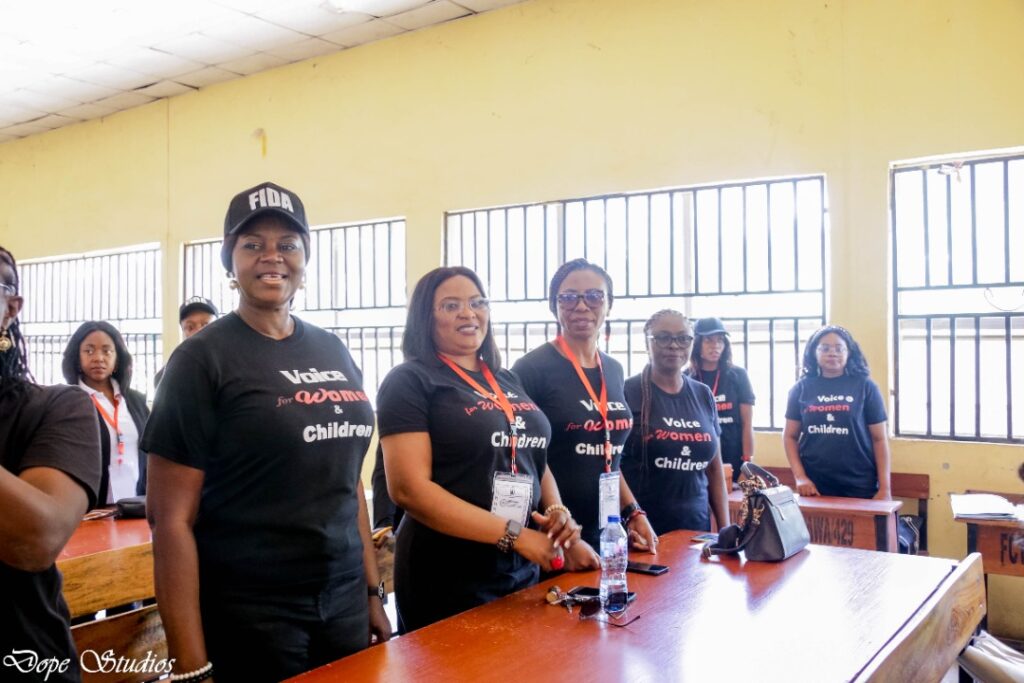
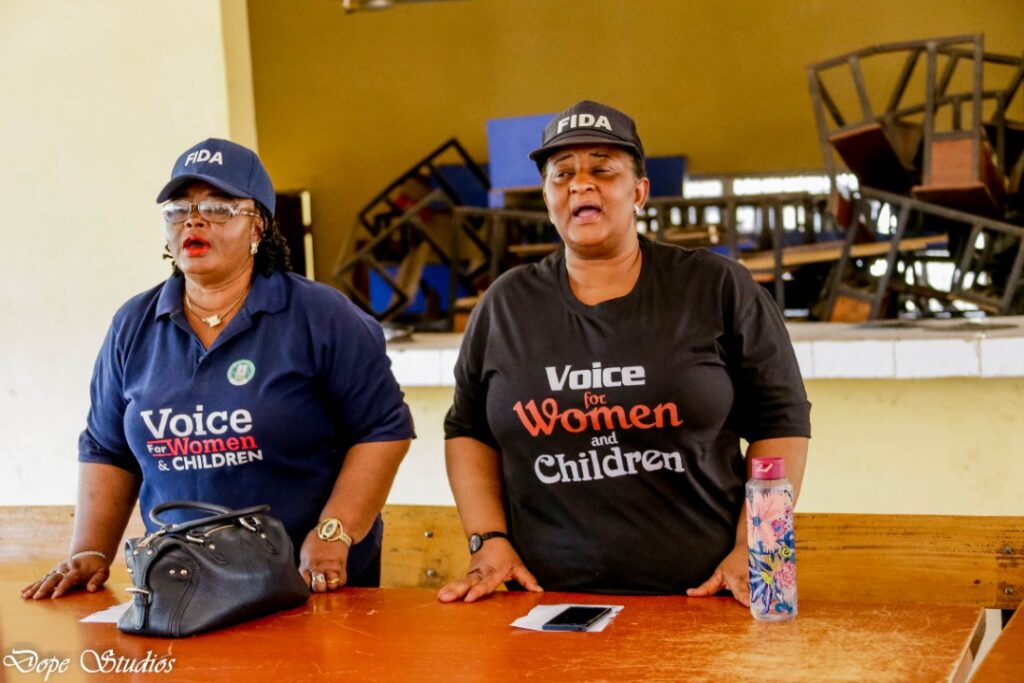
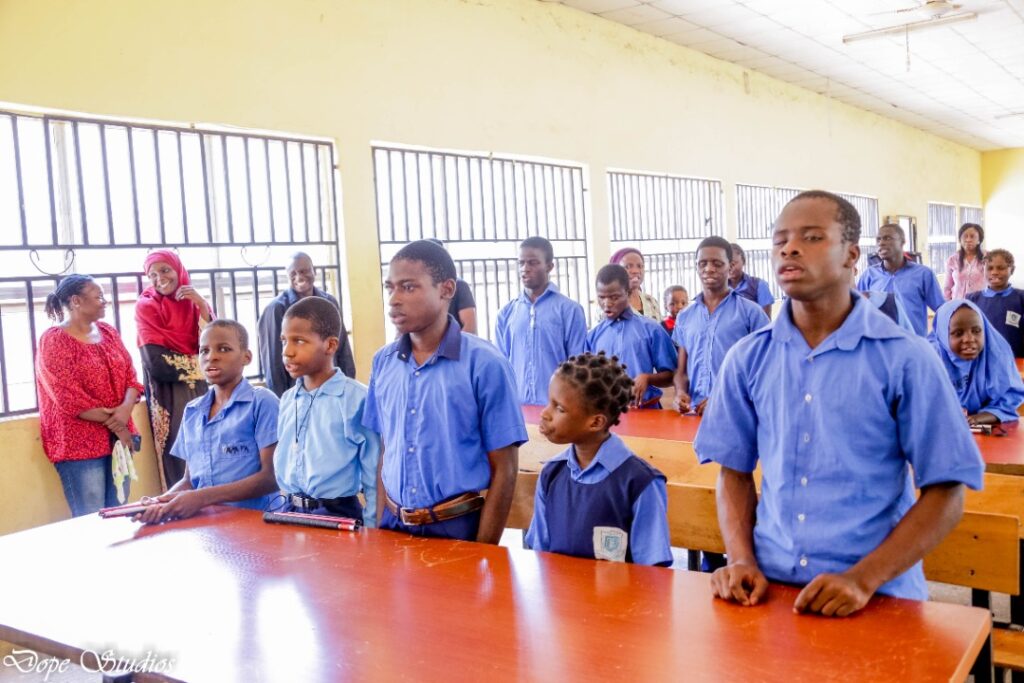
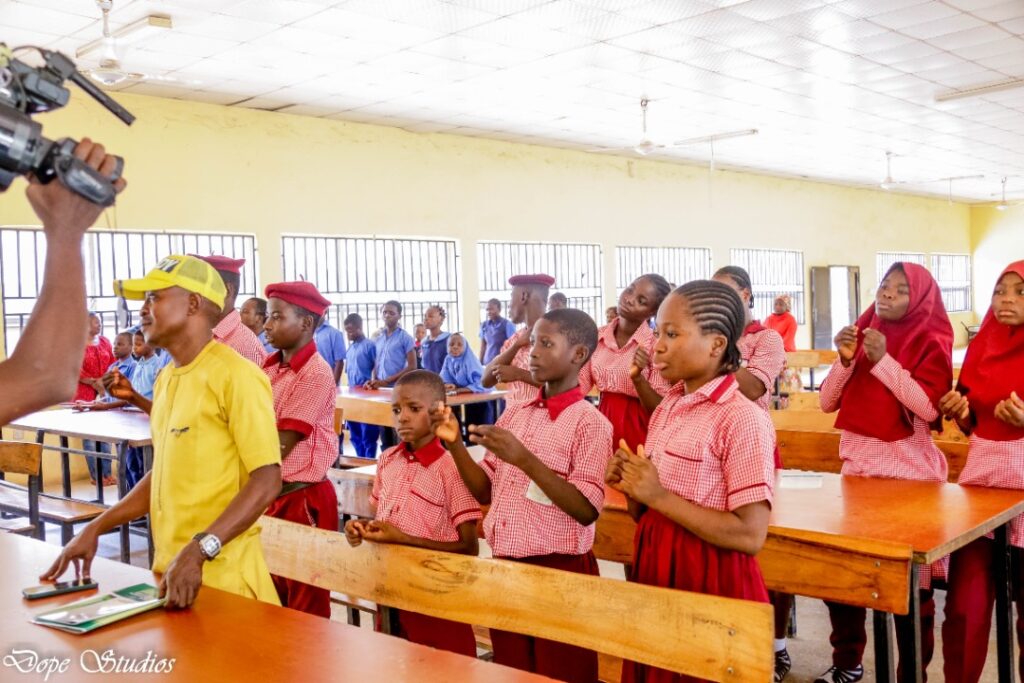
To conclude the activities of the day, The National Executive led by the CVP in the company of other delegates embarked on an outreach to FCT School for the blind Jabi, also joining the event were School of the deaf and School for special needs children, Kuje.
The Chairperson FIDA Gwagwalada Branch Professor Josephine Agbonika SAN, while addressing the students encouraged them to aspire to any level not looking at their disability as a limitation, in her remarks she also enlightened the students on the relevant laws protecting people leaving with disabilities. Guests were entertained buy a musical performance by students from the school of the blind after which FIDANS danced with the children and presented gift items to the three schools present at the outreach.