 by FIDA
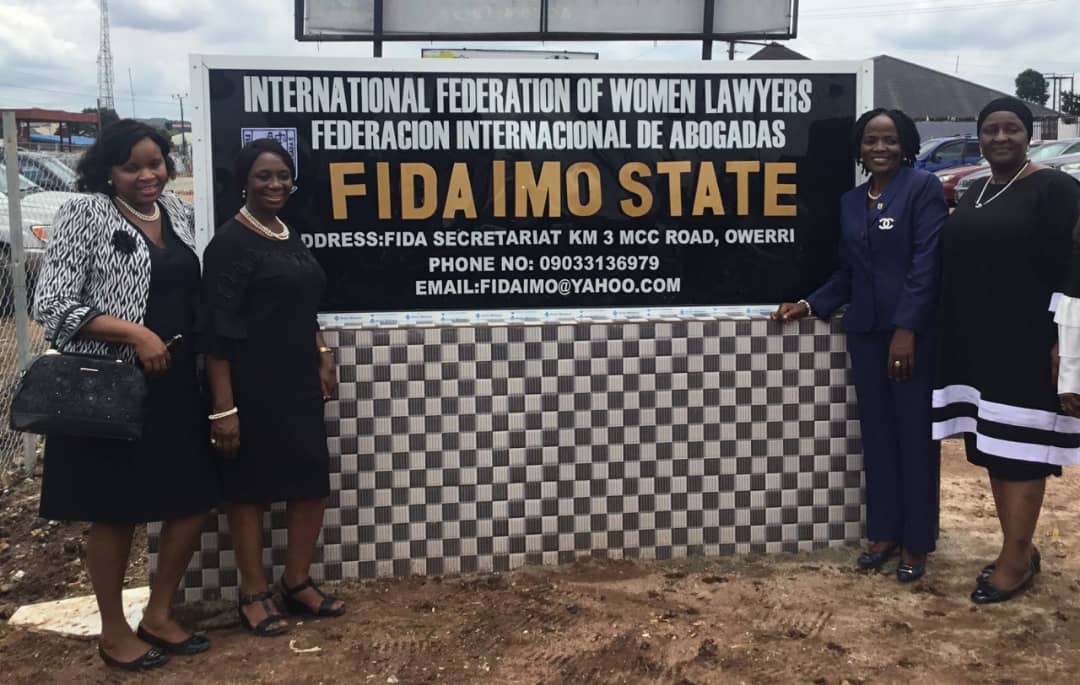
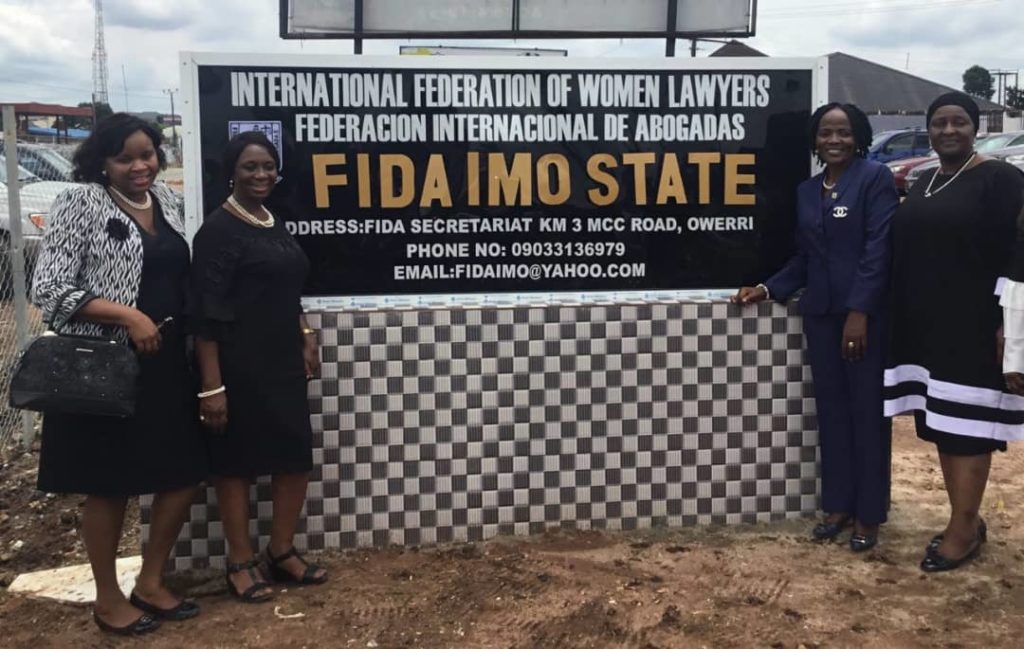
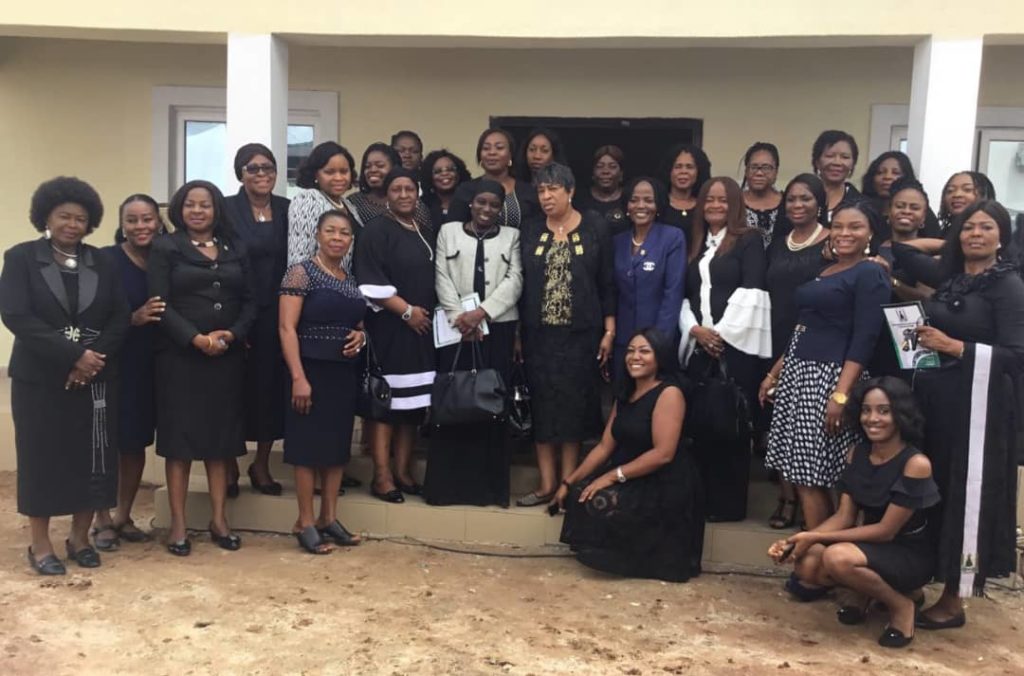
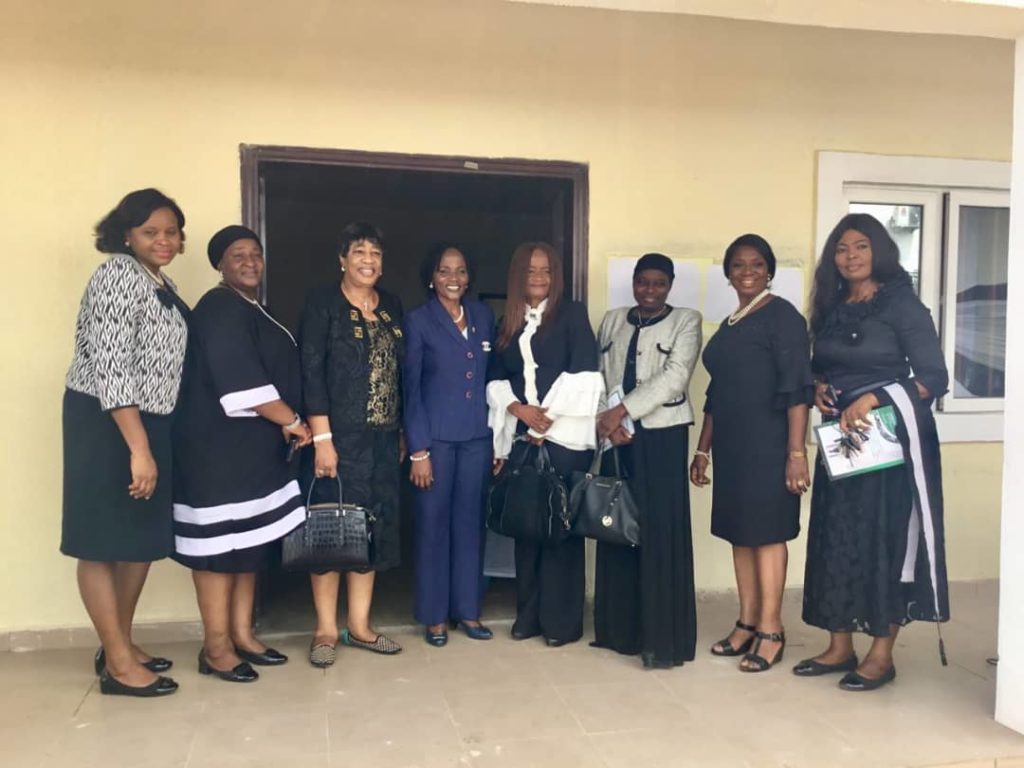
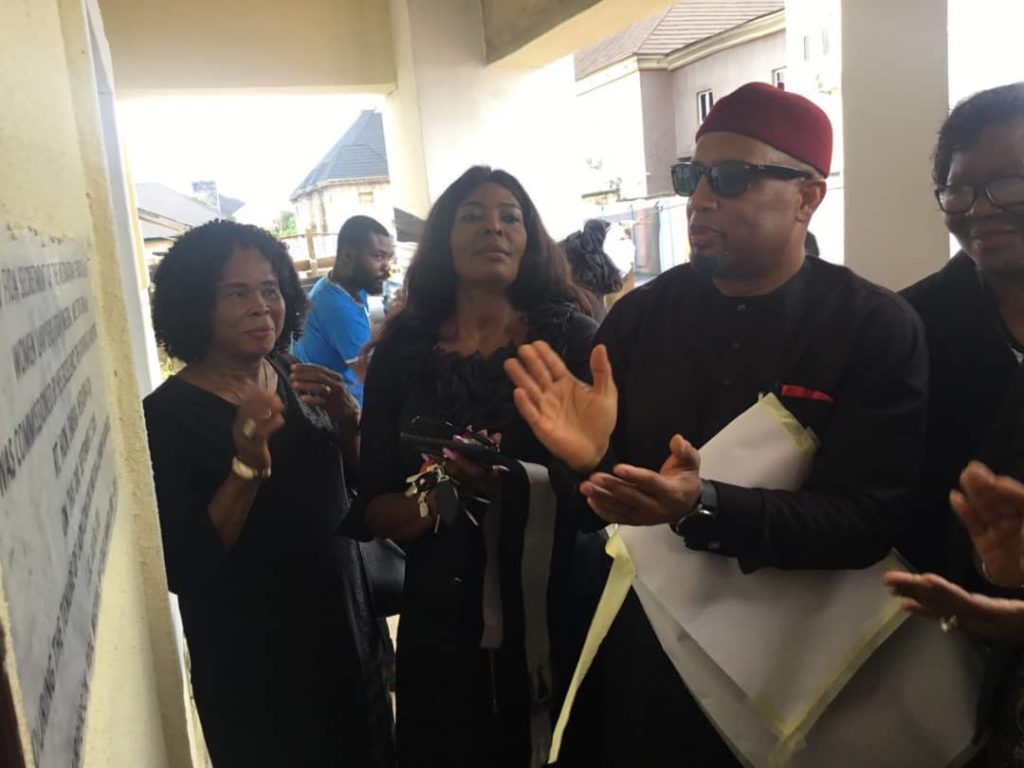
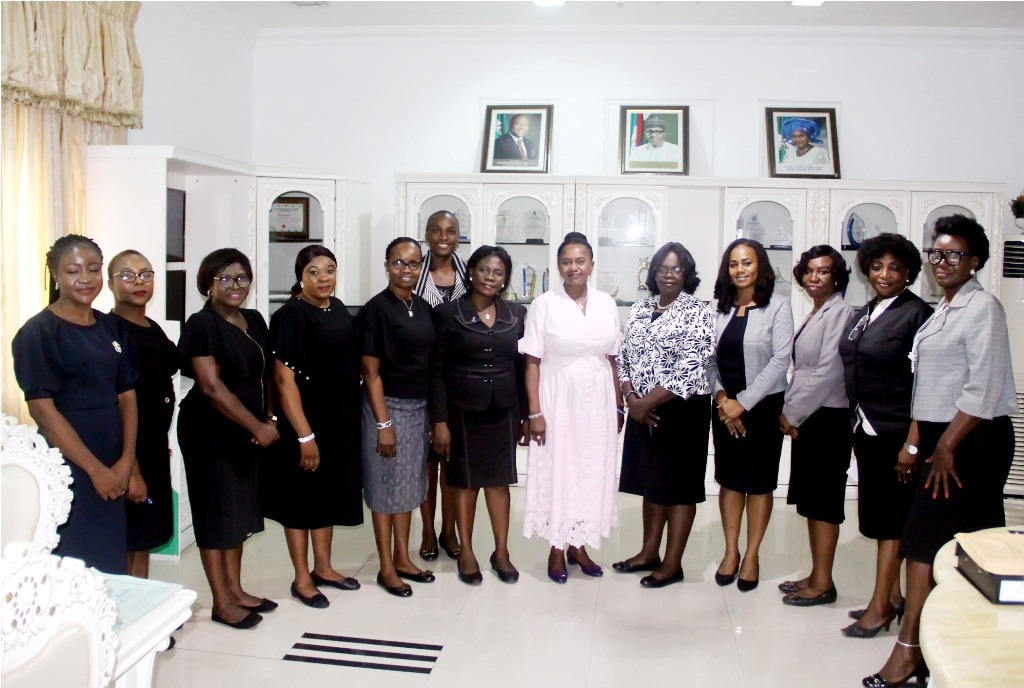
FIDA Imo Commissions New Secretariat Building
On the 25th of September 2019, FIDA Imo State branch Secretariat building was commissioned by His Excellency the Governor of Imo State Rt. Hon. Emeka Ihedioha ably represented by Nze Meekam Mgbenwelu (Hon Commissioner for Technology Development). Members of the Board of Trustees and the National Executives of FIDA Nigeria were also in attendance.

 by FIDA
Shelter for The Vulnerable
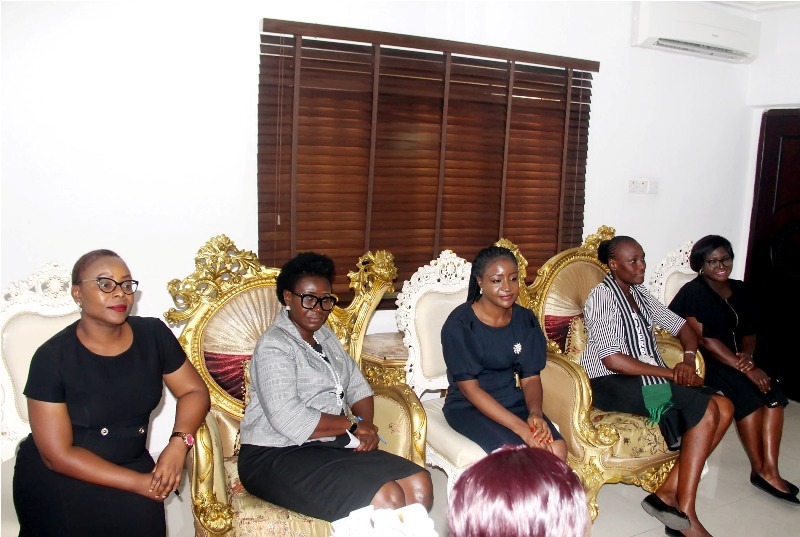
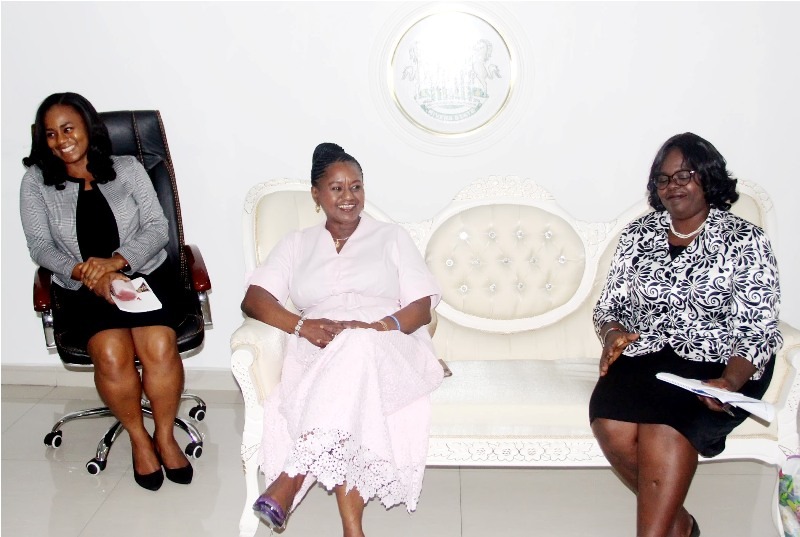
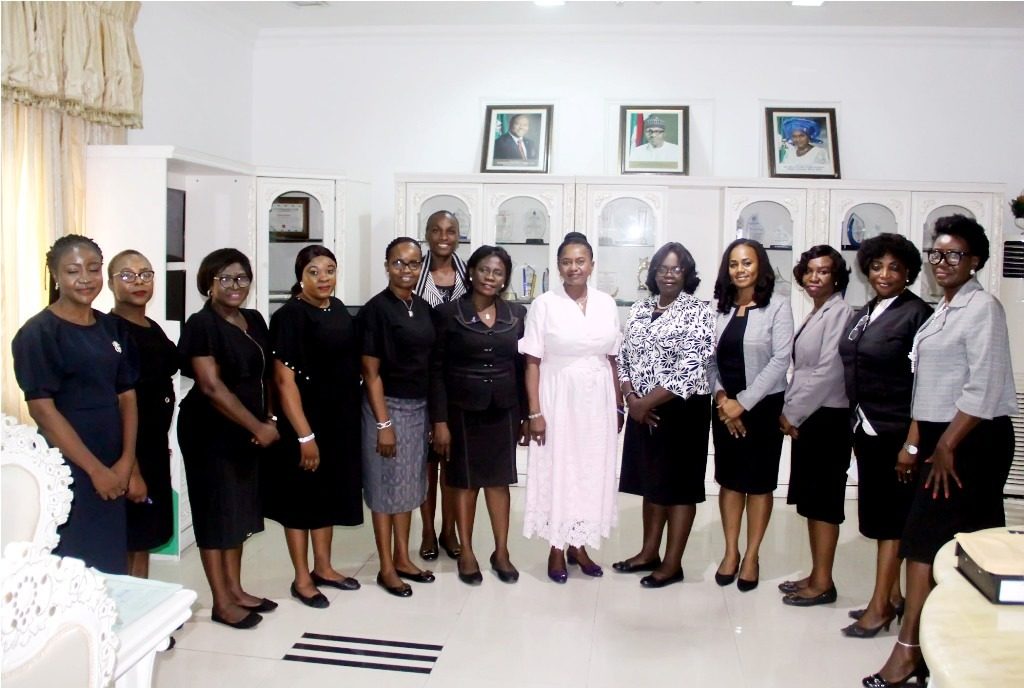
FIDA Nigeria Rivers state branch was hosted by the State’s Deputy Governor Dr. Nrs. Ipalibo Harry Banigo on Monday the 23rd September 2019, to discuss possibilities in ensuring a temporary rehabilitation space for traumatized victims \ survivors of all forms of abuse\violence.
FIDA Rivers sincerely appreciates this great opportunity and kind gesture from our amiable humanitarian Deputy Governor.
 by FIDA
Statement Condemning the Serial Killing of Young girls in Port Harcourt, Nigeria.
The International Federation of Women Lawyers (FIDA), Nigeria is distressed by the reports circulating about serial killers in Port Harcourt, Rivers State. As an organisation with a mandate to promote, protect and preserve the rights of women and children, we loudly call for the arrest and conviction of the killers as well as for the better protection and enforcement of the rights of the citizenry.
Since July 2019, reports of at least ten women killed using the same distinctive style have been noted. The killers lure young women to nondescript hotels, drugs and sexually assaults them before strangling them to death and then tying them up with a white cloth as a form of ritual. The patterns are obvious, yet, the Nigerian Police Force has failed to apprehend any suspect.
Even more disturbingly, Chuks Enwonwu, the Deputy Commissioner of Police Administration for Rivers state released a statement in which he blamed prostitution as the cause of the killings. FIDA Nigeria seeks to challenge this logic, because there are many reasons for women to go to hotels other than to prostitute. This mind set explains the lax attitude of the Police and it needs to change.
The right to life is a fundamental right of the Nigeria citizenry as outlined in Section 33 of the Constitution of the Federal Republic of Nigeria. Murder is also a clear contravention of our criminal laws and aside from the defences provided by the law, there is no justification for taking another life. Whether the said victim was immoral or not. We condemn in totality the acts of these serial killers, as well as the response from the Nigerian Police force.
As an organisation that provides free legal representation for indigent women and children, we will do our part to ensure that justice is served for the lost souls, their families and loved ones.
We however call on the Nigerian Police Force to expedite action in their investigation and bring the perpetrator(s) of these dastardly crimes to book.
FIDA Nigeria also calls on the State government to rise up to the occasion and protect the lives of the citizens of the state as enshrined in Section 14(2)(b) of the 1999 Constitution of the Federal Republic of Nigeria (as amended) which clearly provides that “…the security and welfare of the people shall be the primary purpose of government”. The State Government must therefore promptly rise up to its responsibilities and deploy all necessary machinery to check mate this crime; while instilling confidence in the system and the government. All hotels where these horrible incidents occurred must be sanctioned, steps must be taken to insist on proper security measures in all hotels and recreational facilities in the State.
We insist that more proactive steps must be taken by all concerned to protect the lives of citizens.
#StopTheKillingOfWomeninPH
#RespectTheRightToLife
Signed,
Rhoda Prevail Tyoden
Country Vice President/National President
Eliana Martins
National Publicity Secretary
 by FIDA
International Youth Day 2019
The International Federation of Women Lawyers (FIDA) Nigeria joins the rest of the world to mark 12 August as the International Youth Day. It is a day designated by the United Nations to celebrate youths all around the world and draw attention to a given set of cultural and legal issues surrounding the youths.
The theme of this year’s International Youth Day is “Transforming Education”. This year’s theme highlights efforts to make education more relevant, equitable and inclusive for all youths, including efforts by youths themselves. Education is indispensable in National development and that is why it is included as Goal 4 of the Sustainable Development Goals which states that nations should “ensure inclusive and equitable quality education and promote lifelong learning opportunities for all”.
According to the UN, even though primary education is officially free and compulsory, about 10.5 million of the country’s children aged 5-14 years are not in school. Only 61 percent of 6-11 year-olds regularly attend primary school and only 35.6 percent of children aged 36-59 months receive early childhood education. In the north of the country, the picture is even bleaker, with a net attendance rate of 53 percent. Getting out-of-school children back into education poses a massive challenge.
The youth of a Nation is the fulcrum of National Development and they need quality education to prepare for the future and their role in driving the development process. Education is a basic human right and has been recognized as such since the adoption of the Universal Declaration on Human Rights. Access to education is a right for all Nigerian Children regardless of gender, religion and disability.
Gender, like geography and poverty, is an important factor in the pattern of educational marginalization. In Nigeria, states in the north-east and north-west have female primary net attendance rates of 47.7 percent and 47.3 percent, respectively, meaning that more than half of the girls are not in school. The education deprivation in northern Nigeria is driven by various factors, including economic barriers and socio-cultural norms and practices that discourage attendance in formal education, especially for girls.
Some of the major challenges affecting the Educational system in Nigeria includes: poor governance and management, poor infrastructure and training facilities, poor teachers welfare. The girl-child education should also be taken with all seriousness for this can improve the status of the woman and enhance her productivity in a competitive world and thereby live their dreams.
The government should also be concerned about the education of the vulnerable youths in the country, the need to provide access and educational opportunities to the IDPs, provide good learning facilities and environment for those with disabilities and special needs. Scholarships and free education for the indigent youths with no moral support should be one of the major priorities of the government.
The government should be more proactive in the issues affecting education in the country and also invest more in education to eradicate illiteracy, as stated in Chapter 2 Section 18(3a) of the Nigeria Constitution, because uneducated persons are dangerous to the society, provisions of measures to arrest harassments of youths in schools, bad gangs, and also checkmate preying lecturers.
FIDA Nigeria as an organization which protects the rights of women and children (which includes the youths) acknowledges the fact that Nigeria has great human resources, most of which includes the youth. We believe that the full potentials of our youths should be harnessed and they should be incorporated in governance in order to promote national development.
In conclusion, this is a wake-up call for the Federal Government of Nigeria, Ministry of Education, CSOs and other well-meaning Nigerians to join the rest of the world to ensure that our children and youths get quality and free education as stipulated in Goal 4 of the Sustainable Development Goals which is “Ensure inclusive and equitable quality education and promote lifelong learning opportunities for all”.
“Education Is The Most Powerful Weapon Which You Can Use To Change The World”(Nelson Mandela).
Rhoda Prevail Tyoden
Country Vice President/National President
Eliana Martins
National Publicity Secretary
 by FIDA
We Are PINK
Every morning,
before the cock announces
its victory over the thick night,
my ear drums dance to the beats
from my pounding heart,
waking me to face my own night;
My night falls when your day breaks.
My night is read-eyed terrorist,
an arrogant drunk,
a hardened criminal…
So while your day seduces you
with fairy tales and beautiful
promises,
my night rips in two
the innocence of my mind,
ruining every hope for a
better tomorrow.
My night is the lie society sold to
women,
that aren’t suitable
for a smooth affair
with positive impacts,
but capable to handle the herculean
task of the home front,
the kitchen and the ‘other room’
entitlements.
And let’s not forget the very
unflattering position
of baby-making machines.
And of course we bought the lie,
because we confided in the society;
We learned we are the foundation ‘home makers’.
So in a bid to appease
and to please their selfish whims,
we trained our waists to twerk to their
rhythm.
Unknown to us,
that with every beat
of their custom drum,
we tweaked away the future
of our children.
But they were wrong…
Very wrong!
We are more than a weak mind can
conceive…
More than matrimonial maids; to
cook and clean,
more than baby-making machines.
We more than square pegs in
round holes.
We are goddesses;
with great destinies.
Our hands are blessed with
the creativity of the Most High.
Our minds, burning embers that ignite
growth.
Our hearts floe stain-cleansing and
thirst-quenching streams of passion.
We ink love on every page,
drink poison in return,
yet we do not shrink nor blink…
We allow the pain to sink
like a stone into the sea our souls,
because we are more than the spell
of a wink.
We are Wonder Women speaking life
to the dry bones of humanity.
We are PINK:
P – Powerful
I – Intelligent
N – Noble
K – Kind
And what we think we become
© Eduoe Ndifreke.
 by FIDA
FIDA Nigeria Press Release on World Day Against Human Trafficking 2019
FIDA Nigeria lends her voice to mark the World Day Against Human Trafficking 2019. Today serves as a prime opportunity to draw the attention of the world at large and especially Nigerians to the menace of human trafficking. It is impossible for you not to have heard the stories about the young children that are sent from their villages to live and work with their relatives and strangers in town, or the young woman that is smuggled into a foreign country in hopes of a better life, only to find out that she will have to spend the rest of her days paying for the price with her private parts. All too often the stories end like that of little ‘Ochanya’, sorrow, pain, exploitation, abuse and sometimes death.
FIDA Nigeria is definitely no stranger to these stories, we have handled too many cases and as an organisation with a mandate to promote, protect and preserve the rights of women in Nigeria, we loudly lend our voice to call on all to act against human trafficking. The UNODC reports that 70% of human trafficking victims are women and girls and that 30% of human trafficking victims are children, of this, 23% are girls and 7% are boys. The exploitation of human beings is an abhorrent crime that humanity has sought to abolish since the days of the slave trade. Various international conventions, of which Nigeria is a signatory, guarantee the freedom from inhuman and degrading treatment and the freedom from trafficking and exploitation.
Article 3, paragraph (a) of the UN Protocol to Prevent, Suppress and Punish Trafficking in Persons defines Trafficking in Persons as the ‘recruitment, transportation, transfer, harbouring or receipt of persons, by means of the threat or use of force or other forms of coercion, of abduction, of fraud, of deception, of the abuse of power or of a position of vulnerability or of the giving or receiving of payments or benefits to achieve the consent of a person having control over another person, for the purpose of exploitation.’ In Nigeria, human trafficking is specifically criminalised under the Trafficking in Persons (Prohibition) Law Enforcement and Administration Act, 2003. Despite these provisions, human trafficking remains the second most lucrative form of organised crime in the world and the worst part is that human trafficking is a dynamic crime that often results in other crimes. For instance, if a child is trafficked and forced into a marriage, the trafficking is a crime and the forced marriage is a crime.
This year, the UN has chosen to use the day to encourage all to call government to action. FIDA Nigeria joins this move and calls the Nigerian government to action, to put greater protective and security measures in place to curtail the crime of human trafficking. State borders and national borders need to be better regulated to ensure that humans are not subject to illegal transportation and exploitation.
FIDA Nigeria however, goes a step further to call all Nigerian citizens to action. The truth is that there would be no supply if there was no demand. We all have a role to play in identifying victims and not using their services. Next time you want to get a ‘cheaper’ house help from the village, think about it and ensure that no one will be exploited in the process. It’s not just a global problem or a national problem, it is a local problem and so we all need to be conscious about the role we play.
FIDA Nigeria will continue to do all it can to fight against human trafficking and we will continue to partner with the National Agency for the Prohibition of Trafficking in Persons (NAPTIP) to ensure that women and children can live in a society free from exploitation and abuse.
FIDA NIGERIA stands against all forms of trafficking humans, let’s put an end to it.
Every human being matters, respect their dignity.
Rhoda Prevail Tyoden
Country Vice President/National President
Fida Nigeria
Eliana martins
National publicity secretary
Fida nigeria
 by FIDA
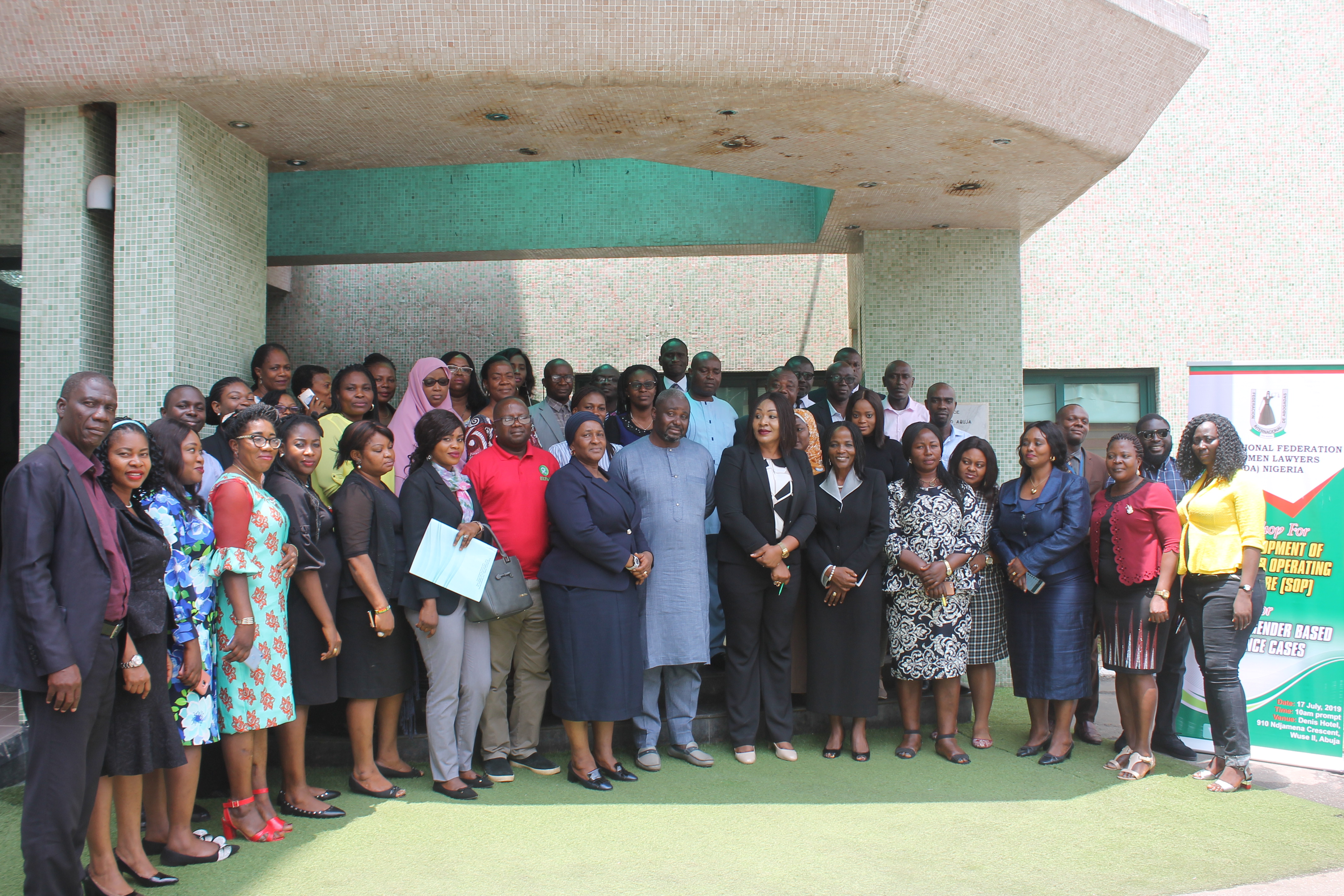
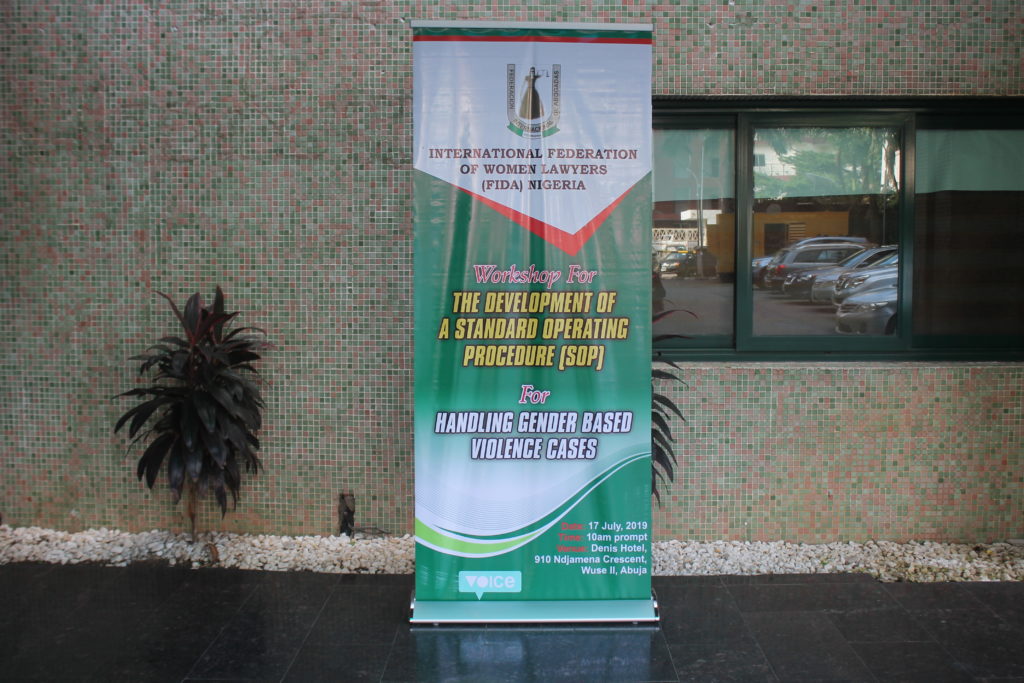
Development of a Standard Operating Procedure for Handling Gender Based Violence Cases
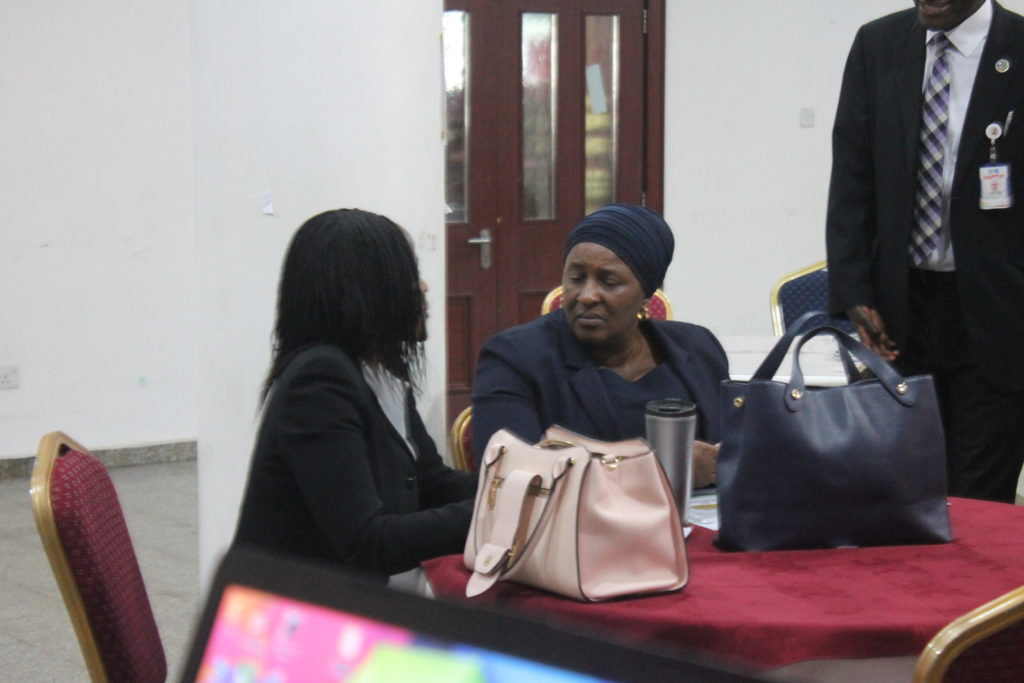
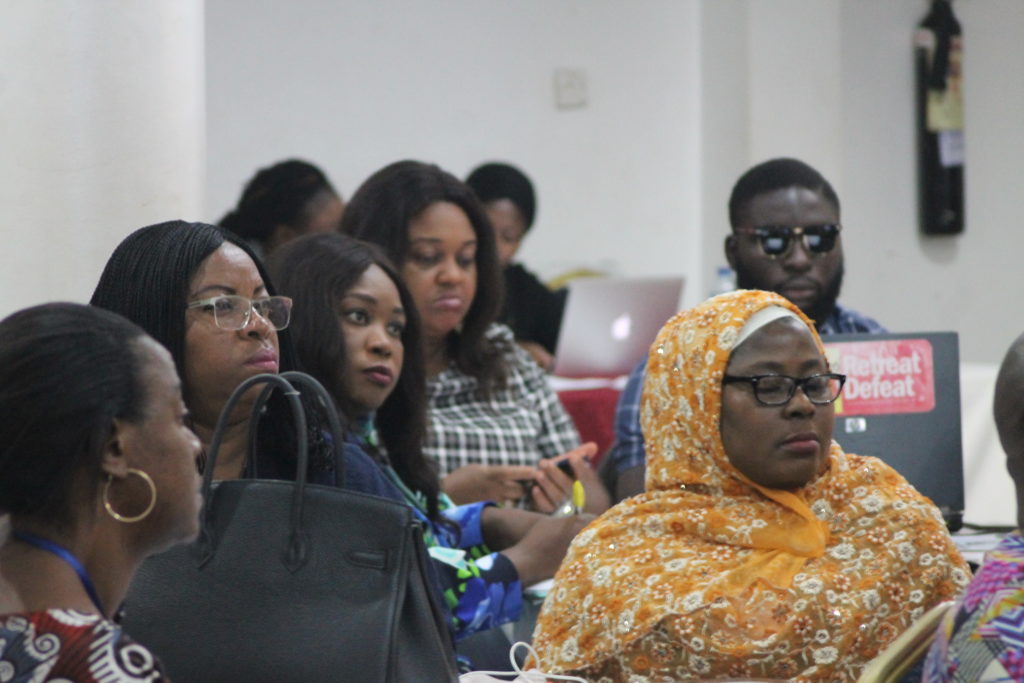
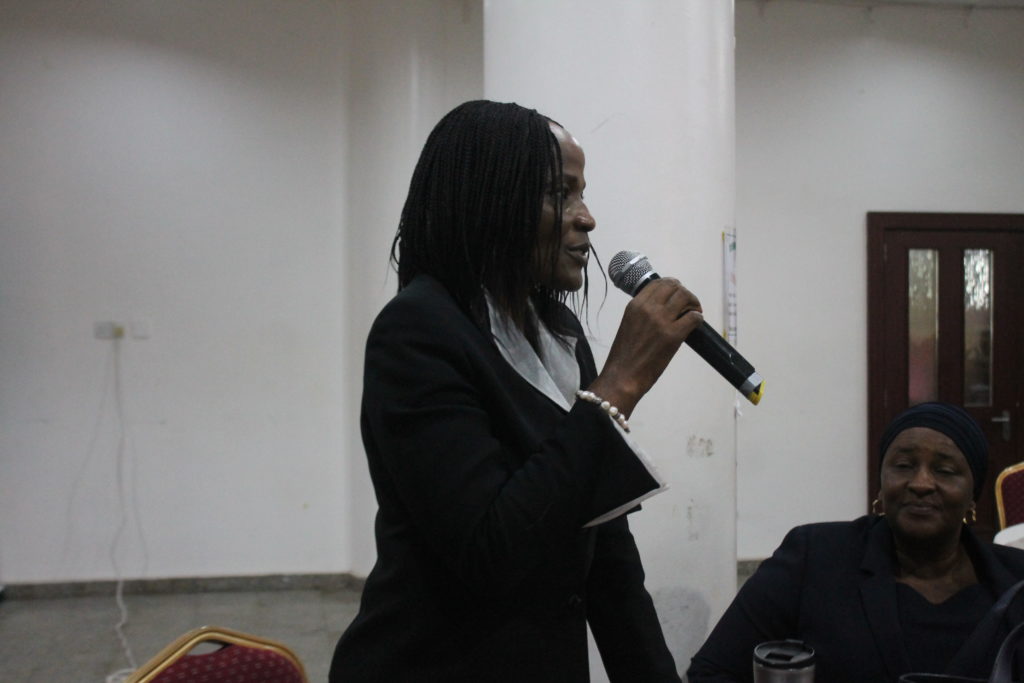
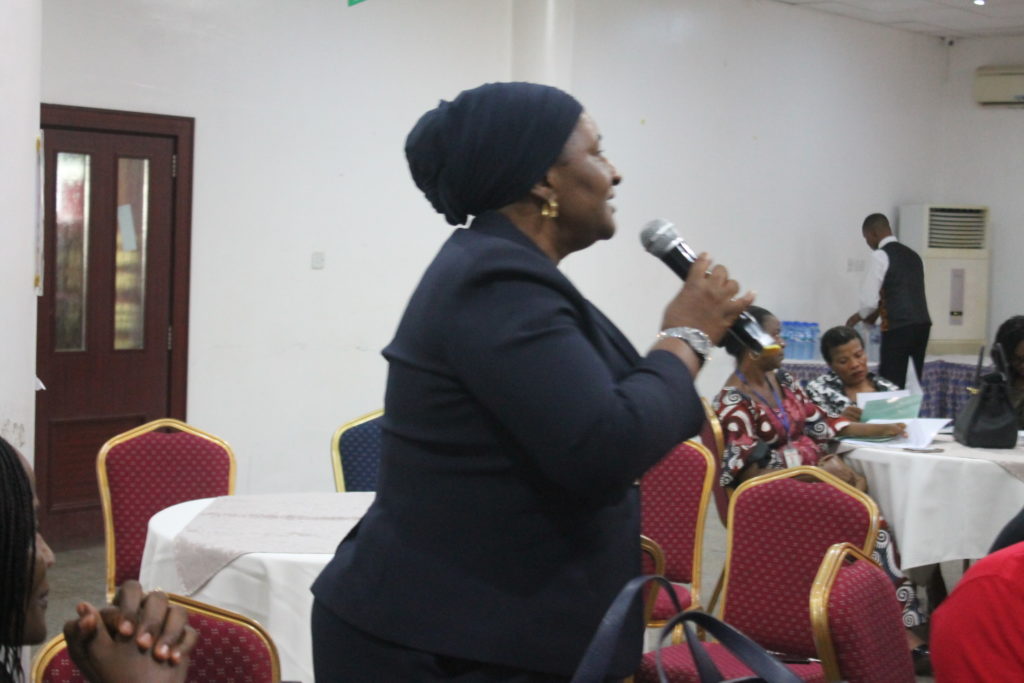
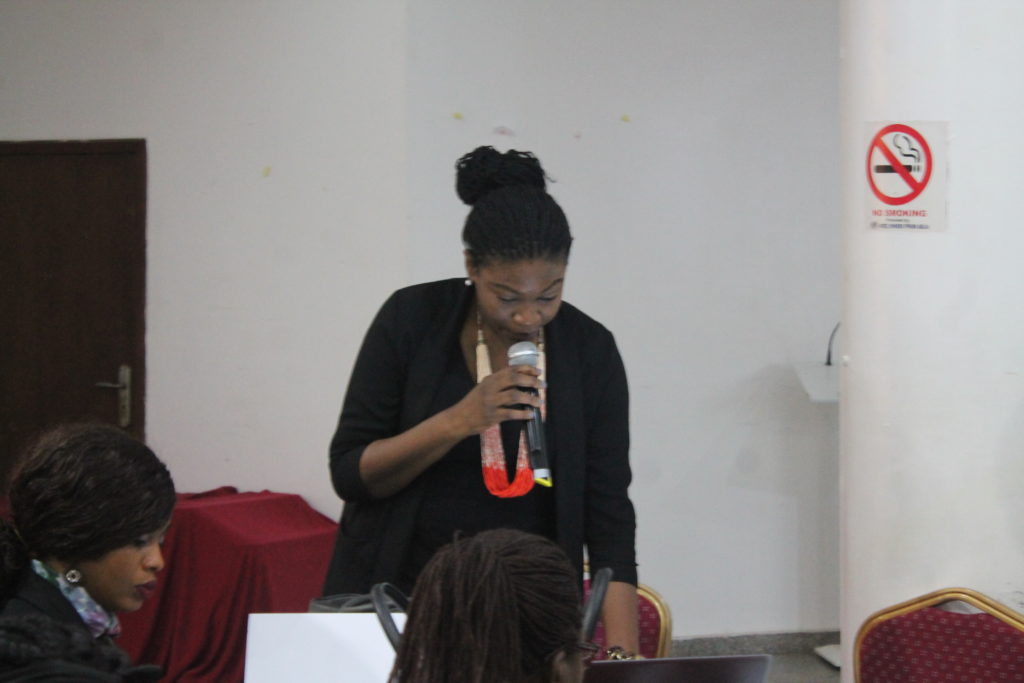
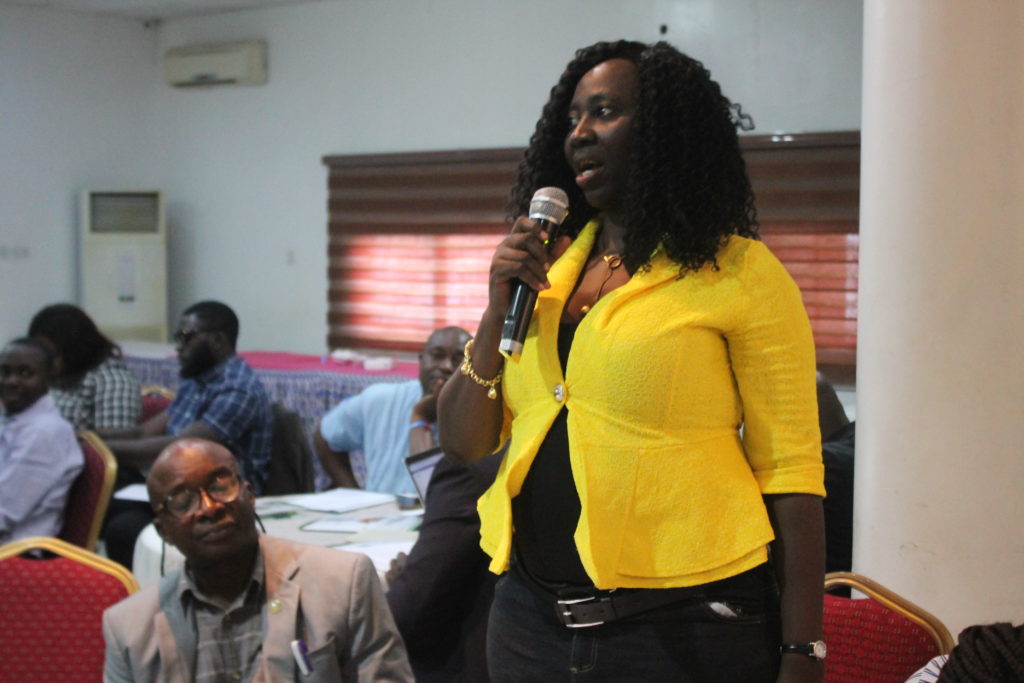
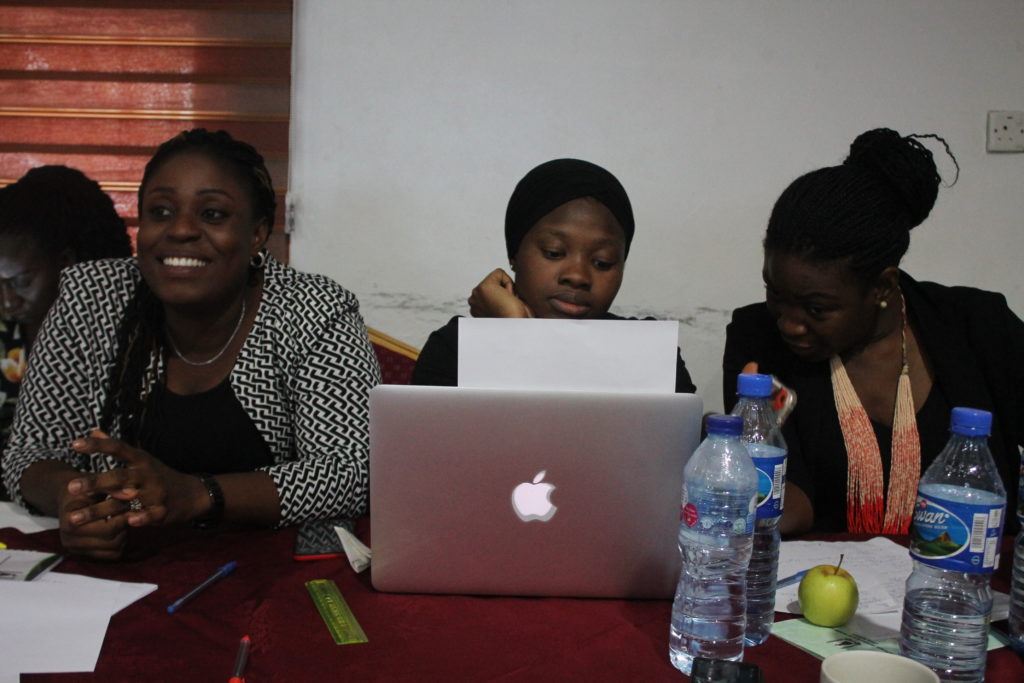
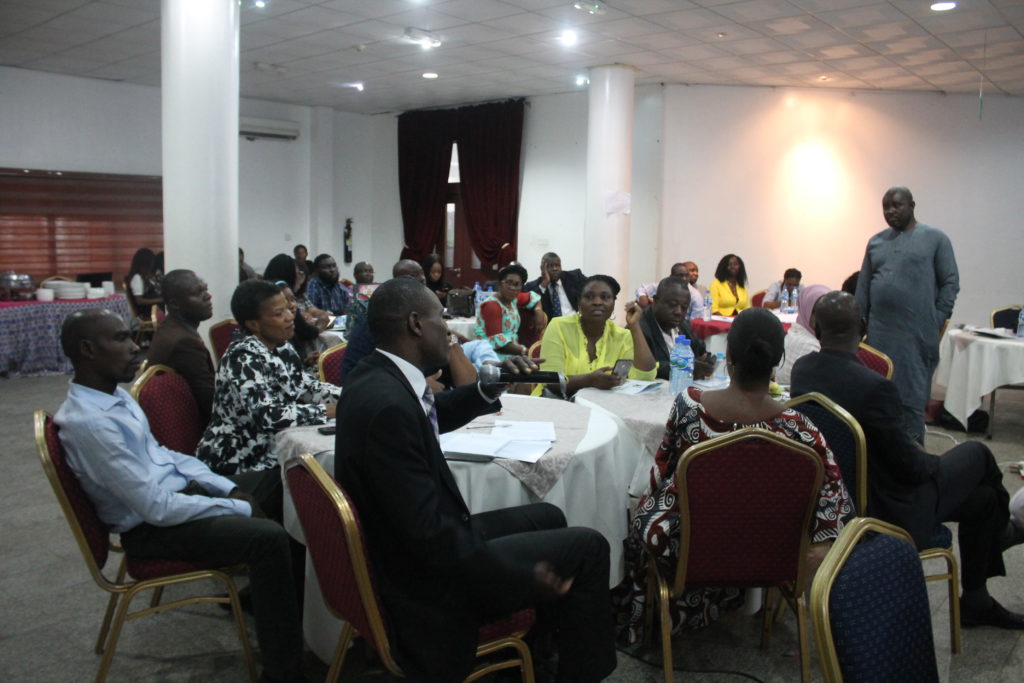
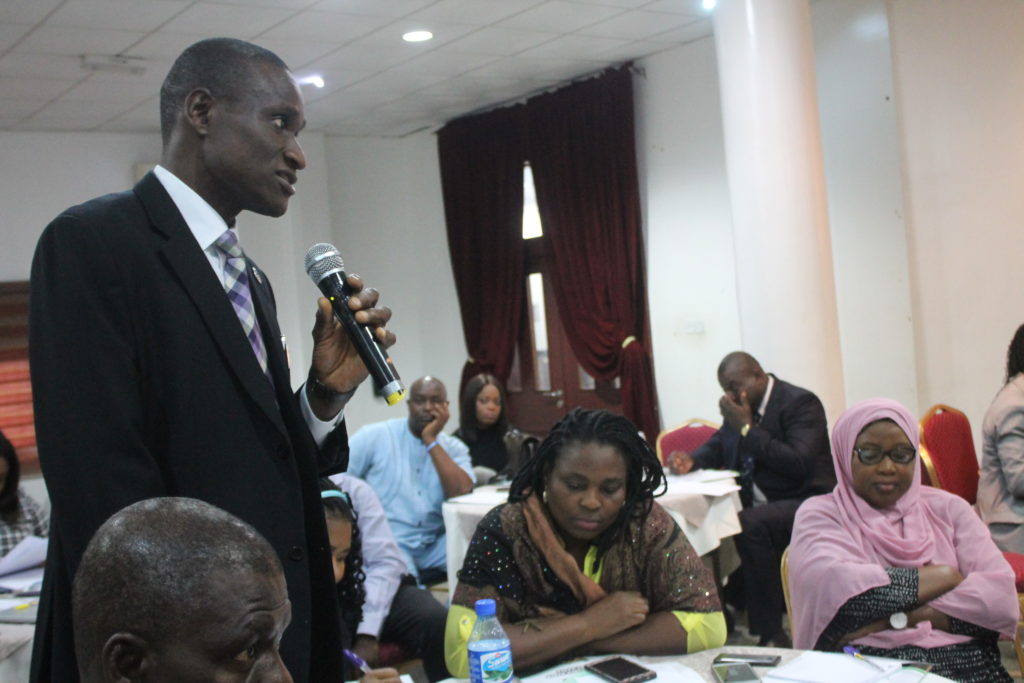
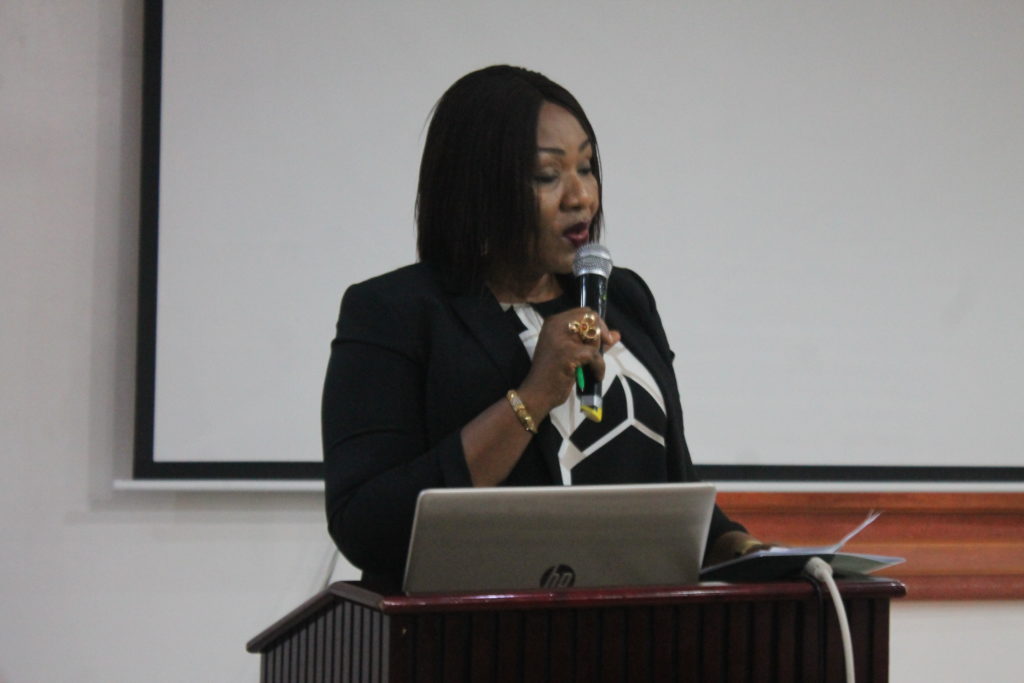
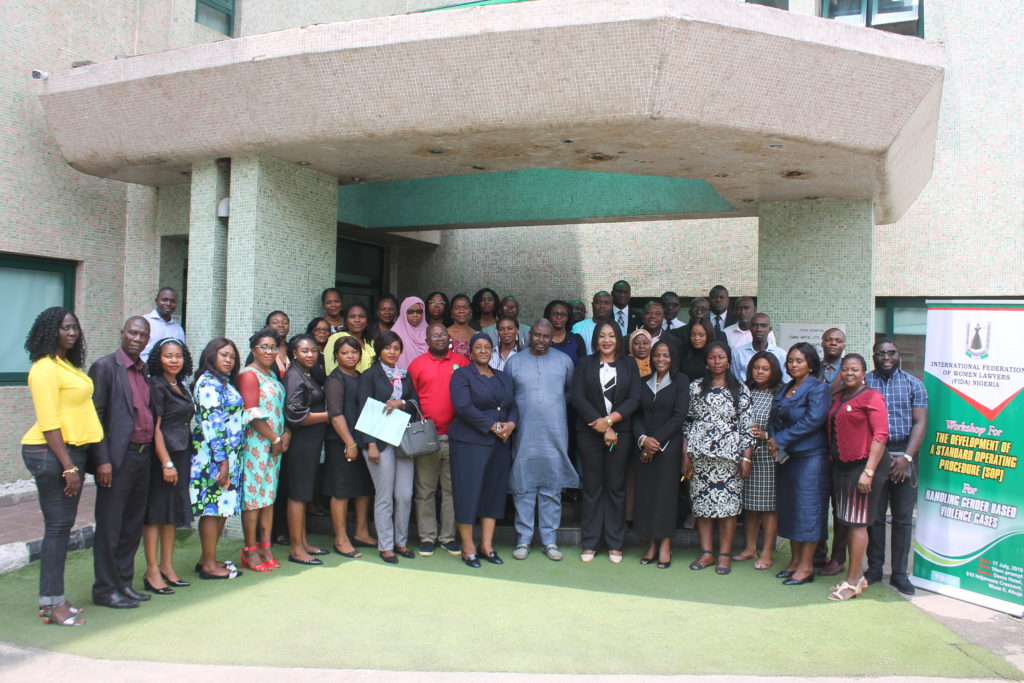
A one-day workshop for ‘the Development of a Standard Operating Procedure for Handling Gender Based Violence Cases’ at NAPTIP, was held on the 17 July 2019 in Abuja
In Attendance was, Rhoda Prevail Tyoden (Country Vice President of FIDA Nigeria), Amina Agbaje (Deputy Country Vice president of FIDA Nigeria) and Racheal Adejo (Chairperson of Abuja Branch, FIDA Nigeria). The Director General of NAPTIP, Dame Julie Okah-Donli was represented by Mrs. Ebele Ulasi the Director Counselling and Rehabilitation, NAPTIP. Mr. Sebastian Shikel represented Oxfam, the donor. Various departments from NAPTIP such as Counselling and Rehabilitation department; Legal and Prosecution department; Intelligence Officers attached to NAPTIP; The welcome and opening address was delivered by Rhoda Prevail Tyoden, the Country Vice President. A few goodwill messages were delivered by representatives of Oxfam and NAPTIP.
Training and Manpower department; Research and Programs Development department and Investigation and Monitoring department were all represented.
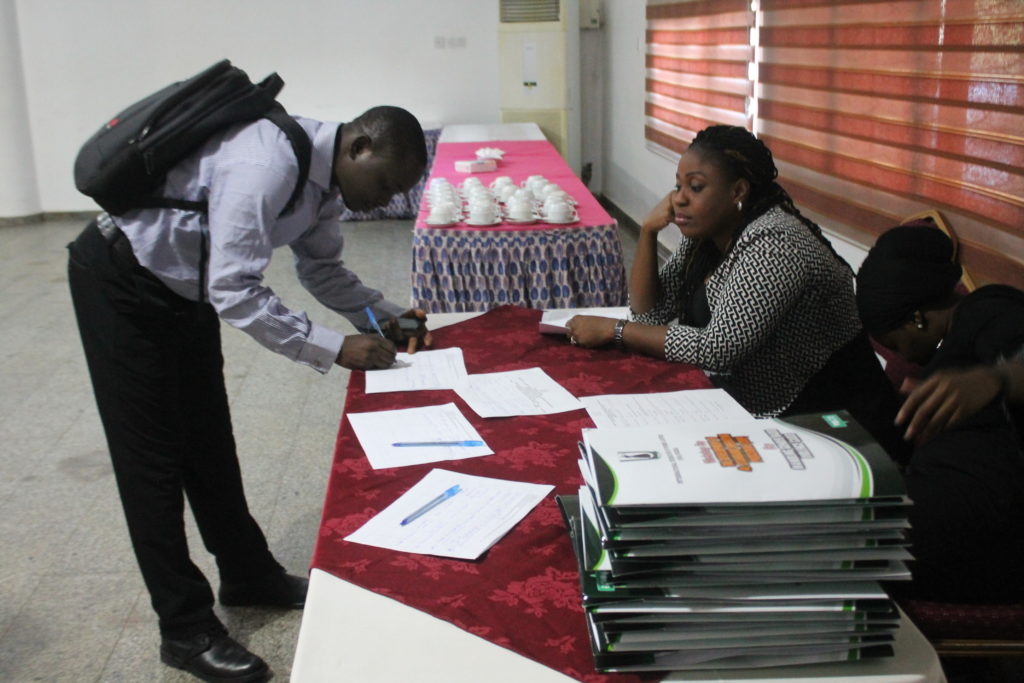
The workshop started at about 10:00am, with an overview of the Violence Against Persons Prohibition Act 2015. The participants broke into groups to brain storm on the content of the SOP. The first group looked at ‘Coordination Mechanism’; the second group looked at ‘Case Management and Referrals Pathways’; the third group considered ‘Prevention’ and the fourth group discussed ‘Documentation, Data and Monitoring’.
Each group considered various incidences, the operational procedure, the Standard observation of organizational ethics that needs to be adhered to, the department that is responsible and the time frame within which actions needs to be taken.
After deliberations, group representatives made presentations and the workshop came to a close. A subsequent Validation meeting will be held at an agreed date





 by FIDA
FIDA Nigeria Statement Condemning the Treatment of Hon. Justice Karatu
The International Federation of Women Lawyers (FIDA) Nigeria is disheartened by the viral video which shows Justice Elizabeth Karatu, Justice of the High Court of Kebbi State, being prevented from entering the courtroom by a staff of the Civil Defense Corps. The video is a depressing depiction of the lowly regard that is had for the law and for the judicial arm of government, in this country.
In the viral video, Justice Karatu can be heard explaining to the Corps officer that she only wanted to deliver her judgements as she still had one more day before her retirement was to take effect, to which the officer responds that he is working on instructions from management and that she should speak to them. As a result, Justice Karatu was prevented from entering the court and consequently, innocent people were denied their right to a prompt and fair trial.
In response to the video, the Commandant General of the Civil Defense Corps, Abdullahi Gana Muhammadu has said that the Corps officer was only trying to prevent the court room from being vandalised, as the court room was under lock and key. It is contended that such an excuse is belittling of the Judge’s position in the court. It is worth noting that a few months ago, Justice Karatu was denied confirmation as Chief Judge of Kebbi state on allegations that her primary school certificate was altered. Alternative allegations suggest her denial was based on her religious beliefs, since she is a Christian and the people of Kebbi State are predominantly Muslim.
As is stated in the preamble of the Code of Conduct for judicial officers, “an independent, strong, respected and respectable Judiciary is indispensable for the impartial administration of Justice in a democratic State”. The treatment of the most senior judge in the state, a day before her retirement, highlights a lack of respect and regard for her position as judicial officer of the state. The saga surrounding the denial of Justice Karatu’s appointment, coupled with the embarrassing treatment depicted in the video point to the larger issue of the denigration of the judiciary in Nigeria. The viral video just throws light on how the integrity and high status on the third arm of government is being ridiculed.
As an organisation with a mandate to promote, protect and preserve the rights of women and children, FIDA Nigeria further contends that the treatment of Justice Karatu also points to the marginalisation and discrimination against women which is evident in various spheres of the Nigerian society. Unfortunately, the courts of justice are not even exempt from this. From female judges like Justice Nyako being divested of cases as a result of their husbands trials, to female judges like Justice Karatu who are hardhanded out of office, reports suggest that the treatment of female judges has been discriminatory. FIDA Nigeria uses this opportunity to call for an end to the discriminatory and disrespectful treatment meted out on Justice Karatu and other female judges in Nigeria.
FIDA Nigeria joins the Nigerian Bar Association in calling for an end to the intimidation and harassment of judicial officers all over the country and for further investigations to be made into the incident.
#StopTheDiscriminationAgainstWomen #StopTheHarrassmentAndIntimidationOfTheJudiciary
RHODA PREVAIL TYODEN
COUNTRY VICE PRESIDENT/NATIONAL PRESIDENT
FIDA NIGERIA
ELIANA MARTINS
NATIONAL PUBLICITY SECRETARY
FIDA NIGERIA
 by FIDA
FIDA Nigeria Statement Condemning the Assault by Senator Elijah Abbo at Abuja Sex Toy Shop
The International Federation of Women Lawyers (FIDA) Nigeria vehemently condemns the physical assault and verbal abuse meted out by Senator Elijah Cliff Abbo on an innocent woman, and his undignified use of his police orderly in an Abuja Sex Toy Shop. As an organization with a mandate to promote, protect and preserve the rights of women and children in Nigeria, FIDA Nigeria cannot sit by idly while innocent women’s right to humane and dignified treatment are infringed upon. It is especially disheartening when the perpetrator of the abuse is a government official and is supposed to be a public servant.
FIDA Nigeria condemns this outlandish act of violence exhibited by a Federal Government official in a public place and call for justice to be served. We demand that Senator Elijah Abbo be held legally accountable for the violations he is responsible for. In the viral video, Senator Abbo can be seen violating numerous provisions of the Violence Against Persons (Prohibition) Act 2015. This includes Section 2, by inflicting physical injury on another, after he slapped the woman multiple times, dragged her by her head and pushed her into a wooden shelf. Section 4, by wilfully placing a person in fear of physical injury, after he asked his Police orderly to carry the woman away and he warned another woman to be careful or he would slap her too. Section 10, by depriving the woman of her liberty after his Police orderly acceded, and forcefully dragged the woman out of the shop. Section 14 and 18 by inflicting emotional, verbal and psychological abuse of the two women with his insults and aggressive shouting.
The Senator’s behaviour also violates the fundamental rights of the women guaranteed under Chapter 4 of the Constitution of the Federal republic of Nigeria. The lawmaker can also be seen violating many ethics and codes of conduct expected of public officials. Furthermore, the Senator showed a blatant disregard for the sanctity of the Nigerian Police Force by belittling his orderly to a private warrior. The Senator’s behaviour is not only a crime, it is also unconstitutional and uncouth. As the youngest senator in office, this is a very poor representation of the potential of youth leadership. True leaders do not exhibit the sort of behaviour that Senator Elijah Abbo can be seen displaying in the video.
A lawmaker should not be seen violating the law so blatantly in a public place. Respect to Rule of Law and the protection of the fundamental rights of the citizenry is the foundation of any democratic society, and so this issue must be dealt with in accordance with the Rule of Law, and with due regard for fundamental Rights. A lawmaker should not be seen to be acting above the law and fostering the culture of impunity. FIDA Nigeria calls on the Nigerian Police and the Senate to ensure that all violators of the rights of these women are held accountable. No man is above the law.
FIDA Nigeria demands forthwith for a Public Apology by Senator Elijah Abbo to the woman and all Nigerians for his abhorrent behaviour and for compensation for the woman and payment of all bills incurred as a result of the incident.
FIDA Nigeria calls on the Police to arrest and fully prosecute all liable and to ensure that the rights of the Nigerian citizenry are truly preserved and protected.
FIDA Nigeria furthermore calls on the Senate to likewise condemn the action of it’s erring member, and to look into the matter and ensure that having erred he is adequately disciplined having breached code of conduct rules thereby preserving the integrity of the Senate.
FIDA NIGERIA pledges to support these women who have been violated, we pledge that we shall use all legal measures to continue to protect the rights of all Women and children.
We demand justice for these women.
RHODA PREVAIL TYODEN
COUNTRY VICE PRESIDENT/NATIONAL PRESIDENT
FIDA NIGERIA
ELIANA MARTINS
NATIONAL PUBLICITY SECRETARY
FIDA NIGERIA
 by FIDA
International Day Against Drug Abuse and Illicit Trafficking
By resolution 42/112 of 7 December 1987, the General Assembly decided to observe 26 June as the International Day against Drug Abuse and Illicit Trafficking, as an expression of its determination to strengthen action and cooperation to achieve the goal of an international society free of drug abuse. Each year, individuals, communities and various organisations all over the world use the day to raise awareness of the major problem that illicit drugs represent to society and to mobilise political will and resources to address the menace.
FIDA Nigeria lends her voice to commemorate the International Day Against Drug Abuse and Illicit Trafficking 2019. As an organisation of women lawyers with a mandate to promote, protect and preserve the rights of women and children in Nigeria, this year’s theme particularly stood out to us. The theme is ‘Health for Justice, Justice for Health’ and as the UN outlined, this theme highlights that health and justice are two sides of the same coin when it comes to addressing drug problems and tackling illicit trafficking. Drug abuse and illicit trafficking were once seen as marginal factors affecting development in society, but the UN now classifies this menace as a ‘disturbing obstruction to the achievement of the 2030 Sustainable Development Goals’, particularly Goals 3 on health and Goal 16 on peaceful societies.
This reclassification is hard to contest. In February 2019, a National Drug Use Survey was released by the United Nation Office on Drug and Crime (UNODC), funded by European Union (EU) in partnership with the Federal Government. The survey revealed that the prevalence of drug use in Nigeria in 2018 was more than twice the global average of 5.6 per cent, adding that the extent of drug use in Nigeria is comparatively high. The survey estimated that there are around 14.3 million drug users in Nigeria and that one in four drug users are women. This means that there are approximately 3.6 million women in Nigeria that are drug users.
FIDA Nigeria has observed with great distress the increasing actives of drug traffickers and the increased use and abuse of drugs in the country. The effects of drug abuse and illicit trafficking are far reaching and the negative impact on individuals, families and society as a whole is multifold. In Nigeria today, it is taking a frightening dimension and taking a major toll on our communities.
Many families are battling and contending with drug addicts, some have quit schools and work, dysfunctional homes, some are on the verge of lunacy or battling with acute diseases. Drug abuse leads to the deterioration of an individual’s relationships, finances and health. From a health perspective, abuse can lead to diseases such as cancer, HIV/AIDS, stroke etc, and also mental health problems such as depression, paranoia, hallucination, brain damage etc. Drug abuse can be fatal and this leads to a loss of valuable people in society.
From a legal perspective, abuse has dire consequences on the individuals involved in the drug trade and on the community and the criminal justice system as a whole. Communities that are rife with drug abuse and illicit trafficking, tend to also suffer from an increase in crime and other delinquent behaviours that threaten the safety, security and wellbeing of the community.
The international community thus uses this day to shine a light on the preventable crisis that is drug abuse and on the global quest to advance successful responses to the crisis. In Nigeria, health responses are limited and most centres do not provide the necessary counselling and treatment services to drug users which in turn exacerbates the health crisis that is drug dependency. Reports also indicate that some dependents are shackled like animals in rehabilitation centres across the country, resulting in further physical and psychological damage.
Legal responses on the other hand are excessively punitive on drug users and amiss on drug traffickers. For responses to be successful, holistic approaches and integrated solutions are needed. Integrated solutions are only possible when fair and humane institutions of criminal justice, health and social services work hand in hand.
Since the late 1990s, numerous United Nations (UN) General Assembly resolutions have acknowledged that ‘countering the world drug problem’ must be carried out ‘in full conformity’ with ‘all human rights and fundamental freedoms’. International standards stress the importance of providing alternatives to imprisonment for people with drug use disorders and promote rehabilitation over punishment.
FIDA Nigeria calls on all to recognise and properly address the growing menace of drug abuse and illicit trafficking in society. The Federal Government must realise that rather than treating those who have been exploited as criminals and overburdening our prisons, more should be done to rehabilitate the individual and reintegrate them into society.
The Federal Government should adhere to the International human rights standards it has ratified and mainstream a gender and age perspective into drug related policies, since women and children are especially vulnerable to exploitation in the illicit drug trade. Legal age restrictions on existing drug-related health services should be reviewed and accessible drug dependence treatment and harm reduction services should be provided.
Finally, the Federal Government must prioritise and address the root causes of involvement in the drug trade, including poverty and social marginalisation. This is a matter of urgency and FIDA Nigeria calls on the government and all relevant agencies come with up with a pragmatic and holistic approach to tackle this menace that has bedevilled our country… We also call on Non-governmental organisations, international organisations, parents, religious bodies, traditional rulers, heads of schools at various levels (primary, secondary and tertiary institutions) and the entire community to wake up and fight to save our children especially from the tragedy of drug abuse and illicit trafficking.
Let us remember that the youth population is the fulcrum of our national development. Let us say NO to DRUGs for Health is Justice and Justice is Health.
RHODA PREVAIL TYODEN
COUNTRY VICE PRESIDENT/NATIONAL PRESIDENT
ELIANA MARTINS
NATIONAL PUBLICITY SECRETARY